How to Make a Mala Necklace: Crafting, Knotting, and Care Guide
Learn how to make a mala necklace with durable materials and master deep cleaning protocols for Rudraksha, gemstones, and wood beads.

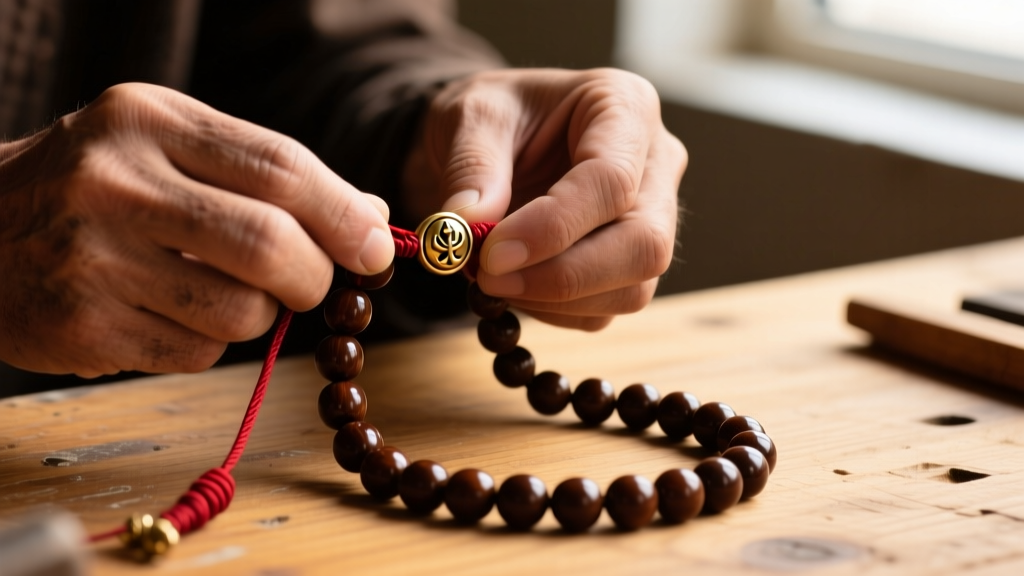
The Intersection of Crafting and Longevity
When researching how to make a mala necklace, most guides focus purely on the spiritual intention or the aesthetic arrangement of the 108 beads. However, from a jewelry maintenance perspective, the true art of mala crafting lies in engineering a piece that withstands daily friction, the acidic pH of human sweat, and environmental degradation. A mala is a tactile tool, meant to be handled continuously during japa meditation. This constant manipulation means that the structural integrity of the thread and the porosity of the beads must be carefully considered before you even tie your first knot.
Understanding how to make a mala necklace that lasts for decades requires a dual approach: selecting low-maintenance, high-durability materials during the crafting phase, and implementing strict, material-specific cleaning protocols throughout its lifespan. In this guide, we bridge the gap between traditional mala crafting and modern gemological care, ensuring your spiritual tool remains pristine and structurally sound.
Crafting for Care: Thread Selection and Knotting Techniques
The most common point of failure in any mala necklace is the cord. Traditionalists often advocate for pure silk thread, but silk is a protein fiber that degrades rapidly when exposed to the salts and acids in human sweat. If your primary goal is longevity and ease of care, material substitution is key.
- Bonded Nylon (0.8mm to 1.0mm): This is the gold standard for low-maintenance malas. Nylon is impervious to sweat, does not stretch significantly over time, and can withstand mild soap washes without fraying. Brands like Griffin or C-Lon offer excellent bonded nylon cords that mimic the drape of silk but offer the durability of synthetic polymers.
- Waxed Cotton Cord: A great middle-ground. The wax coating provides a moisture barrier against skin oils, though it will eventually wear off and require re-waxing every few years.
Equally important to the cord material is the knotting technique. When learning how to make a mala necklace, always utilize overhand knots or snake knots between every single bead. Bead-on-bead friction is a primary cause of surface degradation, especially for softer organic materials like sandalwood or low-Mohs gemstones. Knotting creates a physical buffer, preserving the bead's surface and making deep cleaning easier, as dirt cannot become compacted between tightly pressed stones.
Material Selection Matrix: Beads and Their Maintenance Profiles
Not all beads can be cleaned using the same methods. The porosity and hardness of your chosen materials will dictate your maintenance routine. Below is a decision matrix to help you understand the care requirements of popular mala materials before you begin crafting.
| Bead Material | Hardness / Porosity | Approved Cleaning Agent | Drying Method | Maintenance Frequency |
|---|---|---|---|---|
| Rudraksha Seeds | Organic / Highly Porous | Distilled water, soft brush | Air dry away from heat | Monthly + Annual oiling |
| Amethyst | Mohs 7 / Non-porous | Mild pH-neutral soap | Pat dry with microfiber | As needed |
| Turquoise | Mohs 5-6 / Highly Porous | Damp microfiber cloth only | Air dry immediately | After heavy sweating |
| Sandalwood | Organic Wood / Porous | Dry cloth, essential oils | N/A (Avoid water) | Bi-annual oiling |
Deep Cleaning Protocols by Bead Material
Once you have crafted your piece, maintaining it requires specific chemical and mechanical approaches. According to the Gemological Institute of America (GIA), treating porous gems with standard jewelry cleaners can cause irreversible chemical staining. Here is how to safely deep clean the most common mala materials.
Rudraksha and Organic Seeds
Rudraksha beads (particularly the common 5-mukhi variety) have deep, textured crevices that trap dead skin cells, dust, and sebum. To clean them, create a solution of lukewarm distilled water and a single drop of pH-neutral baby shampoo. Submerge the beads for no more than 5 to 10 minutes. Prolonged water exposure can cause the seed's interior to harbor mold.
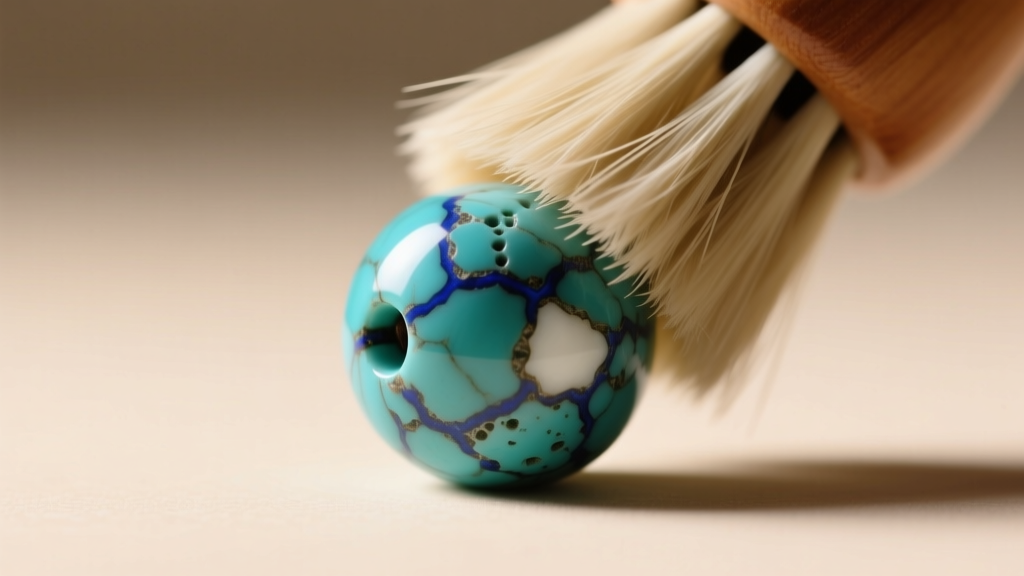
Use a soft-bristled natural hair brush to gently agitate the crevices. Rinse with clean distilled water and allow the mala to air dry completely in a well-ventilated area. Once a year, condition the seeds by rubbing a single drop of pure mustard oil or sandalwood oil into your palms and gently rolling the beads to prevent them from drying out and cracking.
Semi-Precious Gemstones (Turquoise, Lapis Lazuli, Amethyst)
Gemstone care requires an understanding of the Mohs hardness scale and chemical sensitivity. Turquoise and Lapis Lazuli are notoriously porous and sensitive to acids. Never use ultrasonic cleaners, steamers, or commercial silver dips on these stones, as the chemicals will penetrate the porous matrix and cause permanent discoloration. Instead, wipe them down with a barely damp microfiber cloth after periods of heavy use.
Harder stones like Amethyst (Mohs 7) or Clear Quartz are much more forgiving. You can wash these malas in a bowl of lukewarm water with a mild dish soap, gently swishing them around. However, be mindful of the guru bead and tassel, which may require spot-cleaning to prevent the thread from waterlogging. For a deeper dive into specific stone tolerances, resources like Yoga Journal's mala guides often highlight the energetic and physical fragility of certain crystals.
Sandalwood and Hardwoods
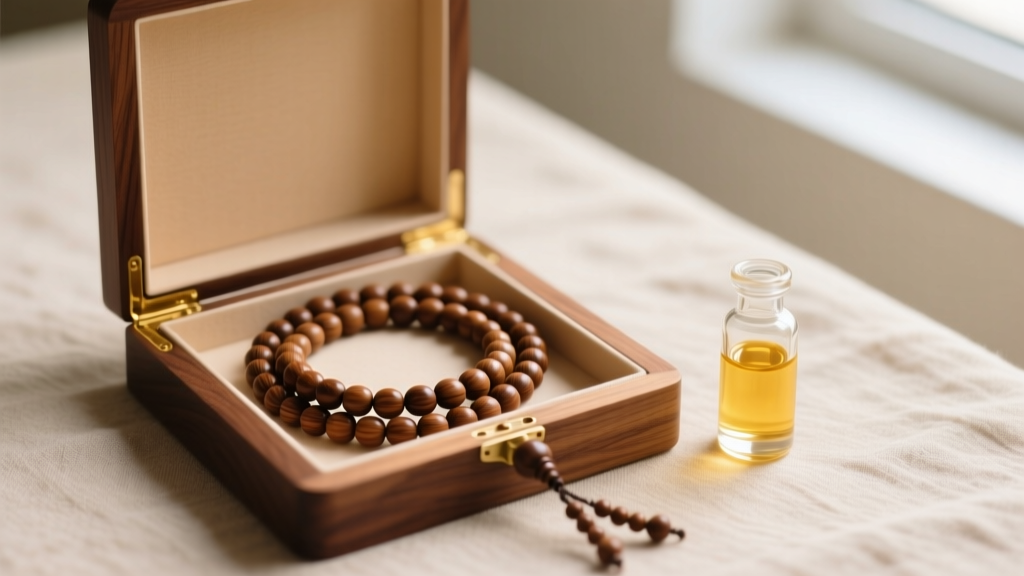
Wooden malas are prized for their aromatic properties, but water is the enemy of natural wood. Washing a sandalwood mala with water will strip its natural oils, cause the wood grain to raise and splinter, and permanently destroy its scent. To clean wooden beads, simply wipe them vigorously with a dry, clean cotton cloth. The natural friction will polish the wood and redistribute its internal oils. If the scent begins to fade, you can revitalize the beads by storing them in a sealed container with a few drops of high-quality sandalwood essential oil applied to a cotton pad (not directly on the wood).
Storing and Environmental Protection
How you store your mala when it is not in use is just as critical as how you clean it. Environmental factors like UV radiation and ambient humidity can silently degrade both the beads and the cord.
- UV Degradation: Prolonged exposure to direct sunlight will cause Amethyst to fade to a pale, washed-out gray and will dry out organic seeds and wood, leading to micro-fractures. Always store your mala in a drawer or an opaque pouch.
- Humidity and Mold: If you live in a high-humidity environment, storing a mala made of organic seeds or cotton thread in a sealed plastic bag can trap moisture and encourage mildew growth. Use breathable cotton or silk drawstring pouches, or store the mala in a cedar-lined wooden box, which naturally regulates moisture and repels insects.
- Chemical Exposure: Always remove your mala before swimming in chlorinated pools or entering hot tubs. Chlorine is highly reactive and will instantly damage the polish on gemstones and degrade nylon or silk threads at a molecular level.
When to Restrung: Signs of Thread Degradation
Even with meticulous care, the physical act of japa meditation will eventually wear down the cord. Knowing when to deconstruct and restring your mala is a vital part of its lifecycle maintenance. Inspect your mala every six months for the following warning signs:
- Gaping at the Knots: If you notice significant space between the knots and the beads, the cord has stretched beyond its elastic recovery point. This is common with silk and cheap cotton cords.
- Fraying at the Guru Bead: The guru bead (the 109th bead) experiences the most friction as it is the anchor point for your thumb during meditation. Inspect the cord immediately where it exits the guru bead's secondary hole. If you see fuzzing or exposed inner fibers, restring immediately to prevent a catastrophic snap.
- Discoloration of the Cord: If a light-colored nylon or silk cord has turned dark brown or black near the center of the beads, it indicates that sweat and oils have deeply penetrated the fibers, weakening their tensile strength.
Expert Insight: When restringing your mala, do not attempt to pull the old, degraded thread through the new thread. The friction of pulling the old cord can scratch the interior drill holes of softer beads like turquoise or pearls. Always cut the old cord and restring from scratch using a flexible beading needle.
Mastering how to make a mala necklace is only the first step in your journey with this sacred tool. By pairing intelligent material selection with rigorous, material-specific cleaning and storage protocols, you ensure that your mala remains a durable, beautiful, and hygienic companion for your meditation practice for years to come.


