The Puka Shell Necklace Meaning and 2026 Style Revival
Discover the true puka shell necklace meaning, from ancient Hawaiian protection talismans to 2026 high-fashion coastal layering trends.

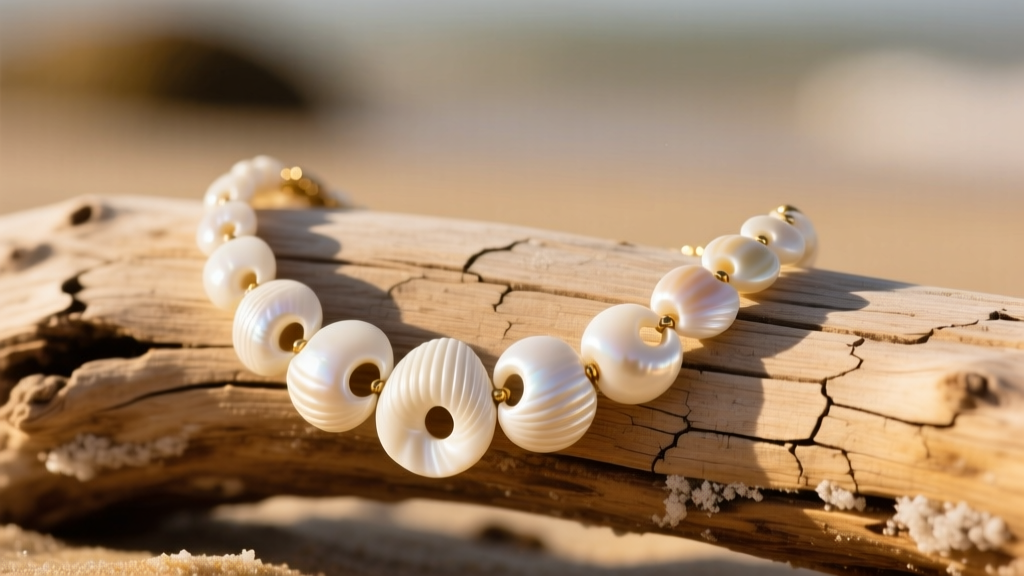
The True Puka Shell Necklace Meaning: Beyond the Surf Myth
Before the puka shell necklace became a ubiquitous symbol of 1970s surf culture and early 2000s Y2K fashion, it held profound spiritual and cultural weight in Hawaii. To truly understand the puka shell necklace meaning, we must look to its linguistic and geographic origins. In the Hawaiian language, the word "puka" translates directly to "hole." Historically, these beads were not manufactured; they were gifted by the ocean. The relentless surf of Oahu and Kauai tumbled the empty shells of the Conus miliaris (a species of cone snail), naturally wearing away the spire and base to leave a smooth, donut-shaped bead with a naturally occurring, off-center hole.
For Native Hawaiians, the puka shell necklace meaning was deeply tied to protection, good fortune, and a reverence for the sea. Sailors and fishermen wore them as talismans to ensure safe passage across the Pacific, believing the shells carried the protective mana (spiritual energy) of the ocean. According to the archives at the Bernice Pauahi Bishop Museum, traditional shell leis were painstakingly gathered and strung, often reserved for royalty or given as gifts of high esteem. Today, as we analyze the 2026 jewelry landscape, the puka shell has transcended its fast-fashion imitation phase, returning to its roots as an organic, sustainably sourced gemstone celebrated by high-end coastal jewelers.
Anatomy of Authentic Puka: Material Grades and Sourcing
The mass-market explosion of the 1970s and 1990s led to a severe depletion of naturally occurring puka shells. To meet demand, manufacturers began tumbling and drilling other, more abundant shells (like the Strombus conch) or stamping them out of plastic and resin. As a style analyst and jewelry historian, distinguishing between genuine organic puka and synthetic imitation is critical for both valuation and ethical sourcing.
Authentic puka shells are classified as organic gemstones. According to the Gemological Institute of America (GIA), organic gems like shell, pearl, and coral require specific care and identification protocols. Genuine cone snail puka features a distinct convex-concave profile—one side is slightly rounded, while the other is indented. Furthermore, because the hole is formed by the ocean grinding away the shell's natural aperture, it is rarely perfectly circular or centered. Imitations, conversely, are uniformly flat and feature laser-perfect, centered drill holes.
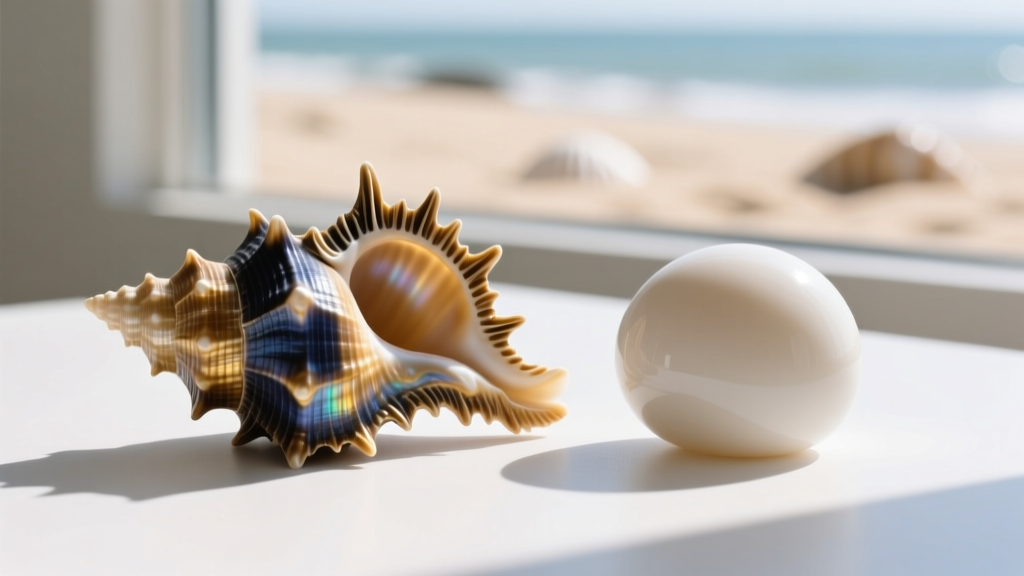
Comparison Chart: Genuine Puka vs. Imitation
| Feature | Genuine Hawaiian Puka | Mass-Market Imitation |
|---|---|---|
| Origin Material | Conus miliaris (Cone Snail) | Other shells, plastic, or resin |
| Hole Formation | Natural, asymmetrical, off-center | Machine-drilled, perfectly centered |
| Profile Shape | Convex on one side, concave on the other | Uniformly flat or perfectly tubular |
| Edge Texture | Slightly jagged or uneven inner rims | Smooth, sanded, or molded edges |
| Mohs Hardness | 3.5 (Susceptible to acids) | Varies (Plastic melts under heat) |
The 2026 Trend Cycle: Why Puka is Dominating High Fashion
The puka shell necklace meaning has evolved in 2026 from a nostalgic novelty into a cornerstone of the "elevated coastal" and "quiet luxury surf" aesthetics. The current trend cycle rejects the flimsy, elastic-strung tourist shop necklaces of the past. Instead, contemporary jewelry designers are treating authentic puka shells with the same reverence as turquoise or lapis lazuli.
This season's runways and boutique collections feature puka shells interspersed with 14k recycled gold vermeil spacers, ethically sourced Sleeping Beauty turquoise, and microscopic diamond pavé clasps. The modern interpretation focuses on contrast: the raw, matte, organic texture of the shell playing against the high-polish, reflective surface of precious metals. This juxtaposition perfectly captures the 2026 consumer desire for jewelry that feels grounded in nature but engineered with luxury precision. Furthermore, the rise of "heirloom surf" jewelry means that high-grade, vintage 1970s puka necklaces are being restrung on durable, saltwater-resistant materials like titanium wire or marine-grade silk, ensuring they survive daily ocean exposure.
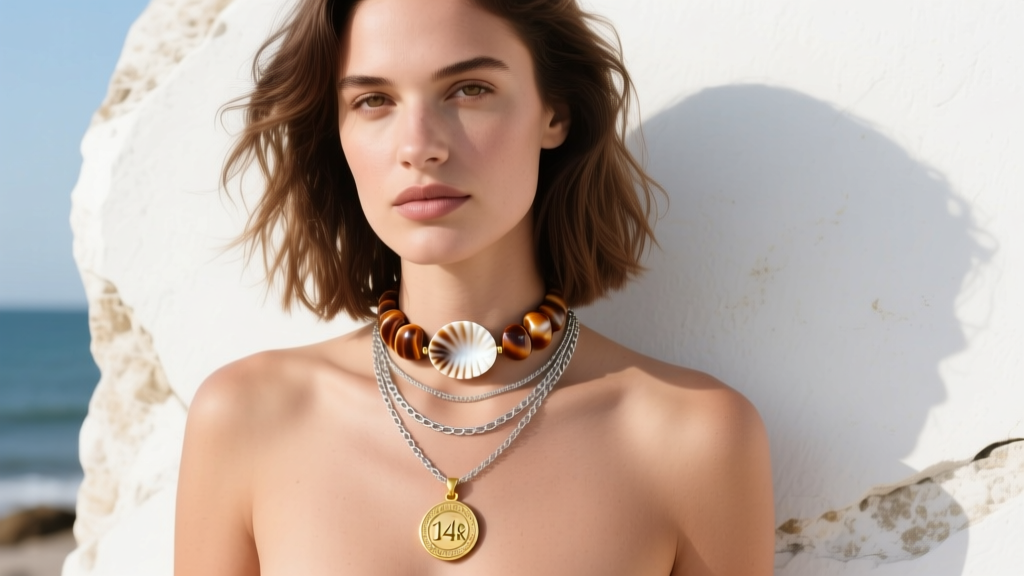
Pricing Guide: What to Pay for Real Puka in 2026
Valuing puka shell jewelry requires an understanding of bead diameter (measured in millimeters), provenance, and stringing materials. Here is the current market pricing framework for authentic pieces:
- Vintage 1970s Authentic (10mm - 12mm): $250 - $600. Highly sought after by collectors. These feature the deep, creamy patina that only decades of wear and natural skin oils can produce. Look for original hand-knotted macramé or vintage silver clasps.
- Modern Hand-Strung Authentic (8mm - 10mm): $90 - $180. Sourced from sustainable Hawaiian beaches and strung on durable nylon or silk. Often features a simple sterling silver or 14k gold-filled lobster clasp.
- Luxury Hybrid Designs (Mixed Media): $400 - $1,500+. High-end designers integrating genuine puka with solid 18k gold links, custom diamond-set bales, or rare gemstone accents. These are sold through fine jewelry boutiques rather than surf shops.
- The "Tourist Trap" Imitation: $15 - $35. Perfectly uniform, flat, and usually strung on cheap elastic. While fine for casual beachwear, these hold zero intrinsic or resale value and do not carry the true puka shell necklace meaning.
How to Style Puka Shells for Modern Necklines
Styling organic shell jewelry in 2026 requires a departure from the single, overwhelming choker look of the early 2000s. The modern approach relies on intentional layering and proportion balancing.
The 15-Inch Choker (8mm Shells): Best paired with deep V-necks, linen button-downs left unbuttoned at the collar, or off-the-shoulder knitwear. The choker draws the eye to the collarbone without competing with the garment's neckline. For a contemporary edge, layer the 15-inch puka choker with a 16-inch 2mm solid gold cable chain featuring a single, heavy geometric pendant.
The 18-Inch Princess Length (10mm Shells): The most versatile length. It sits perfectly over a crew-neck t-shirt or a lightweight cashmere sweater. To prevent the matte shells from looking too casual, introduce a pop of color by layering it with a strand of polished lapis lazuli or malachite beads of the exact same millimeter size.
The 24-Inch Matinee (12mm+ Statement Shells): Reserved for deep plunging necklines or worn over a simple, monochromatic turtleneck in the winter. The large, chunky shells provide a necessary textural break to heavy winter fabrics, proving that coastal jewelry is not strictly confined to summer months.
"The true puka shell necklace meaning is about respecting the ocean's timeline. When you wear a shell that took years to form and months to tumble in the surf, you are wearing a piece of natural history. Pairing that raw organic matter with a precision-cut 14k gold clasp is the ultimate expression of modern luxury."
— Elena Rostova, Lead Organic Gemologist at Coastal Heritage Fine Jewelry
Caring for Organic Shell Jewelry
Because authentic puka is an organic material composed primarily of calcium carbonate, it is highly susceptible to chemical damage. With a Mohs hardness rating of roughly 3.5, it is softer than quartz and dust, meaning it can easily scratch if stored improperly.
Never expose your puka necklace to chlorinated pool water, harsh sunscreens, or perfumes, as the acids and chemicals will dissolve the shell's natural luster, leaving it chalky and brittle. Ultrasonic cleaners, which are safe for diamonds and sapphires, will shatter or severely pit organic shells. To clean your necklace, simply wipe the shells with a soft, damp microfiber cloth soaked in distilled water. Once a year, you can condition the shells by rubbing them with a microscopic drop of pure jojoba oil, which mimics natural skin sebum and restores their creamy, iridescent glow. Always store your puka necklace flat in a velvet-lined box, separate from harder metal jewelry, to preserve the natural edges of the Conus miliaris for generations to come.


