Red Coral Multi Strand Necklace: 2026 Style & Trend Guide
Discover how to style and authenticate a red coral multi strand necklace in 2026. Explore trend forecasts, ethical sourcing, and neckline pairings.

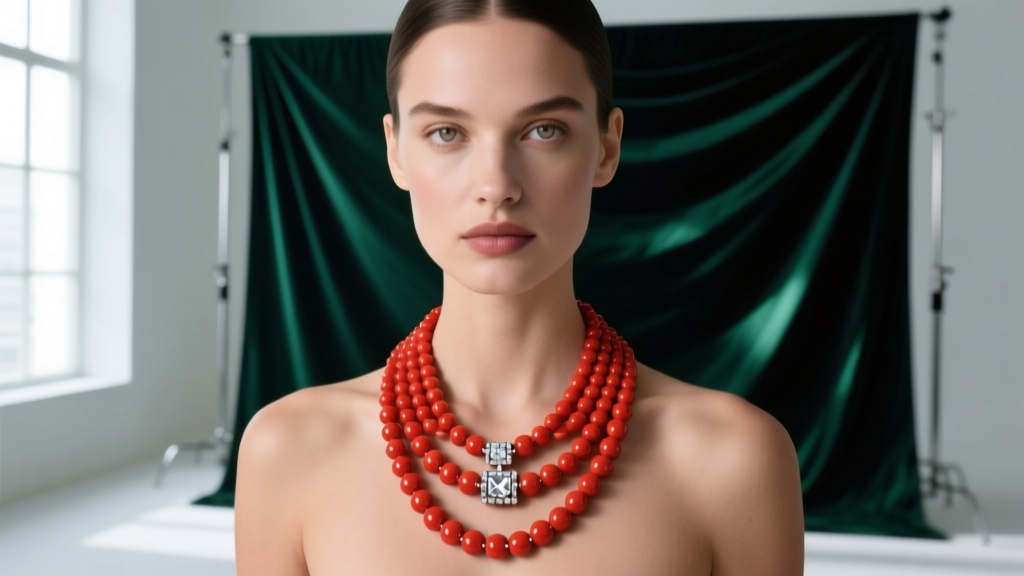
The 2026 Shift: Heritage Maximalism and the Return of Bold Coral
As the fashion pendulum swings away from the understated 'quiet luxury' movement that dominated the early 2020s, 2026 has ushered in an era of heritage maximalism. At the forefront of this opulent revival is the red coral multi strand necklace. Once considered a staple of mid-century matriarchs and vintage estate collections, these striking, voluminous pieces are now being recontextualized by contemporary stylists who appreciate their organic origins and unapologetic visual weight. Unlike the flat, uniform appearance of synthetic resins, genuine coral offers a depth of color—ranging from pale salmon to deep oxblood—that interacts dynamically with natural light. However, as demand surges, the market has been flooded with sophisticated imitations, making gemological literacy essential for the modern collector.
Gemological Breakdown: Authenticating Corallium Rubrum
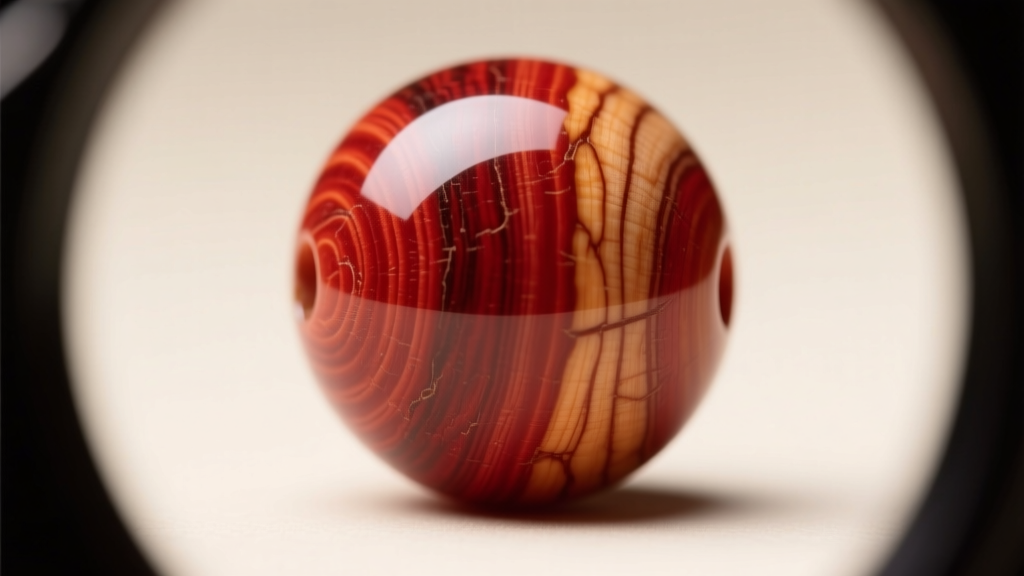
Genuine precious red coral, scientifically known as Corallium rubrum, is an organic gemstone formed by marine polyps in the dark, cold depths of the Mediterranean Sea and the Pacific Ocean. According to the Gemological Institute of America (GIA), precious coral possesses a specific gravity of 2.6 to 2.7 and a Mohs hardness of 3.5 to 4, making it relatively soft and susceptible to scratching. When evaluating a red coral multi strand necklace, the first step is visual inspection under a 10x jeweler's loupe.
Genuine coral exhibits a distinct, subtle wood-grain or striated pattern, alongside natural color zoning. Imitations, such as dyed howlite or glass, will appear completely homogenous or display unnatural dye concentrations in surface-reaching fractures. A standard gemological test involves swabbing an inconspicuous area of the bead with acetone; if the cotton swab picks up red pigment, the piece is likely dyed bamboo coral or howlite, as genuine precious coral is color-fast and will not bleed.
| Material | Hardness (Mohs) | Visual Traits Under 10x Loupe | Estimated Market Value (5-Strand) |
|---|---|---|---|
| Genuine Mediterranean Coral | 3.5 - 4.0 | Wood-grain striations, natural color zoning, no dye bleed | $8,000 - $25,000+ |
| Dyed Bamboo Coral | 3.0 - 4.0 | Uniform color, dye pooling in cracks, lacks radial structure | $150 - $450 |
| Dyed Howlite | 3.5 | Greyish matrix visible beneath dye, no wood-grain texture | $80 - $200 |
| Glass / Resin | 5.5 (Glass) | Bubbles (glass), mold lines (resin), completely opaque/homogenous | $20 - $100 |
Structural Engineering of Multi-Strand Necklaces
The allure of a multi-strand necklace lies in its drape and volume, but a 5-to-7 strand coral piece can easily weigh between 120 and 250 grams. This immense weight dictates strict requirements for the necklace's structural hardware. A standard lobster claw or spring-ring clasp will inevitably fail under this load, leading to catastrophic strand breakage and loss of the gemstones.
Wire vs. Silk Stringing
Historically, high-end coral necklaces were knotted on heavy silk cord. While traditional, silk stretches over time, sags, and is highly susceptible to moisture degradation and rot. In 2026, master jewelers construct premium multi-strand coral pieces using 49-strand, nylon-coated stainless steel beading wire (such as SoftFlex in a 0.024-inch diameter). This material offers the fluid drape of silk but provides the tensile strength required to support heavy organic gems without stretching or snapping.
Clasp Load-Bearing Mechanics
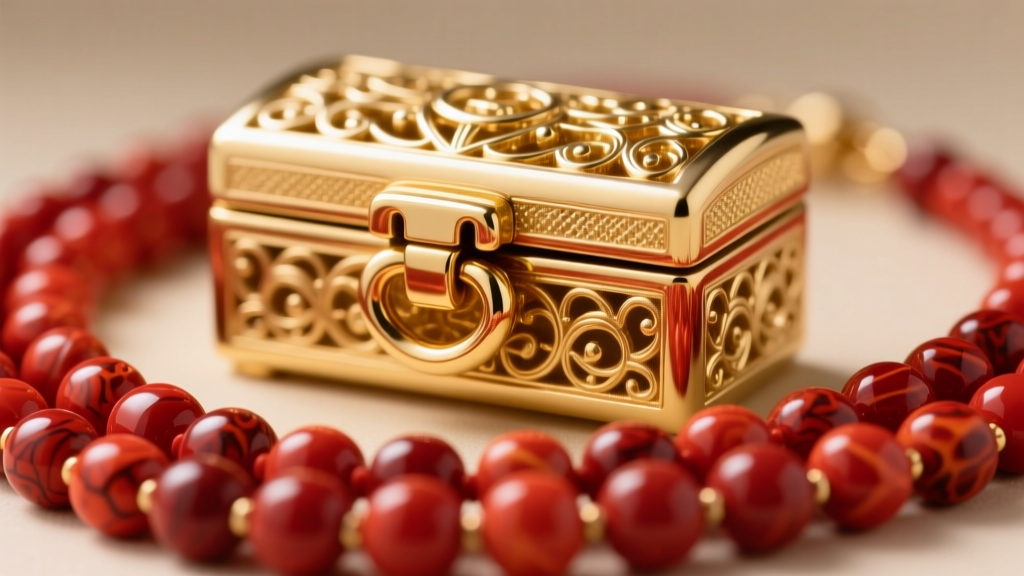
The clasp on a red coral multi strand necklace is not merely a decorative element; it is a critical load-bearing joint. The industry standard for heavy multi-strand pieces is the tongue-in-groove box clasp or a multi-ring barrel clasp. Crucially, these clasps must be equipped with secondary security features, such as figure-eight safety catches or side-latch guards, which prevent the necklace from falling off if the primary tongue mechanism is accidentally compressed or jarred. When inspecting a vintage piece, always check the solder joints where the jump rings meet the clasp; fatigue cracks here are the most common point of structural failure.
2026 Silhouette Pairings and Styling Frameworks
Styling a voluminous red coral multi strand necklace requires a strategic approach to necklines to avoid visual clutter and ensure the piece remains the focal point. The 2026 styling framework prioritizes negative space and contrasting textures.
- The Deep V-Neck & Plunging Necklines: A graduated 5-strand necklace perfectly echoes the geometry of a deep V-neck silk blouse or wrap dress. The coral beads should sit roughly one inch above the fabric's edge to prevent friction, which can dull the coral's polish.
- The Off-The-Shoulder & Bateau: Pairing a shorter, choker-style 3-strand coral necklace with an off-the-shoulder cashmere sweater creates a striking textural contrast between the matte wool and the high-polish organic gemstone.
- Collars and Turtlenecks (Avoid): High necklines compete directly with the volume of a multi-strand piece. Furthermore, the friction from heavy wool or stiff cotton collars will micro-scratch the coral's relatively soft surface over time.
- Metal Mixing: While yellow gold has historically been the default pairing for red coral, 2026 trends heavily favor mixing coral with brushed platinum or oxidized silver settings for a modernized, avant-garde aesthetic.
The Ethical Imperative: CITES and Estate Sourcing
Perhaps the most critical aspect of acquiring a red coral multi strand necklace today is navigating the complex environmental and legal landscape. Due to overharvesting and climate-induced ocean acidification, deep-sea coral populations have been severely depleted. The Convention on International Trade in Endangered Species (CITES) heavily regulates the trade of Corallium rubrum. Many countries have enacted outright bans on the harvesting and export of raw Mediterranean coral.
For the ethical consumer in 2026, the most responsible avenue for acquisition is the estate and vintage market. Purchasing pre-owned, mid-century coral jewelry circulates existing materials without contributing to modern marine ecosystem degradation. When buying vintage, request documentation of provenance or original appraisals dating prior to the strictest CITES enactments. If purchasing newly harvested coral, insist on CITES export permits and verify that the coral was sourced from heavily regulated, sustainable quotas, such as those occasionally permitted in specific Pacific regions, though these are rare and command a massive premium.
Investment Value and Market Pricing
The market for genuine red coral multi strand necklaces has bifurcated. On one end, mass-produced strands of dyed bamboo coral dominate the fast-fashion jewelry sector, retailing for under $300. On the other end, investment-grade, untreated Mediterranean 'oxblood' coral necklaces from the 1950s and 1960s—particularly those featuring matching barrel clasps and signed by heritage houses like Ascione or Torlo—are seeing aggressive appreciation at auction houses.
A high-quality, vintage 5-strand oxblood coral necklace with beads measuring 6mm to 8mm in diameter currently trades between $12,000 and $35,000, depending on color saturation and the absence of calcite inclusions. As marine protections tighten globally, the finite supply of antique precious coral ensures that well-maintained, structurally sound multi-strand pieces will continue to function as both striking sartorial statements and tangible alternative assets.
Expert Tip: Never expose your red coral necklace to perfumes, hairsprays, or acidic skin environments. Coral is calcium carbonate; it will react with acids, losing its polish and developing a chalky, white patina. Always put your coral on after applying cosmetics, and wipe it gently with a soft, damp microfiber cloth before returning it to a soft-lined jewelry box.


