How to Assess Mala Necklace Value: Pricing and Materials
Discover how to assess mala necklace value. Learn pricing tiers, spot fake beads, and evaluate hand-knotting craftsmanship before you buy.

The Anatomy of a High-Value Mala Necklace
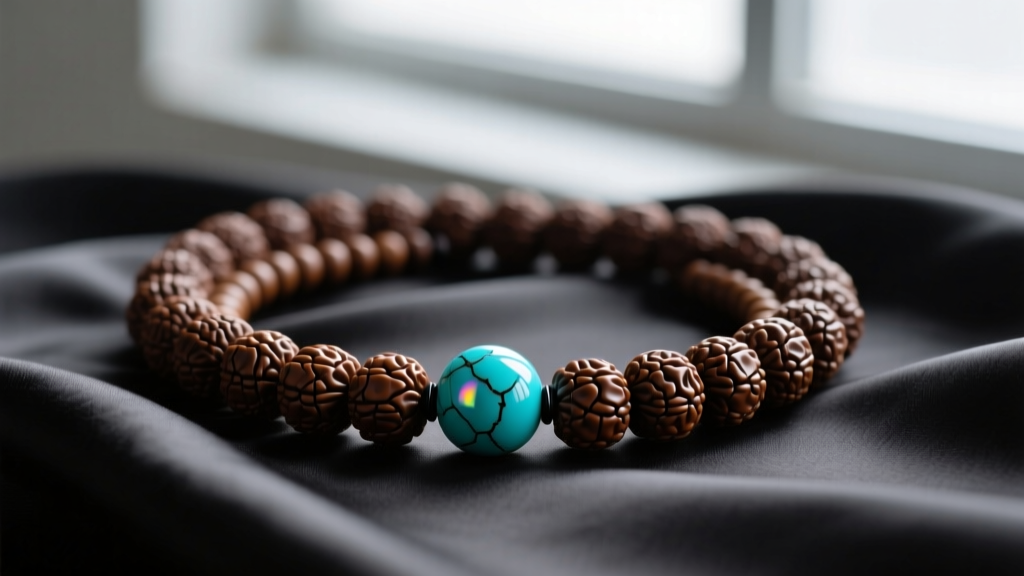
A traditional mala necklace is far more than a simple strand of beads; it is a precision-crafted meditation tool and a piece of wearable heritage. Originating in ancient India, the standard mala consists of 108 counting beads, one larger 'guru' or 'Meru' bead, and a tassel. When evaluating a mala necklace in the current 2026 market, understanding the anatomy is your first step in separating genuine artisan craftsmanship from mass-produced costume jewelry.
The 108 beads represent spiritual completion, while the guru bead marks the beginning and end of a Japa (mantra) cycle. High-value malas feature a guru bead that is distinctly larger and often made from a contrasting, premium material like turquoise, lapis lazuli, or carved bone. The tassel, traditionally made from the excess silk cord used to string the beads, should be tightly bound and evenly trimmed. If a mala uses a glued-on synthetic tassel or a metal jump ring to attach the pendant, its value drops significantly from a traditional standpoint.
Material Grades and Pricing Tiers
The core driver of a mala necklace's price is the material. Beads typically range from 6mm to 10mm in diameter. Smaller beads (6mm) require more precision to drill and knot, often commanding a higher labor cost despite using less raw material. Below is a breakdown of the most common materials and how to assess their true market value.
| Material | Grade / Origin | Typical Price Range | Key Value Indicators |
|---|---|---|---|
| Rudraksha Seeds | 5 Mukhi (Standard) | $25 - $60 | Uniform size, natural clefts, sink in water |
| Rudraksha Seeds | 1 Mukhi (Collector) | $800 - $2,500+ | X-ray verified, certified origin, rare cleft |
| Sandalwood | Mysore (Indian) | $90 - $250 | High oil content, rich aroma, darkens with age |
| Sandalwood | Australian | $30 - $70 | Lighter scent, paler wood, less oil residue |
| Gemstones | Semi-Precious (e.g., Lapis) | $80 - $180 | Untreated, natural matrix, hand-drilled holes |
According to the Gemological Institute of America (GIA), the treatment of gemstones drastically affects their value. A mala made from dyed howlite masquerading as turquoise is worth less than $20, whereas a genuine, untreated sleeping beauty turquoise mala can easily exceed $400. Always ask vendors for disclosure on gemstone treatments, specifically dyeing and stabilization.
Craftsmanship: Hand-Knotted vs. Machine-Strung
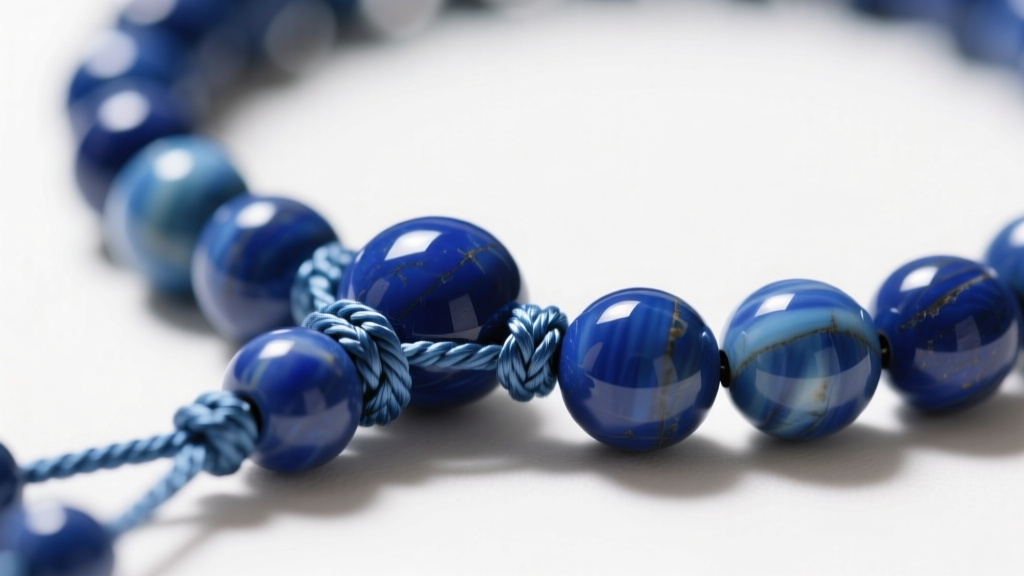
If materials are the soul of a mala necklace, the stringing technique is its spine. Authentic, high-value malas are hand-knotted using traditional macrame techniques. A skilled artisan uses high-grade silk or durable nylon cord (typically 0.8mm to 1.0mm in gauge) to tie a microscopic knot between every single bead. This process takes between 6 to 10 hours per necklace.
The Tactile and Durability Advantage
Why does knotting matter for value? First, it provides tactile feedback. As outlined by meditation experts at Yoga Journal, the knot between beads allows the practitioner's thumb to 'click' over each bead smoothly without the beads clumping together. Second, it ensures durability. If a machine-strung mala (which uses elastic or a single wire) snaps, all 108 beads scatter and are lost. If a hand-knotted silk mala breaks, only the bead at the break point is compromised.
'A genuine hand-knotted mala feels fluid, like water slipping through your fingers. Machine-strung beads feel rigid, stiff, and lack the energetic flow required for deep Japa meditation.' — Artisan Stringer, Jaipur
To test the craftsmanship, gently pull the mala taut. The knots should be uniform in size, sitting flush against the bead holes without fraying. If you see glue residue near the guru bead or the tassel, it is a hallmark of rushed, low-value manufacturing.
How to Spot Fake Beads and Overpriced Fads
As the wellness jewelry market matures, so do the methods used to counterfeit premium materials. Assessing value requires a skeptical eye and a few practical tests.
The Rudraksha Water and Magnification Tests
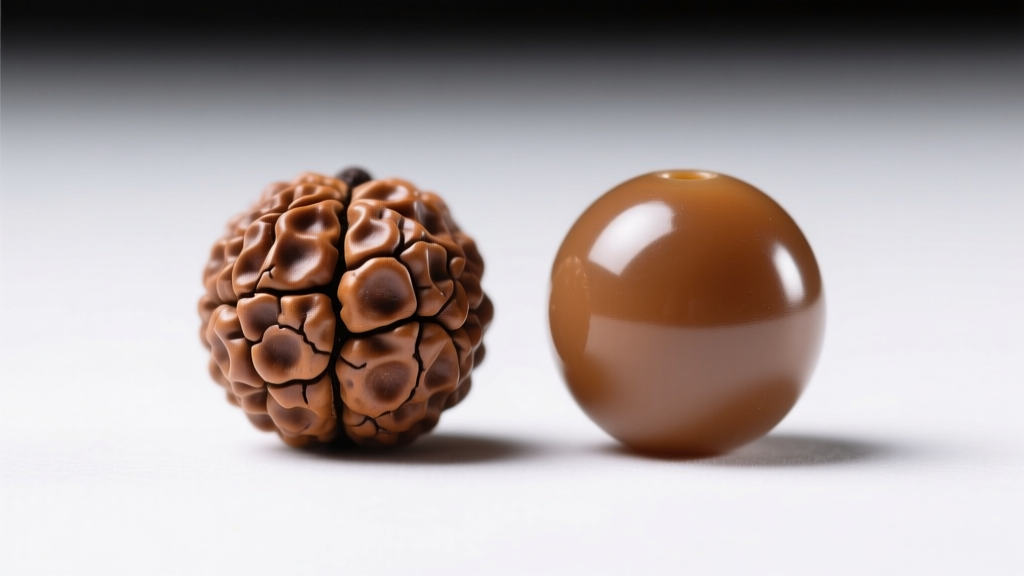
Rudraksha (Elaeocarpus ganitrus) is the most counterfeited mala material. Unscrupulous sellers carve extra 'mukhis' (faces/clefts) into standard 5-mukhi seeds to sell them as rare 1-mukhi or 8-mukhi variants, which command massive premiums.
- The Water Test: Drop the bead in a glass of water. A genuine, mature rudraksha seed will sink to the bottom due to its density. Immature or hollowed-out fakes may float. (Note: Some high-density plastic fakes also sink, so this is not a standalone test).
- The Magnification Test: Use a 10x jeweler's loupe. Natural clefts have jagged, organic edges and deep, uneven grooves. Carved fakes will show smooth, tool-marked lines and uniform depth.
- The Copper Coin Myth: Ignore the internet myth that a real rudraksha will spin between two copper coins. This is a parlor trick based on magnetism and friction, not botanical authenticity.
Spotting Dyed and Stabilized Wood
Genuine Mysore sandalwood contains natural oils that give it a distinct, warm, woody aroma that lasts for decades. Counterfeit 'sandalwood' malas are often made from cheap pine or boxwood, soaked in synthetic sandalwood perfume, and dyed brown. To assess value, rub the bead vigorously between your palms. Real sandalwood will release a subtle, natural oil and scent. Fake wood will smell sharply of alcohol or synthetic perfume, and the dye may transfer to your skin.
Final Verdict: Where to Invest Your Budget
When budgeting for a mala necklace, prioritize craftsmanship and ethical sourcing over sheer bead size. A beautifully hand-knotted 6mm lapis lazuli mala holds its structural and spiritual value far better than a poorly strung 10mm bead necklace that will snap within a month.
For budgets under $50, look for ethically sourced 5-mukhi rudraksha or natural Bodhi seed malas with verified hand-knotting. If your budget allows for $100 to $200, you enter the tier of premium semi-precious gemstones and authentic, unadulterated Indian sandalwood. By understanding the intricate details of bead grading, knotting techniques, and material origins, you can confidently invest in a mala necklace that offers both enduring beauty and authentic spiritual utility.


