The Ultimate Maori Necklace Gift Guide: Meanings & Occasions
Discover the perfect Maori necklace for every milestone. Learn pounamu grades, carving meanings like Koru and Hei Matau, and authentic gifting etiquette.

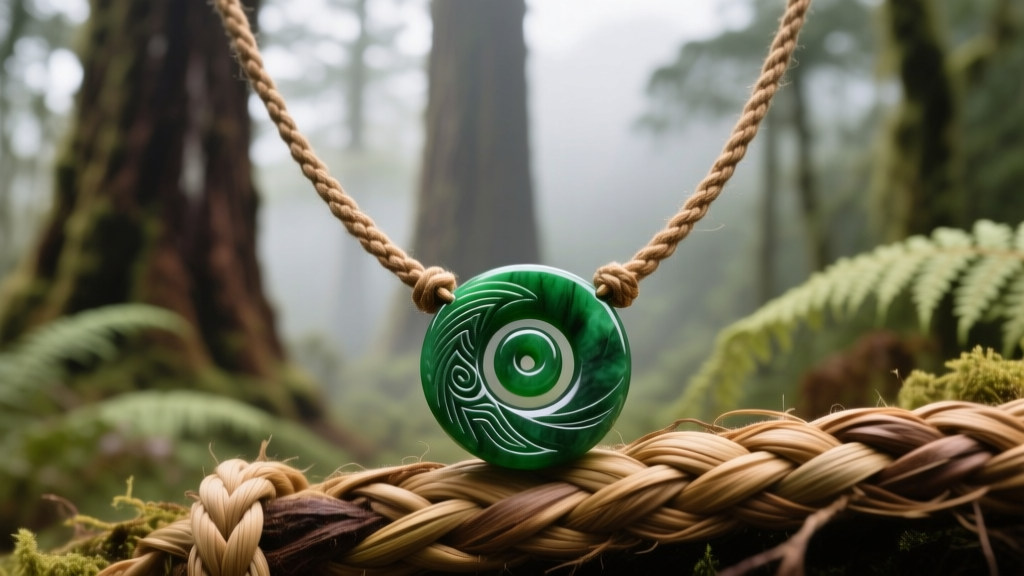
Gifting jewelry is always a deeply personal act, but presenting a Maori necklace elevates the gesture into the realm of the sacred. In Aotearoa (New Zealand), these carvings are not mere accessories; they are taonga (treasures) imbued with mana (spiritual power), history, and profound cultural significance. Whether you are celebrating a graduation, marking a new career milestone, or honoring an eternal bond, choosing the right Maori pendant requires an understanding of its symbolism, material grade, and the cultural etiquette surrounding its exchange.
As we navigate the jewelry landscape in 2026, buyers are increasingly prioritizing ethical sourcing and cultural authenticity over mass-produced souvenirs. This comprehensive guide will decode the intricate world of Maori necklaces, ensuring your gift is both culturally respectful and perfectly matched to the recipient's life chapter.
The Sacred Rule of Gifting Pounamu
Before selecting a specific carving, you must understand the foundational etiquette of Maori jewelry. According to long-standing tradition, pounamu (New Zealand greenstone/jade) should never be purchased for oneself. It is believed that the stone possesses its own spirit and must be gifted to establish a spiritual bond between the giver, the receiver, and the stone itself.
"When you give pounamu, you are not just giving a stone; you are giving a piece of the earth, a carrier of memories, and a guardian for the one who wears it." — Traditional Ngāi Tahu wisdom.
If you are buying a Maori necklace for yourself, the cultural workaround is to have a friend or family member "gift" it to you, even if you foot the bill. However, for genuine milestone gifting—birthdays, anniversaries, or farewells—you are participating in a beautiful, unbroken lineage of exchange.
Decoding Carvings: Matching Symbol to Occasion
Every shape carved into a Maori necklace tells a specific story. Selecting the wrong symbol for an occasion can dilute the impact of your gift. Below is a definitive framework for matching the carving to the recipient's current life phase.
| Symbol Name | Visual Description | Core Meaning | Ideal Gifting Occasion |
|---|---|---|---|
| Koru | Unfurling fern frond spiral | New life, growth, peace | Births, graduations, new jobs, fresh starts |
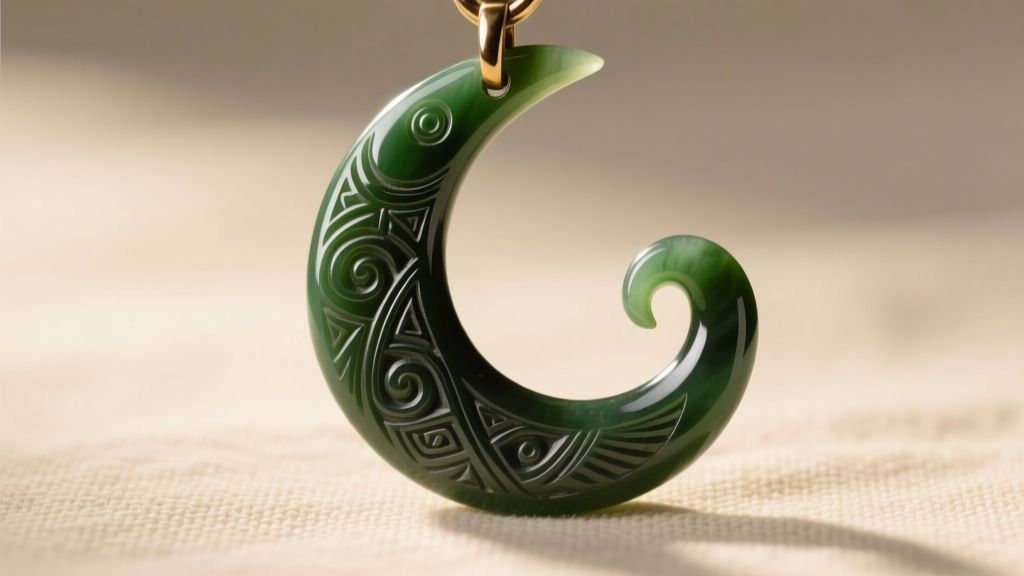
| Hei Matau | Stylized fish hook | Prosperity, safe travel, strength | Retirements, moving abroad, career promotions |
| Pikorua | Single, double, or triple twist | Eternal bond, friendship, loyalty | Weddings, anniversaries, deep friendships |
| Manaia | Bird-headed mythological guardian | Protection, spiritual guidance | Overcoming illness, protection for a child |
| Toki | Adze (chisel) blade shape | Authority, determination, courage | Leadership roles, academic achievements |
The Koru: Celebrating New Beginnings
The Koru is arguably the most recognized Maori motif, inspired by the unfurling frond of the native silver fern. It represents the cyclical nature of life and the promise of new beginnings. If you are gifting a Maori necklace to a recent university graduate or a friend starting a new business, the Koru is the undisputed choice. Opt for a compact, tightly wound Koru (roughly 25mm to 30mm in diameter) for a subtle, everyday piece.
The Hei Matau: Prosperity and Safe Travels
Historically, the fish hook was vital for survival, making the Hei Matau a powerful talisman for prosperity and safe passage over water. In a modern context, it is the ultimate gift for someone embarking on a gap year, relocating internationally, or retiring to a life of travel. According to the Te Ara Encyclopedia of New Zealand, the Hei Matau also signifies a deep respect for the ocean and the sustenance it provides, making it highly appropriate for marine biologists, sailors, or environmental advocates.
Material Grades: Choosing the Right Pounamu
Not all greenstone is created equal. Pounamu is primarily nephrite jade, rating between 6 and 6.5 on the Mohs hardness scale, making it incredibly durable for daily wear. However, the visual grading drastically affects both the aesthetic and the price point of the necklace.
- Kawakawa: The most common and accessible grade. It features a rich, dark forest green color, often with small black inclusions (chromite spots). Price Range: $60 - $180. Ideal for robust, everyday carvings like the Toki.
- Inanga: Named after the native whitebait fish, this stone is pale, opaque, and ranges from grey-green to a milky blue. It has a highly prized, waxy luster. Price Range: $150 - $400. Perfect for intricate designs like the Pikorua where the twist details need contrast.
- Kahurangi: The rarest and most highly prized nephrite. It is a vivid, translucent apple-green with zero inclusions. Price Range: $400 - $1,500+. Reserved for milestone heirloom gifts, such as a 50th wedding anniversary.
- Tangiwai: Actually a form of bowenite rather than nephrite, Tangiwai is highly translucent and glass-like. It is more fragile than nephrite and is usually carved into simpler, smoother shapes. Price Range: $100 - $300.
Bone and Wood: Authentic Alternatives to Jade
If pounamu falls outside your budget, or if the recipient prefers organic, lightweight materials, traditional Maori carvers also work with bone and ancient wood.
Whale Bone: Authentic Maori bone carvings are not made from commercially hunted whales. Under strict New Zealand law, carvers only use bone from whales that have naturally stranded and died on the coastline. As the bone ages and absorbs the natural oils from the wearer's skin, it transitions from a stark white to a beautiful, warm honey-amber color. This makes a bone Maori necklace a highly intimate, evolving gift.
Ancient Kauri Wood: Sourced from swamp-preserved Kauri trees that have been buried for up to 50,000 years, this wood features stunning, iridescent grain patterns. It is incredibly lightweight and warm to the touch, making it an excellent option for older recipients who may find heavy stone pendants uncomfortable on the cervical spine.
Cord Selection and Sizing for the Perfect Fit
The cord is just as critical as the pendant. A poorly chosen cord can detract from the carving and cause premature wear on the drill hole.
Traditional Plaited Harakeke (Flax)
Hand-plaited harakeke cords are stunning and deeply traditional. However, natural flax is susceptible to moisture degradation. If the recipient is an avid swimmer or lives in a highly humid climate, advise them to remove a flax-corded necklace before entering the water to prevent the fibers from rotting.
Modern Waxed Cotton with Sliding Knots
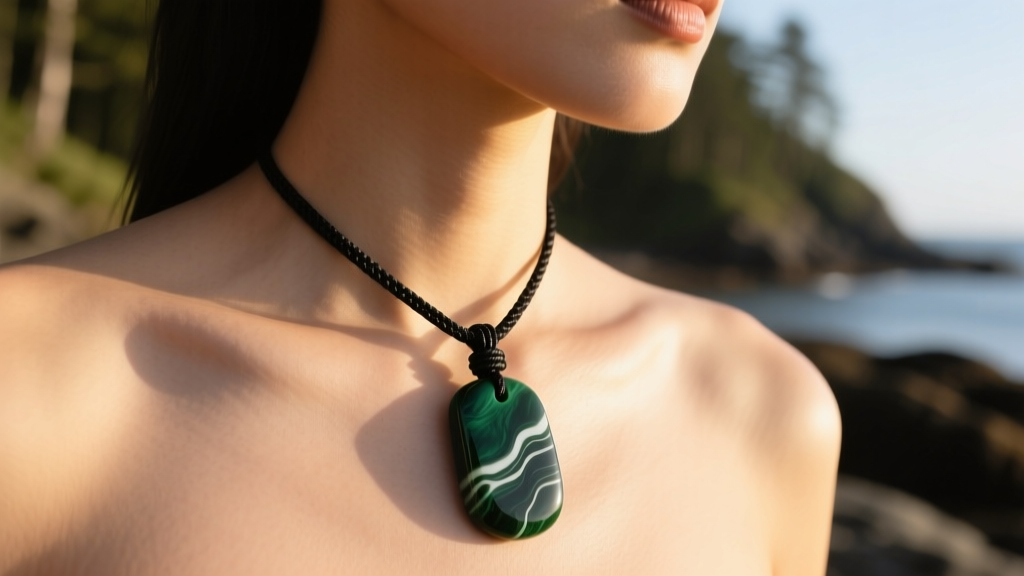
For a practical, 2026-ready approach, high-grade waxed cotton cords (usually 1.5mm to 2mm in thickness) are the industry standard. They are waterproof, incredibly strong, and allow for adjustable sliding macramé knots. This eliminates the guesswork of sizing. The wearer can adjust the pendant to sit as a 40cm choker or drop it to a 55cm sternum length depending on their neckline.
Authenticity and Ethical Sourcing
The global market is unfortunately flooded with mass-produced, machine-carved "Maori" pendants made from Canadian jade or serpentine, often carved overseas. To ensure your gift holds genuine cultural and material value, you must verify its provenance.
Look for the Ngāi Tahu Pounamu Authenticity Mark. The Ngāi Tahu iwi (tribe) are the recognized guardians (kaitiaki) of pounamu in the South Island. As detailed by Ngāi Tahu Pounamu management, every authentic piece of legally harvested South Island pounamu can be traced back to its specific riverbed or boulder. Reputable jewelers will provide a certificate of authenticity and a unique traceability code that tells the buyer exactly where the stone was sourced and the name of the master carver.
The Buyer's Checklist for 2026
- Verify the Stone: Ensure it is NZ Pounamu (Nephrite/Bowenite), not foreign jade or dyed serpentine.
- Check the Carver: Look for pieces signed or attributed to recognized New Zealand-based carvers.
- Inspect the Drill Hole: Hand-carved pendants feature smooth, polished drill holes. Rough or jagged holes indicate mass machine production and will eventually saw through the cord.
- Evaluate the Finish: Authentic pieces are hand-polished using progressive diamond pastes up to 14,000 grit, resulting in a deep, wet-looking luster that feels like smooth glass.
Conclusion: A Gift That Outlasts Generations
A Maori necklace is far more than a fleeting fashion trend; it is a wearable narrative. By taking the time to understand the distinction between a Koru and a Hei Matau, recognizing the visual grades of Kawakawa and Kahurangi, and insisting on ethical Ngāi Tahu traceability, you are participating in a profound cultural exchange. When you place that carved taonga around the neck of your loved one, you are not just giving them a beautiful piece of jewelry—you are gifting them a guardian, a piece of Aotearoa's ancient earth, and a story they will carry for the rest of their lives.


