Marine Chain Necklace Value Guide: 2026 Pricing & Quality
Discover the true value of a marine chain necklace in 2026. Compare pricing tiers, metal weights, and quality markers to make a smart jewelry investment.

The Anatomy of a Marine Chain Necklace: What You Are Actually Paying For
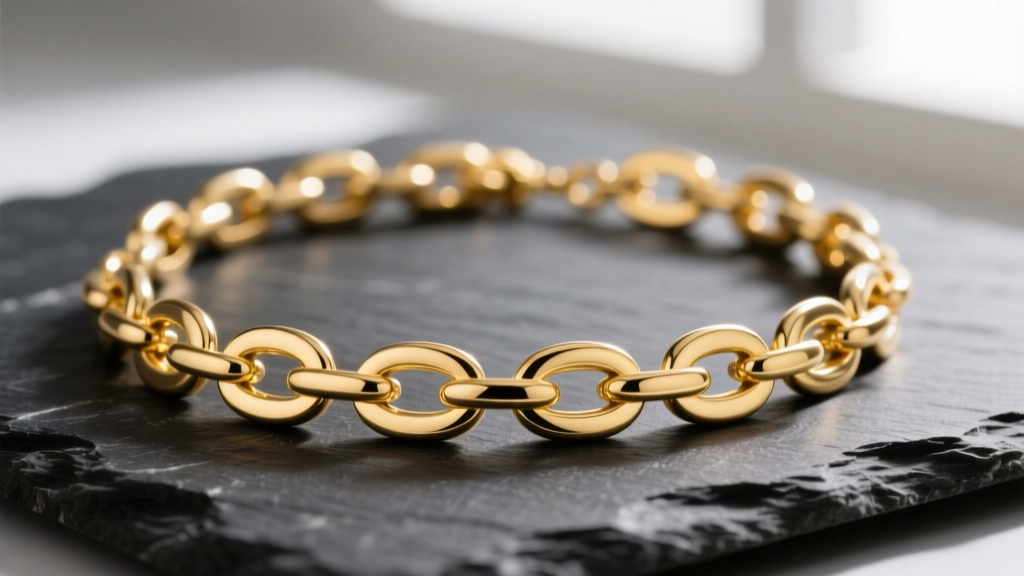
When evaluating jewelry investments, understanding the physical architecture of the piece is the first step in assessing its true market value. The marine chain necklace—often referred to interchangeably as an anchor or mariner chain—is defined by its distinct oval links intersected by a vertical center bar. This crossbar is not merely an aesthetic choice; it fundamentally alters the chain's structural integrity, weight, and manufacturing cost.
Unlike a standard cable chain, which consists of simple interlocking oval or round links, the marine chain requires additional soldering points and more raw metal per linear inch. In 2026, with precious metal markets experiencing sustained volatility, the premium you pay for a marine chain necklace is directly tied to the volume of metal used and the precision of the soldering at the center crossbar. A poorly soldered crossbar will catch on clothing and eventually snap, while a seamlessly integrated spoke ensures the chain can withstand significant tensile stress.
Material Tiers and 2026 Market Pricing
To accurately budget for a marine chain necklace, you must look beyond the karat stamp and understand the baseline pricing tiers. The market is currently saturated with visually similar chains that vary wildly in intrinsic value. Below is a breakdown of what you should expect to pay for a standard 20-inch, 5mm marine chain across different material grades in the current market.
| Material Grade | Average Weight (20-inch, 5mm) | 2026 Price Range (USD) | Value Retention |
|---|---|---|---|
| 316L Stainless Steel | 25 - 35 grams | $35 - $90 | Low (Fashion/Utility) |
| Sterling Silver (925) | 22 - 30 grams | $110 - $280 | Moderate (Scrap + Craft) |
| 10k Solid Gold | 18 - 25 grams | $450 - $850 | High (Melt Value) |
| 14k Solid Gold | 18 - 25 grams | $750 - $1,600 | Very High (Melt + Resale) |
| 18k Solid Gold | 20 - 28 grams | $1,200 - $2,800+ | Excellent (Premium Melt) |
For buyers prioritizing durability on a strict budget, 316L surgical stainless steel is the undisputed champion. As noted in Halstead Bead metallurgical guides, 316L steel contains molybdenum, which drastically increases resistance to chloride corrosion, making it ideal for daily wear and exposure to sweat or saltwater. However, if your goal is wealth preservation and intrinsic value, solid gold remains the only logical choice.
The Hollow vs. Solid Gold Trap
The most critical value assessment you will make when shopping for a gold marine chain necklace is determining whether the links are solid or hollow. In 2026, manufacturers are increasingly utilizing electroforming techniques to create hollow gold chains. This process allows them to produce a visually massive 10mm marine chain that weighs the same as a delicate 3mm solid chain.
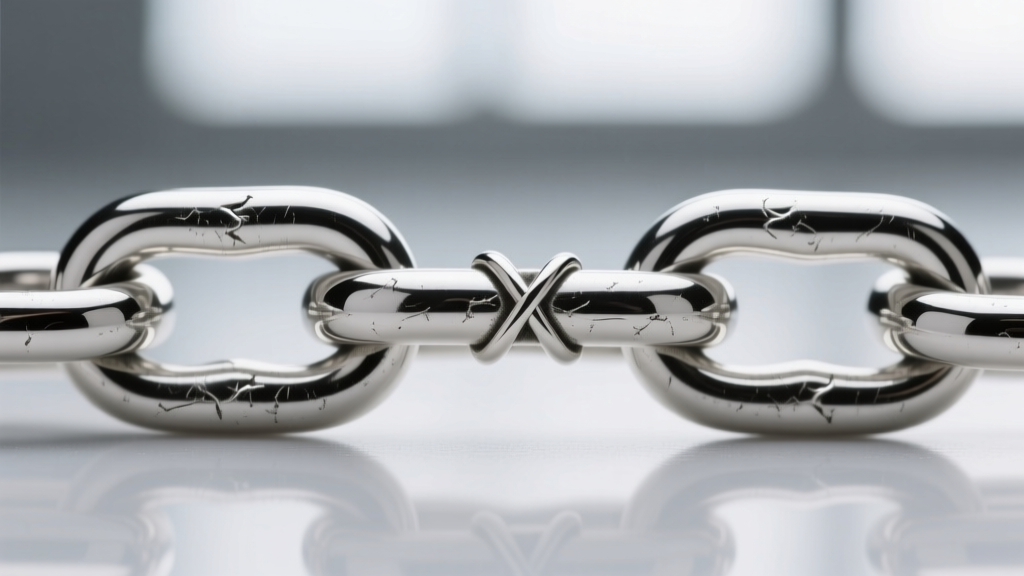
Why this destroys value: While a hollow marine chain necklace offers a bold look for a fraction of the gold weight, the center crossbar becomes a catastrophic failure point. Because the metal is essentially a thin shell, pressure on the crossbar will cause it to dent inward or pop out of its solder joints. Once a hollow marine link is crushed, it is nearly impossible for a bench jeweler to repair without leaving visible scorch marks or structural weaknesses.
Expert Rule of Thumb: Always ask for the exact gram weight before purchasing. A genuine solid 14k gold marine chain at 5mm width and 20 inches in length should weigh no less than 16 grams. If the retailer lists the weight at 4 to 8 grams for those dimensions, you are looking at a hollow-manufactured chain and should negotiate the price strictly on melt value, not craftsmanship.
Sizing, Gauge, and Proportional Value
The width of the marine chain dictates not only its visual impact but also the type of clasp required and the overall manufacturing complexity. Value assessment requires matching the chain width to its intended use case.
- 3mm to 4mm (The Layering Tier): Ideal for wearing beneath unbuttoned collars or layering with longer pendants. At this gauge, the center crossbar is delicate. Value is best found in 14k gold or sterling silver, as the metal cost remains accessible while providing excellent tensile strength.
- 5mm to 7mm (The Standalone Tier): The sweet spot for a standalone marine chain necklace. This width provides enough surface area to showcase the interlocking anchor links without feeling overly heavy. This is where you should allocate the majority of your budget for a solid gold investment piece.
- 8mm to 12mm (The Statement Tier): At these widths, the chain becomes a heavy, dominant statement piece. The value proposition here shifts heavily toward 10k gold or high-grade stainless steel, as the sheer volume of metal required for 14k or 18k gold pushes the price into the thousands, often exceeding the resale value of the craftsmanship.
Hardware and Clasps: The Hidden Value Indicators
A common mistake in budget jewelry assessment is ignoring the hardware. The clasp on a marine chain necklace is the most vulnerable component, and manufacturers often cut costs here. The presence of a specific clasp type is a massive indicator of the chain's overall quality and true value.

Spring Ring vs. Lobster vs. Box Clasps
If you are evaluating a heavy marine chain (over 15 grams) and it is equipped with a standard spring ring clasp, walk away. Spring rings are mass-produced, hollow, and prone to spring failure. They severely bottleneck the value of an otherwise high-quality chain.
For chains weighing between 10 and 25 grams, a solid cast lobster clasp is the minimum acceptable standard. However, for premium marine chains weighing over 30 grams, a box clasp with a figure-eight safety wire is mandatory. According to Rio Grande jewelry supply standards, a box clasp distributes tension evenly across the jump ring, while the figure-eight safety provides a secondary mechanical lock. If a high-ticket marine chain lacks this safety mechanism, its long-term durability value is significantly compromised.
Final Verdict: How to Budget for Your Marine Chain
Assessing the budget and value of a marine chain necklace in 2026 requires a shift from purely aesthetic shopping to analytical purchasing. To ensure you are getting genuine value, follow this three-step framework:
- Verify the Gram Weight: Never buy a gold marine chain based solely on its millimeter width. Demand the exact gram weight and cross-reference it with current spot prices plus a reasonable manufacturing markup (typically 15% to 30% over melt for high-quality Italian or US-made chains).
- Inspect the Crossbar Soldering: Use a jeweler's loupe to examine the center bars. The solder joints should be flush, smooth, and free of pitting. As highlighted by the Gemological Institute of America (GIA), clean soldering is a hallmark of precision manufacturing and ensures the alloy's structural integrity is not compromised by excess heat.
- Audit the Hardware: Ensure the clasp is proportional to the chain's weight and includes a safety mechanism if the piece exceeds 25 grams.
By focusing on metallurgical density, hardware quality, and precise weight metrics, you can confidently navigate the market and secure a marine chain necklace that offers both enduring style and genuine financial value.


