Martha Calvo Necklace Metals: Bronze vs Gold Vermeil
Compare Martha Calvo necklace materials. We analyze cast bronze, 14k gold vermeil, and oxidized silver for durability, patina, and skin chemistry.

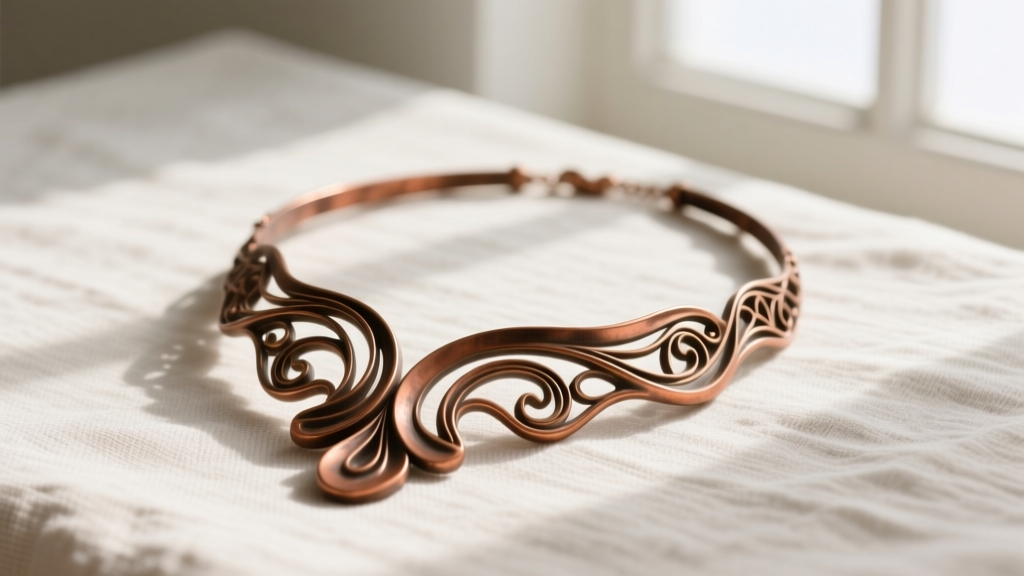
When investing in sculptural, talismanic jewelry, understanding the metallurgy behind the art is just as crucial as the aesthetic. A Martha Calvo necklace is renowned for its organic textures, lost-wax casting techniques, and heavy, statement-making silhouettes. However, the brand offers these intricate designs in vastly different metals—primarily cast bronze, 14k gold vermeil, and solid sterling silver. Each material behaves uniquely against the skin, ages differently over time, and requires specific care protocols.
In this comprehensive material comparison, we break down the exact properties, wearability, and long-term evolution of the metals used in Martha Calvo's collections, helping you choose the right alloy for your skin chemistry and lifestyle.
The Metallurgy of Sculptural Jewelry
Martha Calvo’s signature aesthetic relies heavily on the lost-wax casting method. This ancient technique allows for deep undercuts, high-relief textures, and organic imperfections that mimic natural elements like molten lava, tree bark, or celestial bodies. However, the choice of metal dictates how these textures hold up over years of friction and environmental exposure. The Vickers hardness (HV) of the base metal will determine how quickly high points on a pendant will smooth out, while the alloy's chemical reactivity will dictate its patina.
Cast Bronze: Composition, Patina, and Skin Chemistry
Bronze is an alloy consisting primarily of copper (typically 88%) and tin (12%). It is a favorite for artisan jewelers because it captures the finest details of a wax carving during the casting process and offers a beautiful, warm, earthy hue that complements raw gemstones and oxidized finishes.
The Patina Evolution
Unlike inert metals, bronze is a reactive alloy. When exposed to oxygen and moisture, it develops a patina. On a Martha Calvo necklace, this means the bright, gold-like shine of a new bronze pendant will gradually mellow into a deeper, richer, antique brown. This is a feature, not a flaw, as the darkening oxidized layers settle into the deep crevices of the textured metal, actually enhancing the sculptural contrast of the piece.
Skin Chemistry and the 'Green Skin' Phenomenon
The most common concern with bronze jewelry is the potential for a green or black mark on the skin. This is caused by a harmless chemical reaction between the copper in the bronze and the acids, salts, and lotions on your skin, creating copper chloride.
- Low pH (Acidic) Sweat: Individuals with highly acidic sweat will experience faster copper oxidation and more noticeable skin discoloration.
- Preventative Measures: To prevent this, wipe the back of the pendant with a soft cloth after wearing. For a permanent barrier, apply a thin coat of clear nail polish or a specialized jewelry shield to the areas that touch the skin.
14k Gold Vermeil: Micron Thickness and Texture Wear
For those who desire the look of solid gold without the exorbitant price tag, Martha Calvo frequently utilizes 14k gold vermeil. It is vital to understand the legal and structural definitions of vermeil to manage your expectations regarding longevity.
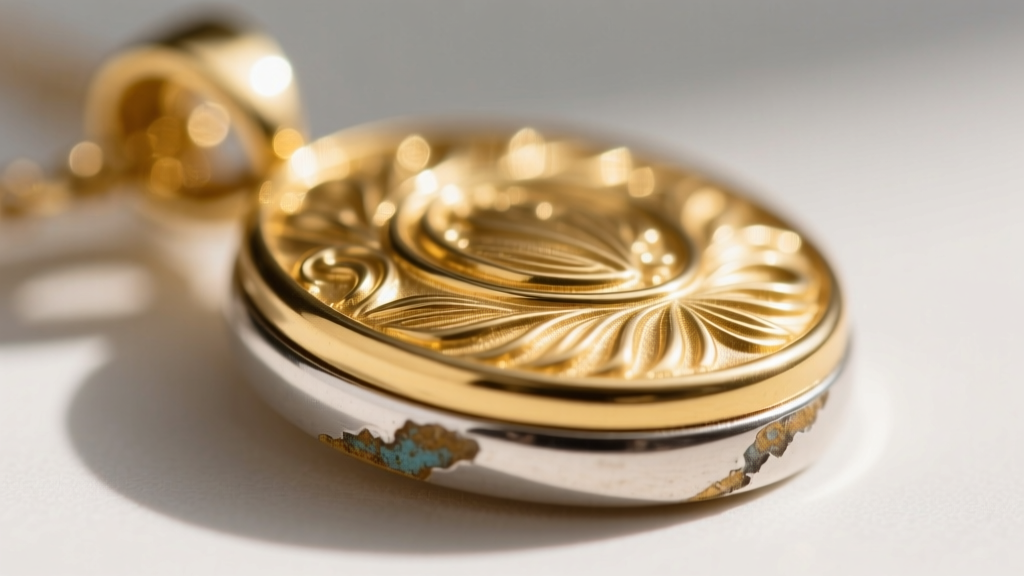
According to the Federal Trade Commission (FTC) Jewelry Guides, vermeil must consist of a sterling silver base coated with gold of at least 10k fineness, with a minimum thickness of 2.5 microns. This is substantially thicker than standard gold plating (which is often less than 0.5 microns).
High-Relief Wear Patterns
While 2.5 microns provides excellent longevity on smooth, flat surfaces, Martha Calvo's highly textured pendants present a unique wear challenge. The 'peaks' of the sculptural texture experience the most friction against clothing and skin. Over several years of daily wear, the gold layer on these high-relief points will eventually wear through, revealing the bright sterling silver beneath. Many collectors embrace this as a natural 'antiquing' effect, where the silver peaks contrast beautifully with the gold recesses.
Material Comparison Matrix
| Property | Cast Bronze | 14k Gold Vermeil | Solid Sterling Silver |
|---|---|---|---|
| Base Composition | 88% Copper, 12% Tin | Sterling Silver (92.5% Ag) | 92.5% Silver, 7.5% Copper |
| Surface Finish | Raw or sealed alloy | 2.5μm 14k Gold layer | Polished or oxidized |
| Weight (Relative) | Heaviest (Dense) | Medium | Medium-Heavy |
| Patina/Aging | Darkens, rich antique brown | Wears to silver on high points | Tarnishes black if unsealed |
| Skin Reactivity | High (Copper reaction) | Low (Hypoallergenic surface) | Low (Nickel-free) |
| Price Range (AUD) | $150 - $280 | $250 - $450 | $400 - $700+ |
Solid Sterling Silver and Intentional Oxidation
Martha Calvo also produces select pieces in solid sterling silver (Ag925). As noted by the Gemological Institute of America (GIA), pure silver is too soft for functional jewelry, which is why it is alloyed with 7.5% copper to add structural integrity.
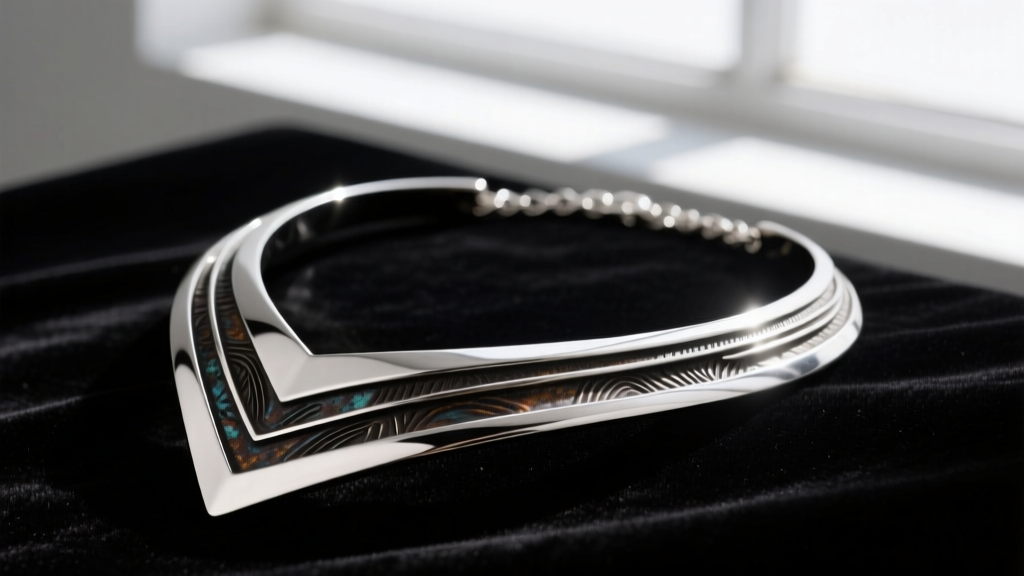
In many of her gothic or deeply textured collections, Calvo utilizes intentional oxidation. By exposing the finished silver piece to liver of sulfur (potassium sulfide), the metal is forced to tarnish rapidly, turning black. The jeweler then polishes only the high points of the texture, leaving the recesses dark. This creates a dramatic, high-contrast, three-dimensional effect that makes the sculptural elements pop. Unlike bronze patina, which happens naturally and unevenly, oxidized silver is a controlled, stable finish that requires minimal intervention.
Sizing, Weight, and Chain Mechanics
A critical, often overlooked aspect of material properties is tensile strength and weight distribution. Martha Calvo pendants are notoriously heavy due to their solid cast construction.
- Chain Gauge: A heavy bronze or silver pendant requires a robust chain. Look for cable or rolo chains with a wire thickness of at least 1.2mm to 1.5mm. Delicate chains (under 0.8mm) will eventually stretch or snap under the dynamic load of a heavy pendant.
- Clasp Integrity: Ensure the necklace features a sturdy lobster clasp rather than a spring-ring clasp, which can easily fail under the weight of sculptural metalwork.
- Bail Sizing: The bail (the loop connecting the pendant to the chain) on Calvo pieces is often integrated into the design. If you are swapping chains, ensure the end-cap of your chain can pass through the often narrow, organically shaped bail.
Expert Care Protocols by Material
To maximize the lifespan of your jewelry, tailor your maintenance to the specific alloy:
Bronze Care
Use a soft, dry microfiber cloth to wipe away skin oils after every wear. If the bronze becomes excessively dark or develops verdigris (green crust), clean it gently with a paste of baking soda and lemon juice, rinse thoroughly, and dry immediately. Avoid commercial liquid silver dips, as they can chemically damage the copper-tin matrix.
Vermeil Care
Never use abrasive polishing cloths (like treated Sunshine cloths) on gold vermeil. These cloths contain mild abrasives that will strip the 2.5-micron gold layer directly off the high points of the texture. Clean vermeil only with warm water, a drop of mild dish soap, and a soft-bristled baby toothbrush to reach into the textured crevices.
Oxidized Silver Care
Do not attempt to 'clean' the dark crevices of an intentionally oxidized piece. Ultrasonic cleaners and chemical dips will strip the intentional black patina, leaving the piece looking flat and washed out. Simply wipe the polished high points with a dry silver cloth to maintain the contrast.
By understanding the distinct metallurgical profiles of bronze, vermeil, and oxidized silver, you can confidently select a Martha Calvo necklace that aligns with your aesthetic preferences, skin chemistry, and willingness to embrace the natural aging process of artisan metals.


