Mastering the BreatheFree Necklace: A Step-by-Step Guide
Learn how to properly load, wear, and style your BreatheFree necklace. Our step-by-step guide covers material care, chain lengths, and oil safety.

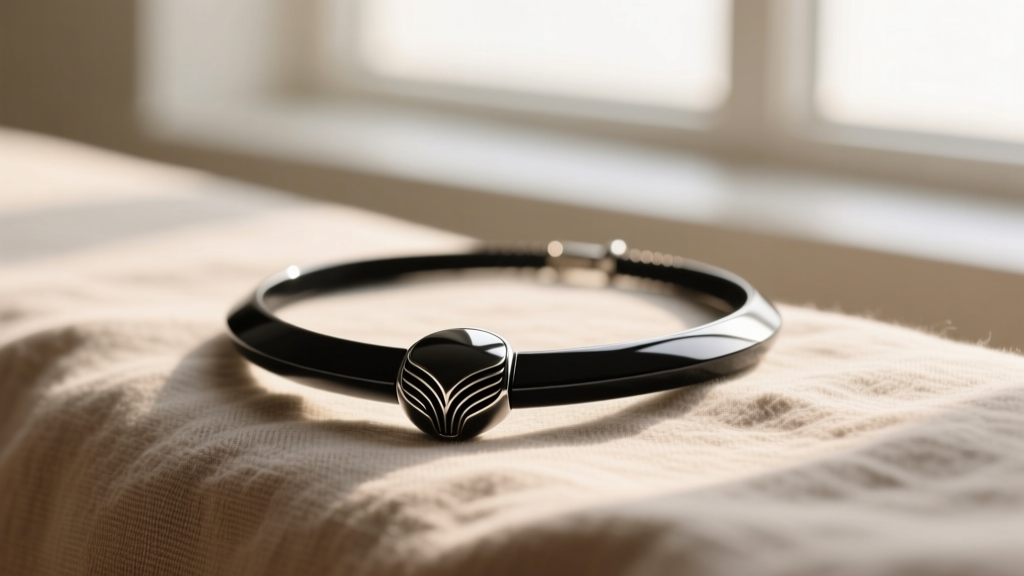
The Evolution of Functional Wellness Jewelry
In the landscape of 2026 jewelry trends, the line between adornment and holistic wellness has completely dissolved. The breathefree necklace stands at the forefront of this movement. Originally designed as a tactile mindfulness tool—often featuring a sliding tube or textured pendant to ground anxiety—modern iterations now frequently integrate aromatherapy diffuser capabilities. Whether you are using a shift pendant for tactile breathwork or a locket for essential oil diffusion, mastering the use, care, and styling of this functional piece requires specific expertise.
This comprehensive, step-by-step guide will walk you through the metallurgical considerations, safe loading protocols, ergonomic chain lengths, and advanced layering techniques required to get the most out of your wellness jewelry.
Step 1: Selecting the Right Metal for Aromatherapy
Not all metals are created equal when exposed to concentrated botanical extracts. If your breathefree necklace includes a diffuser locket, the metal casing must withstand the corrosive nature of essential oils. Citrus oils, for example, contain high levels of limonene, which can rapidly degrade cheap alloys and cause severe skin sensitization.
| Metal Grade | Oil Resistance | Best Use Case | Maintenance Level |
|---|---|---|---|
| 316L Surgical Steel | Exceptional (Contains molybdenum to resist chlorides and acids) | Citrus, resinous, and undiluted oils | Low |
| 925 Sterling Silver | Moderate (Copper content reacts to acidic oils, causing tarnish) | Floral and woodsy oils (properly diluted) | High (Requires frequent polishing) |
| Titanium (Grade 23) | Superior (Completely inert, hypoallergenic) | All oils, ideal for highly sensitive skin | Very Low |
Expert Tip: Always verify that the inner casing of the locket is solid 316L or titanium. Many manufacturers use plated brass, which will pit and corrode within weeks of oil exposure, ruining the pendant and potentially causing contact dermatitis.
Step 2: Loading Your Diffuser Pendant Safely
Proper loading is critical not just for the longevity of your jewelry, but for your dermatological safety. The National Association for Holistic Aromatherapy (NAHA) strictly advises against applying undiluted essential oils directly to surfaces that maintain prolonged contact with the skin.
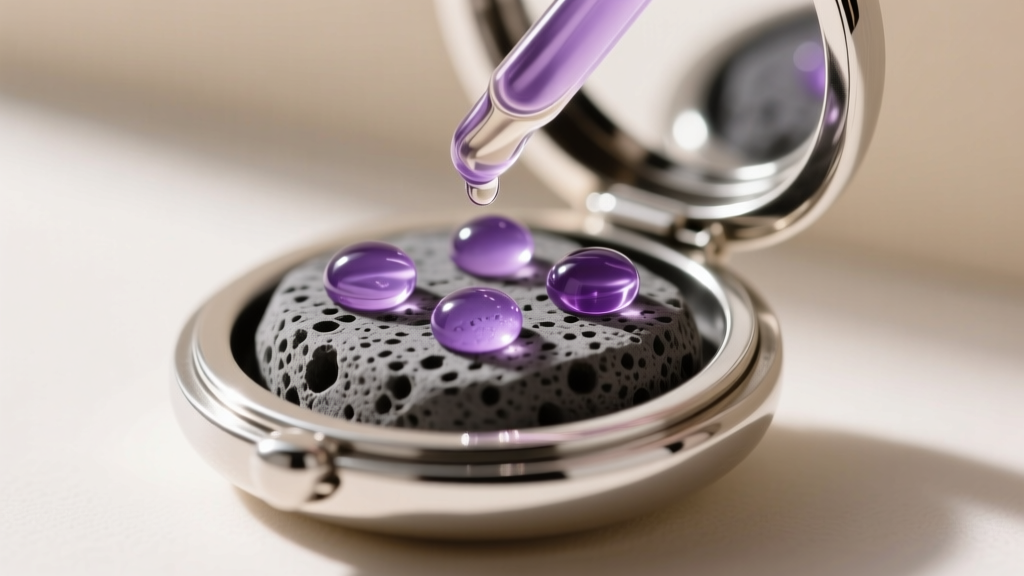
The Dilution and Loading Protocol
- Choose Your Medium: Avoid dripping oils directly onto the metal. Use a porous medium like natural lava rock, terracotta, or specialized wool felt pads.
- Prepare the Carrier Blend: Mix your essential oil with a fractionated carrier oil (like jojoba or MCT oil) at a 10% dilution ratio. Jojoba is preferred because it mimics human sebum and has an incredibly long shelf life, preventing the pendant from developing a rancid odor.
- Apply Strategically: Using a glass dropper, apply exactly 2 to 3 drops of the diluted blend to the center of the lava stone or felt pad.
- The Absorption Wait: Allow the medium to absorb the oil for 60 seconds before closing the locket. This prevents the oil from seeping out onto your clothing or chest skin when the pendant swings.
Step 3: Choosing the Ideal Chain Length for Breathwork
The physical utility of a breathefree necklace—especially if it features a sliding shift tube for tactile grounding or a heavy locket for deep inhalation—depends entirely on chain length. A standard 18-inch princess chain will sit at the collarbone, making it physically awkward to lift the pendant to your nose for breathwork without hunching your neck.
Ergonomic Length Guide
- 24 to 26 Inches (Matinee): Falls at the center of the chest. Ideal for lightweight diffuser lockets that you need to lift occasionally for a quick olfactory reset.
- 28 to 30 Inches (Opera): Falls at the solar plexus. This is the sweet spot for tactile breathing tubes. It allows you to grasp the pendant, slide the mechanism, and practice box-breathing (4-4-4-4 tempo) with your arms resting comfortably in your lap.
- 32+ Inches (Rope): Best for layering over thick winter garments, though the excessive swing can be distracting during active mindfulness exercises.
Step 4: Styling Your Wellness Jewelry for Everyday Wear
Wellness jewelry no longer needs to look like it belongs in a yoga studio. The 2026 styling paradigm embraces the juxtaposition of functional, slightly industrial pendants with delicate, high-end chain layering.

The 'Rule of Three' Layering Technique
To integrate a bulky breathefree pendant into a sophisticated everyday wardrobe, use the Rule of Three to balance visual weight:
- The Anchor (Your BreatheFree Necklace): Set at 28 inches. This is your statement piece and functional tool.
- The Bridge: A 22-inch medium-weight chain (like a 2mm paperclip or rolo chain) featuring a small, subtle gemstone drop (e.g., matte onyx or labradorite) to bridge the visual gap.
- The Whisper: An 18-inch ultra-fine satellite or cable chain (1mm or less) sitting close to the clavicle to frame the face and draw the eye upward.
Styling Warning: Never layer a heavy breathing tube pendant with delicate snake chains. The friction and weight of the sliding mechanism will snap a snake chain within a week. Always use structurally sound chains like box, rolo, or wheat chains for the anchor piece.
Step 5: Maintenance, Cleaning, and Troubleshooting
Even the highest quality 316L steel requires maintenance when exposed to the microscopic salt and oil particles from your skin and environment. According to care guidelines outlined by Jewelers of America, regular ultrasonic cleaning is standard for gemstones, but ultrasonic cleaners will destroy porous diffuser stones.
How to Clean the Metal Casing
Create a paste using baking soda and a few drops of distilled water. Using a soft-bristled baby toothbrush, gently scrub the exterior metal and the hinge mechanism of the locket. Rinse with distilled water (tap water contains chlorine which can dull certain finishes) and dry immediately with a microfiber cloth.
Troubleshooting Olfactory Fatigue
If you find that your breathefree necklace stops smelling after two days, you are likely experiencing olfactory fatigue (nose blindness). Your brain filters out continuous scents to remain alert to new environmental changes.
The Fix: Rotate your essential oil profiles every 48 hours. Switch from base-heavy notes (like sandalwood or vetiver) to top-note dominant blends (like eucalyptus, peppermint, or bergamot) to shock the olfactory receptors back into awareness. Furthermore, replace porous lava stones every 3 to 4 months, as the microscopic pores eventually become clogged with carrier oil residue, trapping the scent molecules inside.
Final Thoughts on Mindful Adornment
A breathefree necklace is more than a passing trend; it is a tactile anchor in an increasingly digital and overstimulating world. By respecting the metallurgy of your pendant, adhering to safe dilution protocols, and styling it with intentional layering techniques, you transform a simple piece of jewelry into a powerful, daily tool for emotional regulation and grounded living.


