Material Analysis of Famous Necklaces and Modern Alloys
Discover the metallurgical secrets and gemological properties behind famous necklaces, comparing historical royal alloys to modern everyday jewelry materials.

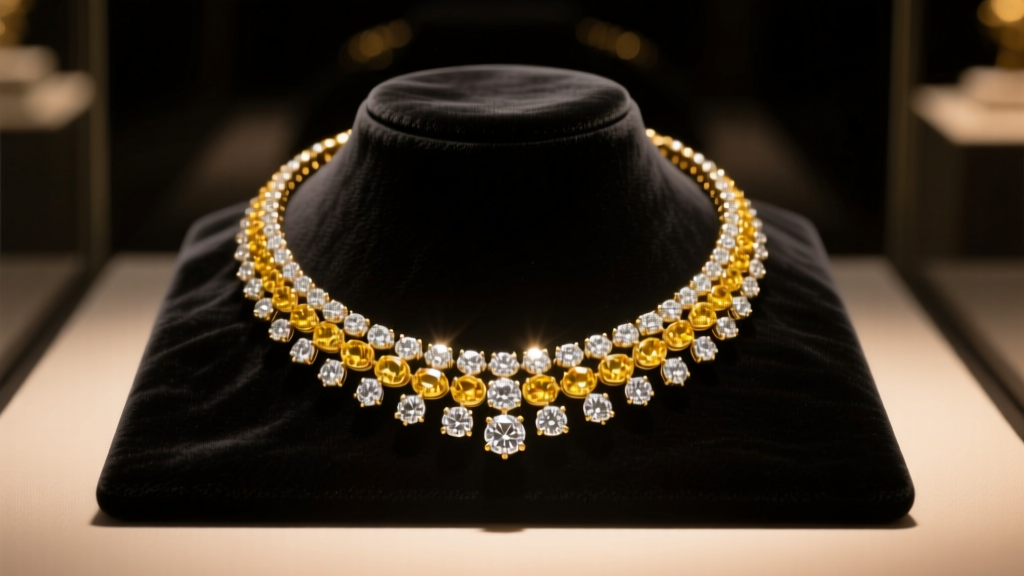
When we admire the world's most celebrated jewelry, our eyes are naturally drawn to the carat weight of the center stones or the intricacy of the filigree. However, the true longevity and structural integrity of these masterpieces lie in their metallurgy. By conducting a material analysis of famous necklaces, we uncover a fascinating evolution of alloy science, gemological setting techniques, and tensile engineering. From the heavy, high-karat gold collars of ancient antiquity to the micro-pavé platinum chains of the Art Deco era, the metals chosen dictate not only the aesthetic but the survival of the piece.
Today, modern jewelers and collectors look to these historical benchmarks to inform contemporary designs. Understanding the exact material properties—such as Vickers hardness, galvanic corrosion risks, and alloy compositions—allows us to appreciate museum-grade artifacts while making highly informed decisions for everyday luxury purchases. Let us deconstruct the metallurgical DNA of iconic jewelry and translate those properties into actionable insights for modern necklace buyers.
The Metallurgy Behind History's Most Famous Necklaces
The transition from pure, malleable metals to engineered alloys is the defining narrative of jewelry history. Pure gold (24K) and pure silver possess a crystalline structure that allows atomic planes to slide past one another easily, making them far too soft for securing heavy gemstones. When examining the Hope Diamond's current setting at the Smithsonian, or the legendary Patiala Necklace commissioned by Bhupinder Singh of Patiala from Cartier in 1928, we see a deliberate reliance on specific alloy mixtures to bear immense structural loads.
The Patiala Necklace, which originally contained 2,930 diamonds weighing nearly 1,000 carats, required a metal that could be drawn into fine, flexible wire yet maintain enough rigidity to prevent the bib-style collar from collapsing under its own weight. Cartier utilized platinum, a metal with a remarkably high melting point (1,768°C) and superior tensile strength compared to gold. This historical pivot toward platinum and specifically engineered gold alloys fundamentally changed how famous necklaces were constructed, moving the industry away from heavy, bulky settings toward delicate, nearly invisible metalwork that maximized light return.
Gold Alloys: 22K Heritage vs. 18K Modern Durability
Gold is alloyed with metals like copper, silver, zinc, and palladium to alter its color and mechanical properties. The measure of a metal's resistance to permanent indentation is known as the Vickers Hardness (HV) scale. While pure 24K gold sits at a mere 25-30 HV, alloying dramatically increases its durability. However, the pursuit of high-karat purity in historical Middle Eastern and South Asian famous necklaces often resulted in pieces that were highly susceptible to deformation.
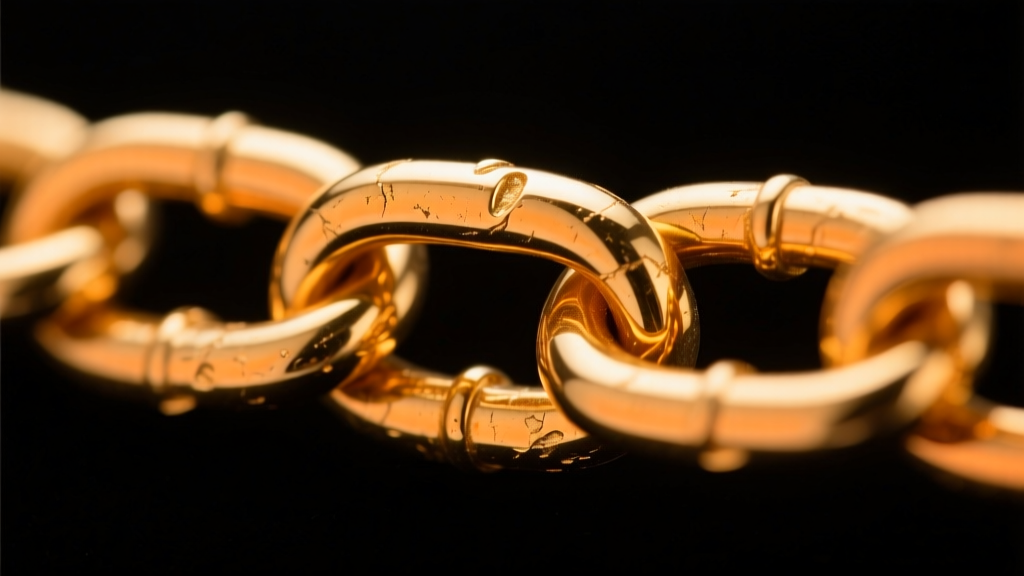
To understand the practical differences, we must look at the exact metallurgical data. The following table compares the standard gold alloys used in both historical artifacts and modern commercial jewelry:
| Karat | Gold Purity | Primary Alloying Metals | Vickers Hardness (HV) | Tensile Strength (MPa) | Common Use Case |
|---|---|---|---|---|---|
| 24K | 99.9% | None | 25 - 30 | 120 | Investment bullion, soft heritage bangles |
| 22K | 91.6% | Copper, Silver | 70 - 90 | 250 | Traditional Indian/Middle Eastern heavy chains |
| 18K | 75.0% | Copper, Silver, Palladium | 120 - 150 | 450 - 550 | Fine jewelry, secure gemstone settings |
| 14K | 58.3% | Copper, Silver, Zinc | 150 - 180 | 600 - 700 | Everyday chain necklaces, durable clasps |
For modern buyers seeking the rich, saturated hue of historical 22K gold without the structural compromises, 18K yellow gold (specifically alloyed with a higher copper-to-silver ratio) offers the optimal balance. According to the Gemological Institute of America (GIA), 18K gold provides the necessary 120+ HV hardness required to keep prongs securely closed over diamonds, a feat impossible for 22K or 24K alloys under daily tension.
Platinum and White Gold: The Settings of Iconic Diamonds
Before the widespread adoption of platinum in the late 19th and early 20th centuries, jewelers relied on silver-backed gold to achieve a white metal appearance. However, silver tarnishes rapidly and lacks the structural memory required for delicate micro-settings. Platinum changed the landscape of high jewelry. When analyzing the settings of famous necklaces featuring massive pear-cut or cushion-cut diamonds, PT950 (95% platinum, 5% ruthenium or iridium) is the undisputed standard.
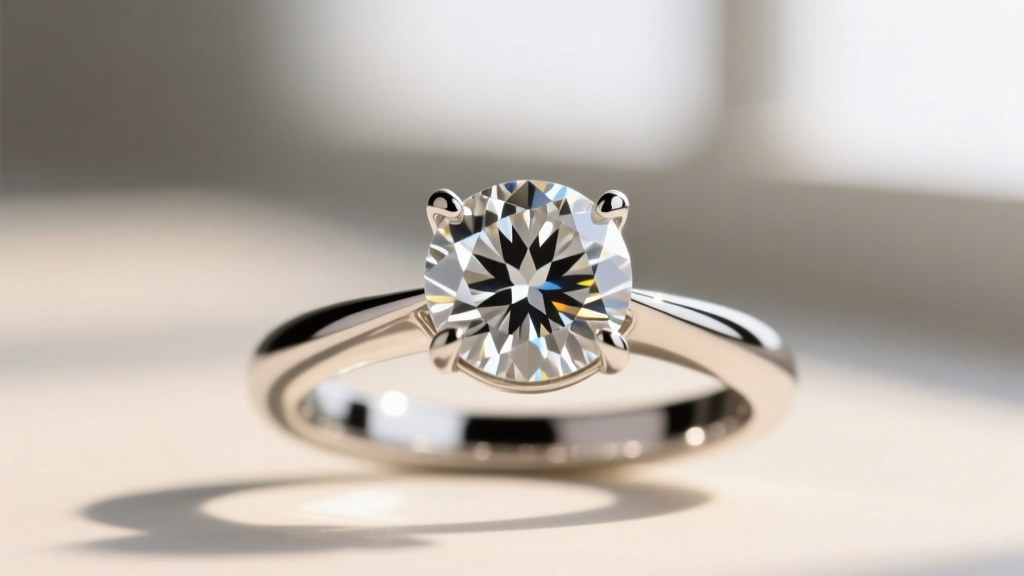
Platinum possesses a unique property called 'malleability without material loss.' When a platinum prong is bent or scratched, the metal is merely displaced rather than worn away. In contrast, 14K or 18K white gold—which is actually yellow gold alloyed with nickel or palladium and plated with rhodium—will gradually lose microscopic layers of metal through friction. For a heavy pendant necklace worn daily, a platinum chain and setting will easily outlast a white gold equivalent by decades, developing a soft, frosted patina that many collectors highly prize.
"Platinum's density and resistance to wear make it the premier choice for securing high-value gemstones. Its natural white color also enhances the perceived color grade of mounted diamonds without the need for periodic rhodium replating." — GIA Platinum Metallurgy Guidelines
Silver and Bimetallic Anomalies in Antique Pendants
Many famous necklaces from the 18th and 19th centuries, including pieces belonging to Marie Antoinette and Empress Eugénie, feature a bimetallic construction: a base of yellow gold with a top layer or backing of silver. Jewelers of the Georgian and Victorian eras used silver to create a bright, reflective backdrop for rose-cut and old mine-cut diamonds, as platinum was not yet commercially viable for jewelry fabrication.
From a modern material science perspective, this creates a significant vulnerability known as galvanic corrosion. When silver and gold are in direct contact in the presence of an electrolyte (such as human sweat or high humidity), the silver acts as an anode and corrodes preferentially. If you are acquiring antique bimetallic pendants, it is critical to inspect the silver backing for deep pitting or structural compromise. Modern conservationists often apply micro-crystalline wax to these historical pieces to create a moisture barrier, a technique that modern wearers of mixed-metal layered necklaces should also consider to prevent accelerated tarnishing.
Translating Museum-Grade Materials to Everyday Wear
You do not need to purchase a museum-grade artifact to benefit from historical material science. When selecting a modern chain necklace or pendant, apply the following engineering principles derived from famous necklaces to ensure your jewelry withstands daily wear:
- Chain Gauge Selection: For pendants weighing under 5 grams, a 1.0mm to 1.5mm cable or box chain in 14K gold is sufficient. For heavy gemstone pendants (5g to 15g), upgrade to a 2.0mm to 3.0mm rope or Franco chain. The interlocking wire structure of a rope chain distributes tensile stress across multiple vectors, mimicking the structural redundancy seen in Cartier's heavy collars.
- Clasp Engineering: Avoid standard spring-ring clasps for any pendant over 3 grams. The internal steel spring is prone to fatigue and failure. Instead, opt for a lobster clasp or, ideally, a tongue-and-groove box clasp with a figure-eight safety catch, which is the standard for high-end pearl and diamond necklaces.
- Alloy Selection for Sensitive Skin: If you experience contact dermatitis, avoid standard 14K white gold, which frequently utilizes nickel as a bleaching agent. Choose 18K palladium-white gold or PT950 platinum, both of which are inherently hypoallergenic and utilized in high-end medical and jewelry applications.
Preservation: Caring for High-Karat and Platinum Chains
The longevity of your necklace depends heavily on how you maintain its specific alloy. High-karat gold (22K and above) is highly susceptible to mercury amalgamation. Even trace amounts of mercury found in certain cosmetics, thermometers, or industrial environments can cause 22K gold to instantly turn white and become brittle. If this occurs, the gold is not ruined; a professional jeweler can safely heat the piece to vaporize the mercury and restore the original color.
For platinum chains, avoid the temptation to polish out the natural patina too frequently. While platinum does not lose volume when scratched, aggressive mechanical polishing by inexperienced jewelers can round off sharp, architectural edges and alter the original geometry of the links. According to the GIA's metal care guidelines, ultrasonic cleaners are generally safe for plain platinum and gold chains, but they must never be used on necklaces featuring fracture-filled diamonds, emeralds, or organic materials like pearls and coral, as the high-frequency vibrations can shatter the inclusions or strip the nacre.
By understanding the exact material properties that have allowed famous necklaces to survive for centuries, you can curate a personal collection that is not only visually stunning but metallurgically engineered to endure for generations.


