How Do You Measure a Chain Necklace? Value & Sizing Guide
Learn how do you measure a chain necklace accurately to ensure perfect fit and assess true metal value before buying your next fine jewelry piece.

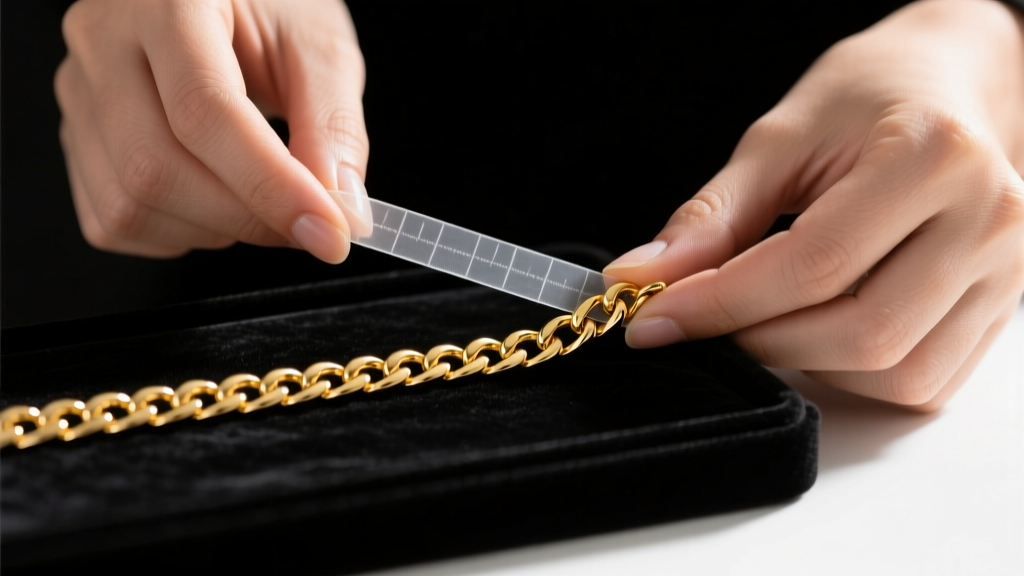
When investing in fine jewelry, understanding how do you measure a chain necklace is about much more than just finding the right fit for your neckline. It is a critical skill for budget assessment and value verification. In an era where precious metal prices fluctuate and online jewelry shopping dominates the market, a mismeasurement can lead to costly return fees, fragile chains that snap under their own weight, or overpaying for hollow, lightweight designs. This guide bridges the gap between physical sizing and financial valuation, ensuring you get exactly what you pay for.
The Hidden Financial Risks of Incorrect Sizing
Many buyers focus solely on the aesthetic of a pendant or the karat of the gold, neglecting the chain's physical dimensions. However, the length and width of a chain directly dictate its metal weight, which is the primary driver of its intrinsic value. If you guess your size and need to return a custom-cut or high-value chain, you will likely face steep penalties.
According to industry standards, fine jewelry restocking fees for returned, non-defective chains typically range from 15% to 25% of the purchase price. On a $2,000 solid gold chain, a simple sizing error can cost you up to $500 in return fees alone.
Furthermore, buying a chain that is too long for your intended layering setup often results in the piece sitting awkwardly, leading to premature wear and tear from friction against other jewelry or clothing. Accurate measurement protects both your budget and the physical integrity of the piece.
Step-by-Step: How Do You Measure a Chain Necklace?
To accurately measure an existing chain or determine your ideal size before purchasing, you need to move beyond guesswork. Here is the professional method for determining both length and width.
1. Measuring Length (The Drop)
Always measure a chain from end to end, including the clasp, but excluding any extender chains. If you are measuring your neck to find a new size:
- The String Method: Wrap a non-stretchable piece of string or a soft fabric tailor's tape around your neck at the exact height you want the chain to sit.
- The Mirror Check: Look in a mirror to ensure the string falls correctly over your collarbone or chest, accounting for the drape of your typical necklines.
- Mark and Measure: Pinch the string where it meets, lay it flat on a hard surface, and measure it with a rigid steel ruler or tape measure. Do not use a metal construction tape, as the stiffness will create an inaccurate curve.
2. Measuring Width (The Gauge)
Width is where the true value assessment begins. A 1mm chain and a 3mm chain of the exact same length will have drastically different prices due to the volume of metal used. To measure width accurately, use a digital caliper rather than a standard ruler.
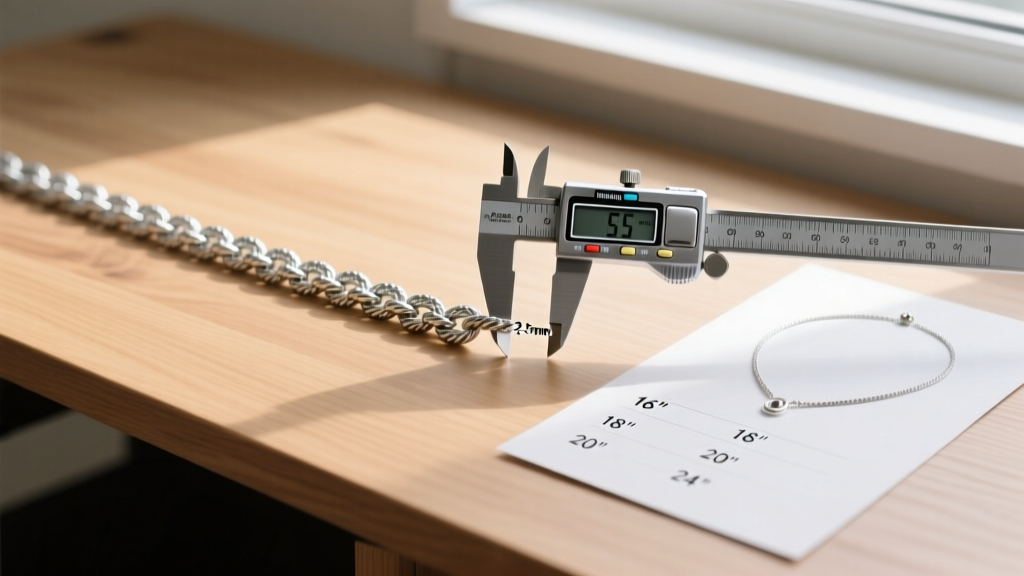
Place the chain flat on a table. Gently close the caliper jaws around a single link or the widest point of the chain pattern. For styles like the Cuban link or Figaro, ensure you are measuring the outer edge to the outer edge to get the true millimeter width, which dictates the chain's structural durability.
Chain Length, Metal Weight, and the Value Equation
Understanding standard lengths helps you anticipate the baseline cost of a chain. As the length increases, the gram weight increases proportionally, assuming the width and style remain constant. Below is a breakdown of standard necklace lengths, their typical placements, and how they impact your budget.
| Length Category | Inches | Placement | Budget Impact |
|---|---|---|---|
| Collar | 12 - 14 | Tightly against the throat | Lowest metal cost, but requires precise sizing to avoid choking or discomfort. |
| Choker | 15 - 16 | Base of the neck | Moderate cost. Highly popular, but thick chokers require significant metal weight. |
| Princess | 17 - 19 | Collarbone level | The industry standard (18"). Offers the best balance of visual presence and metal cost. |
| Matinee | 20 - 24 | Top of the bust | Higher cost. Ideal for pendants, but the extra length adds noticeable gram weight. |
| Opera | 28 - 36 | Sternum to waist | Premium cost. Often doubled over; requires high durability to prevent mid-chest snapping. |
For a deeper understanding of how precious metals are weighed and valued in the jewelry industry, the Gemological Institute of America (GIA) provides comprehensive guides on gold purity and market weight calculations.
Width vs. Density: Why Millimeters Dictate Price
When assessing value, you must cross-reference the chain's width (in millimeters) with its style. Not all 3mm chains weigh the same. The structural design of the links determines the chain's density, which directly impacts the retail price.
The Density Multiplier
- Box Chains (Low Density): A 2mm box chain is often semi-hollow or features large, open square links. It may look substantial but weigh very little (e.g., 4-6 grams for an 18-inch length). These are budget-friendly but prone to kinking and denting.
- Rope Chains (Medium Density): A 2mm rope chain is tightly woven and usually solid or semi-solid. It will weigh significantly more (e.g., 8-12 grams) and offer better durability for daily wear.
- Cuban Links (High Density): A 3mm solid Cuban link chain is incredibly dense, with interlocking flat links that leave almost no empty space. An 18-inch 3mm solid 14k gold Cuban can easily weigh 18-25 grams, making it a premium investment piece.
Always ask the seller for the exact gram weight of the chain. If a seller lists a 20-inch 14k gold chain at a suspiciously low price and refuses to provide the gram weight, it is almost certainly hollow or heavily gold-plated over a base metal core.
Evaluating the Clasp and Hardware
A chain is only as valuable as its weakest link, which is often the clasp. When measuring and assessing a chain, inspect the hardware closely. The type of clasp used is a massive indicator of the chain's overall quality and the manufacturer's attention to detail.
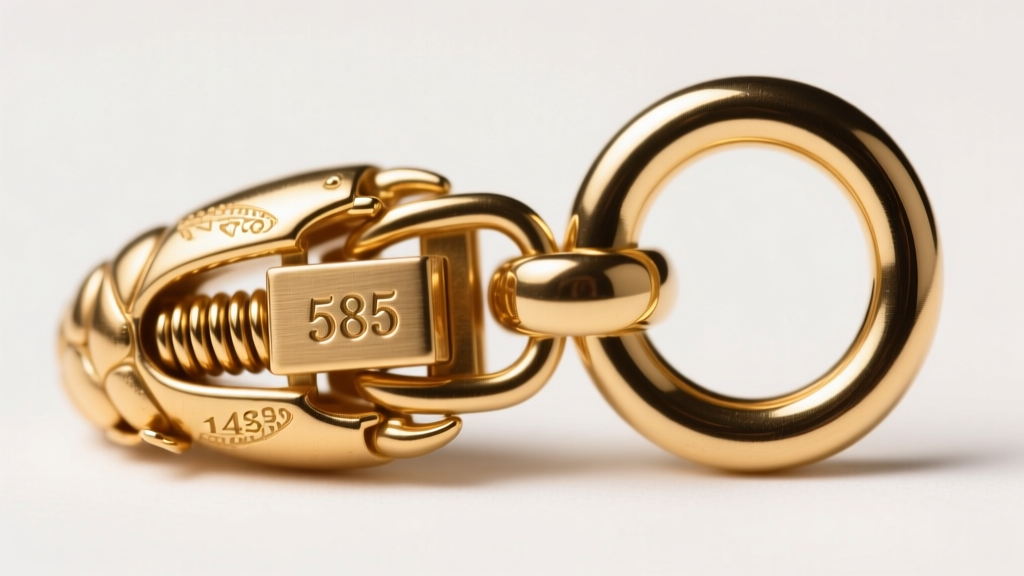
Spring Ring vs. Lobster Claw
Spring Rings: These small, circular clasps are inexpensive to produce and commonly found on delicate chains (under 1.5mm). However, if you see a spring ring on a heavy, 4mm solid gold chain, it is a major red flag. The spring ring will likely fail under the chain's weight, leading to a lost investment.
Lobster Clasps: The industry standard for chains over 2mm. A high-quality lobster clasp should be solid (not hollow), feature a smooth trigger mechanism, and be attached via a thick, soldered jump ring. For heavy chains, look for a locking lobster clasp or a box clasp with a figure-eight safety latch.
According to Jewelers of America, properly maintained clasps and jump rings are essential for preventing accidental loss, and reputable jewelers will always match the clasp strength to the chain's tensile weight.
Pro Tips for Online Buyers: Verifying Seller Measurements
When shopping online, you cannot physically hold the chain to measure it. To protect your budget and ensure accurate sizing, follow these verification steps:
- Demand Caliper Photos: Ask the seller for a macro photograph of the chain's width measured with digital calipers. Many stock photos use forced perspective to make thin chains look thicker.
- Check the Hallmarks: Ensure the listing shows clear photos of the '14K', '18K', or '925' stamp, usually located on a small metal tag near the clasp or stamped directly onto the clasp itself.
- Calculate the Melt Value Baseline: Use a live gold calculator to determine the raw melt value of the chain based on its listed gram weight and karat. While retail jewelry includes markup for labor, design, and brand prestige, knowing the baseline melt value prevents you from paying exorbitant markups (e.g., paying $1,500 for a chain that contains only $150 worth of gold).
- Read the Return Policy Fine Print: Before clicking buy, confirm whether the chain is considered 'custom' if it is cut to a non-standard length (like 16.5 inches). Custom lengths are almost always final sale.
Conclusion
Knowing how do you measure a chain necklace is an essential skill for any savvy jewelry buyer. By combining physical measurements with an understanding of metal density, gram weight, and hardware quality, you transition from a passive shopper to an informed investor. Whether you are buying a delicate 1mm princess-length chain for daily layering or a heavy 5mm matinee Cuban link for a statement piece, accurate measurement ensures your budget is allocated toward true, lasting value.


