Medal Necklace Guide: How to Choose, Layer, and Style
Discover everything about the medal necklace trend. Learn how to choose the right metal, chain length, and layering techniques for everyday wear.


The medal necklace has transcended its historical and religious roots to become a cornerstone of modern jewelry styling. Whether you are drawn to the vintage allure of an antique saint medal, the minimalist edge of a blank geometric disc, or the personalized touch of a custom-stamped initial, medals offer a unique blend of weight, texture, and storytelling. However, navigating the nuances of metal grades, manufacturing techniques, and chain proportions can be overwhelming for beginners. This comprehensive guide breaks down the anatomy of a quality medal necklace, providing you with the specific data and actionable frameworks needed to curate a piece that lasts a lifetime.
What Exactly Is a Medal Necklace?
In jewelry terminology, the terms 'medal' and 'medallion' are often used interchangeably, but they possess distinct structural differences. A medallion is typically larger (often exceeding 30mm in diameter), thicker, and created through a casting process, resulting in a heavier, more sculptural piece. A medal, conversely, is generally smaller (10mm to 25mm), flatter, and produced via die-striking. This manufacturing method involves forcing a metal blank between two hardened steel dies under immense pressure, resulting in incredibly crisp, high-relief details and a denser, more durable metal structure. When shopping for a medal necklace, understanding this distinction will help you set accurate expectations regarding the piece's weight, detail clarity, and price point.
The Anatomy of a High-Quality Medal
Not all medals are created equal. The longevity and appearance of your necklace depend heavily on the base metal and the finishing techniques used by the manufacturer.
Die-Struck vs. Cast Metals
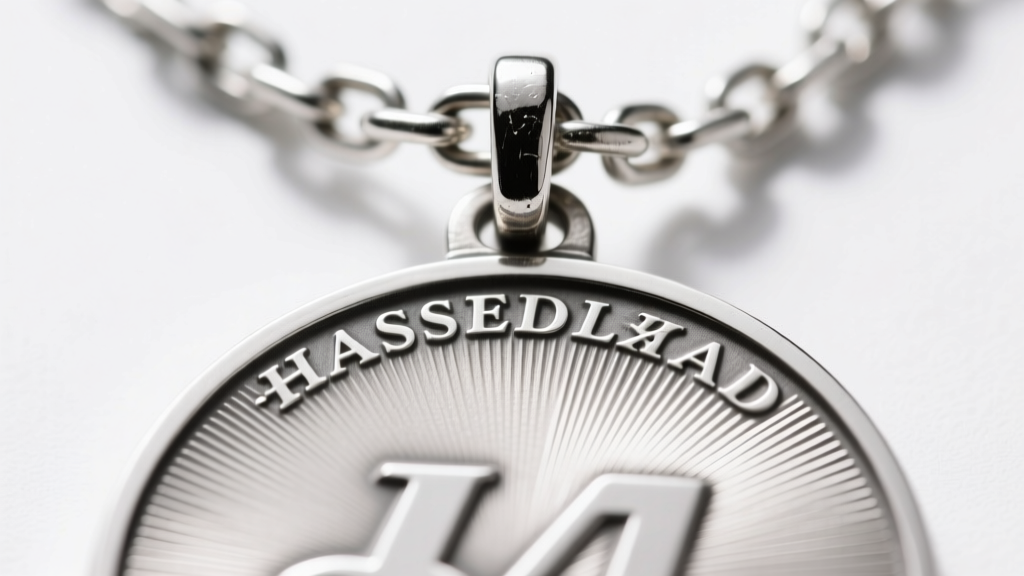
As mentioned, die-striking is the gold standard for detailed medals. Because the metal is compressed rather than melted and poured, the grain structure of the metal becomes tighter. This makes die-struck medals highly resistant to bending and scratching compared to their cast counterparts. If you are buying a vintage-inspired religious medal or a highly detailed zodiac coin, always look for 'die-struck' in the product description.
Metal Grades and Plating Standards
When evaluating materials, it is crucial to look beyond the color of the metal and examine its core composition:
- Solid 14k Gold: The ideal choice for everyday wear. It offers an excellent balance of rich color and structural hardness. According to the Gemological Institute of America (GIA), 14k gold consists of 58.3% pure gold, making it highly resistant to tarnish and skin reactions.
- 925 Sterling Silver: A classic, affordable option. However, silver naturally oxidizes. Many high-end silversmiths intentionally apply an 'antique finish' (oxidation) to the crevices of a medal to make the engraved details pop, which actually reduces your maintenance burden.
- Gold Vermeil vs. Flash Plating: Beginners must be wary of cheap 'gold-plated' brass. True gold vermeil requires a base of 925 sterling silver coated with a minimum of 2.5 microns of gold, a standard strictly regulated by the Federal Trade Commission (FTC). Anything thinner will rub off within months of daily wear.
Chain Pairings and Proportions: The Data
A common mistake beginners make is pairing a heavy, intricate medal with a flimsy chain. This not only looks unbalanced but creates a severe breakage risk. The chain's gauge (thickness) and link style must support the medal's weight and dimensions. Below is a structural pairing guide to ensure your necklace hangs correctly and securely.
| Medal Diameter | Estimated Weight | Recommended Chain Width | Best Chain Styles |
|---|---|---|---|
| 10mm - 15mm (Small) | 1.5g - 3.0g | 0.9mm - 1.2mm | Cable, Rope, or Wheat |
| 16mm - 25mm (Medium) | 3.5g - 7.0g | 1.2mm - 1.8mm | Box, Rolo, or Curb |
| 26mm - 35mm (Large) | 8.0g - 15.0g | 2.0mm - 3.5mm | Figaro, Cuban, or Thick Rolo |
Pro Tip: Box chains are widely considered the most reliable for medium-to-heavy medals. Their interlocking square links distribute weight evenly and are highly resistant to kinking and tangling compared to standard cable chains.
The Art of Layering Medals
The medal necklace truly shines when integrated into a layered stack. However, throwing on three random chains usually results in a tangled mess. To achieve a curated, professional look, utilize the Rule of Thirds and Textures.
The 4-Inch Spacing Framework
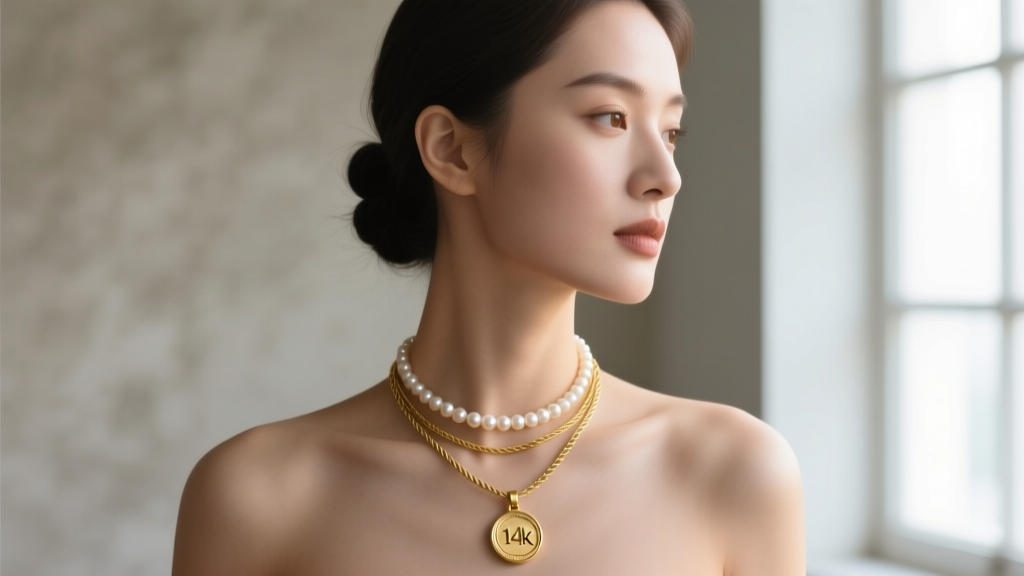
To prevent your necklaces from twisting around one another, maintain a minimum 3-to-4-inch gap between the lengths of your chains. A foolproof beginner stack looks like this:
- The Anchor (14 to 16 inches): Start with a lightweight choker or a simple string of pearls. This draws the eye up and frames the collarbone.
- The Focal Point (20 to 22 inches): This is where your medal necklace lives. A 20-inch chain allows the medal to rest perfectly on the upper chest, acting as the visual center of gravity.
- The Elongator (24 to 26 inches): Finish with a longer, heavier chain without a pendant, or a simple geometric bar. This draws the eye downward and elongates the torso.
Mixing Metal Textures
Contrast is the secret to successful layering. If your medal is highly polished and reflective, pair it with matte or textured chains, such as a beaded chain or a twisted rope. Mixing a smooth, vintage brass medal with a high-shine 14k yellow gold cable chain creates a rich, eclectic aesthetic that looks intentionally styled rather than accidentally mismatched.
Care, Maintenance, and Patina
Because medals feature deep grooves, stamped numbers, and intricate engravings, they are natural traps for lotions, sweat, and environmental dust. Proper maintenance is critical to preserving the legibility of the design.
Cleaning Deep Crevices
Avoid ultrasonic cleaners for antique or oxidized medals, as the high-frequency vibrations can strip away the intentional dark patina that gives the piece its vintage character. Instead, use a soft-bristled baby toothbrush dipped in a solution of warm water and a single drop of mild dish soap. Gently agitate the bristles inside the engraved lines, rinse thoroughly under lukewarm water, and pat completely dry with a microfiber cloth. Leaving water in the crevices of a silver medal will accelerate unwanted, spotty tarnishing.
Embracing the Patina
If you opt for an unsealed brass or copper medal necklace, the metal will naturally react to the pH of your skin and the humidity in the air, developing a darker, richer patina over time. Many collectors and jewelry enthusiasts highly prize this organic aging process, as it gives the medal a distinct, historical feel. If you prefer the bright, original shine, you will need to polish the piece monthly with a specialized brass or silver polishing cloth, being careful to avoid the crevices if you wish to maintain the contrast of the engraving.
Final Thoughts
Choosing the right medal necklace is an exercise in balancing historical appreciation with modern metallurgical standards. By prioritizing die-struck manufacturing, verifying FTC-compliant metal grades, and matching your chain gauge to the physical weight of the pendant, you ensure your jewelry remains both beautiful and structurally sound. Whether worn alone as a quiet personal talisman or layered boldly as a fashion statement, a well-chosen medal necklace is an enduring addition to any collection.


