Mega Stone Necklace Care: Expert Cleaning & Maintenance
Learn expert cleaning and maintenance tips for your mega stone necklace. Protect heavy pendants, secure settings, and restore gemstone brilliance safely.

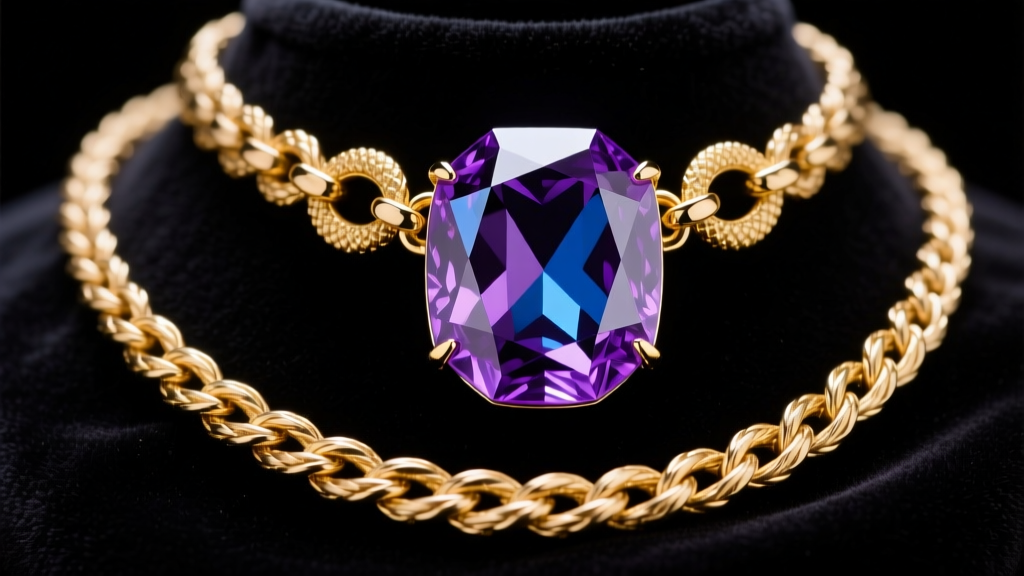
The Unique Structural Challenges of Mega Stone Necklaces
A mega stone necklace is more than just an accessory; it is a feat of wearable structural engineering. Whether you are wearing a 60-carat faceted smoky quartz, a massive raw geode slice, or an oversized cabochon of turquoise, the sheer weight and volume of the central gemstone introduce unique mechanical stresses that standard pendants simply do not face. The primary failure mode for these statement pieces is not the stone itself, but the hardware connecting it to the chain.
When a heavy stone swings as a pendulum against the chest, it generates significant shear stress on the bail and the jump ring. Over time, this kinetic energy causes metal fatigue. A standard 18-gauge jump ring will eventually warp, gap, and snap under the weight of a 50-gram pendant. To prevent catastrophic loss, the structural integrity of your mega stone necklace must be your primary maintenance focus, followed closely by stone-specific cleaning protocols.
Hardware Inspection: Securing the Bail and Chain
Before you even think about cleaning the gemstone, you must inspect the metalwork. The Jewelers of America recommends inspecting heavy pendant hardware every six months. Here is what you need to look for:
The Bail and Jump Ring
The bail is the bridge between your chain and the mega stone. For heavy pendants, the bail should be cast or forged in solid 14k or 18k gold, or platinum. Gold-plated brass is too soft and will bend under constant tension. Check the jump ring connecting the bail to the chain. It should be at least 14-gauge (1.6mm thick) and, ideally, soldered shut. If you see a visible gap in the jump ring, take it to a jeweler for laser welding immediately.
Chain Elongation and Clasp Stress
Heavy mega stones will stretch delicate chains. Cable chains and snake chains are particularly susceptible to permanent elongation. For pendants weighing over 30 grams, you should exclusively use box chains, rope chains, or wheat chains with a minimum width of 2.5mm. Furthermore, avoid spring ring clasps; the internal springs will fail under the sudden jerking motion of a heavy pendant. Always upgrade to a heavy-duty lobster clasp or a magnetic neodymium clasp rated for high tensile weight.
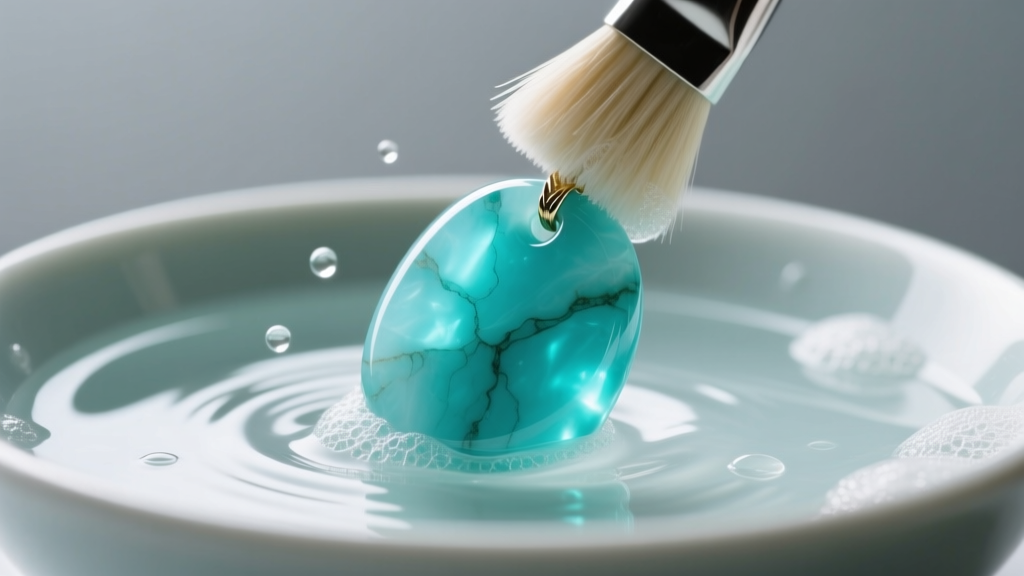
Stone-Specific Cleaning Protocols
Because mega stones offer a large surface area, they accumulate skin oils, lotions, and environmental dust much faster than smaller gems. However, the cleaning method must be strictly dictated by the stone's Mohs hardness and porosity. Using the wrong method can permanently ruin a valuable gemstone.
The Danger of Ultrasonic and Steam Cleaners
While ultrasonic cleaners are excellent for diamond solitaires, they are incredibly dangerous for many popular mega stones. Ultrasonic cavitation creates microscopic shockwaves that can shatter stones with internal inclusions or liquid fractures. Similarly, steam cleaners can melt the fracture-fill resins and cedar oils used to treat large emeralds, leaving them opaque and heavily fractured. According to the Gemological Institute of America (GIA), porous and treated stones should only ever be cleaned with a damp, soft cloth.
| Stone Type | Mohs Hardness | Porosity | Safe Cleaning Method | Strictly Avoid |
|---|---|---|---|---|
| Quartz / Amethyst / Citrine | 7.0 | None | Mild dish soap, lukewarm water, soft baby toothbrush | Steam cleaners on heavily included stones |
| Turquoise / Malachite / Lapis | 3.5 - 6.0 | High | Dry microfiber cloth or slightly damp wipe | Ultrasonics, steam, soap, chemicals, perfumes |
| Opal (Solid) | 5.5 - 6.5 | Medium | Damp cloth, mild soap only if necessary | Submersion in water, ultrasonics, extreme heat |
| Emerald (Mega Cabochons) | 7.5 - 8.0 | Treated | Soft dry brush, gentle wipe with damp cloth | Ultrasonics, steam, harsh detergents |
The Manual Cleaning Technique
For hard, non-porous stones like quartz or sapphire, mix a few drops of ammonia-free dish soap into a bowl of lukewarm water. Submerge the pendant (avoiding the chain if it is oxidized silver) and let it sit for three minutes. Use a soft-bristled baby toothbrush to gently agitate the back of the stone, where sebum and dead skin cells accumulate. Rinse under a gentle stream of tepid water and dry immediately with a lint-free microfiber cloth to prevent water spots on the large faceted surface.
Prong Maintenance and the "Tug Test"
Mega stones are typically held in place by either a bezel setting or heavy prongs. The weight of the stone puts constant outward pressure on the prongs, especially when the necklace is taken off or put on. Once a month, perform the "Tug Test." Hold the pendant securely and gently attempt to wiggle the stone within its setting. If you feel any movement, or if you hear a faint clicking sound, a prong has lifted.
Do not wear the necklace until it is repaired. A jeweler will need to re-seat the stone and burnish the prongs back over the girdle. Professional prong re-tipping typically costs between $45 and $120 per prong, depending on the metal and the complexity of the setting. It is a small price to pay to prevent losing a massive, irreplaceable center stone.
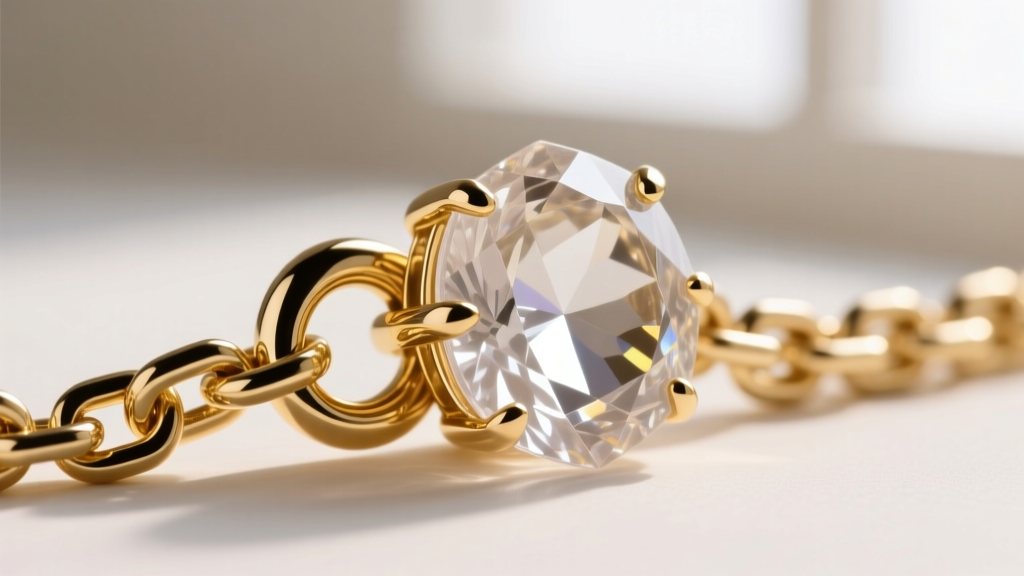
Proper Storage to Prevent Micro-Abrasions
How you store a mega stone necklace is just as critical as how you clean it. The most common mistake owners make is hanging heavy necklaces on standard jewelry armoires. The constant downward pull of gravity will slowly stretch the chain links over months and years, ruining the drape of the piece.
Master Jeweler's Storage Rule: Never hang a necklace that weighs more than 40 grams. The kinetic stress of swaying combined with static gravity will permanently deform the chain and weaken the clasp mechanism.
Instead, lay the necklace flat in a lined jewelry drawer. Fold the chain loosely in a figure-eight pattern to prevent tangling, and ensure the mega stone pendant is resting on a soft velvet or felt surface. If the stone is a softer material like turquoise or opal, wrap the pendant in a separate anti-tarnish pouch to prevent the metal chain from scratching the face of the stone during storage.
Environmental Hazards and Daily Wear
Because mega stones sit prominently on the chest, they are directly in the line of fire for environmental hazards. Hairspray, perfume, and body lotions will create a cloudy film over large faceted surfaces, severely diminishing their light return and brilliance. Always follow the golden rule of jewelry: your mega stone necklace should be the last thing you put on when getting dressed, and the first thing you take off when you get home.
Furthermore, avoid wearing porous mega stones in high-humidity environments or while exercising. The acidity in human sweat can chemically react with stones like malachite and pearl, causing irreversible pitting and surface dulling. By combining rigorous hardware inspections with gentle, stone-specific cleaning routines, your mega stone necklace will remain a secure, brilliant centerpiece in your collection for decades to come.


