Why Do Men Wear Pearl Necklaces? Style & Care Guide
Discover why do men wear pearl necklaces and learn expert cleaning, maintenance, and storage tips to protect nacre and mixed-metal hardware.

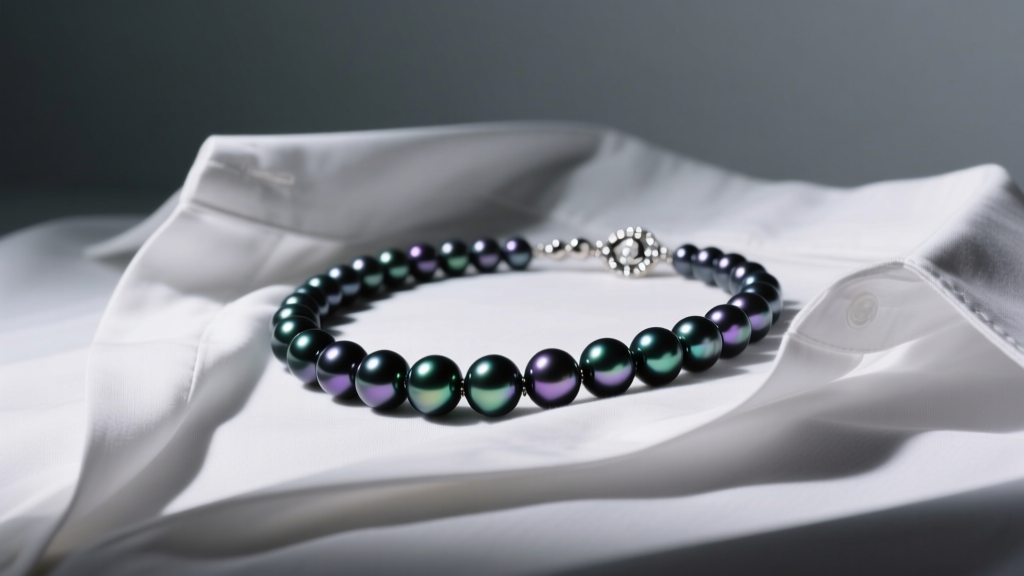
The modern jewelry landscape has undergone a massive transformation, dismantling outdated gender norms and embracing a more fluid approach to personal adornment. If you have been browsing fashion editorials or street-style galleries, you have likely asked yourself: why do men wear pearl necklaces? The answer lies in a blend of historical reclamation, textural contrast, and a desire to subvert traditional menswear codes. From the courts of Indian Maharajas and the pirate captains of the 17th century to modern icons like A$AP Rocky and Harry Styles, pearls have always possessed a masculine lineage. Today, men are drawn to the organic luster of pearls as a striking counterpoint to tailored suiting, vintage denim, and minimalist streetwear.
However, adopting this trend requires more than just styling prowess; it demands a rigorous approach to jewelry maintenance. Men's grooming routines, higher average sweat production, and the frequent use of mixed-material hardware (like oxidized silver clasps or leather cords) introduce unique variables to pearl care. As organic gemstones composed primarily of calcium carbonate, pearls are exceptionally vulnerable to acids, abrasion, and dehydration. This comprehensive guide bridges the gap between cultural styling and the meticulous science of pearl preservation.
Material Breakdown: What Makes Men's Pearl Jewelry Unique?
When designing or purchasing pearl jewelry for men, jewelers typically gravitate toward specific pearl varieties that offer larger millimeter sizes, darker color palettes, and thicker nacre for enhanced durability. Understanding your pearl type is the first step in establishing a proper care regimen.
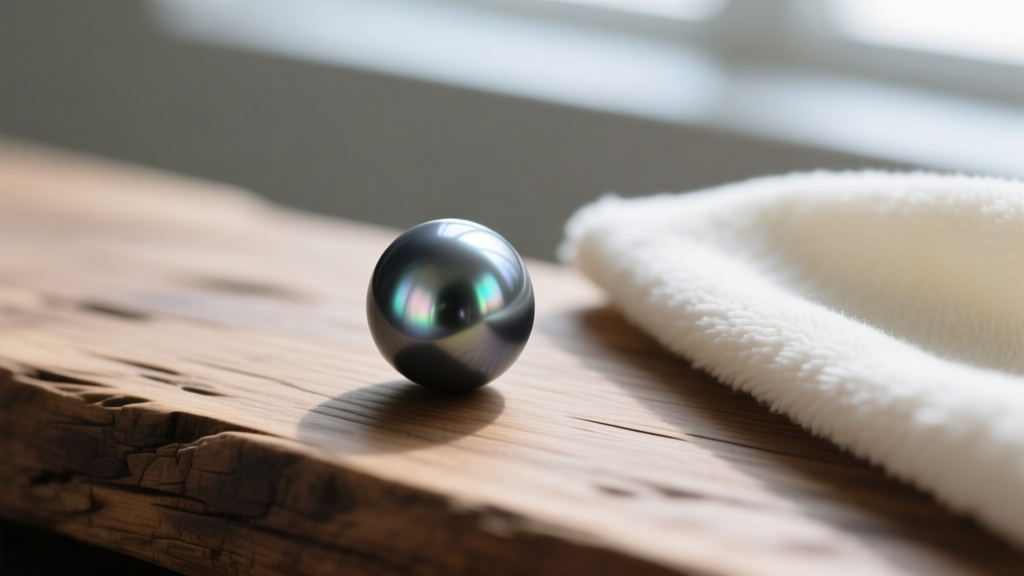
- Tahitian Pearls: The undisputed heavyweight of men's pearl jewelry. Cultivated in the black-lipped oyster, these pearls naturally exhibit dark body colors (grey, green, aubergine) with peacock overtones. Crucially, Tahitian pearls boast a thick nacre layer, typically ranging from 0.8mm to over 2.0mm, making them far more resistant to chipping and wear than their saltwater counterparts.
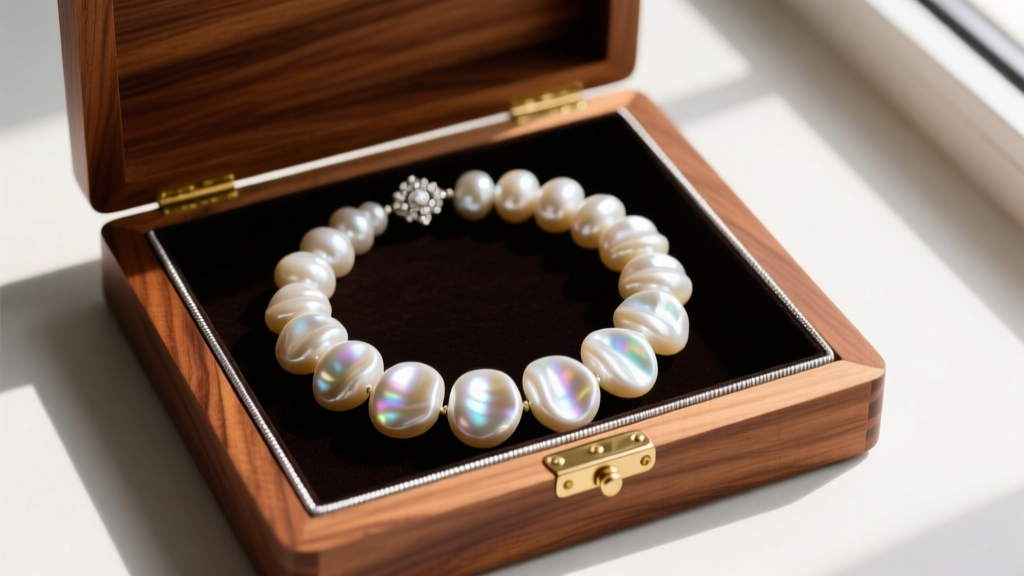
- Baroque Freshwater Pearls: Prized for their irregular, asymmetrical shapes, baroque pearls offer an edgy, unpolished aesthetic that aligns perfectly with rugged menswear. While durable, their uneven surface textures can trap oils and dirt in microscopic crevices, requiring specialized cleaning attention.
- Edison Pearls: A newer variety of bead-nucleated freshwater pearls that offer large sizes (11mm to 16mm) and deep, metallic lusters. They provide a bold, substantial weight on the neck that appeals to male consumers looking for statement pieces.
The Daily Wear Hazards: Grooming and Environment
To maintain the structural integrity of a pearl strand, you must understand the chemical threats it faces during daily wear. Pearls rank a mere 2.5 to 3.0 on the Mohs scale of mineral hardness, meaning they can be scratched by dust or a simple fingernail. More importantly, their chemical composition makes them highly reactive.
The Impact of Men's Grooming Products
The most common culprit of nacre degradation in men's jewelry is the daily application of grooming products. Aftershaves, colognes, beard oils, and hair pomades frequently contain alcohols, synthetic fragrances, and volatile organic compounds. When these substances settle on the porous surface of a pearl, they strip away the natural moisture and conchiolin (the organic protein that binds the calcium carbonate crystals together), leading to a dull, chalky appearance over time.
Sweat and Skin pH
Human sweat is mildly acidic, typically ranging from a pH of 4.5 to 7.0, depending on diet and hydration. Because pearls are alkaline earth metals, prolonged exposure to acidic sweat causes a microscopic chemical reaction that slowly dissolves the nacre's outer layers. This is why the golden rule of pearl wear is 'Last On, First Off.' Pearls should be the final item you put on after your cologne and skincare have fully dried, and the very first item you remove when you return home.
Step-by-Step Cleaning Protocol for Men's Pearl Strands
Forget commercial jewelry dips or ultrasonic cleaners; these will destroy a pearl strand in minutes. According to the Gemological Institute of America (GIA), pearls require gentle, manual cleaning using pH-neutral solutions. Follow this exact protocol after every 3 to 4 wears.
- Prepare the Solution: Mix one cup of distilled water (tap water contains chlorine and fluoride which can damage nacre) with a single drop of pH-neutral, unscented liquid castile soap.
- Dampen the Cloth: Dip a lint-free, 100% cotton microfiber cloth into the solution and wring it out until it is only slightly damp. Never submerge a silk-strung pearl necklace in water. Water weakens the silk thread, leading to catastrophic strand failure.
- Wipe Each Pearl Individually: Gently rub each pearl, paying special attention to the drill holes where skin oils and dead cells accumulate. If you are cleaning baroque pearls, use a soft-bristled makeup brush to gently sweep the crevices.
- Rinse the Cloth: Wipe the cloth clean with plain distilled water and go over the strand a second time to remove any soap residue.
- Air Dry Flat: Lay the necklace flat on a dry, clean towel in a well-ventilated room. Hanging a wet pearl necklace will cause the wet silk thread to stretch permanently under the weight of the pearls.
What to Absolutely Avoid
Never use vinegar, lemon juice, ammonia, baking soda, or any abrasive polishing cloths meant for silver or gold. The International Gem Society explicitly warns that even mild acids will permanently etch the surface of calcium carbonate gemstones, leaving dull, irreversible spots.
Storage Solutions: Preventing Leather and Metal Tarnish
Men's pearl necklaces frequently incorporate mixed media, such as braided leather cords, oxidized sterling silver clasps, or matte black titanium hardware. Storing these hybrid pieces requires balancing the humidity needs of the pearl with the anti-tarnish needs of the metal and leather.
| Material Component | Storage Requirement | Hazards to Avoid |
|---|---|---|
| Pearl Nacre | Requires slight ambient moisture; store in a soft cotton pouch. | Airtight plastic bags (causes dehydration and cracking). |
| Sterling Silver Clasps | Anti-tarnish strips or treated flannel pouches. | Direct contact with rubber or sulfur-rich environments. |
| Leather Cords | Coiled loosely in a cedar-lined box to absorb excess moisture. | High humidity (causes mold) and direct sunlight (causes dry rot). |
| Silk Threading | Lay flat or hang on a wide, padded neck form. | Hanging on thin wire hooks (stretches and weakens fibers). |
When to Seek Professional Restrung Services
The structural integrity of a pearl necklace relies entirely on its stringing material. Traditional high-end strands use 100% silk thread with individual knots between each pearl. While silk is beautiful and flexible, it is highly susceptible to degradation from sweat, oils, and friction. For men who wear their pearls frequently or lead active lifestyles, sweat will rot the silk core much faster than it would for occasional wearers.
Signs your necklace needs immediate restringing:
- Visible Gaps: If you notice space between the knots and the pearls, the thread has stretched beyond its recovery point.
- Discoloration: If the thread visible near the drill holes looks dark, grey, or stained, it is saturated with oils and dirt that are actively degrading the fiber.
- Fraying: Inspect the thread near the clasp. If you see fuzzing or thinning, the strand is at imminent risk of snapping.
Expert Tip for Men: If you plan to wear your pearl necklace daily or in warmer climates, ask your jeweler to restring the pearls using a high-tech synthetic thread like PowerPro or a bonded nylon. While slightly less traditional than silk, synthetic threads are virtually impervious to sweat, water, and stretching, offering vastly superior durability for active, everyday wear without sacrificing the protective knots between each gem.
Ultimately, the decision to wear pearls is a bold statement of personal style. By understanding the unique vulnerabilities of organic gemstones and implementing a disciplined, science-backed care routine, you ensure that your strand maintains its striking luster and structural integrity for decades to come.


