How Men Wear Pearl Necklace Styles: Care & Cleaning
Discover how men wear pearl necklace styles and learn expert care, cleaning, and storage tips to maintain their luster and structural integrity.

The Shift in Menswear: Embracing Pearls
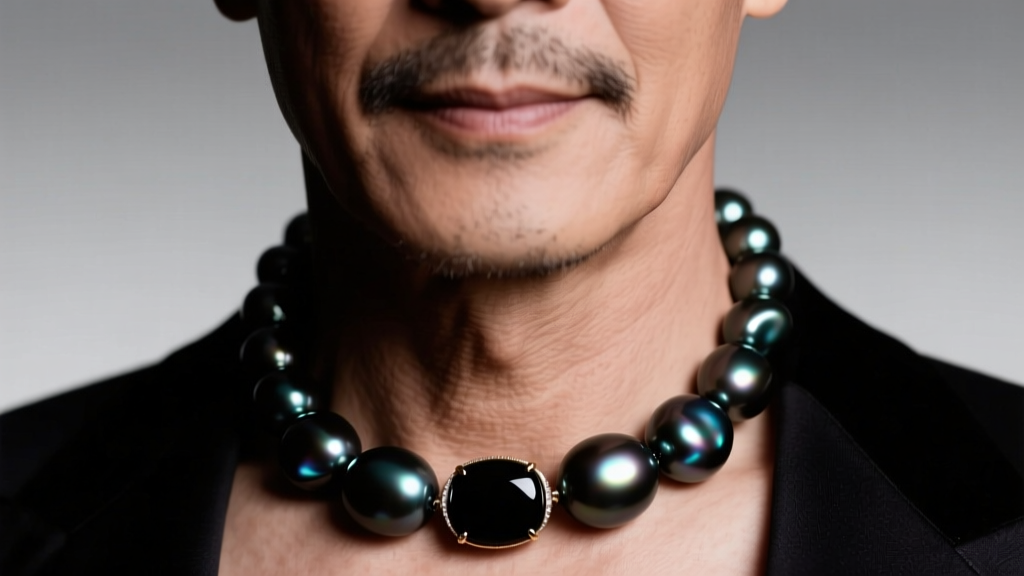
The modern menswear landscape has fundamentally shifted, breaking down archaic gender norms in jewelry. As more men wear pearl necklace styles on red carpets, in streetwear, and in professional settings, the demand for larger, more robust pearl varieties has skyrocketed. Unlike traditional women's strands that often feature uniform 7mm Akoya pearls, men's pearl jewelry frequently incorporates 12mm to 16mm Tahitian, South Sea, or heavily textured baroque freshwater pearls. These pieces are often paired with matte black onyx clasps, oxidized silver spacers, or braided leather accents. However, this bold stylistic choice requires a rigorous understanding of gemological care. Pearls are organic gemstones, and their maintenance demands far more attention than metals or faceted stones. If you are investing in high-end pearl jewelry, understanding the material science and proper cleaning protocols is non-negotiable to protect your investment.
Material Science: Nacre, Mohs Hardness, and Vulnerabilities
To properly care for a pearl necklace, you must first understand its chemical composition. Pearls are primarily made of aragonite (a crystalline form of calcium carbonate) held together by conchiolin, an organic protein matrix. This structure gives pearls their signature orient and luster but also makes them highly vulnerable to environmental and chemical hazards.
The Mohs Scale and Abrasion Risks
Pearls rank between 2.5 and 4.5 on the Mohs hardness scale. For context, a copper penny is a 3.5, and a steel knife is a 5.5. This means that everyday objects, including metal clasps, zippers, and even dust particles (which often contain microscopic quartz at a 7.0), can easily scratch the nacre. When men wear pearl necklace pieces, they often layer them with metal chains or pendants. This layering trend, while visually striking, is a recipe for severe surface abrasion if the pearls are allowed to constantly rub against harder metals.
Sweat, Sebum, and pH Degradation
One of the most overlooked factors in pearl degradation is human perspiration. Human sweat typically has a pH ranging from 4.5 to 7.0. Because calcium carbonate is highly reactive to acids, prolonged exposure to sweat will literally dissolve the outer layers of nacre, leading to a permanent loss of luster and a chalky appearance. Furthermore, men generally have higher sebum (oil) production and sweat rates than women. When a pearl necklace is worn directly against the skin during physical activity or in high-humidity environments, the acidic oils penetrate the microscopic pores of the pearl, accelerating degradation. According to the Gemological Institute of America (GIA), pearls should always be the last thing you put on and the first thing you take off to minimize contact with cosmetics, perfumes, and natural skin acids.
The Definitive Cleaning Protocol
Forget everything you know about cleaning diamond or gold jewelry. Ultrasonic cleaners, steamers, and commercial jewelry dips will destroy a pearl in minutes. The high-frequency vibrations of an ultrasonic cleaner will shatter the nacre, while harsh chemicals like ammonia and bleach will strip the conchiolin, leaving the pearl brittle and dull.
What You Need
- Distilled water (tap water contains chlorine and heavy metals that can stain porous pearls)
- Unscented, mild castile soap (e.g., Dr. Bronner's Unscented Baby Mild)
- Two ultra-soft, lint-free microfiber cloths
- A soft-bristled makeup brush (for cleaning around the drill holes)
Step-by-Step Execution
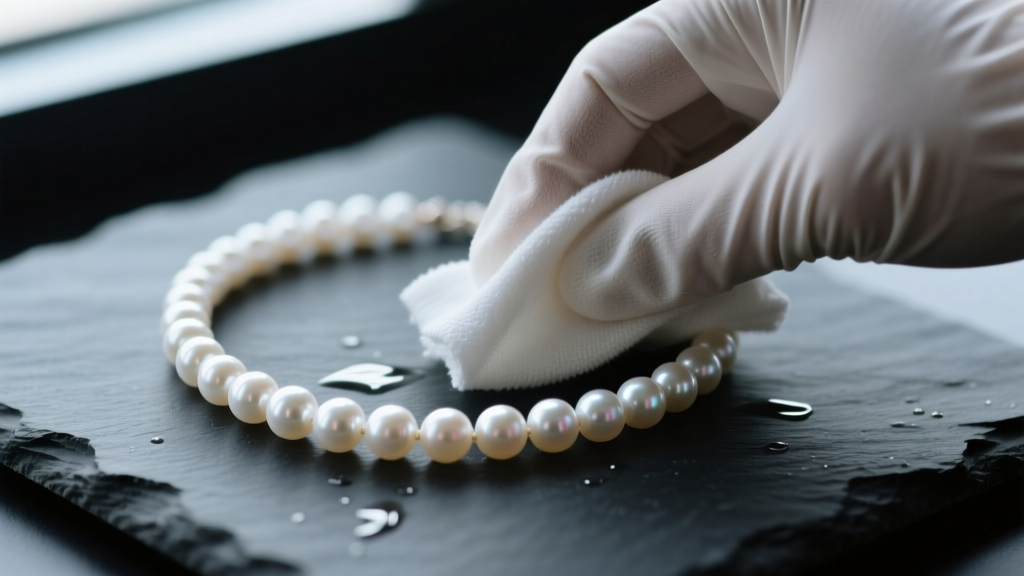
First, mix a single drop of the mild castile soap into a bowl of lukewarm distilled water. Dip the first microfiber cloth into the solution and wring it out until it is only barely damp—never soak a pearl necklace, as water will weaken the silk or synthetic threading inside the drill holes. Gently wipe each pearl individually, following the contour of the stone. Use the soft makeup brush lightly dampened with the solution to dislodge any trapped sebum or dirt around the drill holes and the clasp mechanism. Finally, use the second dry microfiber cloth to buff the pearls to a gentle shine. Allow the necklace to lay completely flat on a dry towel for at least 12 hours before wearing or storing, ensuring the internal thread is completely dry.
Environmental Hazards and Storage Rules
How you store your pearls is just as critical as how you clean them. The organic conchiolin matrix requires a certain level of ambient moisture to remain stable. If pearls are stored in an overly dry environment, the protein dries out, leading to micro-fractures, peeling, and eventually, the pearl crumbling from the inside out.
Never store pearls in airtight plastic bags, safety deposit boxes, or cedar-lined wooden chests. Plastic traps moisture and off-gases chemicals that pit the nacre, while cedar absorbs ambient humidity, effectively mummifying and cracking your pearls.
The ideal storage solution is a soft, unbleached cotton or linen pouch that allows the pearls to 'breathe' while protecting them from dust and scratches. Store the pouch in a fabric-lined jewelry drawer away from direct sunlight and heat sources. If you live in an extremely arid climate, place a small, damp cotton ball in the corner of the drawer (not touching the pearls) to maintain a stable ambient humidity level of around 40-50%.
Restringing and Structural Maintenance
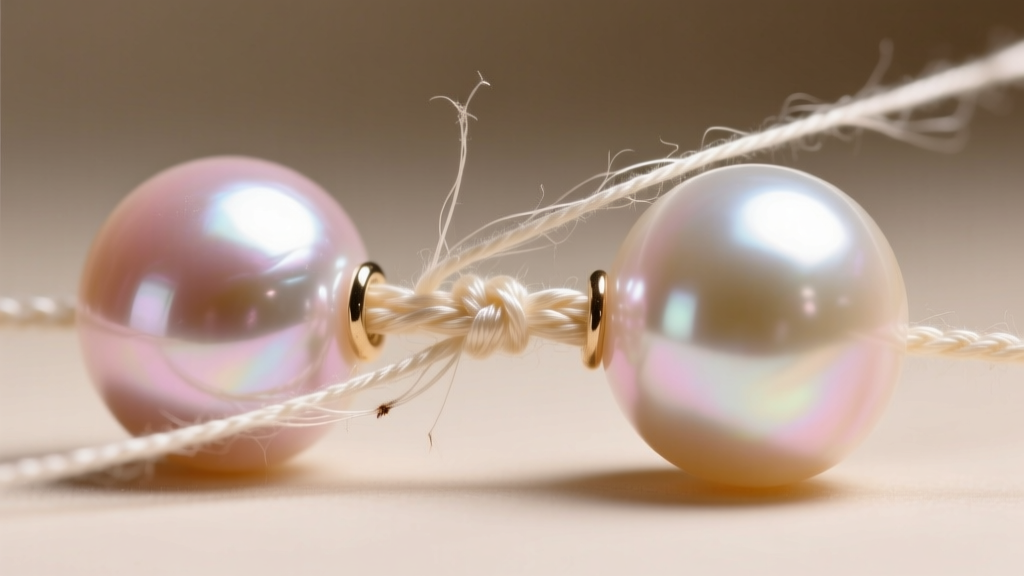
The structural integrity of a pearl necklace relies entirely on its internal thread. Traditional strands use 100% natural silk, which stretches and degrades over time, especially when exposed to skin oils and moisture. Because men's pearl necklaces often feature heavier, larger beads (such as 14mm South Sea pearls), the tensile stress on the silk is significantly higher than on a standard 7mm strand. If you notice the silk looking gray, frayed, or if there is visible 'gapping' (space between the pearls when the strand is laid flat), it is an emergency restringing situation. Waiting too long will result in a catastrophic snap and the loss of your gems.
Restringing Frequency Matrix
| Wear Frequency | Thread Material | Recommended Restringing Timeline |
|---|---|---|
| Daily / Active Lifestyle | Natural Silk (Griffin #4 or #6) | Every 6 to 8 months |
| Weekly / Office Wear | Natural Silk (Griffin #4 or #6) | Every 12 to 18 months |
| Occasional / Formal | Natural Silk (Griffin #4 or #6) | Every 24 to 36 months |
| Heavy / Streetwear | Synthetic (Power Pro / Beadalon) | Every 2 to 3 years |
When taking your necklace to a professional jeweler for restringing, insist on the use of 'French wire' (also known as gimp) at the clasp ends. This tiny coil of fine metal wire protects the silk from sawing against the metal clasp ring, which is the most common point of structural failure. Furthermore, ensure the jeweler ties individual knots between every single pearl. While knotting adds to the labor cost, it prevents the pearls from rubbing against each other and ensures that if the strand breaks, you lose only one pearl rather than the entire necklace.
Summary Checklist for Longevity
Maintaining the bold aesthetic of men's pearl jewelry requires a disciplined approach to care. By avoiding acidic contact, strictly adhering to manual, chemical-free cleaning methods, and proactively managing the structural integrity of the threading, your pearls will retain their deep luster and orient for generations. Treat your pearls as living organic artifacts rather than indestructible stones, and they will reward you with a lifetime of unparalleled elegance.


