Silver Necklace Mens 925: Budget & Value Assessment
Discover the true value of a silver necklace mens 925. We break down pricing, material grades, and what to expect from budget vs. premium sterling chains.

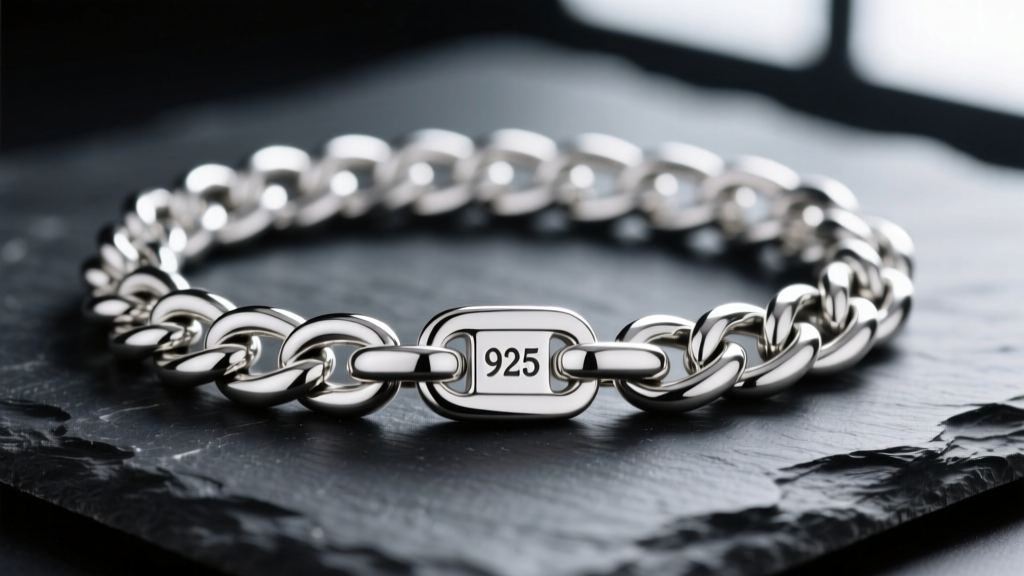
The Economics of the 925 Silver Necklace Mens Market
When evaluating a silver necklace mens 925, buyers are often confronted with a baffling price disparity. You can find seemingly identical 20-inch sterling silver curb chains priced at $40 on fast-fashion marketplaces and $350 from heritage jewelers. In 2026, with precious metal markets experiencing sustained volatility and silver spot prices holding strong above $28 per Troy ounce, understanding the true value of men's silver jewelry requires looking past the surface polish. This guide strips away the marketing fluff to provide a rigorous budget and value assessment of 925 sterling silver chains, helping you distinguish between genuine heirloom-quality investments and overpriced, hollow-manufactured liabilities.
To understand value, we must first establish the baseline material cost. Sterling silver is an alloy consisting of exactly 92.5% pure silver and 7.5% secondary metals, traditionally copper. With one Troy ounce equaling 31.1 grams, a solid 50-gram men's chain contains approximately 46.2 grams of pure silver. At a conservative spot price, the raw melt value of that metal is roughly $42. Therefore, any solid 50-gram chain selling for near or below this melt value is a massive red flag—it is almost certainly hollow-filled, heavily plated base metal, or falsely stamped. A fair retail markup for mass-produced, machine-made chains is typically 2.5x to 4x the melt value, while hand-finished, solid Italian or artisan chains command 5x to 8x due to labor, precision laser-welding, and quality control.
Material Grades: Standard 925 vs. Argentium vs. Rhodium Plating
Not all 925 silver is created equal. The 7.5% alloy mix dictates the chain's longevity, tarnish resistance, and ultimate value retention. According to the Gemological Institute of America (GIA), traditional sterling silver uses copper as the alloying agent. While copper provides necessary tensile strength, it is highly reactive to oxygen and sulfur, leading to the inevitable dark oxidation known as tarnish.
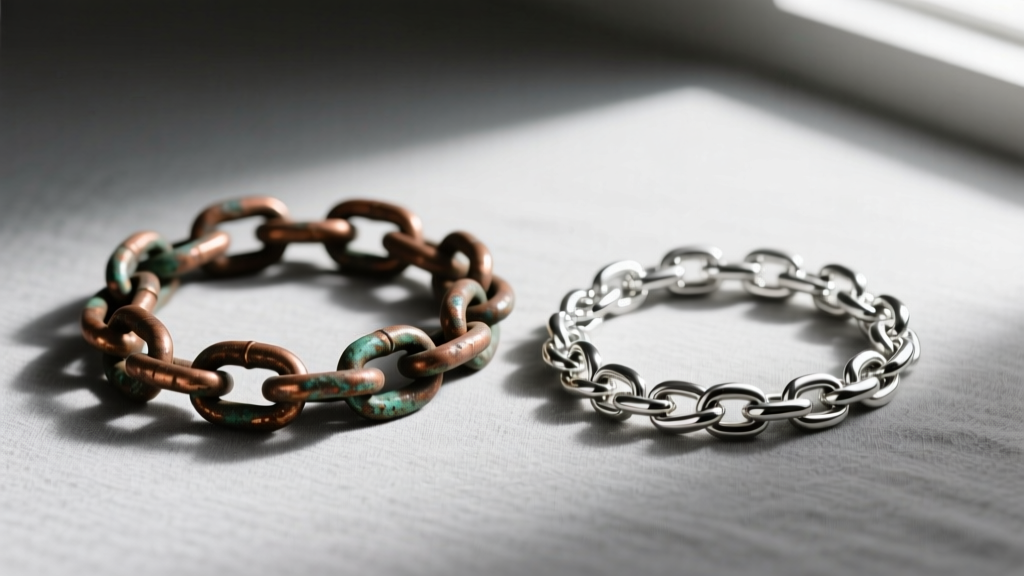
For buyers willing to stretch their budget by 15% to 20%, Argentium 925 silver represents a massive leap in metallurgical value. Argentium replaces a portion of the copper with germanium. This creates a transparent, protective layer of germanium dioxide on the surface, making the metal highly tarnish-resistant and hypoallergenic. If you live in a humid climate or have acidic sweat that rapidly turns standard silver black, Argentium offers vastly superior long-term value by eliminating the need for constant chemical polishing, which gradually wears down the metal over time.
Another common market variant is rhodium-plated 925 silver. Rhodium is a platinum-group metal that gives the silver a bright, white-gold-like finish and temporary tarnish resistance. However, from a strict value-assessment perspective, rhodium plating on men's heavy chains is often a depreciating asset. The plating will inevitably wear off at the friction points (where the links rub together) within 12 to 24 months, leaving a patchy appearance that requires professional re-plating. For thick men's chains, bare, highly polished 925 or Argentium is a more durable, cost-effective choice over a decade of wear.
Pricing Matrix: What You Should Actually Pay
Use the following matrix to assess whether a silver necklace mens 925 is priced fairly based on its weight, style, and manufacturing origin. These estimates assume solid, not hollow, construction.
Remember that weight is the ultimate equalizer in precious metals. A lightweight 10-gram chain will always be cheap, but it lacks the masculine drape and durability required for daily wear. Aim for a minimum of 25 grams for a pendant chain, and 40+ grams for a standalone statement piece. The prices below reflect realistic 2026 market conditions for solid, high-integrity chains.
| Chain Style | Average Weight (22-inch) | Estimated Melt Value | Fair Retail (Mass Market) | Premium / Artisan Retail |
|---|---|---|---|---|
| Cuban / Curb Link | 45g - 60g | $38 - $50 | $120 - $180 | $250 - $400+ |
| Figaro | 25g - 40g | $21 - $34 | $75 - $130 | $160 - $280 |
| Rope Chain | 35g - 55g | $29 - $46 | $110 - $170 | $220 - $350 |
| Box Chain | 20g - 30g | $17 - $25 | $60 - $95 | $130 - $200 |
Critical Failure Modes: Where Budget Chains Lose Value
A cheap upfront cost quickly becomes a poor investment if the chain suffers catastrophic structural failure. When assessing budget-friendly 925 silver chains, inspect these specific vulnerability points:
- Hollow vs. Solid Links: Many budget Cuban chains are manufactured using hollow tubing to mimic the look of a heavy chain at a fraction of the weight. While this lowers the price, hollow links dent easily upon impact and are virtually impossible for a jeweler to solder repair. Once crushed, the chain's value drops to mere scrap.
- Clasp Mismatch: A 50-gram chain generates significant kinetic force when the wearer turns or jogs. Budget manufacturers often pair heavy chains with weak, undersized spring-ring clasps to save pennies. Always demand a heavy-duty lobster clasp or a box clasp with a figure-8 safety latch. If the clasp fails, the chain is lost.
- Unsoldered Links: High-quality chains feature individually soldered links, meaning the gap in the wire is fused shut. Budget chains often feature unsoldered links that can pull apart if snagged on clothing. Run your fingernail along the links; if you feel deep gaps or they flex open under mild pressure, walk away.
Verification: Avoiding the '925' Stamp Scam
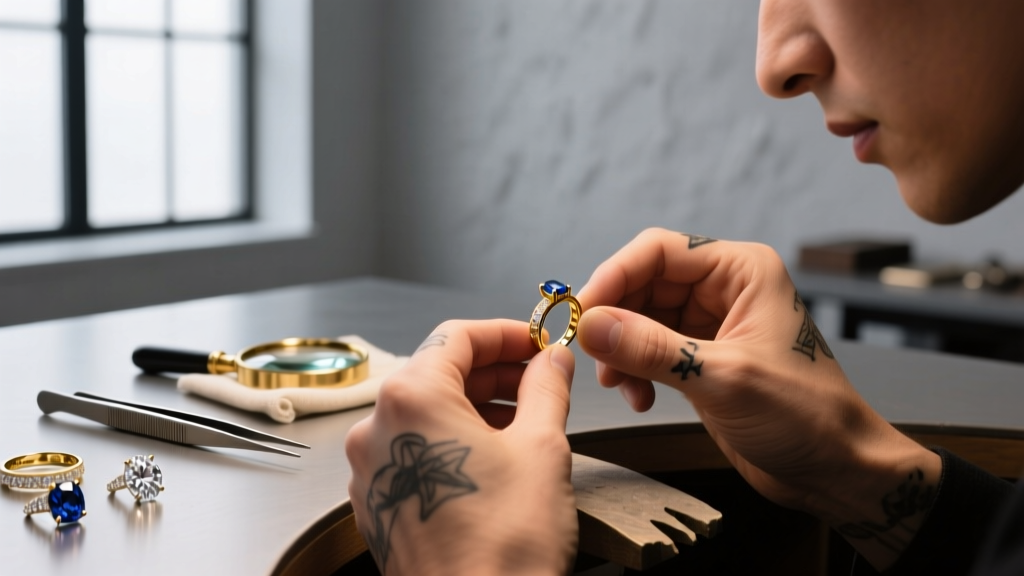
The Federal Trade Commission (FTC) strictly regulates precious metal hallmarks, yet counterfeit stamping remains rampant in unregulated online marketplaces. A common deception involves soldering a genuine 925 silver tag onto a brass or copper chain. To protect your budget, rely on multi-point verification rather than a simple visual stamp check.
The Magnet Test: Silver is paramagnetic, meaning it exhibits no noticeable magnetic attraction. If your chain is pulled toward a strong neodymium magnet, it contains a ferromagnetic core like iron or steel. However, note that brass and copper are also non-magnetic, so passing this test does not guarantee silver content.
The Ice Cube Test: Silver possesses the highest thermal conductivity of any common metal. Place an ice cube on the chain; it should begin melting almost instantaneously, significantly faster than it would on a stainless steel or brass surface. The chain itself should become painfully cold to the touch within seconds as it rapidly transfers the ambient heat into the ice.
Acid Testing: For absolute certainty, use a precious metal testing kit. A drop of nitric acid on a discreet, filed area of the chain will turn a creamy white if the silver is genuine 925. If the acid turns green, you are dealing with a copper-heavy base metal or a silver-plated fake. While this requires a $15 investment in a testing kit, it is a necessary expense for anyone regularly buying men's silver jewelry on the secondary market or from independent vendors.
Final Verdict: Maximizing Your Silver Investment
Ultimately, a silver necklace mens 925 remains one of the most versatile and enduring accessories in a man's wardrobe. To extract maximum value, avoid the absolute bottom of the pricing barrel. Allocate your budget toward solid, unsoldered-link chains with robust clasps, and strongly consider Argentium silver if you want to minimize lifetime maintenance costs. By understanding the melt-value baseline and recognizing the structural hallmarks of quality craftsmanship, you can confidently navigate the market and secure a piece that offers both immediate style and long-term metallurgical integrity.
Furthermore, consider the resale and scrap value. While you should buy jewelry to wear and not purely as a financial asset, a solid 925 silver chain retains intrinsic melt value that plated or stainless steel alternatives completely lack. If you ever decide to upgrade or liquidate, a reputable coin dealer or scrap buyer will always pay a percentage of the spot price for genuine sterling. This inherent floor value is what separates a true budget-conscious investment from a mere disposable fashion expense. Treat your silver with respect, store it in anti-tarnish cloth pouches when not in use, and it will outlast fleeting trends.


