Troubleshooting a Mens Amber Necklace: Fakes, Fixes & Care
Troubleshoot common issues with your mens amber necklace. Learn how to spot fakes, fix broken stringing, and clean cloudy Baltic amber beads.

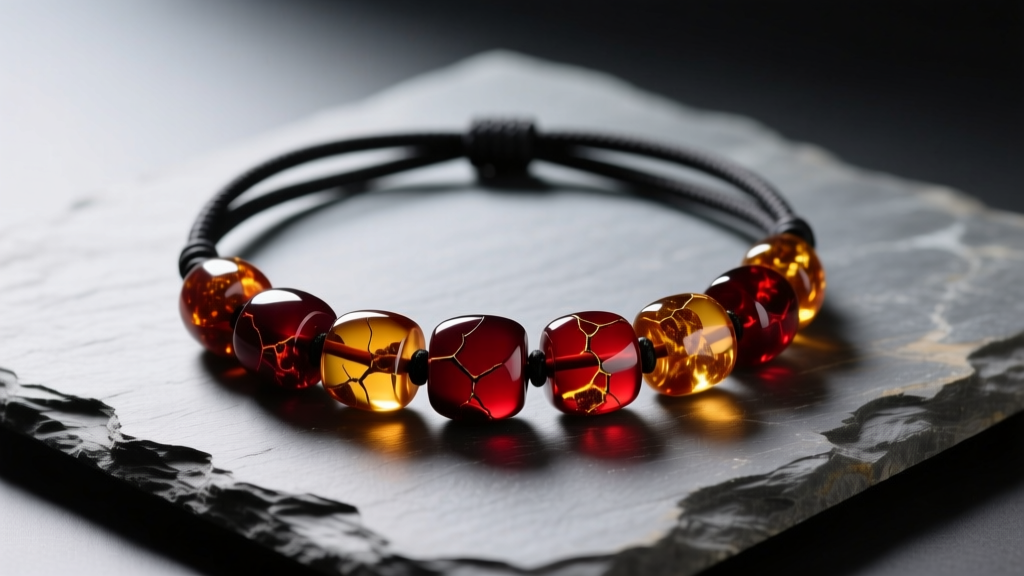
The 3 Most Common Mens Amber Necklace Problems
Men's amber necklaces, particularly those featuring large-format Baltic beads (12mm to 18mm), are striking statement pieces. However, their organic nature and the sheer weight of oversized beads create unique structural and maintenance challenges. Whether you are dealing with a snapped cord, cloudy resin, or the sinking suspicion that your prized piece is actually plastic, this guide provides expert-level troubleshooting for your mens amber necklace. According to the Gemological Institute of America (GIA), amber is a fossilized tree resin that requires specific care protocols vastly different from crystalline gemstones. Below, we break down the exact diagnostics and repairs needed to restore and authenticate your jewelry.
Authentication Troubleshooting: Real Baltic Amber vs. Fakes
The market is flooded with amber imitations. Because a high-quality mens amber necklace commands a premium price, verifying the authenticity of your beads is the first critical troubleshooting step. The most common fakes are copal (immature resin), glass, and modern polymers.
The Saltwater Float Test
Authentic Baltic amber has a specific gravity of 1.05 to 1.10, meaning it is incredibly close to the density of water. You can use this physical property to separate real amber from glass and most plastics. Mix one part table salt to two parts warm water in a glass. Stir until the salt is completely dissolved. Drop a single bead from your necklace into the solution. Genuine amber will float or suspend in the middle, while glass and heavy plastics will immediately sink to the bottom. Note: Copal will also float, so this test must be paired with others.
The UV Light & Hot Pin Tests
For definitive authentication, use a long-wave (365nm) UV flashlight. In a dark room, shine the light on the beads. Genuine Baltic amber will fluoresce a distinct pale blue or greenish-blue. Copal glows a dull white, and plastic will not fluoresce at all.
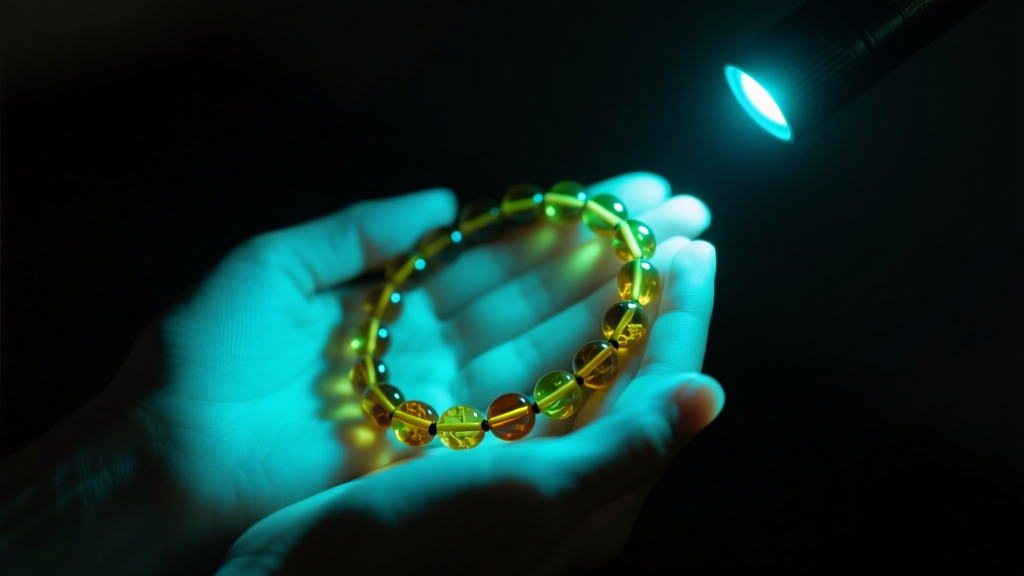
If you are willing to risk a microscopic blemish on a single bead, the hot pin test is the ultimate decider. Heat a sewing needle until it is red hot and touch it to an inconspicuous area of the bead (like the drill hole). Real amber will emit a pleasant, piney incense smoke and leave a tiny white mark. Copal will melt and become sticky, while plastic will emit a harsh, chemical odor and melt instantly.
| Material | Specific Gravity | UV Reaction | Hot Pin Reaction | Mohs Hardness |
|---|---|---|---|---|
| Baltic Amber | 1.05 - 1.10 | Bright Blue/Green | Piney smoke, white mark | 2.0 - 2.5 |
| Copal | 1.03 - 1.08 | Dull White | Melts, sticky, sweet smell | 1.5 - 2.0 |
| Glass | 2.20 - 4.00 | None | No reaction, glass stays hard | 5.5 - 7.0 |
| Plastic/Resin | 1.15 - 1.40 | None or Chalky | Acrid smoke, melts, black mark | 2.0 - 3.0 |
Structural Failures: Why Your Amber Beads Keep Snapping
The most frequent complaint regarding a heavy mens amber necklace is recurrent string breakage. Large 14mm to 18mm amber beads can easily weigh over 60 grams in total. When strung on standard cotton or cheap nylon, the friction from the rough interior drill holes of the amber slowly saws through the cord, leading to catastrophic failure.
Upgrading the Stringing Material
To permanently solve this issue, you must abandon traditional silk or cotton threads. Instead, restring the necklace using a multi-strand stainless steel beading wire or a high-tensile synthetic thread. The Mindat mineral database notes that amber's low Mohs hardness (2.0-2.5) means the bead itself won't be damaged by steel wire, but the wire will easily withstand the abrasive interior of the drill holes.
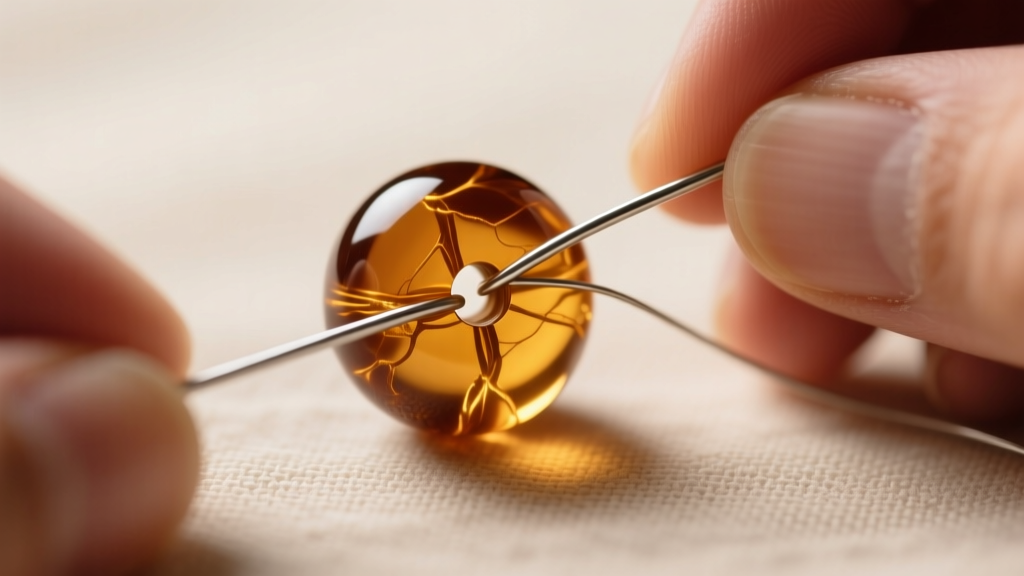
- For Beads 10mm - 12mm: Use 49-strand stainless steel micro-wire in a 0.018-inch gauge. It offers excellent drape while supporting up to 30 lbs of tensile strength.
- For Beads 13mm - 18mm: Upgrade to a 0.024-inch gauge 49-strand wire (such as Beadalon). This prevents the heavy beads from kinking the wire at the clasp point.
- The Knotting Alternative: If you prefer the traditional knotted look, use Griffin Size G (0.40mm) 100% natural silk thread, but you must re-string and replace the thread every 18 months to prevent rot and snapping.
When finishing the restring, always use 2x2mm sterling silver crimp beads and a wire protector (French wire) at the clasp loop. This prevents the sharp edge of the lobster clasp from shearing the steel wire over time.
Surface Troubleshooting: Fixing Cloudy or Scratched Amber
Amber is highly porous and susceptible to environmental damage. Daily exposure to sweat, cologne, and skin oils will cause a once-glossy mens amber necklace to turn cloudy, dull, and opaque. Furthermore, because it ranks so low on the Mohs scale, storing it in a jewelry box alongside metal chains or quartz crystals will result in severe micro-scratching.
The Olive Oil Polish Method
Do not use commercial jewelry cleaners, ultrasonic machines, or steamers. The International Amber Association strictly warns against exposing amber to alcohol, acetone, or harsh chemical solvents, as these will cause the resin to craze (develop a network of fine internal cracks). To restore the luster:
- Wipe the beads down with a damp, lint-free microfiber cloth to remove surface oils and dirt.
- Apply a single drop of extra virgin olive oil to a clean, soft cotton cloth.
- Gently buff each amber bead in a circular motion for 10 to 15 seconds. The oil fills in microscopic surface scratches and rehydrates the outer layer of the resin.
- Wipe away any excess oil with a dry cloth to prevent it from transferring to your clothing.
Expert Warning: Never leave your amber necklace in direct sunlight or on a hot car dashboard. Prolonged UV and heat exposure will cause the amber to oxidize, turning light cognac beads into a dark, brittle, and heavily crazed cherry-red over time.
Sizing, Fit, and Clasp Failures
Men generally require longer necklace lengths than women due to broader necks and chest circumferences. A standard 18-inch necklace will often choke a man or sit awkwardly above the collarbone. For a comfortable, masculine drape that rests on the upper chest, a mens amber necklace should be sized between 20 and 24 inches.
Additionally, heavy amber beads place immense stress on clasps. Magnetic clasps are highly discouraged for heavy amber necklaces; the sheer weight of the beads pulling downward will easily overcome the magnetic attraction, resulting in a lost necklace. Always troubleshoot clasp failures by upgrading to a heavy-duty sterling silver lobster claw or a threaded barrel clasp, ensuring the jump rings are soldered shut or made of thick-gauge wire.
Conclusion
Maintaining a mens amber necklace requires an understanding of its unique organic properties. By verifying authenticity through density and UV tests, upgrading the stringing material to support heavy bead formats, and utilizing safe, oil-based polishing techniques, you can ensure your necklace remains a durable and striking accessory for decades. Treat the resin with respect, avoid chemical solvents, and your amber will retain its prehistoric warmth and brilliance.


