Male Ruby Necklace Value Guide: 2026 Pricing & Budget Tips
Discover the true value of a male ruby necklace in 2026. Compare lab-grown vs. natural stones, metal costs, and avoid overpaying with our budget guide.

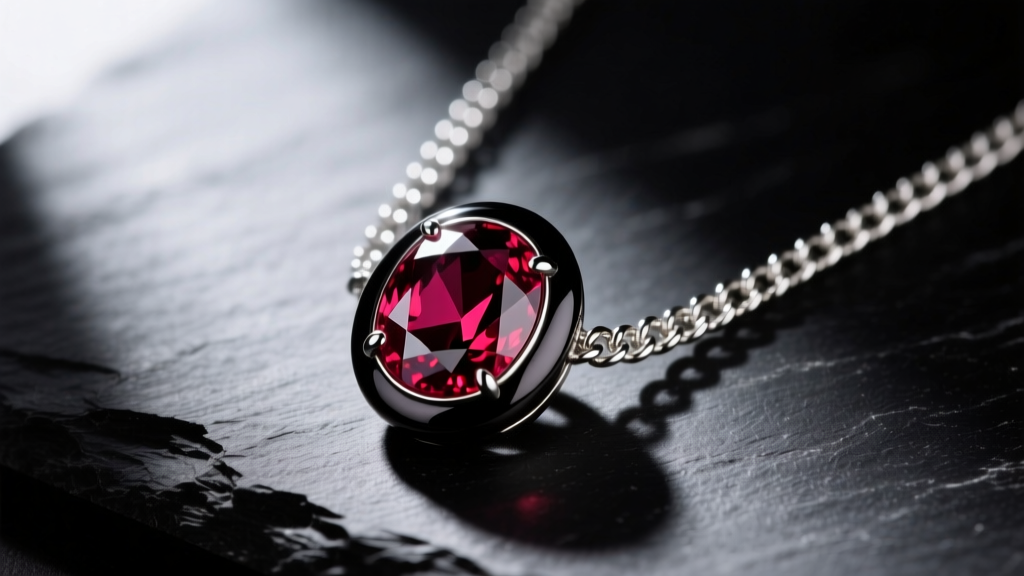
When shopping for a male ruby necklace, the line between a striking statement piece and an overpriced liability is razor-thin. The men's fine jewelry market has exploded, and with it, a flood of misleading pricing, composite stones, and overpriced fashion-grade metals. As we navigate the 2026 jewelry market, understanding the true value of rubies and the structural requirements of masculine chain necklaces is critical for protecting your budget.
This comprehensive value assessment breaks down exactly what you should pay for a men's ruby pendant and chain, where you can safely cut costs, and which "bargains" are actually expensive traps.
The 2026 Pricing Landscape: What Should You Actually Pay?
A common mistake men make when buying gemstone jewelry is assuming that all rubies carry the same premium price tag. In reality, the term "ruby" encompasses a massive spectrum of value. According to the Gemological Institute of America (GIA), ruby is the most valuable variety of the corundum mineral species, but its price is dictated heavily by origin, treatment, and whether it was grown in a lab or mined from the earth.
For a masculine pendant, you generally want a stone between 1.0 and 3.0 carats. Anything smaller gets lost on a thicker men's chain; anything larger can look ostentatious unless styled deliberately. Here is a realistic budget breakdown for a 1.5-carat center stone in 2026:
- High-End Investment (Natural, Unheated Burmese): $4,500 - $12,000+
- Smart Fine Jewelry (Natural, Heated African/Mozambique): $800 - $2,500
- Everyday Luxury (Lab-Grown): $200 - $500
- Fashion/Trap Tier (Lead-Glass Filled): $20 - $80
Natural vs. Lab-Grown: Where Your Budget Goes
If your primary goal is aesthetic impact and durability rather than generational wealth transfer, lab-grown rubies offer the best budget-to-visual ratio. Lab-created rubies share the exact same chemical composition (aluminum oxide) and physical hardness (9 on the Mohs scale) as natural rubies.
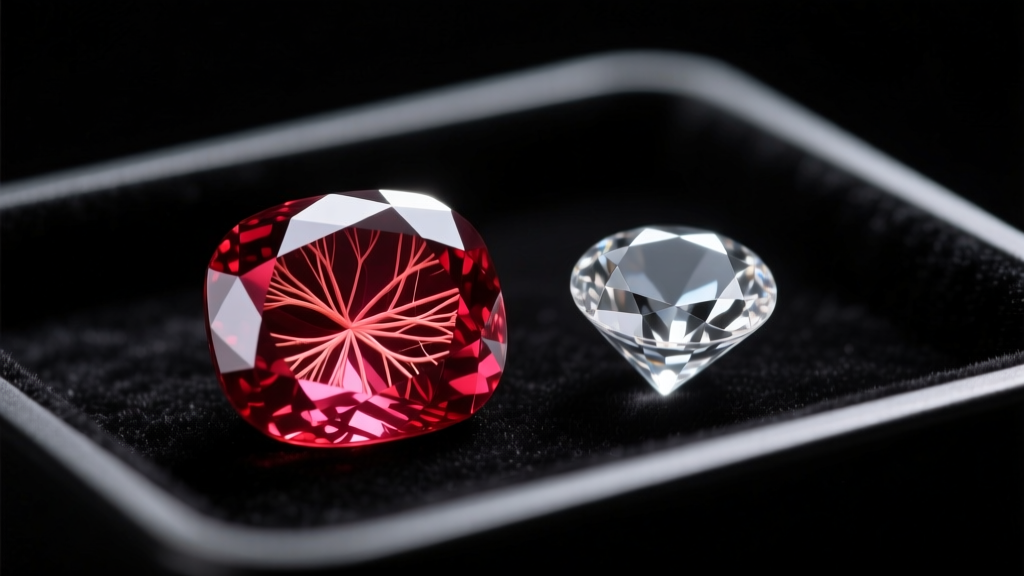
However, the male ruby necklace market often pushes natural stones with heavy inclusions at premium prices simply because they are "natural." Below is a comparative value matrix to help you decide where to allocate your funds.
| Ruby Type | 1.5-Carat Price Range (2026) | Visual Clarity | Durability & Value Retention |
|---|---|---|---|
| Natural Unheated (Burmese) | $4,500 - $12,000+ | Moderate to High | Excellent; appreciates over time |
| Natural Heated (Mozambique) | $800 - $2,500 | High | Very Good; retains moderate value |
| Lab-Grown (Flame Fusion) | $200 - $500 | Flawless | Excellent; zero resale value |
| Lead-Glass Filled (Composite) | $20 - $80 | High (Deceptive) | Poor; highly prone to shattering |
The "Burgundy" Budget Hack for Men
Here is an industry secret that saves buyers thousands: the most expensive rubies are those with a vivid, highly saturated "pigeon blood" red fluorescence. However, deeper, darker burgundy or garnet-leaning rubies are significantly more affordable per carat. For men's jewelry, these darker, moodier tones often pair much better with streetwear, leather jackets, and tailored suits than bright, fiery reds. By intentionally seeking out natural rubies with darker, slightly brownish-red undertones, you can secure a 100% natural, earth-mined stone for 40% to 60% less than the premium bright-red equivalents.
Chain Gauges and Metals: Hidden Cost Drivers
The pendant is only half the equation. A masculine ruby pendant requires a chain that can support its weight without looking delicate or snapping. Many budget jewelers pair heavy pendants with flimsy 1.5mm or 2mm chains to keep the total package price under $500. This is a structural failure waiting to happen.
Optimal Chain Gauges for Men
For a standard men's ruby pendant (weighing between 5 and 15 grams), you need a chain thickness between 4mm and 6mm.
- 4mm Cuban or Figaro: The sweet spot for everyday wear. Heavy enough to make a statement, but slides easily under a t-shirt.
- 5mm - 6mm Rope or Curb: Ideal for larger, heavier pendants (3+ carats). Offers maximum tensile strength.
- Avoid: Box chains and snake chains under 3mm. They kink easily and snap under the pendulum weight of a heavy gemstone.
Metal Allocation Strategy
If you are working with a strict $1,000 budget, do not blow $800 on an 18k gold chain just to afford a low-quality, heavily included natural ruby. Instead, opt for a high-quality 925 Sterling Silver or 10k/14k Gold Vermeil chain (approx. $100 - $250) and allocate the remaining $750 toward a spectacular, eye-clean lab-grown ruby or a very respectable heated Mozambique natural ruby set in a solid 14k gold bezel.
Assessing the Setting: Durability Over Tradition
Men's jewelry takes a beating. Rings scrape against desks, and necklaces get caught on clothing or gym equipment. The setting of your male ruby necklace dictates its lifespan.
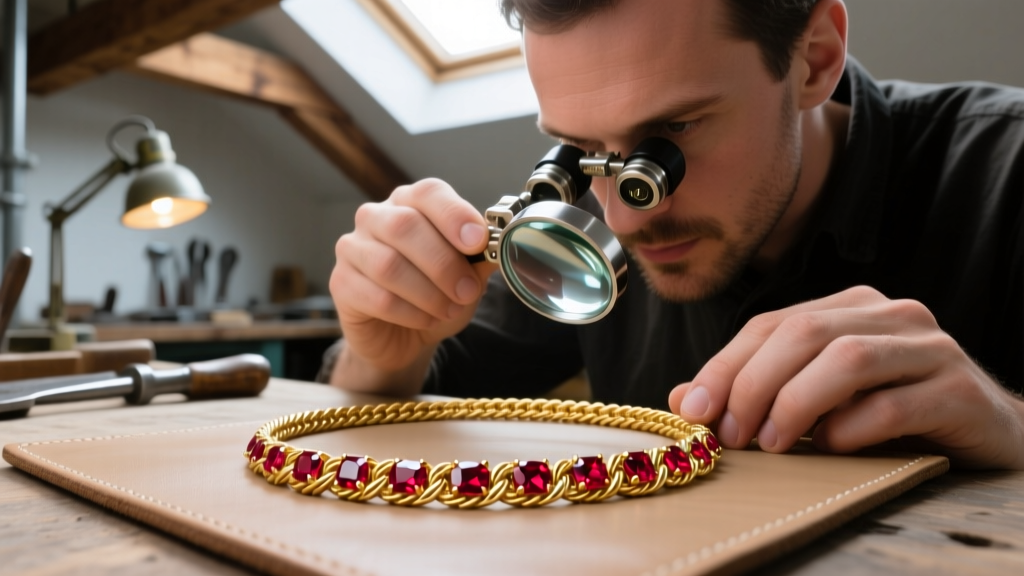
Prong Settings (The Budget Trap): Prongs use less metal, making the pendant cheaper to manufacture and allowing more light to enter the stone. However, prongs snag on fabrics and bend easily. If a prong lifts, you will lose your ruby.
Bezel Settings (The Value Winner): A full or partial bezel setting wraps a rim of metal entirely around the ruby's girdle. While it costs slightly more in metal weight and labor, it offers superior protection against impact. For an active lifestyle, a bezel-set cabochon (smooth, unfaceted) ruby in a heavy silver or gold frame is the ultimate intersection of rugged masculinity and long-term value retention.
Red Flags: How to Avoid Getting Scammed
The Federal Trade Commission (FTC) Jewelry Guides strictly regulate how gemstones can be marketed, but the online marketplace is still rife with deceptive practices. When assessing the value of a men's ruby necklace, immediately walk away if you spot these red flags:
- "Composite" or "Filled" Rubies: These are low-grade, opaque corundum stones infused with lead-glass to make them transparent. They are incredibly fragile. A simple drop on a hardwood floor, or exposure to common household acids (like lemon juice or harsh cleaning chemicals), can cause the glass to dissolve or the stone to shatter. They hold zero intrinsic value.
- Missing Metal Hallmarks: If the pendant bail or chain clasp does not feature a clear stamp (e.g., "925", "10K", "14K", "750"), you are likely buying plated brass or steel disguised as precious metal. Plating will wear off within months against the friction of the neck and chest.
- Vague Origin Claims: Sellers using terms like "Ruby Simulant," "Lab-Created Ruby *Style*," or "Czech Ruby" are selling colored glass or synthetic spinel, not actual corundum.
Final Verdict: Building Your 2026 Budget Strategy
To maximize the value of your male ruby necklace, prioritize structural integrity and visual depth over traditional gemstone premiums.
The Ultimate Budget Blueprint ($600 - $900 Total):
Allocate $150 for a 4.5mm 925 sterling silver Cuban chain with a secure lobster clasp. Spend $400 on a 2-carat, bezel-set lab-grown ruby (or a darker-hued natural heated ruby) in a 14k solid gold pendant frame. This combination guarantees a piece that looks exceptionally high-end, survives daily wear and tear, and completely avoids the depreciation trap of overpriced, low-clarity natural stones.
By understanding the mechanics of chain gauges, the reality of lab-grown corundum, and the aesthetic advantages of darker ruby tones, you can secure a powerful, masculine necklace that commands respect without compromising your financial boundaries.


