Material Guide: Choosing the Perfect Birthstone Necklace for Mom
Discover the best metals and gemstones for a birthstone necklace for mom. Compare durability, Mohs hardness, and hypoallergenic properties for daily wear.

Why Material Selection Dictates Longevity in Maternal Jewelry
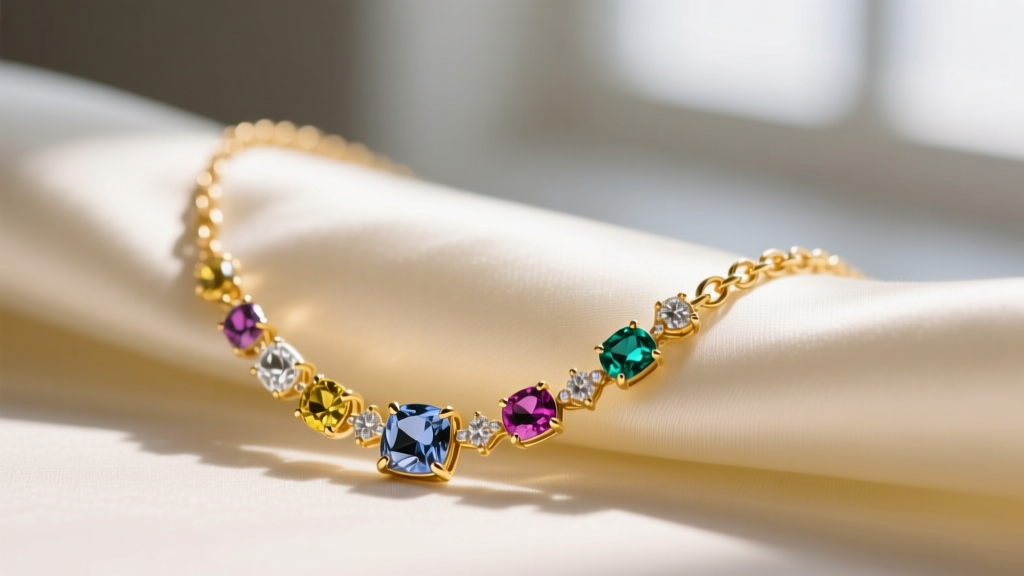
When selecting a birthstone necklace for mom, the aesthetic appeal of the gemstones often overshadows the critical importance of material science. A mother’s daily routine exposes jewelry to a unique gauntlet of environmental stressors: the acidic pH of skin care products, the sudden temperature changes of cooking, and the lateral physical impacts of carrying children or managing household tasks. To ensure a custom birthstone pendant survives decades of daily wear, one must evaluate both the gemological properties of the stones and the metallurgical integrity of the chain and settings. This guide breaks down the exact material grades, hardness scales, and structural configurations required to build a resilient, hypoallergenic, and timeless maternal necklace.
The Mohs Scale and Maternal Lifestyles
The Mohs scale of mineral hardness is the primary metric for predicting how well a birthstone will resist surface scratching and abrasion. However, hardness is only one factor; toughness (resistance to chipping) and stability (resistance to chemicals) are equally vital. For instance, April’s diamond scores a perfect 10 on the Mohs scale, making it virtually impervious to scratching. Conversely, October’s opal is a non-crystalline silica gel containing up to 20% water. With a Mohs hardness of just 5.5 to 6.5, opal is highly susceptible to 'crazing' (internal surface cracking) if exposed to sudden temperature changes or the alkaline environment of household cleaning agents.
According to the Gemological Institute of America (GIA), understanding a gem's specific stability profile is essential before setting it into a piece meant for everyday wear. Mothers who work in healthcare or frequently use harsh sanitizers should avoid porous stones like natural turquoise or untreated opals, opting instead for highly stable alternatives like lab-created sapphires or natural rubies.
Gemstone Material Grades: Natural vs. Lab vs. Simulated
The origin and treatment of a birthstone drastically alter its physical durability and price point. Below is a comparative analysis of three common material grades used in maternal birthstone jewelry.
| Material Grade | Example (May / Emerald) | Mohs Hardness | Toughness & Inclusions | Estimated Price (1 Carat) |
|---|---|---|---|---|
| Natural, Mined | Colombian Emerald | 7.5 - 8.0 | Low (Highly included 'jardin', prone to chipping) | $1,500 - $5,000+ |
| Lab-Created | Hydrothermal Emerald | 7.5 - 8.0 | Medium (Fewer inclusions, better structural integrity) | $300 - $600 |
| Simulated / Dyed | Dyed Green Quartz | 7.0 | High (Very tough, but color fades under UV exposure) | $20 - $50 |
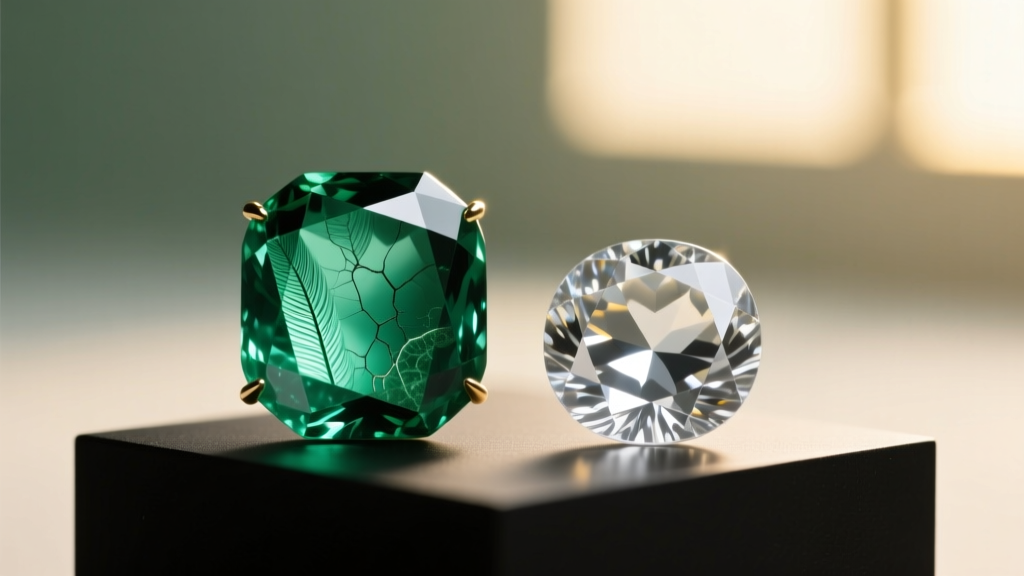
For a birthstone necklace for mom, lab-created gemstones often represent the optimal intersection of durability and value. Hydrothermal lab-created emeralds possess the exact same chemical composition (Be3Al2(SiO3)6) as their mined counterparts but lack the microscopic fracture networks that make natural emeralds notoriously brittle. This makes lab stones significantly more resistant to the accidental knocks against steering wheels and countertops that define an active mother's day.
Metallurgical Breakdown of Chain and Setting Materials
The metal securing the birthstones must possess adequate tensile strength to hold prongs securely while resisting oxidation from skin acids and lotions. Here is how the most common jewelry metals perform under daily maternal wear:
14k vs. 18k Gold
While 18k gold (75% pure gold) offers a richer, deeper yellow hue, it is relatively soft. 14k gold (58.5% pure gold) is alloyed with copper, zinc, and silver, yielding a significantly higher tensile strength. For a multi-stone birthstone pendant where tiny prongs secure 2mm to 3mm gems, 14k gold is the metallurgically superior choice to prevent prong deformation and subsequent stone loss.
Platinum (950 Grade)
Platinum alloys (typically 95% platinum and 5% ruthenium or iridium) are exceptionally dense and hypoallergenic. Unlike gold, which loses microscopic particles of metal when scratched, platinum merely displaces. This develops a soft patina over time without compromising the structural integrity of the setting. It is the ultimate choice for securing high-value natural diamonds, though it comes at a 40-60% premium over 14k gold.
Sterling Silver and Rhodium Plating
Sterling silver (92.5% silver, 7.5% copper) is highly affordable but prone to tarnishing due to the copper content reacting with sulfur in the air and human sweat. To mitigate this, high-quality silver birthstone necklaces are flash-plated with rhodium—a platinum group metal that provides a brilliant white finish and a temporary barrier against oxidation. However, this plating will wear off in 12 to 18 months with daily wear, requiring periodic re-plating.
Setting Security: Prong vs. Bezel for Active Wear
The physical architecture of the setting is just as critical as the metal it is cast from. Traditional four-prong or six-prong settings elevate the stone, maximizing light return and brilliance. However, prongs are susceptible to catching on knit sweaters, blankets, and hair, which can pull the metal away from the gemstone's girdle.
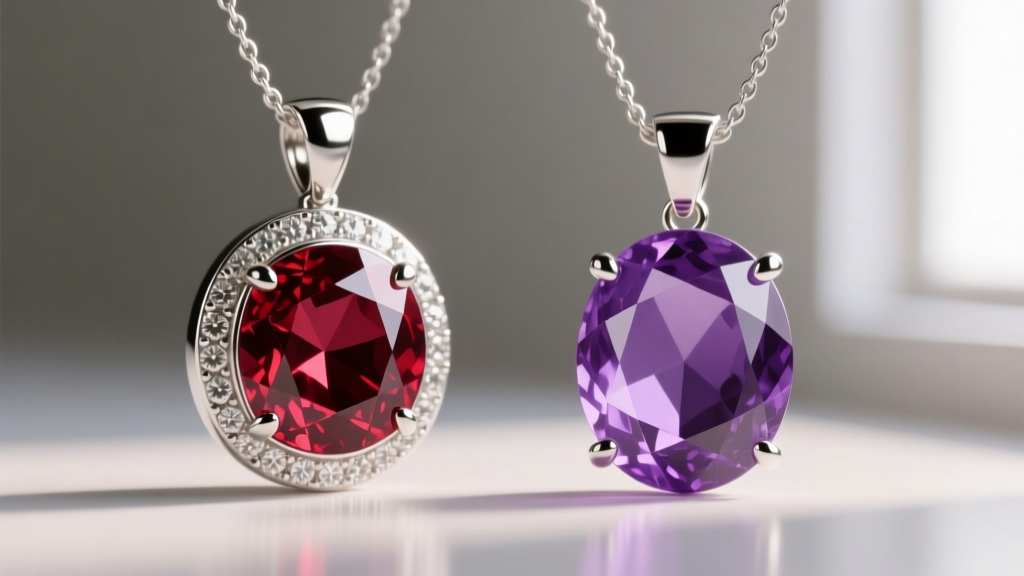
For mothers with toddlers or those who work with their hands, a bezel setting is highly recommended. In a bezel setting, a continuous rim of metal is burnished tightly over the entire perimeter of the gemstone. This not only protects the fragile edges (girdle) of the stone from direct impact but also eliminates the snagging hazard entirely. The Jewelers of America frequently recommend bezel or half-bezel settings for active individuals to minimize the risk of catastrophic stone loss.
A well-constructed bezel setting can reduce the risk of gemstone chipping by up to 80% compared to traditional elevated prong settings, making it the gold standard for maternal daily-wear jewelry.
Chemical Vulnerabilities and Daily Care Protocols
Even the most robust birthstone necklace for mom will degrade prematurely if subjected to improper chemical exposure. Understanding the porosity and chemical sensitivities of specific birthstones dictates how the piece must be maintained.
- High Porosity Stones (Pearl, Opal, Turquoise, Coral): Never use ultrasonic cleaners or steamers. The high-frequency vibrations can shatter internal structures, and heat can cause moisture loss. Clean only with a damp, lint-free microfiber cloth.
- Fracture-Filled Stones (Natural Emeralds, Rubies): Many natural stones are treated with cedar oil or epoxy resins to mask surface-reaching fractures. Harsh detergents and ultrasonic waves will strip these fillers, leaving the stone looking cloudy and heavily included. Use only lukewarm water and a pH-neutral dish soap.
- High-Stability Stones (Diamond, Sapphire, Ruby, Spinel): These corundum and carbon-based stones are highly resistant to chemicals and heat. They can be safely cleaned in ultrasonic machines or with specialized jewelry steaming pens to restore optical brilliance.
By aligning the gemological properties of the chosen birthstones with the correct metallurgical alloys and setting architectures, you can commission or purchase a birthstone necklace that transcends mere sentimentality. It becomes a durable, heirloom-grade artifact capable of withstanding the beautiful, chaotic reality of a mother's everyday life. For further reading on mineral stability and gemstone care, the British Geological Survey offers comprehensive databases on the physical properties of traditional birthstone minerals.


