The Miguel Rojas Necklace Price: 2026 Buyer's Guide
Discover the true Miguel Rojas necklace price in 2026. Compare titanium athletic chains, custom diamond pendants, and official MLB merch in our buyer guide.

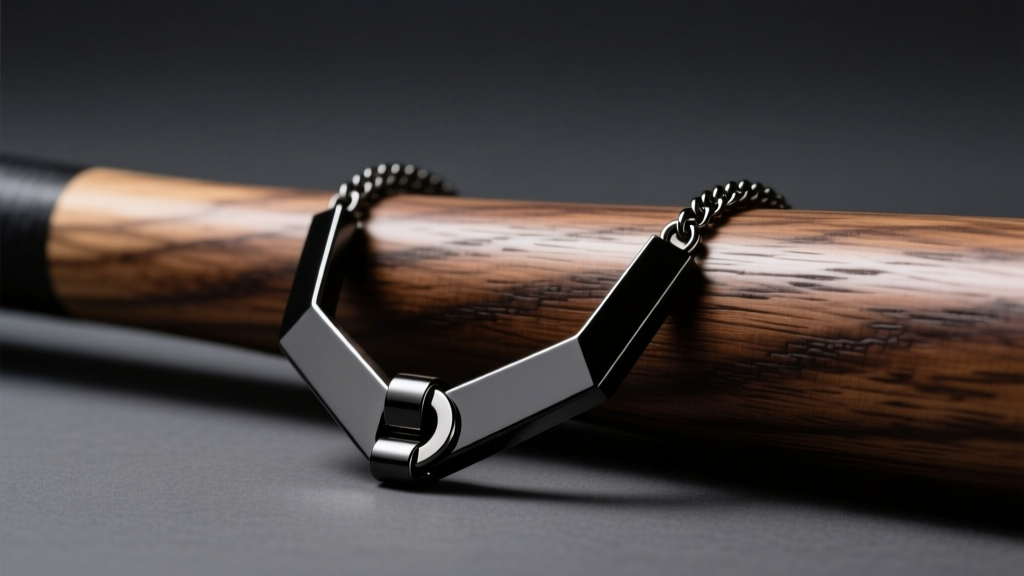
When fans and collectors search for the Miguel Rojas necklace price, they are usually navigating a highly fragmented market of sports memorabilia, performance athletic wear, and high-end custom jewelry. As a veteran infielder known for his grit and leadership, Rojas has been spotted wearing everything from performance-enhancing titanium loops to classic precious metal chains. However, the secondary market for athlete-associated jewelry is rife with counterfeits, inflated markups, and misleading material descriptions. Whether you are looking for an officially licensed MLB pendant, a game-used titanium athletic necklace, or a custom diamond chain inspired by major league aesthetics, understanding the metallurgical and authentication nuances is critical. This 2026 buying guide breaks down exactly what to look for, how to verify authenticity, and the true market value of these distinct jewelry tiers.
Decoding the Miguel Rojas Necklace Price Spectrum
The term 'Miguel Rojas necklace' does not refer to a single, monolithic product. Instead, it encompasses three distinct categories of jewelry, each with vastly different pricing structures, material compositions, and target audiences. To avoid overpaying, buyers must first identify which tier they are actually purchasing. Below is a comprehensive breakdown of the current market rates and material expectations for each category.
| Category | Primary Materials | Average Retail Price | Secondary/Game-Used Price | Best For |
|---|---|---|---|---|
| Official MLB Licensed Pendants | Sterling Silver, Enamel, Cubic Zirconia | $45 - $120 | $80 - $200 | Everyday fans, casual wear |
| Performance Titanium Athletic Chains | Aqua Titanium, Silicone, Nylon | $60 - $160 | $300 - $1,500+ (Game-Used) | Athletes, active lifestyles |
| Custom Diamond & Gold Chains | 14k/18k Gold, VVS/VS Diamonds | $3,500 - $25,000+ | $10,000 - $100,000+ (Player-Worn) | Collectors, high-end investors |
Understanding these tiers is the first step in evaluating any listing. A seller asking $800 for a brand-new, retail titanium necklace is price-gouging, while a $200 price tag on a purportedly 'game-used' custom diamond pendant is a glaring red flag for a counterfeit.
Material Science: Titanium vs. Precious Metals
To accurately assess value, you must understand the materials. Many MLB players, including Rojas, have historically worn performance titanium necklaces during games. Brands like Phiten dominate this space using proprietary technology. Their signature 'Aqua Titanium' is created by heating titanium to extreme temperatures in water, allowing the metal's properties to be integrated into nylon or silicone fabrics. When evaluating a titanium athletic necklace, check the concentration rating. Standard models feature an X30 concentration, while premium or player-issue models may feature X50 or X100 concentrations, which command a 40% to 60% price premium due to the denser titanium infusion and enhanced durability of the braided nylon exterior.
On the other end of the spectrum are custom precious metal chains. If you are looking at high-end replicas or player-worn gold chains, pay strict attention to the karat weight and gram weight. A standard 22-inch, 5mm Cuban link chain worn over a baseball jersey will typically weigh between 25 and 35 grams. In 14k gold (which is 58.5% pure gold and alloyed with copper and zinc for durability), this chain will cost between $2,500 and $4,000 based on current spot gold prices. In 18k gold (75% pure), the price jumps to $4,500 to $7,000. Always demand the exact gram weight from the seller; pricing based solely on 'chain thickness' without a gram weight is a common tactic used to sell hollowed-out, low-value jewelry.
Authentication: Avoiding Counterfeit Sports Jewelry
The secondary market for sports jewelry is heavily targeted by counterfeiters. If a listing claims a necklace is 'game-used' or 'player-issued' by Miguel Rojas, the burden of proof must be absolute. Visual provenance (like a photo of the player wearing it) is no longer sufficient, as AI-generated images and clever photoshopping have become rampant.
The MLB Hologram Standard
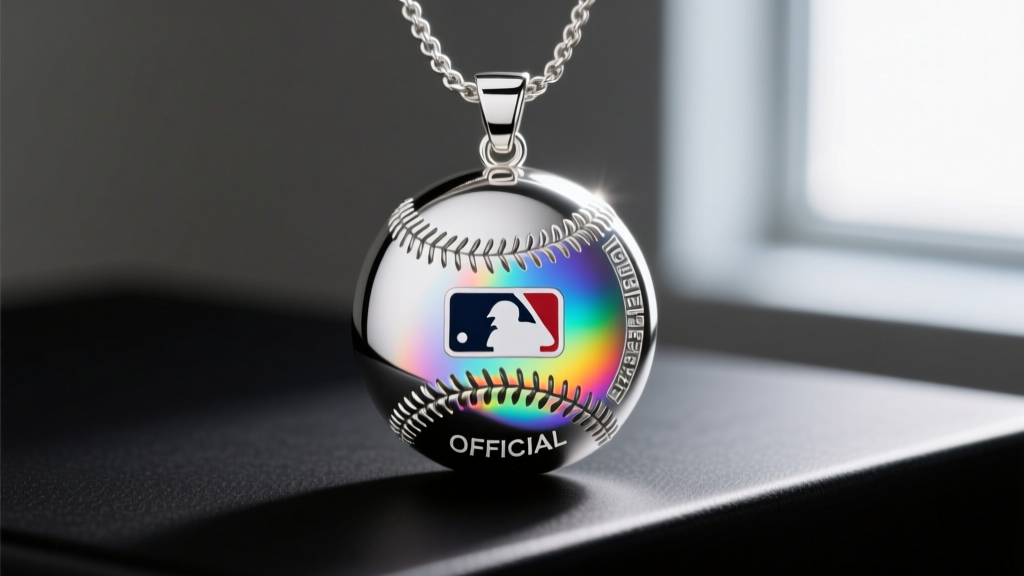
For officially licensed merchandise and player-issued retail items, look for the tamper-evident MLB hologram. Authentic holograms feature a distinct iridescent shift when tilted, revealing a hidden 'MLB' logo and a unique serial number that can be cross-referenced. Counterfeit holograms often look flat, lack the micro-printing, and use generic serial numbers that fail verification.
Third-Party Authentication (PSA/DNA)
For high-value, game-used items like a custom diamond pendant or a titanium chain worn during a specific playoff run, you must rely on elite third-party authenticators like PSA/DNA. A legitimate game-used necklace will come with a PSA/DNA Full Letter of Authenticity (LOA), not just a 'Quick Opinion' or a certificate from an unknown, fly-by-night authentication company. The LOA will include a high-resolution photo of the exact item, a unique certification number, and the holographic sticker affixed directly to the jewelry's clasp or accompanying display case. If the seller cannot provide a verifiable PSA or JSA (James Spence Authentication) certification number, walk away immediately.
Sizing, Fit, and Hardware Durability
When purchasing athletic or sports-inspired necklaces, sizing and hardware are frequently overlooked but critically important for longevity. Baseball players typically wear chains in two distinct lengths: 18 to 20 inches for wearing under the jersey (resting on the collarbone), and 22 to 24 inches for wearing over the jersey during batting practice or post-game interviews.
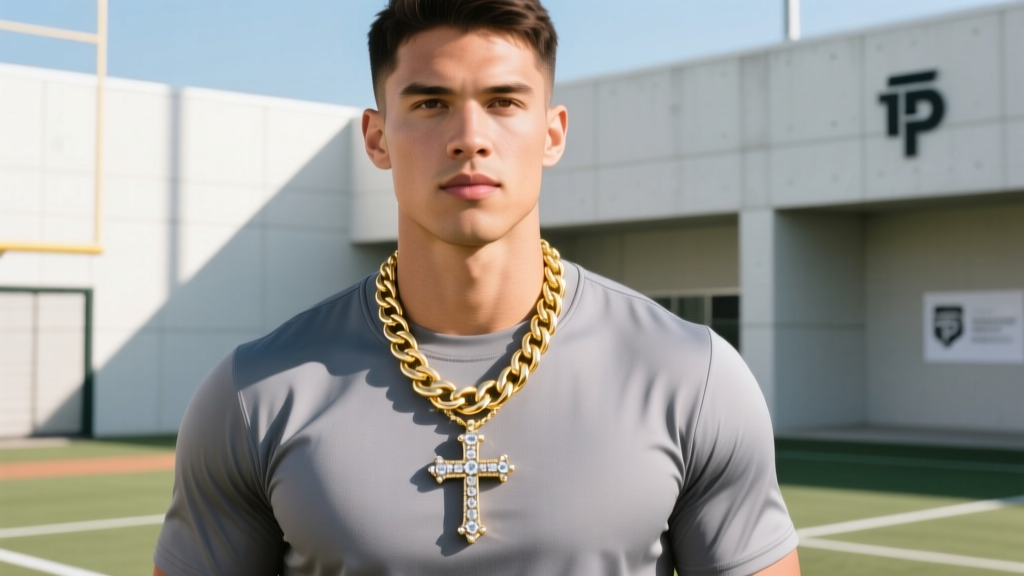
Equally important is the clasp mechanism. For heavy gold chains or thick titanium athletic loops, a standard spring-ring clasp is entirely inadequate and will eventually snap under the weight or tension of athletic movement. Always look for a reinforced lobster clasp or a custom box clasp with a secondary safety latch. For titanium performance necklaces, ensure the clasp is made of surgical-grade stainless steel or anodized aluminum, as cheap base-metal clasps will corrode rapidly when exposed to sweat and humidity. According to the official MLB Shop guidelines for licensed apparel and accessories, hardware should always be stamped with a material hallmark or brand insignia to guarantee quality control.
Final Verdict: Which Tier Should You Buy?
Ultimately, the true Miguel Rojas necklace price depends entirely on your intent as a buyer. If you want a durable, sweat-proof accessory for the gym or the diamond, a retail performance titanium necklace in the $80 to $120 range offers the best utility and material integrity. If you are a dedicated collector seeking a piece of baseball history, expect to pay a premium of $500 to $2,000+ for a properly authenticated, game-used titanium or silver chain backed by a PSA/DNA Full LOA. By focusing on exact gram weights, metallurgical compositions, and rigorous third-party authentication, you can navigate the sports jewelry market with confidence and avoid the costly pitfalls that trap uninformed buyers.


