Millennium Necklace Materials: A 2026 Comparison Guide
Compare original Y2K millennium necklace materials with modern 2026 upgrades. Discover durability, skin safety, and styling tips for retro chokers.

The Resurgence of the Millennium Necklace
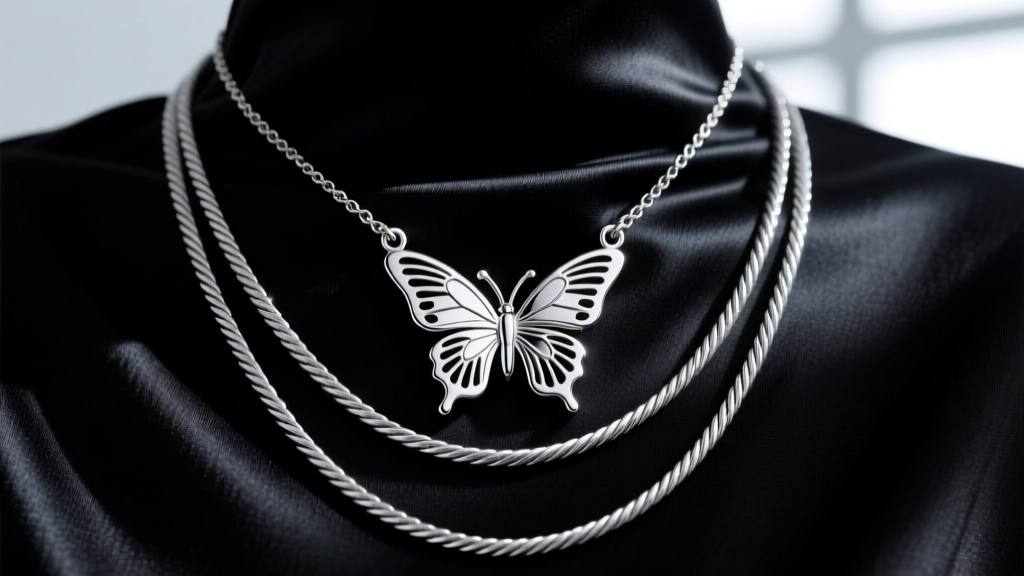
The millennium necklace—characterized by its Y2K-era aesthetics, layered chains, butterfly motifs, and chunky plastic chokers—has firmly re-established itself in mainstream jewelry trends by 2026. However, as collectors and new enthusiasts hunt for these nostalgic pieces, a critical issue emerges: the metallurgical and polymeric realities of early 2000s manufacturing. Original Y2K jewelry was largely produced as fast-fashion accessories, prioritizing low costs over longevity or biocompatibility.
Today, modern jewelers are recreating the millennium necklace using advanced materials that honor the nostalgic silhouette while solving the severe durability and allergy issues of the past. In this guide, we break down the exact material properties, failure modes, and upgrade paths for the iconic millennium necklace.
Base Metals: Pot Metal vs. Implant-Grade Titanium
The most significant difference between a vintage 2001 millennium necklace and a 2026 reproduction lies in the base metal. Original pieces were predominantly cast from Zamak alloys (a family of zinc alloys containing aluminium, magnesium, and copper), colloquially known in the jewelry trade as "pot metal."
The Problem with Vintage Zamak
Zamak 3 and Zamak 5 alloys are highly susceptible to intergranular corrosion when exposed to the acids in human sweat. Furthermore, vintage manufacturing processes frequently utilized nickel as a brightening agent in the electroplating layer. According to the National Center for Biotechnology Information, nickel allergy affects up to 20% of the global population, triggering severe contact dermatitis when the plating wears through to the base alloy.
The 2026 Upgrade: ASTM F136 Titanium
Modern artisan jewelers crafting high-end millennium necklaces now utilize ASTM F136 implant-grade titanium. Unlike 316L surgical steel, which still contains trace amounts of nickel (8-12%), F136 titanium is entirely nickel-free. It offers a tensile strength of 860 MPa, ensuring that delicate 18-gauge (1.0mm) Y2K-style cable chains will not snap under the tension of heavy pendant layering.
Polymers and Plastics: PET vs. Medical-Grade TPU
No millennium necklace collection is complete without the iconic "tattoo choker." Originally, these stretchy, woven plastic bands were extruded from PET (Polyethylene terephthalate) or low-grade nylon. While PET is excellent for water bottles, it performs poorly as a wearable polymer.
- UV Degradation: Vintage PET chokers yellow and become brittle after prolonged exposure to ultraviolet light and skin oils.
- Memory Loss: The elastic memory of 2000s PET degrades within 6-12 months of daily wear, resulting in a sagging, warped silhouette.
The Modern Solution: In 2026, premium tattoo chokers are woven from Medical-Grade TPU (Thermoplastic Polyurethane) or Bioflex PTFE. TPU offers superior abrasion resistance, retains its elastic memory indefinitely, and is completely hypoallergenic. When sourcing a modern millennium necklace choker, always verify the polymer grade; a high-quality TPU choker will retail between $25 and $45, compared to the $5 price tag of vintage fast-fashion variants.
Embellishments: Lead Glass vs. Lab-Grown Alternatives
The quintessential millennium pendant—such as the highly coveted Swarovski Millennium Swan—relied heavily on leaded glass crystals to achieve a high refractive index. Leaded crystal typically contains 24% to 32% lead oxide (PbO). While beautiful, the World Health Organization strictly warns against prolonged dermal and environmental lead exposure, prompting a massive industry shift.
Modern Refractive Alternatives
To replicate the intense "fire" of Y2K rhinestones without the toxicity, modern manufacturers use two primary alternatives:
- Lead-Free Barium Glass: Utilizes barium oxide and zinc oxide to maintain a high refractive index (RI of 1.7) safely.
- Lab-Grown Moissanite & AAAA Cubic Zirconia: For high-end millennium necklace replicas, jewelers are setting lab-grown stones. According to the Gemological Institute of America (GIA), modern CZ offers a hardness of 8-8.5 on the Mohs scale, vastly outperforming the 5-6 hardness of vintage glass rhinestones, which are prone to scratching and clouding.
Material Properties & Pricing Comparison Table
| Component | Vintage Y2K Material (1998-2005) | Modern 2026 Upgrade | Durability & Safety Profile | Avg. Price Range |
|---|---|---|---|---|
| Base Metal | Zamak / Pot Metal (Nickel plated) | ASTM F136 Titanium / Niobium | High corrosion resistance, 100% hypoallergenic | $65 - $140 |
| Choker Band | PET / Low-Grade Nylon | Medical TPU / Bioflex PTFE | UV resistant, permanent elastic memory | $25 - $45 |
| Chain Gauge | 0.8mm - 1.0mm (Snake chain) | 1.2mm - 1.6mm (Box / Cable chain) | Resists kinking and interlocking breakage | $30 - $85 |
| Crystals | Leaded Glass (24% PbO) | Barium Glass / Lab-Grown CZ | Mohs 8.5, non-toxic, scratch-resistant | $40 - $120 |
Actual Failure Modes: Why Vintage Pieces Break
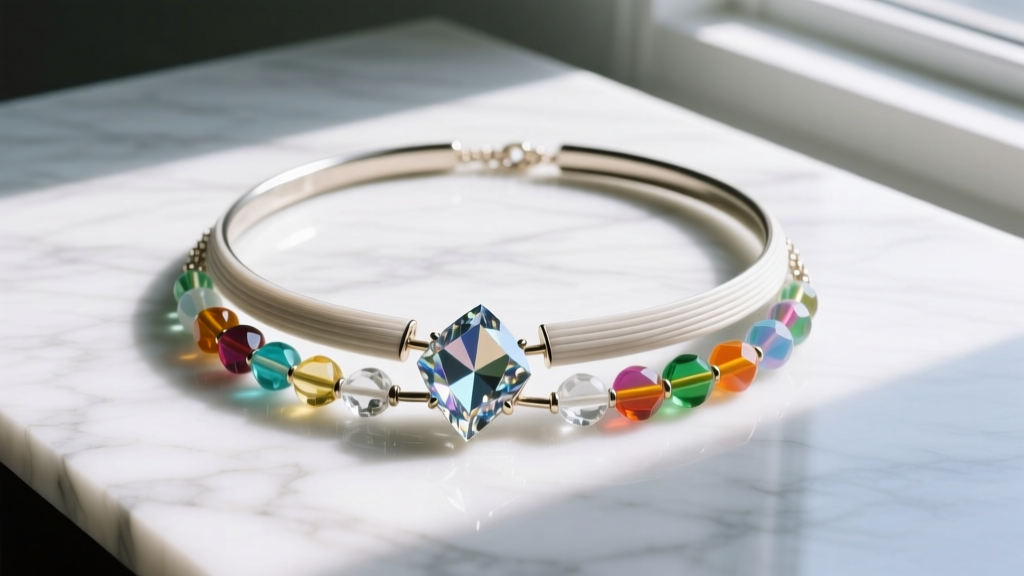
If you are restoring or wearing an authentic vintage millennium necklace, you must be aware of its structural vulnerabilities. The most common failure modes we see in our repair studio include:
Stylist Note: Never sleep in a vintage Y2K snake chain. The interlocking metal bands are notorious for trapping skin oils and snapping under lateral torsion. Always swap to a reinforced 14-gauge box chain for daily wear.
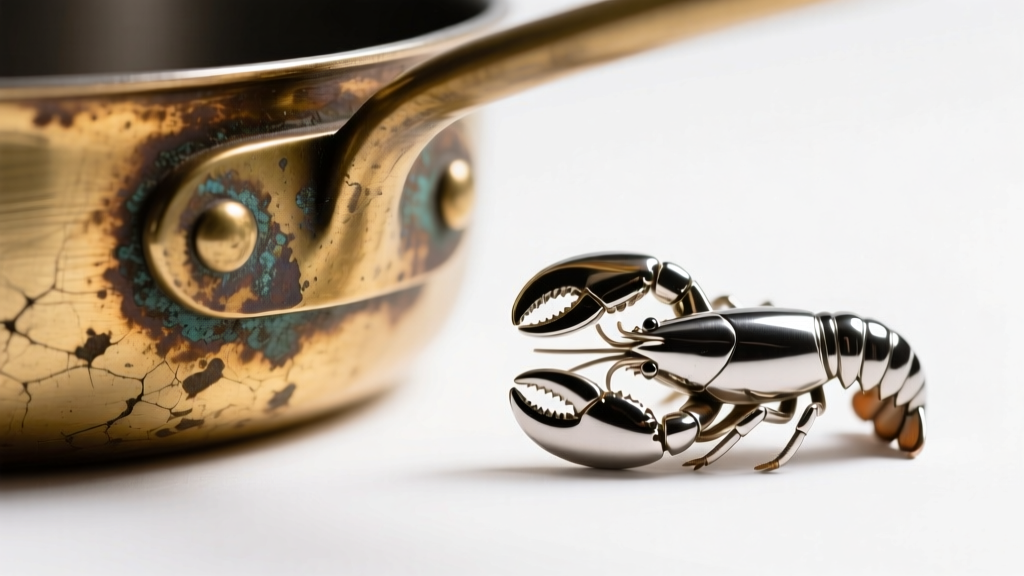
- Spring Ring Clasp Fatigue: Vintage spring rings utilized cheap internal steel springs that rust and seize. Modern upgrades utilize solid titanium lobster clasps with reinforced jump rings.
- Epoxy Resin Degradation: The rhinestones on early 2000s pendants were often set using low-grade epoxy. Over two decades, this adhesive turns yellow and brittle, causing stones to drop out. Modern pieces use UV-cured optical resins or prong settings.
- Acrylic Bead Crazing: Chunky Y2K acrylic beads suffer from "crazing" (micro-fractures) when exposed to modern alcohol-based perfumes and hand sanitizers.
How to Source and Authenticate Millennium Pieces
When hunting for a genuine millennium necklace in 2026, provenance and material testing are key. If purchasing vintage, use a neodymium magnet to test the base metal; authentic precious metals and high-grade titanium are non-magnetic, whereas many cheap pot-metal alloys contain ferrous impurities that will weakly attract a magnet. For modern replicas, demand a mill certificate or explicit confirmation of ASTM F136 titanium from the vendor. Avoid listings that vaguely describe the metal as "alloy" or "Tibetan silver," as these are modern euphemisms for leaded pot metal.
Final Verdict: Wearing the Millennium Necklace Safely
The millennium necklace remains a masterclass in nostalgic layering and playful self-expression. However, the romanticism of the Y2K era should not override modern dermatological safety. By swapping out degrading Zamak alloys for implant-grade titanium, and replacing brittle PET plastics with medical-grade TPU, you can preserve the iconic 2000s silhouette while ensuring your jewelry remains a permanent, skin-safe staple in your collection for decades to come.


