The Most Popular Necklaces Right Now: 2026 Beginner Style Guide
Discover the most popular necklaces right now with our 2026 beginner guide. Learn about materials, chain styles, and how to layer flawlessly.

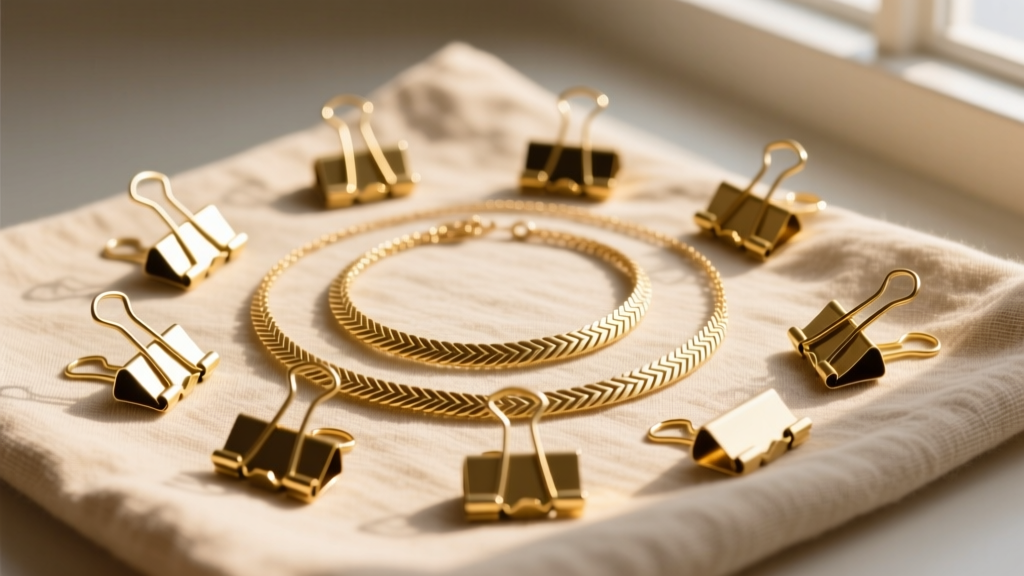
Decoding the Trends: What Makes a Necklace Popular in 2026?
If you are stepping into the world of jewelry, figuring out which pieces to invest in can feel overwhelming. The landscape of everyday jewelry has shifted dramatically. Fast-fashion alloys are out, and modular, durable, and highly personal pieces are in. When we look at the most popular necklaces right now, the focus is entirely on versatility, metal integrity, and intentional layering. As a beginner, understanding the anatomy of these trending styles will save you hundreds of dollars in replacement costs and help you build a core collection that lasts.
In this guide, we will break down the exact chain styles dominating 2026, the material grades you need to look for, and the structural failure points that beginners often overlook. Whether you are buying your first solid gold piece or exploring high-quality alternatives, this framework will guide your choices.
The Big Three: Popular Necklaces Right Now Explained
While trends cycle quickly, the current market is defined by three foundational chain styles that serve as the backbone of modern layering. Let us examine the specific dimensions and structural requirements for each.
1. The Elevated Paperclip Chain
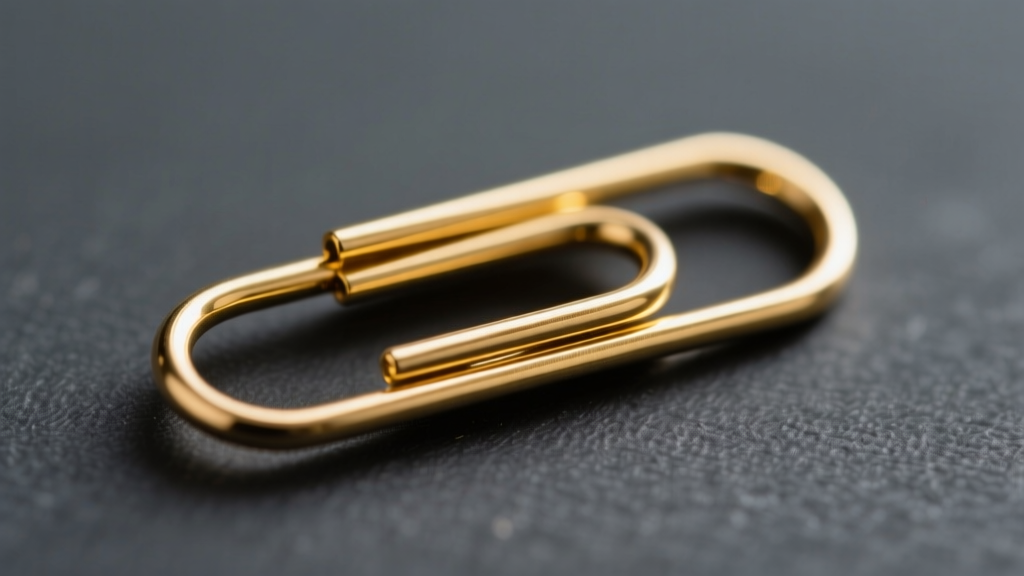
The paperclip chain has evolved from a fleeting trend into a permanent jewelry staple. Characterized by elongated, rectangular links, this style catches the light beautifully while remaining relatively lightweight. However, not all paperclip chains are created equal.
- Ideal Dimensions: For everyday wear, look for a link width between 3mm and 5mm. Anything wider becomes heavy and prone to pulling on body hair, while anything narrower loses the distinct geometric aesthetic.
- Wire Gauge Matters: The thickness of the wire used to form the links is critical. An 18-gauge wire offers the structural integrity needed to resist denting and warping. Chains made with 20-gauge or 22-gauge wire will easily deform if snagged on clothing.
- Clasp Selection: Never buy a heavy paperclip chain with a spring-ring clasp. Always opt for a lobster claw clasp attached via a soldered jump ring to prevent accidental unclasping and loss.
2. Mixed-Metal Herringbone Chokers
Two-tone jewelry is having a massive moment, and the herringbone weave is the preferred canvas. Herringbone chains feature flat, narrow links woven in a continuous, fluid pattern that mimics the bones of a fish. They lay perfectly flat against the collarbone, making them ideal for choker lengths (14 to 16 inches).
Expert Warning: Herringbone chains have a notorious failure mode: kinking. Because the links are flat and tightly packed, bending the chain sharply against its natural drape will permanently deform the metal. Always store herringbone chains laid flat or hung vertically, and never sleep in them.
3. Modular Charm Lockets
Personalization remains a dominant force in 2026. Instead of buying pre-charmed bracelets or necklaces, beginners are investing in high-quality, modular locket pendants. These feature oversized bales (the loop that slides over the chain) allowing you to swap out heavy enamel or gemstone charms daily. Look for bales with an inner diameter of at least 4mm to ensure they glide smoothly over thicker chains like rope or Cuban links.
Material Grades & Durability: A Beginner's Cheat Sheet
Understanding metal composition is the difference between a necklace that lasts a decade and one that turns your skin green in a week. According to the Federal Trade Commission's Jewelry Guides, there are strict legal definitions for metal plating and filling. Here is how the most common beginner-friendly materials stack up.
| Material Type | Composition Standard | Avg. Price Range (16" Chain) | Durability & Lifespan |
|---|---|---|---|
| 14k Gold Vermeil | Sterling silver base plated with at least 2.5 microns of 14k gold. | $65 - $120 | 2-5 years with proper care. Prone to wearing off at friction points. |
| 14k Gold-Filled | Gold alloy constitutes at least 1/20th (5%) of total metal weight, mechanically bonded to brass. | $85 - $150 | 10-15+ years. Highly resistant to tarnish and flaking. |
| PVD-Coated Steel | 316L surgical stainless steel coated via Physical Vapor Deposition. | $40 - $80 | 5+ years. Extremely scratch-resistant, but cannot be polished if deeply gouged. |
| Solid 14k Gold | 58.5% pure gold alloyed with silver, copper, or zinc for strength. | $350 - $800+ | Lifetime. Can be polished and repaired indefinitely. |
For beginners looking for the best balance of cost and longevity, 14k gold-filled is the undisputed champion. It offers the exact look and hypoallergenic properties of solid gold at a fraction of the cost, provided you buy from reputable manufacturers who adhere to the 1/20th weight rule.
How to Measure and Match: Neckline Pairing Framework
Buying a beautiful necklace is only half the battle; styling it correctly for your outfit is where true elegance lies. The Gemological Institute of America (GIA) often emphasizes that jewelry should complement, not compete with, your wardrobe's architecture. Use this framework to match chain lengths to common necklines.
- The Crew Neck (T-Shirts & Sweaters): Opt for a 20 to 22-inch chain with a mid-sized pendant. The necklace should rest entirely below the fabric's ribbed collar to avoid looking cramped. Avoid chokers here, as they visually clash with the high neckline.
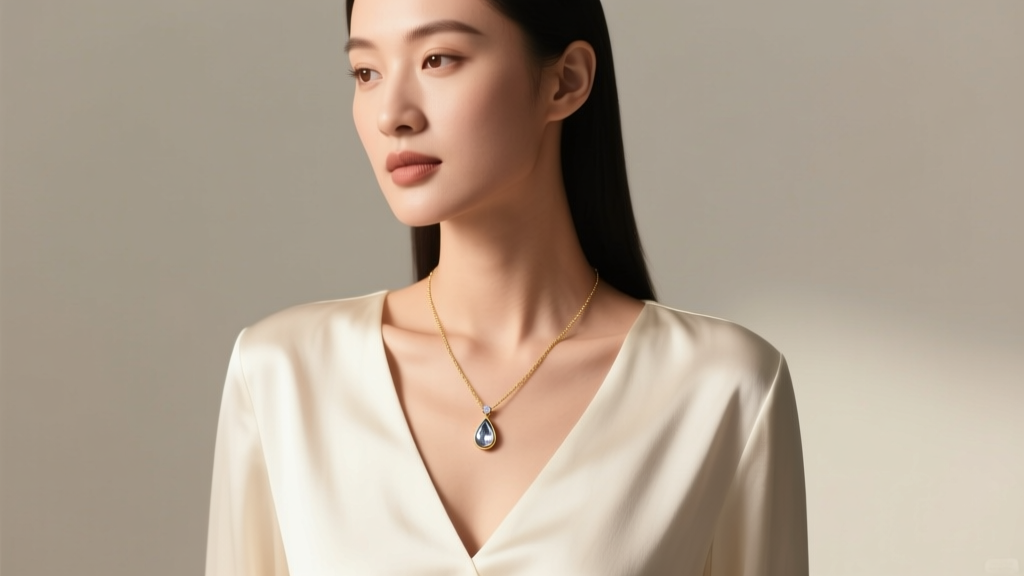
- The V-Neck (Blouses & Wrap Dresses): This is the most forgiving neckline. Choose an 18-inch chain that mimics the V-shape of the garment. A delicate herringbone or a paperclip chain with a small teardrop pendant draws the eye downward, elongating the neck.
- The Scoop Neck (Tank Tops & Sundresses): Layering is key here. Start with a 14-inch choker (like a mixed-metal herringbone) and layer it with a 16-inch delicate cable chain. The exposed skin provides a perfect canvas for a multi-piece stack.
- The Turtleneck (Winter Knits): Heavy fabrics require heavy metal. Skip delicate chains, which will get lost in the fabric folds and cause static tangling. Instead, wear a single, bold 24-inch chunky rope chain or a large modular locket over the fabric.
Common Beginner Mistakes (and How to Avoid Them)
Even with high-quality materials, improper care can ruin a necklace in weeks. Avoid these three critical errors:
1. The Ultrasonic Cleaner Trap
Many beginners purchase ultrasonic cleaners to deep-clean their jewelry. While excellent for solid gold and diamond settings, ultrasonic vibrations will absolutely destroy a herringbone chain, loosening the tight weave and causing permanent fraying. Furthermore, never put porous gems like pearls, opals, or turquoise in an ultrasonic bath. Stick to a soft microfiber cloth and mild dish soap for your everyday chains.
2. Ignoring Galvanic Corrosion
If you are layering multiple necklaces, try to keep the metals consistent. Wearing a sterling silver chain directly against a copper-heavy brass chain in the presence of sweat and humidity can create a galvanic reaction. This low-level electrical current accelerates tarnishing and can cause the base metals to degrade rapidly. If you must mix metals, ensure they are separated by a pendant or a fabric barrier.
3. Sleeping in Your Chains
This is the number one cause of broken chains. Tossing and turning puts immense lateral stress on delicate solder joints and clasp springs. A 14k gold-filled cable chain that would normally last a decade can snap in a single night if caught under your shoulder. Make it a non-negotiable habit to unclasp your necklaces before bed.
Final Thoughts on Building Your Core Collection
Navigating the most popular necklaces right now does not require an infinite budget; it requires an educated eye. By prioritizing structural integrity—like checking wire gauges on paperclip chains and understanding the FTC standards for gold vermeil and gold-filled metals—you can build a resilient, stylish collection. Start with a versatile 16-inch gold-filled paperclip chain, add a 14-inch herringbone choker for mixed-metal layering, and invest in a modular pendant for personalization. Master these basics, and you will effortlessly elevate any outfit in 2026 and beyond.


