Mimic Tooth Necklace Value Guide: Is It Worth It in 2026?
Assess the true cost and value of a mimic tooth necklace in 2026. Compare resin, polymer, and fine metal tiers to find the best budget option.

The Rise of the Mimic Tooth Pendant
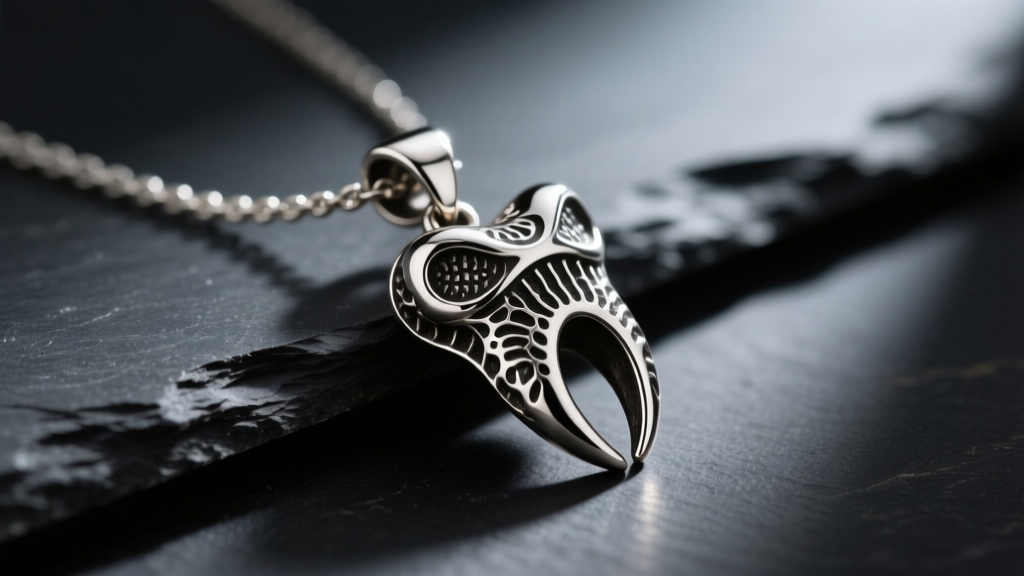
The mimic tooth necklace has evolved from a niche subculture staple into a mainstream avant-garde fashion statement. Driven by the resurgence of witchcore, grunge, and dark-academia aesthetics, consumers are increasingly seeking the visceral, organic look of bone and ivory without the ethical concerns, legal restrictions, or high costs associated with real animal or human remains. A 'mimic' tooth pendant replicates the intricate anatomy of a molar, canine, or incisor—including the root structure and enamel ridges—using synthetic or metallic alternatives.
However, as the trend has saturated the market in 2026, the quality gap between a $10 mass-produced trinket and a $400 artisan-cast piece of fine jewelry has widened dramatically. For buyers navigating this space, understanding the material science, failure modes, and true cost-per-wear is essential. This budget and value assessment breaks down the three primary tiers of mimic tooth necklaces to help you determine where your money is best spent.
Material Breakdown and Pricing Tiers
The value of a mimic tooth pendant is almost entirely dictated by its base material and the manufacturing technique used to capture the anatomical details. We can categorize the market into three distinct tiers.
Tier 1: Mass-Market Polyurethane Resin ($8 - $25)
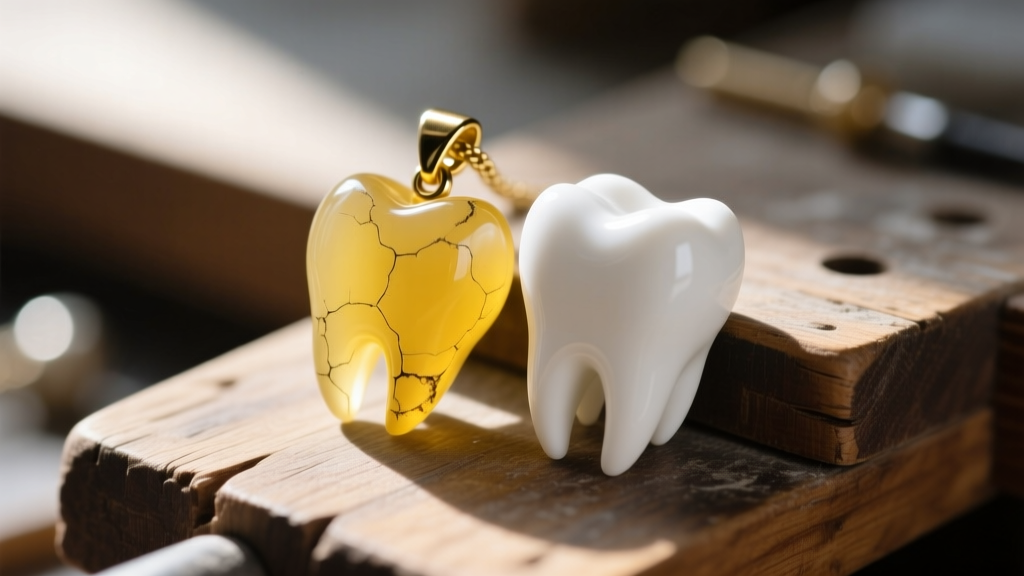
The most accessible mimic tooth necklaces are slip-cast in silicone molds using polyurethane or epoxy resins. Manufacturers often add titanium dioxide to achieve an opaque, bone-white finish. While these pieces capture surface details well, they suffer from severe long-term degradation. Polyurethane is highly susceptible to photodegradation; without expensive UV inhibitors, the 'tooth' will yellow and become brittle within 6 to 12 months of daily wear. Furthermore, the bail (the loop connecting the pendant to the chain) is typically glued into a pre-drilled hole using cyanoacrylate. Skin oils, sweat, and friction routinely dissolve this adhesive, leading to a high rate of pendant loss.
Tier 2: Artisan Polymer Clay & Ceramic ($35 - $95)
Mid-tier options are usually hand-carved or sculpted by independent artisans using polymer clays (like Sculpey or Fimo) or kiln-fired ceramics. Polymer clay offers excellent detail and is lightweight, but it is inherently brittle at thin cross-sections—meaning the delicate tips of the tooth roots are prone to snapping if dropped on a hard surface. Ceramic mimic teeth, conversely, are incredibly durable and resistant to UV yellowing and skin acidity. According to material safety standards outlined by ASTM International, properly fired ceramics are hypoallergenic and non-porous, making them an excellent choice for sensitive skin. The primary value proposition here is the unique, hand-finished nature of each piece, though the cost reflects the artisan's labor rather than the raw material value.
Tier 3: Fine Metal Casts in Sterling Silver & Gold ($150 - $800+)
At the apex of the market are mimic teeth cast in precious metals using the lost-wax casting method. A real tooth (or a highly detailed 3D scan of one) is used to create a wax positive, which is then encased in investment plaster and burned out, leaving a perfect cavity for molten 925 sterling silver or 14k gold. As noted by jewelry manufacturing experts at Rio Grande, lost-wax casting captures microscopic enamel striations that resin molds often blur. The immense value of Tier 3 lies in its permanence. The bail is cast as an integrated part of the tooth structure, eliminating the glue failure point entirely. While the initial investment is high, the cost-per-wear over a lifetime approaches zero, and the piece retains intrinsic scrap and resale value.
The True Value Matrix: Cost vs. Longevity
To accurately assess value, we must look beyond the retail price tag and evaluate the expected lifespan, maintenance requirements, and material integrity of each tier.
| Material Tier | Avg. Price Range | Expected Lifespan | Primary Failure Mode | Value Rating |
|---|---|---|---|---|
| PU Resin (Mass-Market) | $8 - $25 | 6 - 18 Months | UV Yellowing, Bail Glue Failure | Poor |
| Polymer Clay (Artisan) | $35 - $60 | 1 - 3 Years | Impact Brittleness (Root Snapping) | Moderate |
| Kiln-Fired Ceramic | $50 - $95 | 5+ Years | Shattering under extreme force | High |
| 925 Sterling Silver | $150 - $350 | Lifetime | Crevise Tarnishing (Requires Polishing) | Excellent |
| 14k / 18k Solid Gold | $450 - $800+ | Generational | None (Scratches can be buffed) | Premium |
Hidden Costs and Common Failure Modes
When budgeting for a mimic tooth necklace, the pendant itself is only half the equation. Buyers frequently overlook the hidden costs associated with chain degradation and anatomical design flaws.
- The Chain Tarnish Trap: Many budget resin pendants are sold with electroplated brass or copper chains. The acidic pH of human sweat (typically between 4.5 and 7.0) rapidly corrodes these base metals, leaving a green or black stain on the sternum. To protect your investment, always factor in the cost of upgrading to a solid 316L surgical stainless steel chain ($15-$30) or a solid sterling silver rope chain ($40+).
- Anatomical Scratch Hazards: Real teeth have long, jagged, and sharp roots. In a mimic pendant, these sharp resin or ceramic points can easily scratch the skin or catch on knitwear. High-end artisans mitigate this by 'capping' the roots in smooth silver or intentionally blunting the root tips during the sculpting phase. If buying Tier 1 resin, be prepared to manually sand the roots with high-grit sandpaper to prevent skin abrasion.
- Crevise Tarnishing in Metals: While a sterling silver mimic tooth will last a lifetime, the deep grooves replicating the tooth's pulp cavity and root bifurcations are magnets for sulfur and moisture. This causes localized, stubborn tarnishing. Buyers must budget for a specialized silver polishing cloth and occasionally use a soft-bristled toothbrush with mild dish soap to clean the anatomical crevices, as standard dip cleaners can leave a chalky residue in the deep grooves.
The Verdict: Maximizing Your Budget in 2026
So, is a mimic tooth necklace worth the investment? The answer depends entirely on your budget and your tolerance for material degradation.
If you are purchasing purely for a short-term costume, a seasonal festival, or a fleeting trend, the Tier 1 resin options ($15) offer the best immediate visual impact for the lowest upfront cost. Just accept that it is a disposable fashion accessory, not a lasting piece of jewelry.
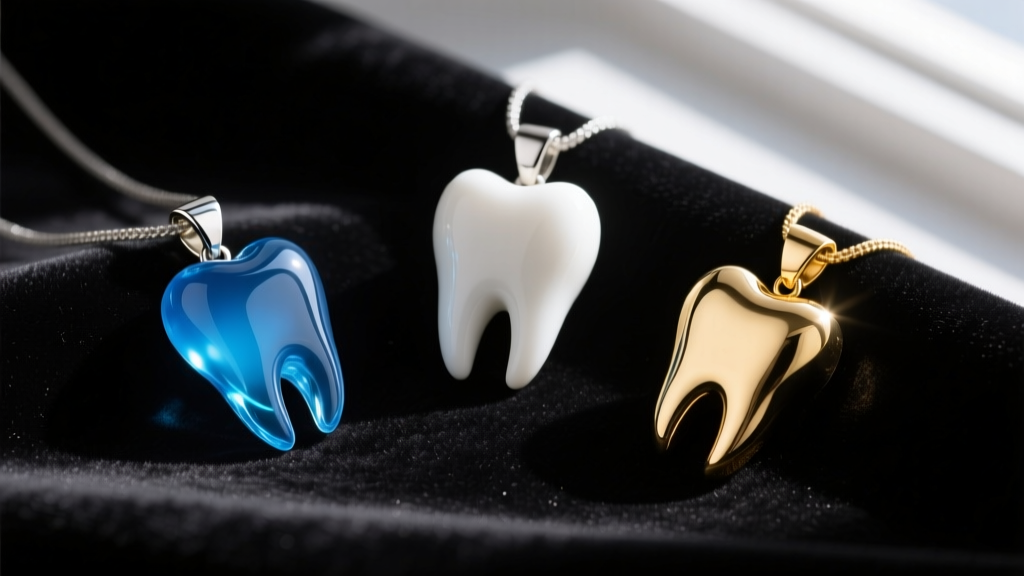
For the everyday wearer seeking a balance of artisanal charm, skin safety, and reasonable pricing, the Tier 2 kiln-fired ceramic pendants ($60-$90) represent the absolute sweet spot in the 2026 market. They offer the hypoallergenic benefits of fine jewelry, resist the yellowing that plagues resin, and provide a unique, handcrafted aesthetic that mass-market molds cannot replicate.
Finally, for collectors and those who view jewelry as a permanent wardrobe staple, investing in a Tier 3 lost-wax cast sterling silver or gold piece ($200+) is the only logical choice. The integrated bail, the heirloom-quality durability, and the intrinsic value of the metal transform the mimic tooth from a macabre novelty into a legitimate, enduring work of wearable art.


