How to Restore and Repair a Tarnished Minnie Necklace
Learn how to troubleshoot and repair a damaged Minnie necklace. Expert fixes for chipped enamel, broken chains, and tarnished base metals.

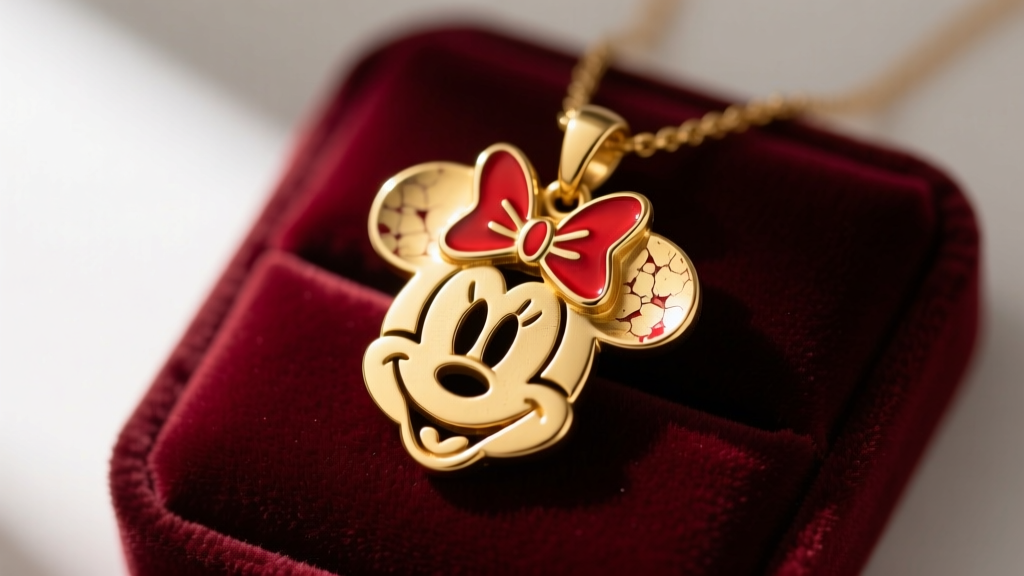
A Minnie necklace is more than just a piece of jewelry; it is often a cherished souvenir from a Disney park vacation, a nostalgic gift, or a beloved childhood keepsake. However, the sentimental value of these character pendants frequently outlasts their physical construction. Licensed character jewelry is often mass-produced using base metals, thin flash plating, and cold enamel, making it highly susceptible to tarnishing, chain breakage, and enamel chipping over time.
If your favorite pendant is showing signs of wear, do not throw it away. As a jewelry specialist, I have developed a comprehensive troubleshooting guide to help you diagnose, clean, and structurally upgrade your Minnie necklace. By understanding the specific materials used in these pieces, you can apply targeted repair techniques that restore their magic without causing further damage.
The Anatomy of a Licensed Character Pendant
Before attempting any repairs, you must identify the materials you are working with. Most park-purchased or licensed fashion necklaces are cast from Zamak (a zinc-aluminum alloy) or stamped from brass. They are then finished with a "flash plating" of gold or silver. Flash plating is incredibly thin—typically between 0.1 and 0.5 microns—meaning aggressive polishing will strip the finish entirely, exposing the dull gray base metal beneath.
The iconic red bows and black silhouettes are rarely made with vitreous (glass-based) enamel, which requires firing at over 1,400°F. Instead, manufacturers use "cold enamel," which is technically a pigmented, two-part epoxy resin. While cold enamel allows for intricate, multi-colored designs, it is highly vulnerable to UV degradation, skin oils, and physical impacts, leading to the common issue of yellowing or chipping.
Troubleshooting 1: Snapped Chains and Weak Clasps
The most frequent point of failure on a Minnie necklace is the chain. Stock chains are usually 0.6mm to 0.8mm cable or curb chains made from brass or low-grade stainless steel. Because the Minnie silhouette pendant can be surprisingly heavy for its size, the thin links undergo constant stress, leading to work-hardening and eventual snapping near the clasp.
The Upgrade Protocol
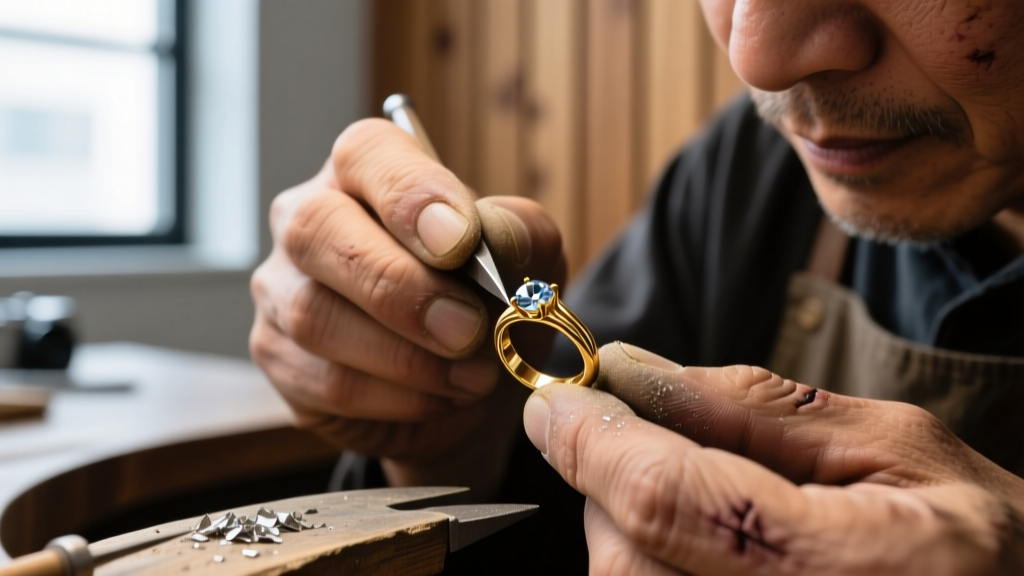
Do not attempt to solder a broken link on a flash-plated brass chain; the heat will melt the plating and the zinc core. Instead, replace the chain entirely with a more durable alternative.
- Gauge and Style: Upgrade to a 1.2mm or 1.5mm rope chain. The twisted links of a rope chain distribute weight more evenly and resist pulling apart compared to standard cable links.
- Material: Opt for 14k gold-filled wire or solid 925 sterling silver. Gold-filled materials feature a mechanical bond of gold that is 50 to 100 times thicker than flash plating, ensuring the chain will never tarnish or flake.
- Clasp Replacement: Swap the flimsy stock spring-ring clasp for a 5mm or 6mm sterling silver lobster claw clasp, which offers a much more secure closure mechanism for heavier pendants.
Troubleshooting 2: Chipped or Yellowing Cold Enamel
If the red bow on your pendant has chipped, or the black enamel has taken on a cloudy, yellowish tint, the epoxy resin has degraded. Unlike vitreous enamel, cold enamel cannot be melted and re-fused. It must be carefully removed and replaced using modern jewelry-grade adhesives.
Step-by-Step Enamel Restoration
- Preparation: Use a wooden or plastic dental pick (never metal, which will scratch the base metal) to gently flake away any loose, lifting epoxy from the damaged area.
- Cleaning: Swab the recessed channel with a cotton swab dipped in 99% isopropyl alcohol to remove all skin oils and debris. Let it dry completely.
- Mixing the Resin: According to guidelines from suppliers like Rio Grande, use a high-quality, optically clear, two-part epoxy resin designed specifically for jewelry. Mix the resin and hardener in exact 1:1 ratios on a glass palette.
- Pigmentation: If you are replacing the red or black sections, mix in a tiny amount of mica powder or specialized jewelry pigment. Avoid standard acrylic paints, as they can trap moisture and cloud the resin.
- Application and Curing: Use a fine-tipped silicone brush to carefully drop the pigmented epoxy into the recessed channels. The resin should slightly dome over the metal edges. Allow it to cure in a dust-free environment for 24 hours at room temperature.
Troubleshooting 3: Removing Tarnish Safely
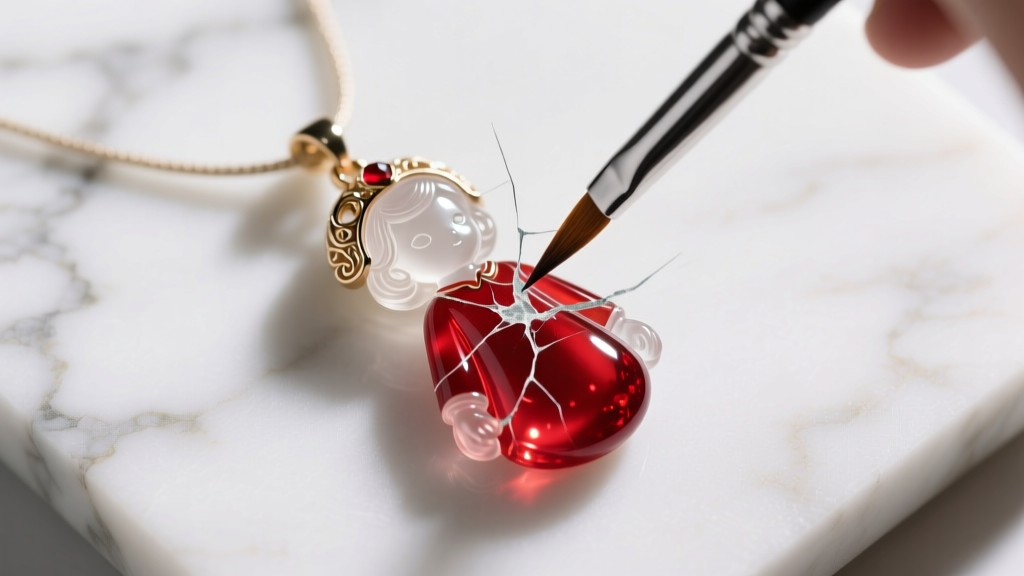
When the gold or silver plating on the metal portions of the pendant begins to tarnish or turn your skin green, it is due to the oxidation of the underlying copper or brass core reacting with sweat and humidity. A common and disastrous mistake is using commercial silver dip solutions or ultrasonic cleaners. The harsh chemicals in silver dips will instantly strip flash plating, and the cavitation from an ultrasonic cleaner will shatter cold enamel.
The Safe Cleaning Method
To clean a plated Minnie necklace without destroying the finish, follow this gentle protocol recommended by gemological and jewelry care experts, such as those at the Gemological Institute of America (GIA):
- The Bath: Mix a few drops of mild, phosphate-free dish soap (like Dawn) into a bowl of lukewarm distilled water. Avoid tap water, as chlorine and hard minerals can stain porous base metals.
- The Agitation: Submerge the pendant for no more than 3 to 5 minutes. Gently agitate the water with your fingers. Do not scrub the piece with a toothbrush, as even soft bristles can leave micro-scratches on thin gold plating.
- The Dry: Rinse briefly under distilled water and immediately pat dry with a lint-free microfiber cloth. Ensure no moisture is trapped in the crevices where the enamel meets the metal.
Material Upgrade Comparison Guide
If your Minnie necklace is damaged beyond DIY repair, or you wish to have a master jeweler recreate the pendant for everyday wear, you will need to upgrade the materials. The table below outlines the differences between stock fashion jewelry and fine jewelry equivalents.
| Component | Stock Fashion Jewelry (Original) | Fine Jewelry Upgrade (Custom) |
|---|---|---|
| Base Metal | Zamak (Zinc Alloy) or Stamped Brass | Cast 14k Solid Gold or 925 Sterling Silver |
| Surface Finish | Flash Plating (0.1 - 0.5 microns) | Solid Alloy or Heavy Gold Electroplate (2.5+ microns) |
| Coloring Agent | Cold Enamel (Epoxy Resin) | Vitreous Enamel (Fired Glass) or Guilloché |
| Chain Style | 0.8mm Brass Cable Chain | 1.2mm Solid Gold/Silver Rope or Wheat Chain |
| Expected Lifespan | 1 to 3 Years with Daily Wear | Lifetime / Heirloom Quality |
When to Consult a Master Jeweler
While chain replacements and light cleaning can easily be performed at home, certain repairs require professional equipment. If the actual metal bail (the loop connecting the pendant to the chain) has sheared off, or if the Zamak base metal has snapped, do not attempt to glue it. Superglue (cyanoacrylate) will degrade rapidly against skin oils and leave a messy residue. Instead, take the piece to a jeweler who specializes in laser welding. Laser welders can fuse base metals and attach new sterling silver bails using pinpoint heat that will not melt the surrounding cold enamel or blister the gold plating. You can locate certified repair specialists through organizations like Jewelers of America.
Preserving the Magic
A Minnie necklace holds memories that cannot be replicated by purchasing a brand-new replacement. By understanding the limitations of mass-produced base metals and cold enamel, you can implement proactive maintenance routines. Store your necklace in an anti-tarnish ziplock bag with a silica gel packet when not in use, keep it away from perfumes and lotions, and never sleep in it. With the right troubleshooting techniques and strategic component upgrades, your cherished pendant can remain a staple in your jewelry collection for decades to come.


