Master Mixing Gold and Silver Necklaces: A Step-by-Step Guide
Learn the exact steps for mixing gold and silver necklaces. Discover the bridge piece method, ideal chain lengths, and clasp matching for flawless layers.

The End of the "Match Your Metals" Rule
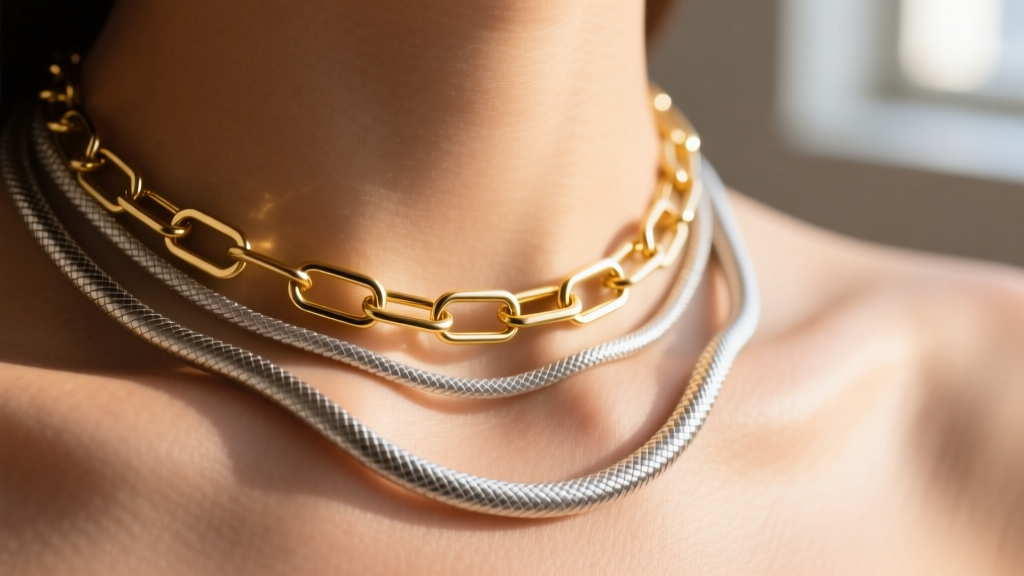
For decades, traditional style guides enforced a rigid mandate: never mix your metals. Gold was reserved for warm undertones and formal evenings, while silver was relegated to cool undertones and casual daywear. In 2026, that rule is not just outdated; it is entirely obsolete. Mixing gold and silver necklaces is now a hallmark of sophisticated, curated personal style. However, throwing a random yellow gold chain over a sterling silver choker often results in a disjointed, cluttered look. True mixed-metal mastery requires an understanding of visual weight, metallurgical interactions, and proportional layering math. This step-by-step guide will teach you exactly how to blend karat gold and sterling silver seamlessly.
Step 1: Anchor with a Dominant Metal (The 70/30 Rule)
The most common mistake when mixing gold and silver necklaces is attempting a perfect 50/50 split. A balanced 50/50 ratio creates visual competition, leaving the eye unsure of where to focus. Instead, professional stylists rely on the 70/30 rule.
How to Apply the 70/30 Ratio
- The 70% Anchor: Choose one metal to act as the foundational base of your stack. If you are wearing three necklaces, two should be your dominant metal, and one should be the accent. This metal should also dictate the color of your primary pendant or the thickest chain in the stack.
- The 30% Accent: The secondary metal is used to break up the monotony of the primary metal. It introduces contrast and catches the light differently.
Pro Tip: If you are wearing a single, chunky 4.0mm sterling silver Cuban link chain (your 70% anchor), pair it with a single, delicate 0.9mm 14k yellow gold cable chain (your 30% accent). The disparity in gauge thickness reinforces the intentionality of the mix.
Step 2: Select the "Bridge Piece" (The Secret to Cohesion)
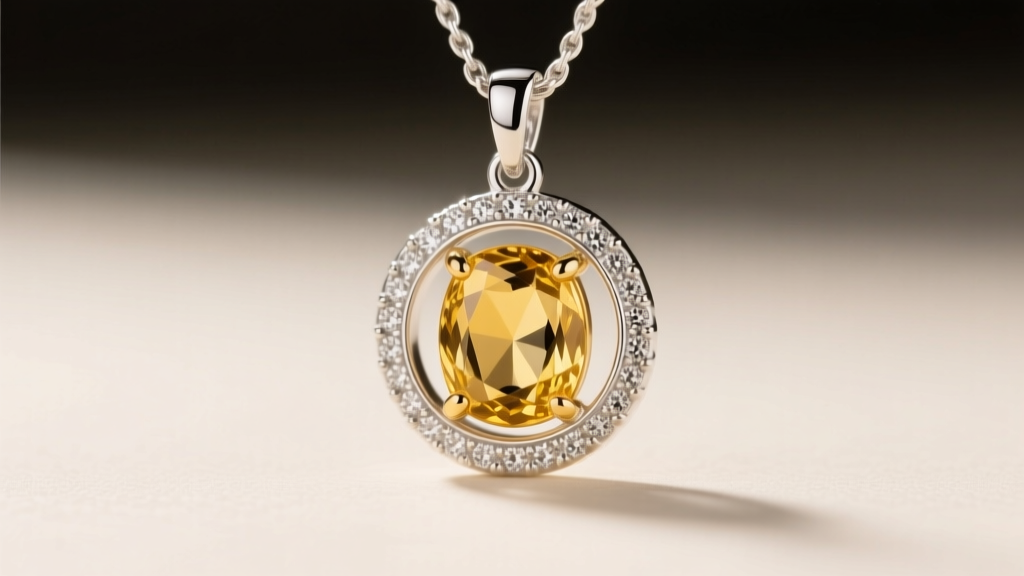
The "bridge piece" is the linchpin of any successful mixed-metal stack. This is a single necklace or pendant that incorporates both gold and silver, visually tying the separate layers together and signaling to the observer that the mix was deliberate.
Material Grades to Look For
When shopping for a two-tone bridge piece, pay close attention to the metallurgy. Avoid "gold-plated brass" masquerading as two-tone jewelry. According to the Gemological Institute of America (GIA), true gold vermeil must consist of a sterling silver (92.5% silver) base coated with at least 2.5 microns of 10k or higher gold. This ensures the piece is genuinely a mix of precious silver and precious gold, preventing the green skin discoloration associated with brass or copper bases.
| Bridge Piece Type | Material Composition | Avg. Price Range | Best For |
|---|---|---|---|
| Two-Tone Initial Pendant | 925 Silver base, 14k Gold Vermeil letter | $85 - $160 | Everyday minimal layering |
| Mixed-Metal Beaded Strand | Alternating 14k Gold and Oxidized Silver beads | $220 - $450 | Bohemian or textured stacks |
| Interlocking Motif Pendant | Solid 14k Yellow Gold and Solid 925 Silver | $300 - $800+ | Heirloom-quality statement layers |
Step 3: Calculate the Layering Math (Length & Gauge)
Mixing metals amplifies the visual chaos if your chains tangle. Tangling occurs when necklaces are too close in length and similar in texture. To prevent this, you must use strict layering math.
The 2-Inch Minimum Gap
Never wear two necklaces that are within 1.5 inches of each other in length. Always maintain a minimum 2-inch drop between layers.
- Layer 1 (The Choker/Collar): 14" to 15" (Sits tight on the base of the neck)
- Layer 2 (The Princess): 16" to 17" (Rests on the collarbone)
- Layer 3 (The Matinee): 18" to 20" (Falls on the upper chest/sternum)
Texture and Gauge Pairing
When mixing gold and silver, contrast in texture is just as important as contrast in color. If your 16" silver chain is a flat, high-polish herringbone (which acts almost like a mirror), your 18" gold chain should be a matte-finished or textured rope chain. The differing light refraction prevents the metals from bleeding into one another visually.
Step 4: Harmonize Chain Textures and Clasps
A frequently overlooked detail in mixed-metal layering is the hardware. The clasp is not just a functional necessity; it is a micro-element of design.
The Hardware Rule
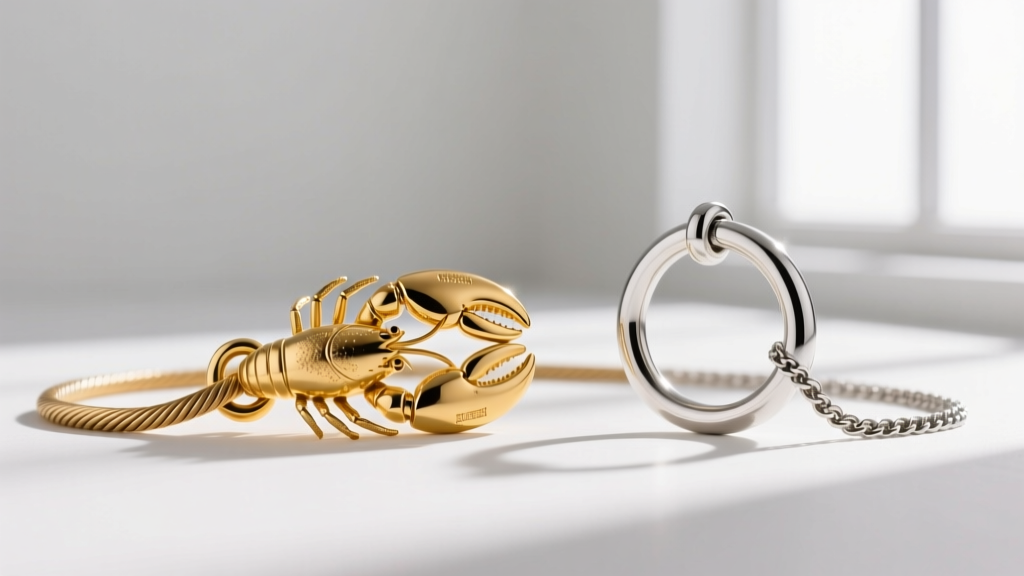
Always match the clasp metal to the chain it is attached to, not to the dominant metal of the overall stack. A silver chain with a gold clasp looks like a manufacturing error or a broken repair. Furthermore, ensure the clasp types are proportionate to the chain gauge. A heavy 12mm silver lobster clasp on a delicate 0.8mm gold chain will weigh down the back of the neck, causing the pendant to constantly flip backward. According to jewelry manufacturing standards outlined by Jewelers of America, a spring ring clasp is ideal for chains under 1.5mm, while lobster clasps are required for chains over 2.0mm to support the structural tension.
"The secret to a flawless mixed-metal stack isn't just about the metals themselves; it's about controlling the negative space between the chains and ensuring the hardware respects the gauge of the wire." — Master Bench Jeweler
Step 5: Strategic Placement Based on Skin Undertone
While mixing metals works for all skin tones, the placement of the metals can enhance your natural complexion. The chain that sits highest on your neck (closest to your face) will reflect the most color onto your skin.
- Warm Undertones (Veins appear green/gold jewelry flatters most): Make the 14k or 18k yellow gold chain your shortest layer (e.g., a 14" gold choker). Place the silver chain lower at 16" or 18" to act as a contrasting shadow.
- Cool Undertones (Veins appear blue/silver jewelry flatters most): Wear a 14" or 15" sterling silver or white gold collar closest to the face, allowing a yellow gold chain to drape lower on the chest for a pop of warmth that doesn't clash with your jawline.
Troubleshooting Common Mixed-Metal Mistakes
Even with perfect proportions, mixed-metal stacks can present unique maintenance challenges. Here is how to troubleshoot the physical realities of wearing gold and silver together.
The Tarnish Transfer Myth
Many worry that the sulfur-induced tarnish on sterling silver will "rub off" onto their gold chains. Chemically, silver sulfide (tarnish) does not transfer to gold. However, if a silver chain is heavily oxidized and constantly rubbing against a porous gold alloy (like 10k or 14k rose gold, which contains copper), microscopic friction can cause the silver to look dull and the gold to look smudged. The Fix: Keep your silver polished with a micro-abrasive cloth, and ensure your 2-inch length gap is strictly maintained to minimize friction.
Galvanic Corrosion in High-Sweat Environments
When two dissimilar metals (gold and silver) are in direct physical contact in the presence of an electrolyte (like heavy sweat or saltwater), a mild galvanic reaction can occur. While this won't destroy your jewelry in an afternoon, chronic exposure during workouts or beach trips can accelerate the degradation of the silver alloy and weaken the jump rings. The Fix: Remove mixed-metal stacks before swimming in the ocean or engaging in high-cardio workouts. If you must wear them, rinse the entire stack in distilled water and pat dry with a microfiber cloth immediately after sweating.
Final Polish: Caring for Mixed-Metal Layers
Cleaning a mixed-metal stack requires a bifurcated approach. Never use harsh silver dip liquids on a stack that contains gold, as the chemicals can strip the luster from porous gold alloys and damage any gemstones set in the bridge piece. Instead, use a mild, phosphate-free dish soap and warm water. Soak the necklaces separately for three minutes, gently agitate with a soft-bristled baby toothbrush, and dry them flat on a lint-free towel. By respecting the metallurgy and following the 70/30 visual rule, your mixed gold and silver necklaces will look intentionally curated, effortlessly modern, and timelessly chic.


