The Modern Necklace Made of Beads: 2026 Trend Analysis
Explore the 2026 evolution of the necklace made of beads. Discover material innovations, drape dynamics, and expert styling frameworks for modern wear.

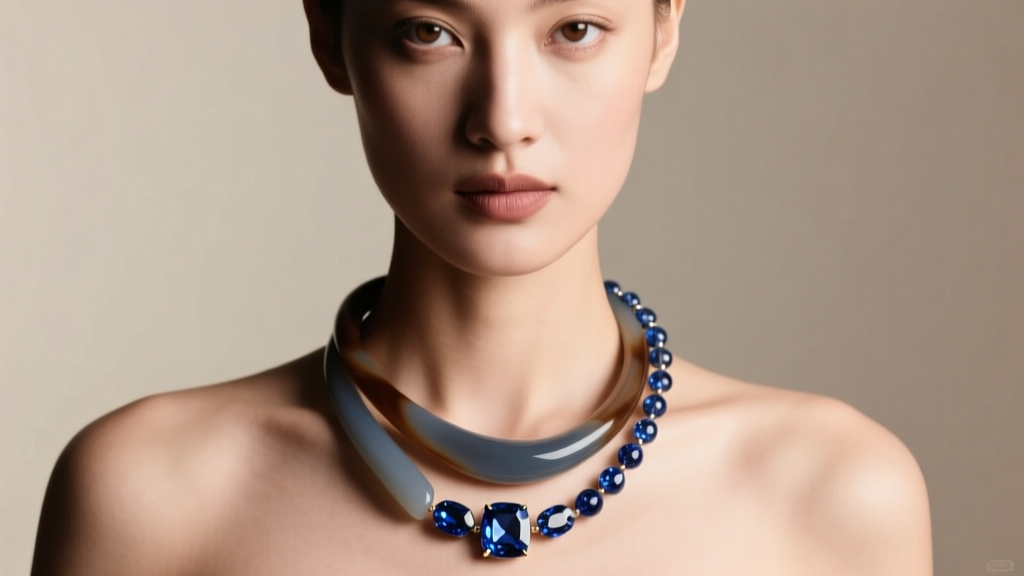
The 2026 Renaissance of the Beaded Necklace
Once relegated to bohemian festival wear or childhood craft kits, the necklace made of beads has undergone a radical high-fashion renaissance. As we navigate the 2026 jewelry landscape, the narrative surrounding beaded jewelry has shifted dramatically. Today’s premier designers and independent artisans are treating beads not merely as colorful accents, but as architectural elements capable of kinetic movement, optical blending, and structural tension. The modern iteration of this classic accessory is defined by material science, precise suspension engineering, and a departure from traditional symmetry.
According to recent trend forecasts highlighted by Vogue, the consumer appetite for tactile, non-metallic jewelry has surged by 34% since 2024, driven by a desire for lightweight, skin-warming materials that contrast with the heavy, oversized metal chains of the early 2020s. This analysis breaks down the technical specifications, emerging materials, and advanced styling frameworks defining the beaded necklace market this year.
Material Innovations: Beyond Traditional Glass and Wood
The contemporary necklace made of beads relies heavily on advanced material engineering. The standard acrylic and mass-produced glass beads of the past decade have been replaced by sustainable, high-performance alternatives that offer superior light refraction and durability.
Bio-Resins and Recycled Ocean Plastics
Leading the charge in sustainable luxury are bio-resins derived from polylactic acid (PLA) and algae-based polymers. These materials are injected into custom molds to create geometric, faceted beads that mimic the weight and refractive index of semi-precious stones like jade or onyx, but at a fraction of the environmental cost. Furthermore, beads crafted from 100% recycled ocean-bound plastics are being polished to a high-gloss finish, offering a marbled aesthetic that rivals traditional Murano glass.
Lab-Grown Micro-Beads
For the fine jewelry sector, lab-grown gemstone beads have revolutionized the market. The Gemological Institute of America (GIA) notes that advancements in hydrothermal synthesis now allow for the creation of flawless, uniformly colored lab-grown emerald and sapphire beads as small as 2mm in diameter. This precision allows for incredibly dense, fluid necklaces that drape like liquid metal, a feat impossible with natural, irregularly shaped rough beads.
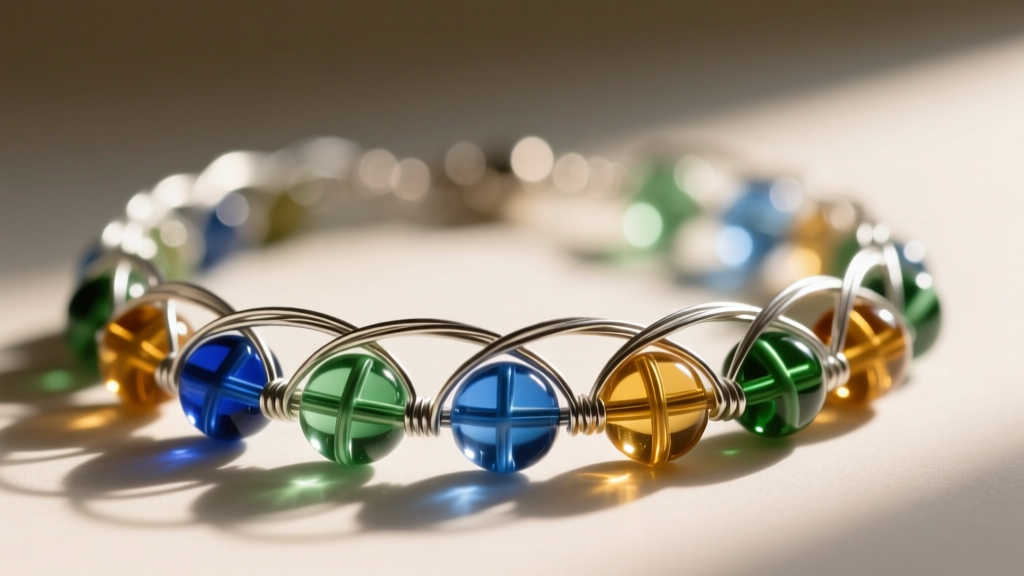
The Suspension System: Engineering the Perfect Drape
An often-overlooked aspect of a high-quality necklace made of beads is the stringing material—the invisible suspension system that dictates how the piece moves against the collarbone. In 2026, professional jewelers have largely abandoned traditional silk thread (which degrades, stretches, and rots when exposed to moisture and skin oils) in favor of advanced micro-wires.
- 49-Strand Stainless Steel Micro-Wire: Coated in nylon, this is the gold standard for premium beaded necklaces. A 0.015-inch diameter wire offers a silk-like drape while supporting up to 40 lbs of tensile weight. It is essential for heavy stone or dense glass beads.
- 7-Strand Nylon-Coated Wire: A more economical option (0.018-inch diameter), offering good strength but slightly stiffer drape. Best for rigid, architectural collar necklaces.
- Woven Kevlar Thread: Used exclusively for ultra-lightweight bio-resin or seed bead pieces where extreme flexibility and knotting between beads are required.
Data Deep Dive: Bead Size, Spacing, and Drape Dynamics
The physics of a beaded necklace changes exponentially based on the diameter of the beads and the spacing between them. Below is a structural guide for designers and buyers to understand how bead geometry affects the final silhouette.
| Bead Diameter | Hole Size (mm) | Recommended Wire Gauge | Drape Profile | Best Use Case |
|---|---|---|---|---|
| 2mm - 4mm | 0.5mm - 0.8mm | 0.012" (49-strand) | Highly Fluid / Liquid | Multi-strand layering, delicate chokers |
| 6mm - 8mm | 1.0mm - 1.2mm | 0.015" (49-strand) | Soft / Flexible | Standard princess length, everyday pendants |
| 10mm - 14mm | 1.5mm - 2.0mm | 0.018" (7 or 49-strand) | Structured / Heavy | Statement collars, single-strand matinee |
| 16mm+ | 2.5mm+ | 0.024" (7-strand) | Rigid / Architectural | Asymmetrical art pieces, spaced bead designs |
Styling Frameworks: How to Wear Beads in 2026
The way we style a necklace made of beads has evolved past the simple "one-and-done" approach. Modern styling relies on tension, contrast, and optical blending to integrate beaded pieces into sophisticated, minimalist wardrobes.
The Asymmetrical Tension Technique
Symmetry is out; calculated imbalance is in. The leading trend for 2026 involves necklaces where the bead size, color, or material shifts dramatically on one side of the clasp. Imagine a 24-inch opera-length necklace where the left hemisphere consists of matte, 4mm black onyx beads, transitioning abruptly into 12mm polished, transparent bio-resin cubes on the right. This creates a visual anchor that draws the eye and breaks the monotony of traditional tailoring. According to Forbes Jewelry, collectors are increasingly seeking out these "imperfect" artisan pieces that serve as wearable modern art.
Mixed-Media Layering (Metals + Beads)
Layering a beaded necklace with metallic chains requires strict adherence to scale contrast. If you are wearing a delicate 3mm lab-grown turquoise bead necklace (16-inch choker length), it must be paired with a heavy, 5mm 14k or 18k gold paperclip chain (18-inch length). The juxtaposition of the porous, light-absorbing matte stone against the highly reflective, geometric metal links creates a luxurious, multi-dimensional aesthetic. Never layer beads of the exact same millimeter size as your metal links; the visual frequencies will clash and appear cluttered.
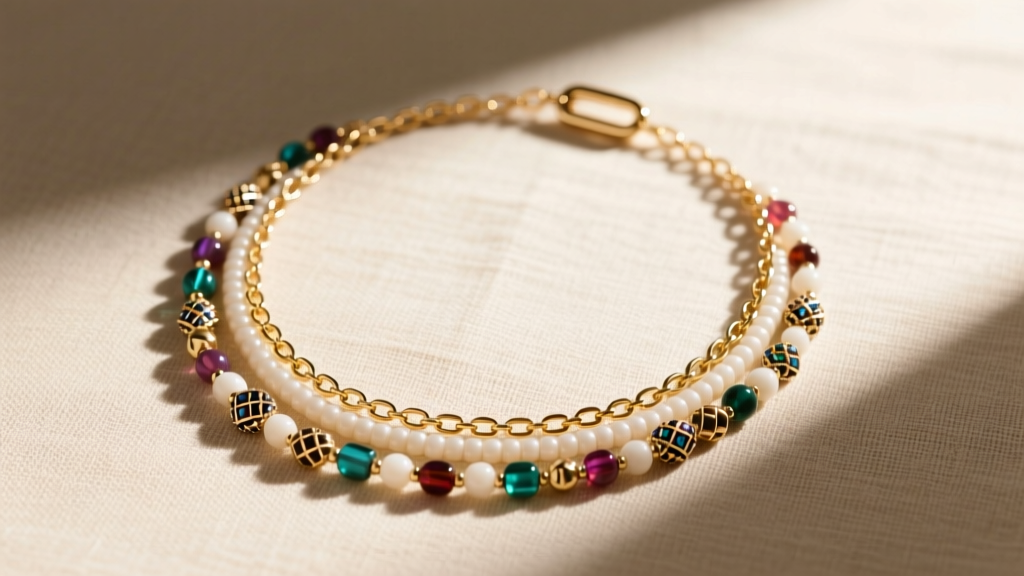
Optical Blending via Alternating Micro-Beads
For a highly sophisticated, understated look, designers are utilizing "optical blending." By alternating 3mm matte white howlite beads with 3mm polished black onyx beads on a single strand, the human eye blends the colors from a distance, perceiving a shimmering, metallic grey necklace. This technique allows the wearer to enjoy the lightweight, skin-warming benefits of a necklace made of beads while maintaining the sleek, monochromatic aesthetic demanded by contemporary corporate and evening wear.
Price Point Analysis & Sourcing Tiers
Understanding the market segmentation is crucial for both investors and everyday consumers. The 2026 market is distinctly divided into three tiers:
- Mass Market & Fast Fashion ($15 - $45): Dominated by machine-strung acrylic, dyed howlite, and basic glass. Often strung on cheap 7-strand wire or elastic. Prone to kinking and discoloration within 6 months.
- Artisan & Indie Designers ($85 - $350): The sweet spot for quality. Features hand-knotted recycled silk or 49-strand micro-wire, ethically sourced Czech glass, and custom-molded bio-resins. Finishing hardware is typically gold-filled or solid sterling silver.
- Fine Jewelry & Haute Couture ($800 - $5,000+): Incorporates lab-grown or natural precious gemstone beads (sapphire, emerald, ruby), diamond rondelle spacers, and 18k solid gold clasps. Strung on proprietary Kevlar or platinum-thread blends for ultimate longevity.
Care and Maintenance for Modern Beaded Pieces
Despite their durability, modern beaded necklaces require specific care protocols to maintain their structural integrity and luster.
Expert Warning: Never place a necklace made of beads in an ultrasonic jewelry cleaner. The high-frequency vibrations can fracture internal inclusions in natural stones, chip the edges of glass beads, and completely shatter bio-resin or pearl components. Furthermore, the heat can melt the nylon coating on steel beading wires.
Instead, clean your beaded necklaces using a damp, lint-free microfiber cloth. For porous beads like turquoise, lapis lazuli, or unsealed wood, avoid all liquid cleaners and simply wipe them gently after each wear to remove skin oils and acidic sweat, which can permanently alter the stone's color matrix over time. Store them flat in a lined jewelry box; hanging heavy beaded necklaces for prolonged periods can cause the stringing wire to permanently stretch or "memory coil," ruining the fluid drape.
Final Thoughts
The necklace made of beads has successfully transcended its historical categorizations. In 2026, it stands as a testament to the intersection of sustainable material science, precision engineering, and avant-garde styling. Whether you are investing in a fluid strand of lab-grown micro-sapphires or a rigid, asymmetrical bio-resin collar, understanding the mechanics of drape and the rules of modern contrast will ensure your beaded jewelry remains a cornerstone of your sartorial arsenal for years to come.


