Money Graduation Necklace Guide: Styles & Materials
Discover how to choose the perfect money graduation necklace. Our expert guide covers metal grades, chain weights, encasement risks, and pricing.

The Symbolism of Financial Independence
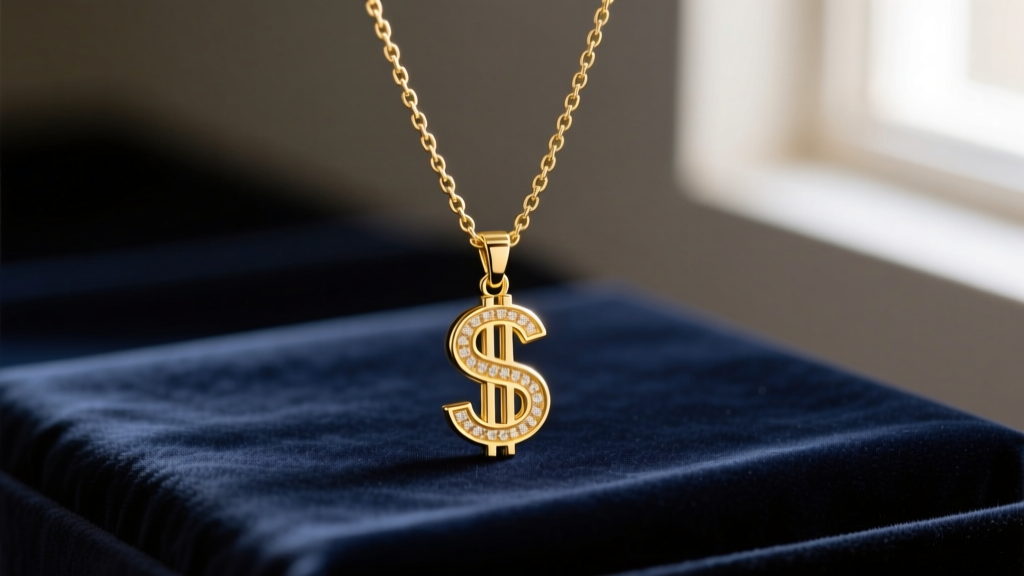
Graduation marks a pivotal transition from academic life to the realities of the professional world. Among the myriad of gifts available, a money graduation necklace has emerged as a powerful talisman for new graduates. Far from being a gaudy novelty, high-end money-themed jewelry—featuring coin replicas, minimalist currency symbols, or encased legal tender—serves as a daily reminder of financial literacy, ambition, and wealth-building. As we navigate the evolving jewelry trends of 2026, the demand for sophisticated, high-quality financial motif pendants has surged, moving away from cheap costume jewelry toward heirloom-quality pieces that a graduate can wear into their first boardroom meeting.
Decoding Metal Grades & Base Alloys
When investing in a money graduation necklace, the metal composition dictates both the longevity of the piece and its skin-safety. The market is flooded with misleading terminology, so understanding exact metal grades is critical.
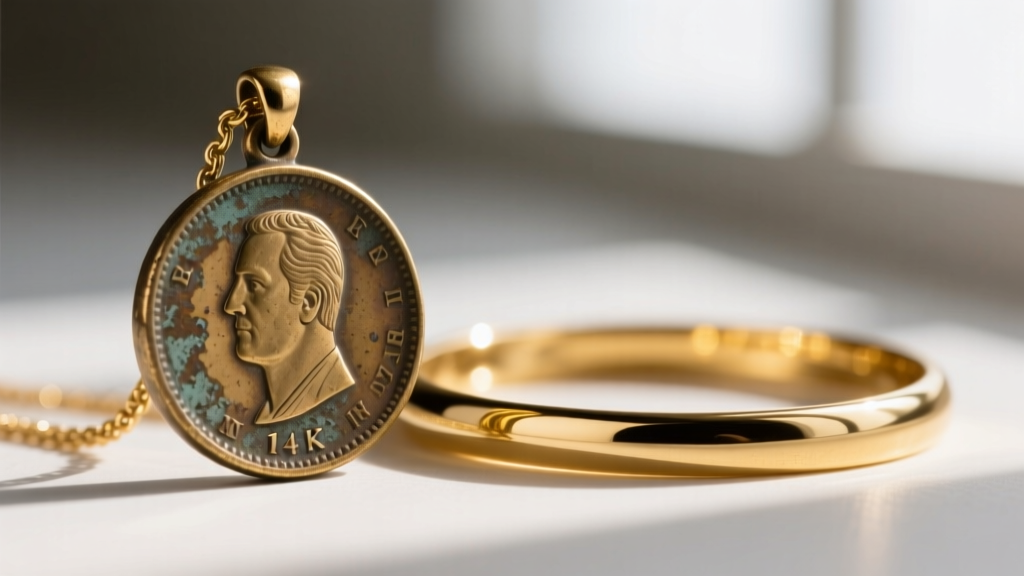
- Solid 14k Gold (585): The gold standard for everyday wear. It contains 58.5% pure gold, alloyed with metals like copper or zinc for tensile strength. It will not tarnish and is ideal for realistic gold coin replicas.
- Sterling Silver (925): Comprising 92.5% pure silver, this is an excellent, hypoallergenic choice for silver-toned money bag or dollar sign pendants. Ensure it features a rhodium plating to prevent sulfur-induced tarnishing.
- Gold Vermeil: According to the Federal Trade Commission Jewelry Guides, true vermeil must consist of a sterling silver base coated with at least 2.5 microns of 10k or higher gold. Avoid standard 'gold plated' brass, which often contains nickel and copper that cause contact dermatitis and turn the skin green within weeks of daily wear.
Chain Mechanics, Bail Sizes, and Weight Ratios
A common failure mode in money-themed jewelry is chain breakage. Coin pendants, especially those modeled after heavy historical currencies like the Morgan Silver Dollar or the Spanish Real, carry significant mass. A standard 15-gram coin pendant will easily snap a delicate 1mm cable chain.
The 3-to-1 Weight Rule
As a strict rule of thumb, the tensile strength of your chain should support at least three times the weight of the pendant. For a 10-gram coin pendant, opt for a 1.5mm to 2.0mm Box Chain or Wheat Chain. These interlocking geometric structures distribute lateral stress far better than simple oval-link cable chains.
Clasp and Bail Specifications
Never pair a heavy coin pendant with a spring-ring clasp; the internal spring mechanism will fail under sudden tension. Always upgrade to a lobster claw clasp with a reinforced soldered jump ring. Furthermore, check the pendant's bail (the loop connecting the coin to the chain). A thick 2mm box chain requires a bail with an inner diameter of at least 4.5mm to allow the chain to drape naturally without kinking.
The Encased Currency Trend: Glass vs. Acrylic Risks
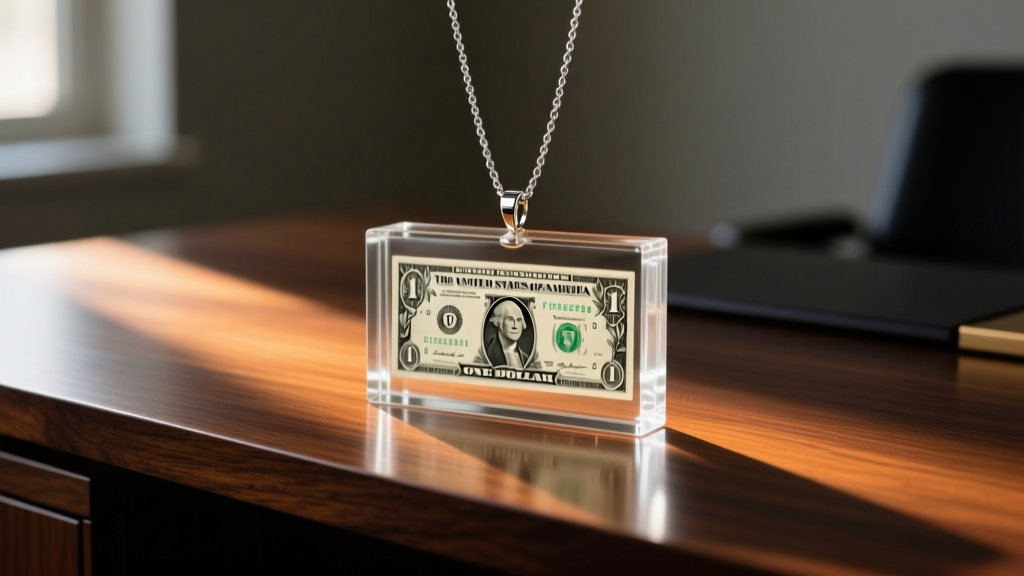
A massive trend in graduation gifting is the encased real currency necklace—often featuring a crisp, uncirculated one-dollar bill or a sequential run of bills folded into intricate shapes. However, the encasement material presents severe long-term preservation risks.
The Acrylic and Epoxy Failure Mode
Many budget-friendly encased necklaces use poured epoxy resin or cheap cast acrylic. Over a 3-to-5-year period, exposure to UV light causes these polymers to yellow and become brittle. Worse, as epoxy cures and ages, it undergoes microscopic shrinkage, which can crush or tear the delicate cotton-linen blend of actual paper currency. The GIA Gem Encyclopedia notes that organic and porous materials require stable, inert environments to prevent degradation.
The Museum-Grade Solution
If you are purchasing an encased bill necklace, demand UV-filtering borosilicate glass or museum-grade polycarbonate. These materials are chemically inert, will not off-gas acids that stain the paper, and provide crystal-clear optical transparency without the dreaded yellowing effect.
2026 Pricing & Value Matrix
To help you budget appropriately for a graduation gift, we have categorized the current market landscape into three distinct tiers. This matrix reflects the pricing for high-quality, hypoallergenic pieces that avoid the pitfalls of fast-fashion jewelry.
| Tier | Material Composition | Pendant Style | Price Range | Best For |
|---|---|---|---|---|
| Budget | 925 Sterling Silver (Rhodium Plated) | Minimalist Dollar Sign, Small Money Bag | $45 - $85 | High school graduates, everyday casual wear |
| Mid-Tier | 14k Gold Vermeil (over 925 Silver) | Detailed Coin Replicas, Encased Bills (Glass) | $110 - $220 | College graduates, statement layering pieces |
| Luxury | Solid 14k or 18k Gold | Custom-Minted Coins, Diamond-Accented Symbols | $450 - $1,200+ | MBA/Law/Med school grads, lifetime heirlooms |
Personalization: Laser vs. Rotary Engraving
Adding a graduation year (e.g., 'Class of 2026') or the graduate's initials elevates the necklace from a simple accessory to a bespoke keepsake. However, the engraving method matters immensely depending on the pendant's geometry.
For flat coin replicas, fiber laser engraving is superior. It removes exactly 0.1mm of material, creating a dark, high-contrast mark without compromising the structural integrity of the metal. Conversely, if you are personalizing a domed or 3D money-bag pendant, rotary diamond-drag engraving is required. Laser beams struggle to maintain focal distance on curved surfaces, resulting in blurred text. A skilled jeweler will use a pantograph or CNC rotary tool to carve the letters directly into the curved metal, ensuring crisp, tactile typography that will never fade.
Final Verdict
A money graduation necklace is a profound gift when executed with attention to material science and structural integrity. By prioritizing solid metals or true vermeil, selecting weight-appropriate box chains, and insisting on UV-safe encasements for paper currency, you ensure the piece remains a pristine symbol of prosperity for decades to come.


