Monstrance Necklace Metals & Glass: A Material Guide
Discover the best metals and glass types for a monstrance necklace. Compare sterling silver, solid gold, and resin for lasting devotion jewelry.

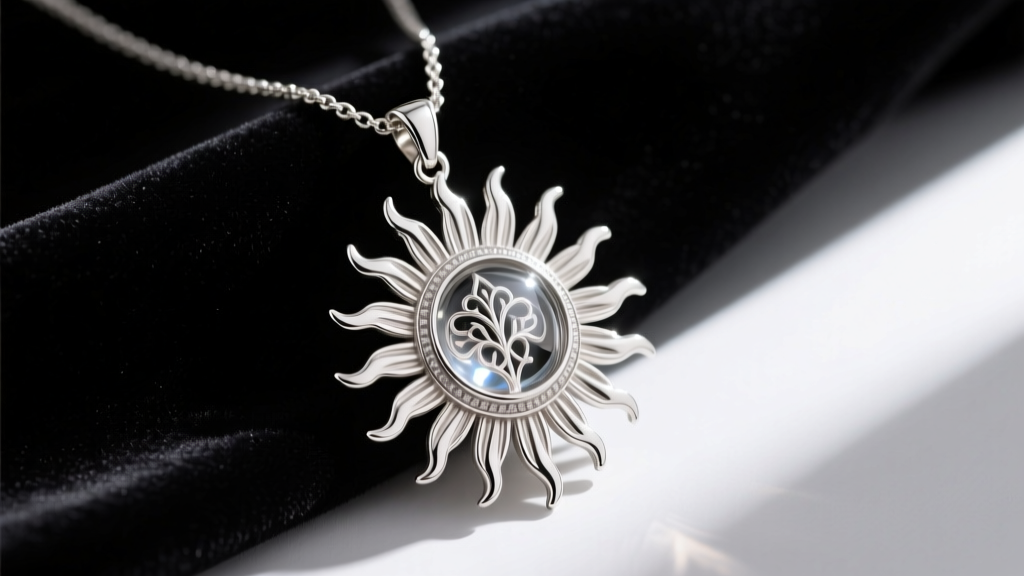
The Anatomy of a Monstrance Pendant
A monstrance necklace translates the sacred Catholic liturgical vessel into a striking piece of personal adornment. Characterized by its radiating sunburst rays and a central circular chamber (the luna) designed to hold a relic, host, or meaningful keepsake, this pendant style is inherently intricate. Because of the delicate, spire-like rays and the structural demands of the central bezel, the materials chosen for a monstrance necklace dictate not only its aesthetic but its longevity, weight, and structural integrity. In this guide, we break down the exact metallurgical and material properties you need to consider before investing in devotion or gothic-inspired jewelry.
The Sunburst Frame: Metal Comparisons
The radiating rays of a monstrance pendant are typically produced via lost-wax casting. This process captures incredible detail, but the thin, protruding spires are vulnerable to snapping if the base metal lacks adequate tensile strength. Here is how the most common metals perform.
Sterling Silver (925) vs. Oxidized Silver
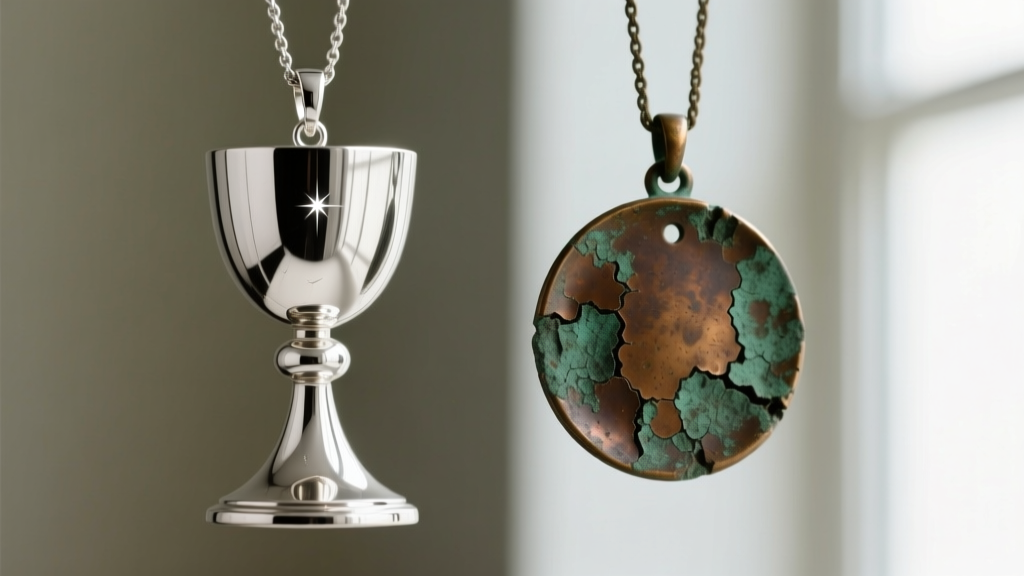
Sterling silver is the industry standard for mid-tier devotional jewelry. Composed of 92.5% pure silver and 7.5% copper, it offers an excellent balance of malleability for casting and durability for daily wear. However, the copper content makes it prone to sulfur-induced tarnishing. Many high-end silversmiths apply a 0.5-micron rhodium flash to prevent tarnish and provide a bright white finish. Alternatively, oxidized silver intentionally accelerates tarnishing using liver of sulfur, darkening the recessed areas of the sunburst rays to create dramatic, high-contrast depth. Oxidized finishes require zero maintenance and actually look better with slight wear, making them ideal for vintage-inspired monstrance designs.
Solid 14k Gold vs. Gold Vermeil
For heirloom-quality pieces, solid 14k gold is unmatched. It will never tarnish, and its inherent hardness (due to alloying metals like zinc and copper) protects the fragile sunburst tips from bending. The trade-off is price; a solid 14k gold monstrance pendant of standard size (approx. 2 inches tall) will easily exceed $1,200 due to the heavy metal weight (often 15-25 grams). Gold vermeil offers a budget-friendly alternative, but buyers must be cautious. True vermeil requires a sterling silver base plated with at least 2.5 microns of 10k, 14k, or 18k gold. On a monstrance necklace, the high-friction points (where the pendant rubs against clothing or the chain bail) will wear through thin gold plating (under 1 micron) within months, exposing the silver beneath.
Brass and Bronze: The Budget Alternatives
Mass-produced or fast-fashion monstrance necklaces are frequently cast in brass (copper and zinc) or bronze (copper and tin). While these alloys capture cast details beautifully and offer a warm, antique tone, they have significant drawbacks. The high copper content reacts with human sweat, frequently leaving a green or black residue on the chest. Furthermore, brass is more brittle than silver, meaning the delicate outer rays of the sunburst are highly susceptible to snapping if caught on a sweater. If purchasing brass, look for pieces sealed with a micro-crystalline wax or a clear e-coating to create a barrier between the metal and your skin.
The Relic Chamber: Glass, Resin, and Crystal
The central window of the monstrance necklace is the focal point, designed to protect whatever is housed inside. The material used to seal this chamber drastically affects the necklace's durability and optical clarity.
Beveled Mineral Glass vs. Sapphire Crystal
Traditional high-end monstrance pendants use beveled mineral glass for the front and back of the relic chamber. Mineral glass ranks around a 5 to 6 on the Mohs hardness scale, meaning it resists everyday scratches from dust and clothing. However, glass is brittle; a hard drop onto a tile floor will shatter the chamber, potentially destroying the relic inside. For ultra-luxury pieces, some jewelers are now utilizing synthetic sapphire crystal (Mohs 9), which is virtually scratch-proof and highly shatter-resistant, though it significantly drives up the manufacturing cost.
Epoxy Resin for Organic Relics
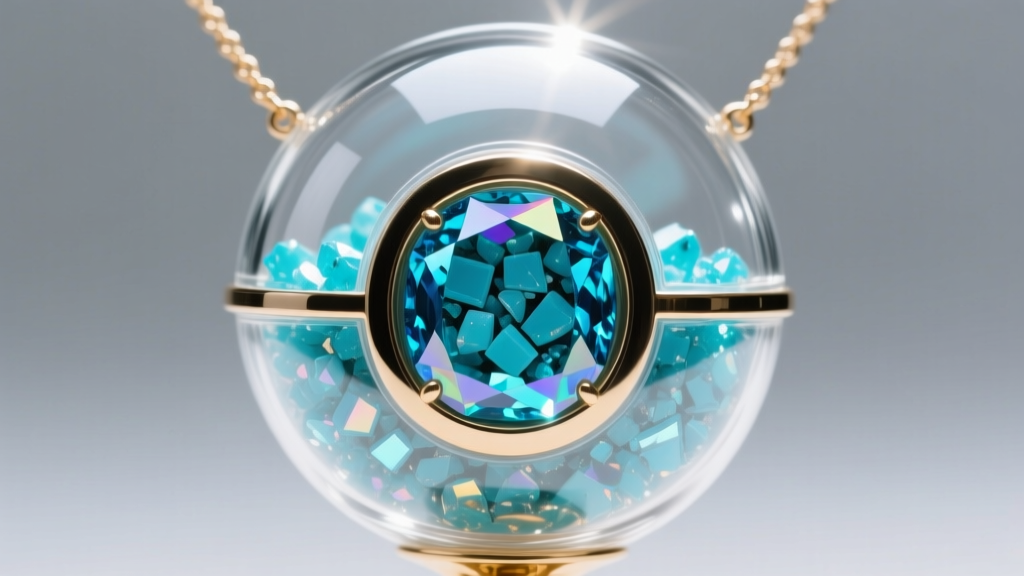
When the necklace is designed to hold organic matter—such as dried flowers, crushed turquoise, or hair—jewelers often abandon glass in favor of a domed, high-gloss clear epoxy resin. Resin is poured directly into the bezel and cured, creating a waterproof, shatterproof seal that locks the relic in place. The downside to resin is UV degradation. Standard epoxies will yellow and become cloudy after 2 to 3 years of direct sunlight exposure. If you choose a resin-sealed monstrance necklace, ensure the jeweler uses a UV-stabilized, non-yellowing jewelry-grade resin (such as Opti-Cast) to preserve the clarity of your keepsake.
Material Properties & Wearability Matrix
Use the following data table to compare the physical properties and market positioning of common monstrance necklace materials. This framework helps align your material choice with your budget and lifestyle.
| Material | Hardness / Durability | Tarnish & Skin Reaction | Avg. Price Range | Best Use Case |
|---|---|---|---|---|
| Sterling Silver (925) | High tensile strength; bends before breaking | Tarnishes over time; hypoallergenic | $120 - $350 | Everyday devotional wear |
| Solid 14k Gold | Very hard; excellent ray protection | Tarnish-free; highly biocompatible | $1,200 - $2,500+ | Heirloom & luxury investment |
| Gold Vermeil (2.5μm) | Base is durable; plating can wear at bail | Safe until plating wears through | $180 - $400 | Occasional wear & fashion |
| Cast Brass / Bronze | Brittle; thin rays can snap under stress | High tarnish; causes green skin reaction | $45 - $95 | Budget costume & gothic fashion |
| Mineral Glass Chamber | Scratch-resistant; shatters on impact | Inert and non-reactive | Included in pendant cost | Standard relic display |
| UV-Stabilized Resin | Shatterproof; scratches easily (Mohs 2-3) | Inert once fully cured | Included in pendant cost | Encasing organic keepsakes |
Chain Pairings and Gauge Recommendations
A critical failure point in monstrance jewelry is the chain. Because the sunburst design requires a high volume of metal, these pendants are exceptionally heavy, frequently weighing between 15 and 35 grams. Pairing a heavy monstrance pendant with a delicate 1.0mm chain is a recipe for disaster; the chain will stretch, kink, and eventually snap.
- Chain Gauge: Always select a chain with a minimum thickness of 2.0mm to 3.0mm. Curb chains, Figaro chains, or thick cable chains provide the necessary visual weight and tensile strength to support the pendant without bowing.
- Clasp Hardware: Never use a spring-ring clasp for a monstrance necklace. The internal spring mechanism will fail under the constant pendulum-like swinging weight of the pendant. Insist on a solid lobster clasp or a secure toggle clasp.
- The Bail: Check the loop (bail) at the top of the monstrance. It should be seamlessly soldered or cast as one solid piece with the pendant frame. Pinched or glued bails will eventually open under the pendant's weight.
Care and Maintenance by Material
Maintaining a monstrance necklace requires specific protocols based on its construction. For silver and bronze pieces, use a specialized jewelry polishing cloth to gently buff the raised sunburst rays. Avoid liquid silver dips, as these harsh chemicals can strip the intentional oxidation from the recessed details and degrade the adhesive holding the glass chamber in place. If your pendant features a glass relic chamber, clean the glass with a microfiber cloth and a mild, ammonia-free glass cleaner. For resin-sealed chambers, use only warm water and mild dish soap, as alcohol-based cleaners will cause the resin to craze and cloud permanently. Store the necklace flat in an anti-tarnish pouch to prevent the heavy pendant from swinging and scratching its own glass window during transit.


