Nyan Cat Necklace Guide: Enamel, Resin & Metal Compared
Discover the best nyan cat necklace materials. We compare enamel, resin, and metal options for durability, color vibrancy, and skin safety.

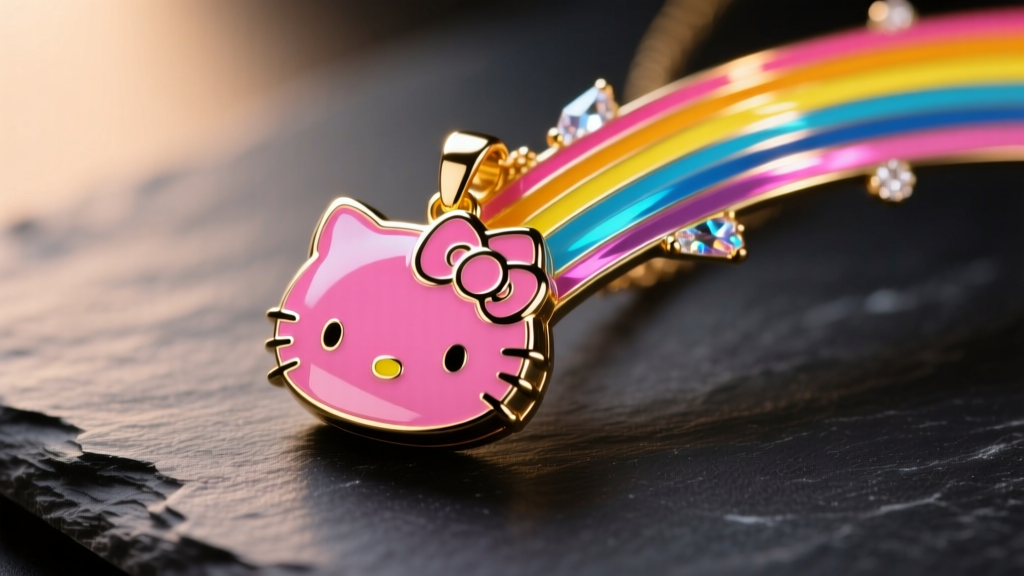
The Nyan Cat meme has transcended its 2011 internet origins to become a permanent fixture in pop-culture jewelry. However, as we navigate the jewelry market in 2026, the novelty accessory space has matured significantly. A high-quality nyan cat necklace is no longer just a cheap plastic trinket; it is a canvas for material science, color theory, and precision metalworking. The primary design challenge of this specific pendant lies in the iconic six-color rainbow trail (red, orange, yellow, green, blue, purple), which demands exceptional color separation and long-term UV resistance.
Whether you are a collector of internet memorabilia or looking for a durable daily-wear piece, understanding the material properties of your pendant is critical. In this comprehensive guide, we break down the structural integrity, failure modes, and dermatological safety of the three dominant materials used in nyan cat necklaces today: hard enamel, epoxy resin, and cast sterling silver.
The Anatomy of a Nyan Cat Pendant
Before evaluating materials, we must understand the structural requirements of the design. The pendant consists of two distinct zones with different wear-and-tear profiles:
The Pop-Tart Body
The rectangular body requires sharp, 90-degree corners and a high-contrast frosting edge. Materials that shrink during curing or firing often pull away from these sharp corners, leading to micro-fractures or exposed base metals.
The Rainbow Trail
The trailing rainbow requires six parallel, distinct color bands. The primary failure mode in lower-quality pendants is 'color bleed,' where the resin or liquid enamel crosses the metal dividers (cloisons) during the manufacturing process, resulting in a muddy, undefined trail.
Material Showdown: Enamel vs. Resin vs. Metal
The longevity and aesthetic fidelity of your nyan cat necklace depend entirely on the base material and the coloring agent used. Here is a deep dive into the three most common manufacturing methods.
Hard Enamel (Cloisonné)
Hard enamel is the gold standard for graphic, color-blocked jewelry. The process involves stamping a base metal (usually copper or brass) to create raised metal walls, which are then filled with glass-based enamel powder. The piece is fired in a kiln at approximately 800°C, fusing the glass to the metal. According to the jewelry manufacturing experts at Ganoksin, this high-heat vitrification process creates a surface that is essentially scratch-proof and entirely immune to UV degradation. The rainbow trail will never yellow, and the colors remain perfectly separated by the metal matrix. After firing, the pendant is polished flat, giving it a smooth, premium feel.
Epoxy and UV Resin
Resin pendants are created by pouring liquid pigments into a silicone mold or a metal bezel. While initially vibrant and highly cost-effective, resin is plagued by photo-oxidation. When exposed to ultraviolet light over time, the polymer chains in the epoxy break down, causing the material to yellow. In a nyan cat necklace, this yellowing disproportionately affects the lighter colors (yellow, orange, and the frosting edge), eventually giving the entire pendant a muddy, sepia tone. Furthermore, resin is relatively soft (around 2.5 on the Mohs scale) and will accumulate micro-scratches from daily friction against clothing.
Rhodium-Plated Sterling Silver with Cold Enamel
For the luxury novelty market, jewelers use solid 925 sterling silver as the base, plated with a micron-layer of rhodium for tarnish resistance. Instead of glass-based hard enamel, these pieces often use 'cold enamel' (a specialized, non-firing jeweler's epoxy) or precision-cut synthetic spinels set into the silver framework. While significantly more expensive, this combination offers the hypoallergenic benefits of precious metals while maintaining the vibrant, flat color profile required for the pixel-art aesthetic.
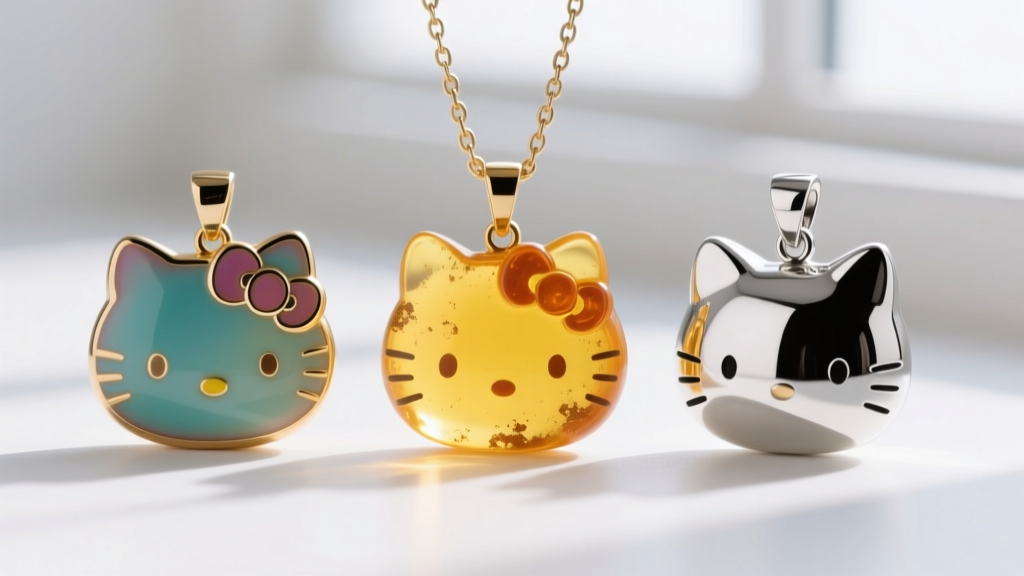
Comparative Data Matrix (2026 Market Averages)
| Material Type | Avg. Price Range | UV Resistance | Mohs Hardness | Primary Failure Mode |
|---|---|---|---|---|
| Hard Enamel (Brass Base) | $25 - $45 | Excellent | 5.5 - 6.0 | Plating wear on high-contact edges |
| Epoxy / UV Resin | $10 - $22 | Poor | 2.0 - 2.5 | Severe yellowing and surface scratching |
| Soft Enamel (Zinc Alloy) | $12 - $28 | Moderate | 4.0 | Recessed dirt accumulation; zinc oxidation |
| Sterling Silver + Cold Enamel | $65 - $120 | Good | 2.5 (Silver) / 4.0 (Enamel) | Silver sulfide tarnishing if rhodium wears |
Chain Pairings and Hardware Integrity
A pendant is only as secure as the chain and hardware supporting it. Novelty pendants are frequently paired with substandard base-metal ball chains that snap under minimal tension. For a nyan cat pendant, which typically weighs between 8 and 15 grams depending on the material, you need a chain with verified structural integrity.
Gauge Thickness and Chain Styles
Opt for a 1.2mm to 1.5mm cable chain or a 1.0mm box chain made of stainless steel or sterling silver. These styles offer the best balance of tensile strength and visual subtlety, allowing the colorful pendant to remain the focal point. Avoid chains thinner than 0.9mm, as the jump rings connecting the clasp are prone to pulling apart.
Clasp and Jump Ring Mechanics
The jump ring attaching the pendant to the chain should be soldered closed or constructed from 18-gauge to 20-gauge wire to prevent the pendant from slipping through the gap. For the clasp, a lobster clasp is vastly superior to a spring ring. Lobster clasps utilize a stronger internal spring mechanism and a thicker metal body, reducing the risk of accidental unclasping during physical activity.
Skin Sensitivities and Hypoallergenic Solutions
The most common complaint with budget novelty jewelry is contact dermatitis. Many mass-produced resin and soft enamel pendants use zinc alloy or brass bases that contain high levels of nickel as a hardening agent. When sweat interacts with the metal, nickel salts are released, triggering an immune response in sensitized individuals. The Mayo Clinic identifies nickel as one of the most prevalent causes of allergic contact dermatitis, resulting in localized redness, itching, and blistering on the chest and neck.
Actionable Advice: If you have sensitive skin, strictly avoid pendants labeled as 'alloy' or 'base metal.' Instead, invest in a hard enamel piece with a surgical stainless steel (316L) base, or a solid 925 sterling silver pendant. If you already own a piece that causes irritation, applying a micro-thin layer of clear, flexible nail polish to the back of the pendant can create a temporary polymer barrier between the metal and your skin.
Care and Maintenance by Material Type
To maximize the lifespan of your nyan cat necklace, tailor your maintenance routine to the specific material properties of your pendant:
- Hard Enamel: Clean with warm water, a drop of mild dish soap, and a microfiber cloth. Avoid ultrasonic cleaners, as the high-frequency vibrations can occasionally cause micro-fractures in the glass enamel if the metal base is thin.
- Resin: Keep strictly out of direct sunlight when not being worn. Store in a dark jewelry box to slow the UV-induced yellowing process. Never use alcohol-based cleaners, which will degrade the resin surface and cause clouding.
- Sterling Silver: Use a dedicated silver polishing cloth to remove sulfide tarnish from the exposed metal framework. Avoid liquid silver dips, as the harsh chemicals can strip the cold enamel inlays or cloud the rhodium plating.
The Final Verdict
When selecting a nyan cat necklace, the material dictates not just the price, but the entire lifecycle of the piece. While epoxy resin offers an accessible entry point, its inevitable yellowing makes it a poor long-term investment. Hard enamel emerges as the undisputed champion for this specific design, offering the perfect synthesis of vibrant, UV-stable color separation, structural durability, and accessible pricing. By pairing a hard enamel pendant with a robust 1.5mm stainless steel cable chain, you secure a piece of internet history that is engineered to survive the rigors of daily wear.


