The Ultimate Montana Sapphire Necklace Buying Guide
Discover how to choose the perfect Montana sapphire necklace. Learn about Yogo vs. Rock Creek origins, color grading, settings, and pricing.

Why Montana Sapphires Are Dominating Ethical Jewelry in 2026
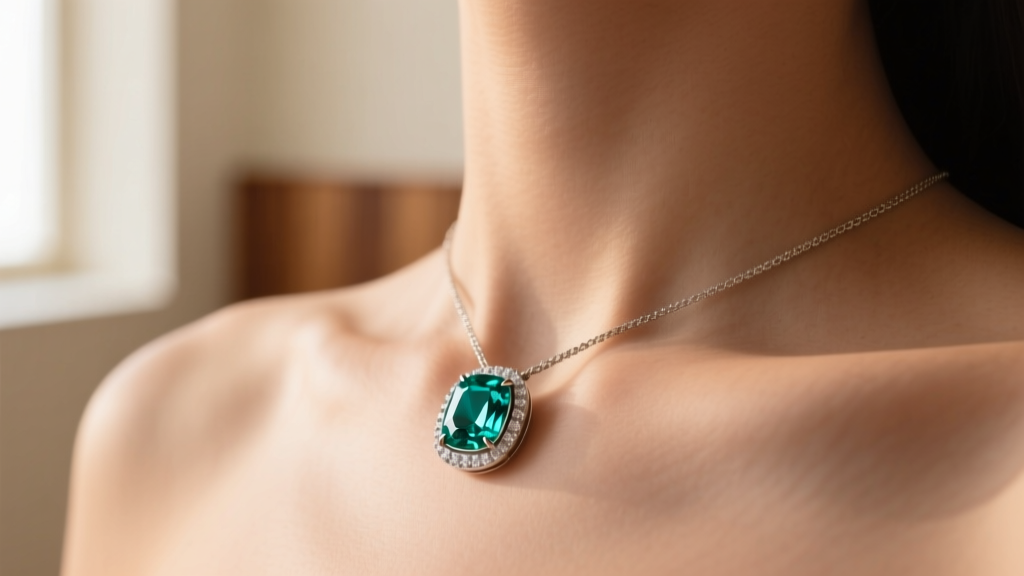
The demand for traceable, ethically sourced gemstones has fundamentally shifted the fine jewelry market, and the Montana sapphire necklace has emerged as a premier choice for conscientious buyers. Unlike many international gemstone supply chains that suffer from opaque sourcing and questionable labor practices, Montana sapphires are mined in the United States under strict environmental and labor regulations. When you purchase a Montana sapphire, you are often able to trace the stone back to the exact claim or mine, such as the famous Rock Creek or Yogo Gulch deposits. This unparalleled traceability, combined with the stones' unique, unheated color palettes, makes them a cornerstone of modern, sustainable luxury.
According to the Gemological Institute of America (GIA), sapphires from Montana possess distinct trace element signatures that allow gemologists to verify their geographic origin. This scientific backing ensures that your investment is genuinely American-mined, protecting you against misleading origin claims.
Decoding the Color Palette: Rock Creek vs. Yogo Gulch
Not all Montana sapphires are created equal. The state hosts several distinct deposits, each yielding stones with vastly different color profiles, clarity characteristics, and market values. Understanding these origins is the most critical step in your buying journey.
Yogo Gulch: The Cornflower Standard
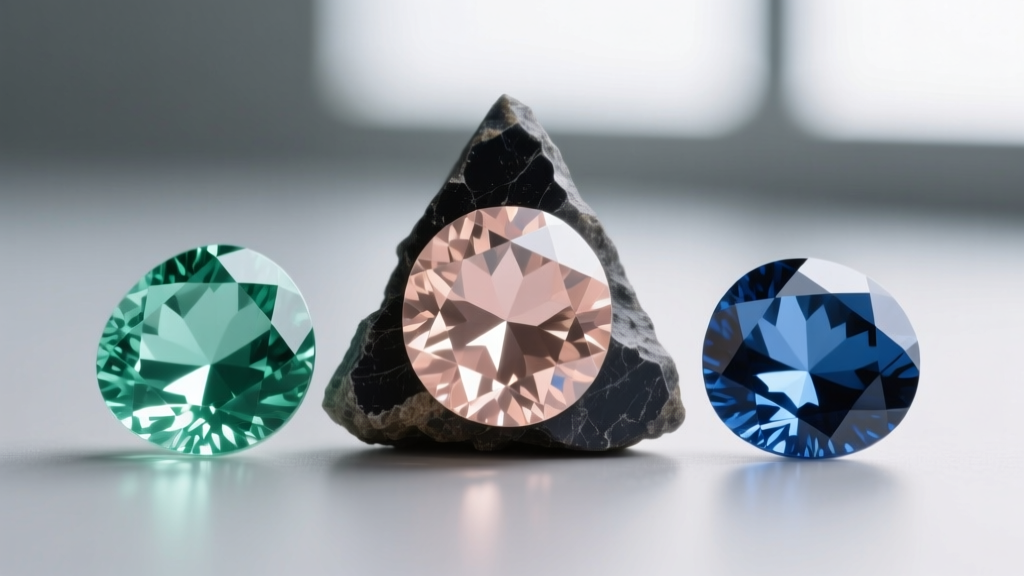
Yogo sapphires are the crown jewels of Montana. Found in a hard rock igneous dike in central Montana, these stones are famous for their uniform, deeply saturated "cornflower" blue color. Crucially, Yogo sapphires are almost always completely unheated, as their color is naturally perfect straight from the earth. They are also renowned for their high clarity, lacking the silk and rutile inclusions common in other sapphires. However, Yogo rough is typically small and flat, meaning faceted stones over 1.00 carat are exceptionally rare and command premium prices.
Rock Creek: The Teal and Mint Revolution
If you are looking for the trendy teal, mint green, or peach sapphires that have dominated jewelry design in recent years, Rock Creek is your primary source. These stones often exhibit stunning color zoning and dichroism (showing different colors from different angles). Unlike Yogo stones, Rock Creek sapphires are routinely heat-treated to enhance their clarity and stabilize their unique teal and green hues. The American Gem Trade Association (AGTA) recognizes heat treatment as a standard, acceptable practice for these specific stones, provided it is fully disclosed by the seller.
Origin Comparison & Pricing Framework
| Origin | Typical Colors | Heat Treatment | Avg Price/Carat (2026) |
|---|---|---|---|
| Yogo Gulch | Cornflower Blue | Unheated | $2,500 - $5,000+ |
| Rock Creek | Teal, Mint, Peach | Usually Heated | $800 - $2,200 |
| Missouri River | Varied Pastels | Mixed | $600 - $1,500 |
The 4 Cs Re-evaluated for Montana Sapphires
When evaluating a Montana sapphire pendant, the traditional diamond 4 Cs must be adapted to fit the unique geological realities of these specific gemstones.
- Cut (The Most Critical Factor): Montana rough is notoriously flat and tabular. To maximize yield, cutters often fashion stones with shallow pavilions (the bottom half of the gem) or utilize specialized step-cuts and east-west orientations. When buying, look for a cut that maximizes brilliance without creating a "window" (a transparent dead spot in the center of the stone where light leaks out).
- Color: For Rock Creek stones, the most prized colors are highly saturated teal and vibrant mint. Avoid stones that look overly gray or muddy in low light. For Yogo stones, seek a pure, vivid blue without secondary green or gray modifiers.
- Clarity: Sapphires are Type II gems, meaning they naturally contain inclusions. However, Yogo sapphires are an exception, often achieving loupe-clean status. For teal Rock Creek stones, minor silk or fingerprint inclusions are acceptable and can actually prove the stone's natural origin, provided they do not compromise durability or brilliance.
- Carat Weight: Because of the flat nature of the rough, most Montana sapphire pendants feature stones between 0.50 and 1.50 carats. A well-cut 1.00 carat Montana sapphire will face up beautifully, often appearing larger than a deeply cut 1.00 carat Ceylon sapphire.
Choosing the Right Setting and Chain for Your Pendant
The physical characteristics of Montana sapphires dictate specific jewelry design choices to ensure both security and aesthetic harmony.
Settings: Bezel vs. Prong
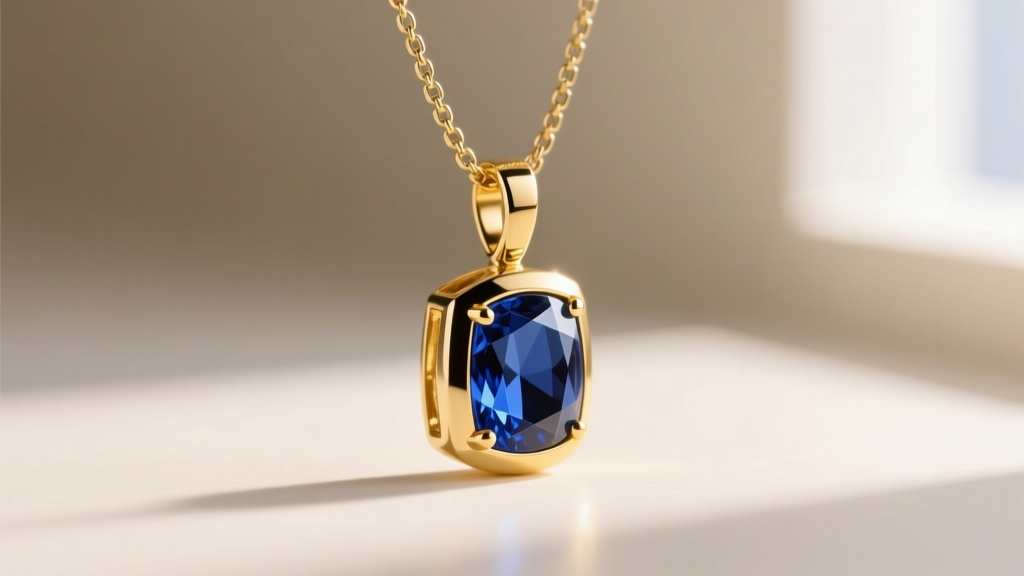
Because many Montana sapphires are cut with shallow pavilions to preserve carat weight, traditional high-profile prong settings can leave the culet (the bottom point of the gem) vulnerable to chipping against the skin. A low-profile bezel or semi-bezel setting is highly recommended. A bezel not only protects the girdle and pavilion but also complements the modern, organic aesthetic of teal and mint sapphires. If you prefer prongs, ensure the jeweler uses a custom basket that sits flush against the neckline.
Chain Selection: Gauge and Durability
A Montana sapphire pendant, especially one set in solid gold or platinum, carries significant weight. Avoid delicate chains under 1.0mm in thickness. Optimal Chain Specifications:
- Style: Box chain or solid cable chain. These offer the best structural integrity and resist kinking.
- Gauge/Thickness: 1.2mm to 1.5mm is the sweet spot for pendants weighing between 2 and 5 grams.
- Clasp: Always insist on a solid lobster clasp rather than a spring ring, which can easily fail under the pendulum motion of a necklace.
Certification and Avoiding Synthetics
As the popularity of Montana sapphires has surged, so has the market for flux-grown synthetic sapphires designed to mimic the exact teal and mint hues of Rock Creek stones. While synthetic sapphires are chemically identical to natural ones, they hold a fraction of the resale value and lack the ethical mining narrative.
Never purchase a high-value Montana sapphire necklace without independent laboratory verification. A report from the GIA or the American Gemological Laboratories (AGL) will definitively confirm the stone's natural origin, identify any heat treatment or lattice diffusion, and provide an origin opinion if requested. Be highly skeptical of "in-house" appraisals or certificates from unrecognized laboratories, as these are frequently used to mask synthetic or heavily treated stones.
Quick-Reference Buying Checklist
Before finalizing your purchase, run the necklace through this expert checklist:
- Origin Disclosure: Has the seller specified the exact mine (e.g., Rock Creek, Yogo)?
- Treatment Transparency: Is heat treatment explicitly stated on the invoice? (Unheated stones should command a premium).
- Lab Report: Does a GIA, AGL, or AGTA-certified report accompany stones priced over $1,500?
- Setting Security: Is the setting appropriate for the stone's specific pavilion depth?
- Chain Integrity: Is the chain at least 1.2mm thick with a secure lobster clasp?
By prioritizing traceability, understanding the geological nuances of Montana's distinct mining regions, and insisting on proper structural settings, you will secure a Montana sapphire necklace that is not only a stunning wearable art piece but a lasting, ethically sound investment.


