What the Colors Mean on a Mood Necklace: Retro Gift Guide
Discover what the colors mean on a mood necklace, the science behind thermochromic crystals, and how to gift this retro staple for any occasion.

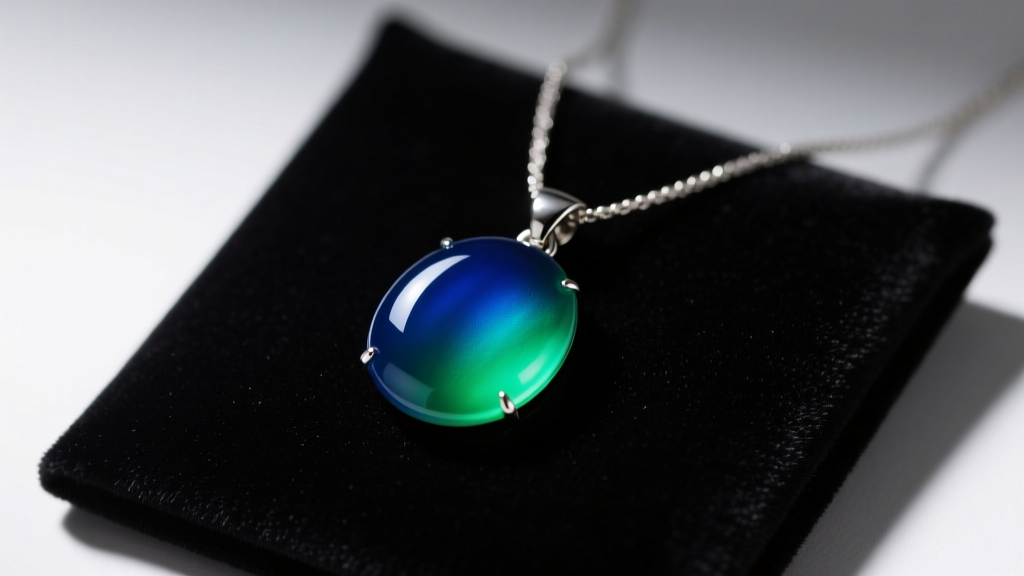
The Enduring Magic of Mood Jewelry
As we navigate the fashion landscape of 2026, the Y2K aesthetic has evolved from a fleeting trend into a permanent staple of modern accessory styling. Among the most sought-after nostalgic pieces is the mood necklace. But beyond the retro charm, buyers and gifters alike frequently ask: what the colors mean on a mood necklace and whether these pieces hold any genuine psychological weight. Whether you are shopping for a Gen Z teen, a nostalgic millennial, or looking for a unique low-stakes Valentine's Day gift, understanding the science, material grades, and gifting etiquette of mood jewelry is essential for making a smart purchase.
Originally popularized in the 1970s and heavily revived in the late 90s, mood necklaces are more than just novelty trinkets. When crafted with high-quality materials, they serve as fascinating intersections of wearable chemistry and personal expression. This guide will decode the color chart, explain the thermochromic science, and provide a definitive occasion-matching framework for gifting mood necklaces.
The Science: How Thermochromic Liquid Crystals Work
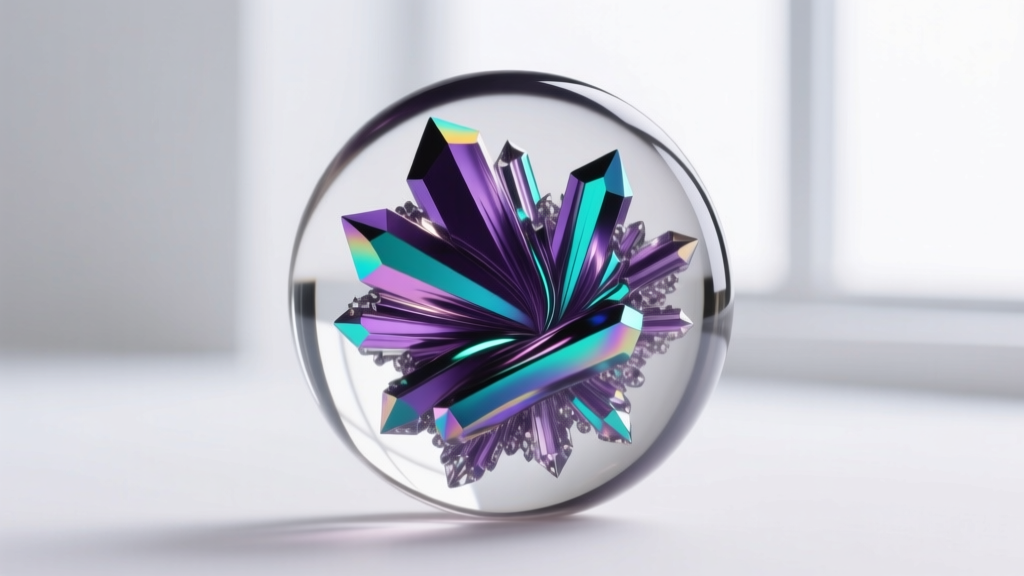
To understand the color shifts, we must first look at the chemistry. High-quality mood pendants do not use simple dyes; they utilize thermochromic liquid crystals. Specifically, these are cholesteric liquid crystals encased within a hermetically sealed glass or quartz cabochon.
These crystals are highly sensitive to temperature fluctuations. As the temperature changes, the physical orientation of the crystal molecules twists. This twisting alters the distance between the molecular layers, which in turn changes the wavelength of light that is reflected back to the human eye. When the wearer's skin temperature rises, blood flow increases (vasodilation), causing the crystals to twist and reflect warmer colors like red or orange. When the wearer is cold or experiencing a stress-induced drop in peripheral circulation (vasoconstriction), the crystals reflect cooler colors like blue or black.
Decoding the Chart: What the Colors Mean on a Mood Necklace
While the jewelry industry has assigned romanticized emotional states to these color shifts, it is vital to understand the physiological reality. Below is the definitive breakdown of what the colors mean on a mood necklace, mapping the marketed emotions against the actual thermal science.
| Pendant Color | Temperature Range | Marketed 'Mood' | Physiological Reality |
|---|---|---|---|
| Black / Brown | Below 20°C (68°F) | Stressed, Anxious, or Cold | Poor peripheral circulation; blood vessels constricting due to cold ambient air or adrenaline. |
| Deep Blue | 21°C - 24°C (70°F - 75°F) | Calm, Relaxed, at Peace | Baseline resting body temperature; normal, steady blood perfusion to the skin. |
| Teal / Green | 25°C - 28°C (77°F - 82°F) | Content, Balanced, Happy | Slightly elevated skin temperature; comfortable ambient environment or mild physical activity. |
| Yellow / Orange | 29°C - 32°C (84°F - 90°F) | Excited, Energetic, Playful | Increased circulation due to physical exertion, excitement, or a warm room. |
| Red / Pink | Above 33°C (92°F+) | Passionate, Amorous, Flustered | Significant vasodilation; blushing, fever, or simply sitting in direct sunlight. |
According to the history of the mood ring, the original 1975 invention by Josh Reynolds and Maris Ambats was marketed as a window into the wearer's soul, though it was fundamentally a highly sensitive, wearable thermometer.
Occasion Matching: When to Gift a Mood Necklace
Because mood necklaces straddle the line between novelty and genuine fashion, they are not appropriate for every gifting scenario. You would not gift a thermochromic pendant for a milestone 50th anniversary or a formal graduation. However, they excel in specific, targeted gifting niches.
1. Sweet Sixteens and Teen Birthdays
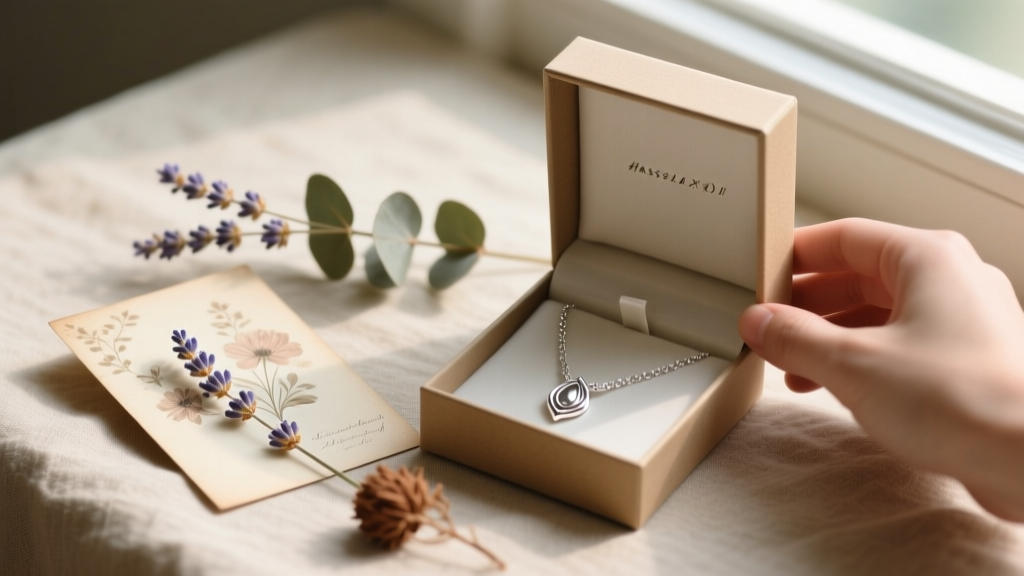
For Gen Z and Gen Alpha, Y2K fashion is a primary mode of self-expression. A high-quality mood necklace on a sterling silver chain makes an excellent birthday gift for teens. It offers interactive engagement that standard pendants lack. Gifting Tip: Pair the necklace with a printed copy of the color chart and a vintage-style film camera for a complete retro-themed gift bundle.
2. Low-Stakes Valentine's Day & 'Talking Stage' Gifts
Navigating the early stages of a romance can make traditional jewelry (like diamonds or heavy gold) feel overwhelming or overly serious. A mood necklace is the perfect 'talking stage' Valentine's gift. It is playful, visually interesting, and provides a built-in conversation starter without the heavy financial or emotional pressure of fine jewelry.
3. Secret Santa and Stocking Stuffers
During the holidays, finding a gift that feels personalized yet fits within a strict $30–$50 budget is challenging. Mood necklaces are visually striking and inherently fun, making them ideal for Secret Santa exchanges or as premium stocking stuffers. The universal curiosity about 'how it works' guarantees the recipient will immediately put it on and test it.
Buyer’s Guide: Material Grades and What to Avoid
The market is flooded with cheap, fast-fashion mood jewelry that degrades within weeks and causes contact dermatitis. When shopping, pay strict attention to the base metals and the crystal encasement.
- Avoid Stamped Zinc Alloy with Plastic Film: Cheap pendants use a thin layer of thermochromic leuco dye (similar to 90s Hypercolor t-shirts) sealed under a plastic dome over a zinc/brass alloy. These trap sweat, turn the wearer's skin green, and the plastic film scratches and clouds within days.
- Seek 316L Surgical Stainless Steel: For everyday wear, 316L steel is hypoallergenic, highly resistant to tarnish, and provides a cool, neutral base that won't artificially heat the pendant.
- Seek .925 Sterling Silver: For a premium gift, sterling silver offers excellent thermal conductivity, meaning the pendant will react faster and more accurately to the wearer's actual skin temperature.
- Demand Glass or Quartz Cabochons: Ensure the liquid crystals are sealed inside a hard glass or quartz dome. This prevents UV photodegradation and protects the delicate molecular matrix from moisture.
Care Instructions to Preserve the Crystals
To ensure your gift lasts, include a care card with your present. The Jewelers of America recommends keeping all specialized jewelry away from harsh chemicals, but mood necklaces require extra precautions. Never wear a mood necklace in the shower or pool. If water breaches the glass seal, it will permanently destroy the liquid crystal matrix, leaving the stone permanently black. Additionally, prolonged exposure to intense, direct UV sunlight can cause photodegradation, causing the crystals to lose their ability to shift into the warmer red and orange spectrums over time. Store the necklace in a dark jewelry box when not in use.
Final Thoughts on Gifting Retro Tech
Understanding what the colors mean on a mood necklace transforms it from a simple novelty item into a fascinating piece of wearable science. By selecting a pendant crafted from surgical steel or sterling silver with a properly sealed glass cabochon, you are gifting a durable, interactive accessory that perfectly captures the playful, nostalgic spirit of 2026 fashion. Match the occasion correctly, respect the material science, and your retro gift will be a guaranteed conversation starter.


