Mood Necklace Colors and What They Mean: Material Science
Discover the truth behind mood necklace colors and what they mean. We explore thermochromic materials, temperature thresholds, and liquid crystal science.

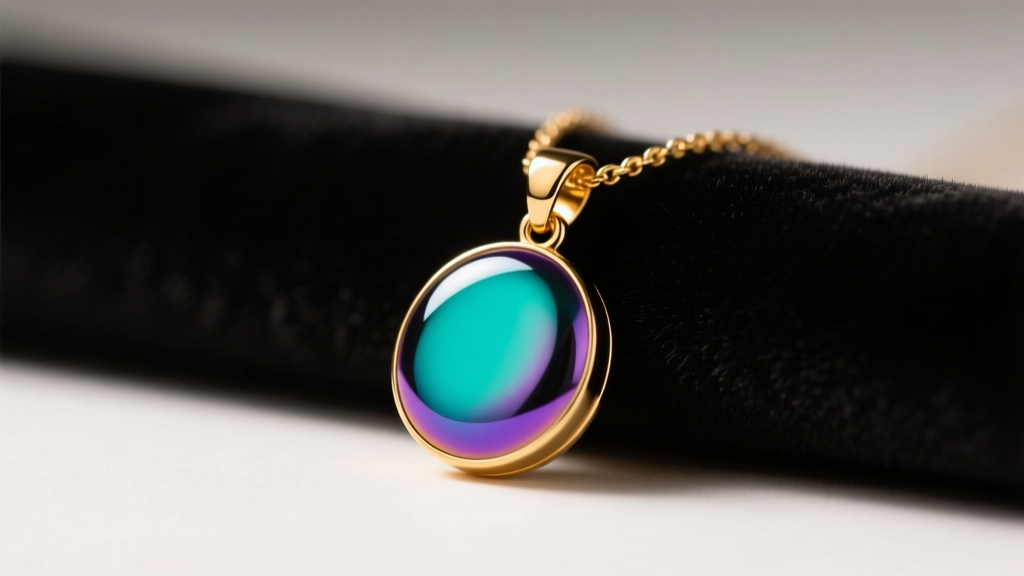
The Myth vs. The Material: How Mood Jewelry Actually Works
When researching mood necklace colors and what they mean, most style guides stop at a simple, somewhat mystical chart linking hues to human emotions. However, as jewelry material scientists and trend analysts at Jewel Style Radar, we look past the marketing lore to examine the actual thermochromic properties driving these color shifts. Mood necklaces do not possess psychological sensors; instead, they rely on complex chemical reactions to changes in thermal energy.
The premise of a mood necklace is rooted in human physiology. When you experience strong emotions like anxiety or fear, your autonomic nervous system triggers vasoconstriction, pulling blood away from your extremities and skin surface to protect vital organs. This causes your peripheral skin temperature to drop. Conversely, when you are relaxed or passionate, vasodilation occurs, increasing blood flow to the skin and raising its surface temperature. The pendant rests against the sternum, an area highly sensitive to these micro-fluctuations in core and peripheral heat. Therefore, the necklace is not reading your mind—it is reading your vascular response to stress and relaxation.
According to Scientific American, the technology behind these pendants was first popularized in the 1970s, utilizing specialized thermotropic liquid crystals. Today, the material science has evolved significantly, offering greater durability and more precise temperature calibration. To truly understand your jewelry, you must understand the chemistry of the thermochromic layer sealed within the glass or quartz cabochon.
Mood Necklace Colors and What They Mean: The Thermal Guide
While the emotional associations are largely subjective and culturally assigned, the temperature thresholds are strictly dictated by the chemical composition of the thermochromic pigment. Most modern mood necklaces are calibrated to a baseline skin temperature of approximately 28°C (82°F). Below is the definitive material science breakdown of mood necklace colors and what they mean in terms of actual thermal states.
| Color Display | Emotional Claim | Actual Skin Temperature | Material State & Light Reflection |
|---|---|---|---|
| Black / Dark Grey | Stressed, Anxious, Cold | Below 22°C (72°F) | Crystals are tightly wound, absorbing most visible light wavelengths. |
| Amber / Brown | Nervous, Restless | 22°C - 25°C (72°F - 77°F) | Helical structure begins to expand, reflecting longer red/orange wavelengths. |
| Green | Calm, Average, Balanced | 28°C (82°F) | Baseline calibration. The pitch of the crystals reflects mid-spectrum green light. |
| Blue / Teal | Relaxed, Happy, Peaceful | 30°C (86°F) | Vasodilation increases heat. Crystals expand further, reflecting shorter blue wavelengths. |
| Violet / Purple | Passionate, Excited, Very Warm | Above 32°C (90°F) | Maximum thermal expansion. The helical pitch shifts to reflect the shortest visible wavelengths. |
It is important to note that ambient room temperature plays a massive role in these readings. If you are in a cold environment, your pendant may remain black or amber regardless of your internal emotional state, simply because the surface of the glass cabochon cannot retain enough thermal energy to trigger the phase shift in the liquid crystals.
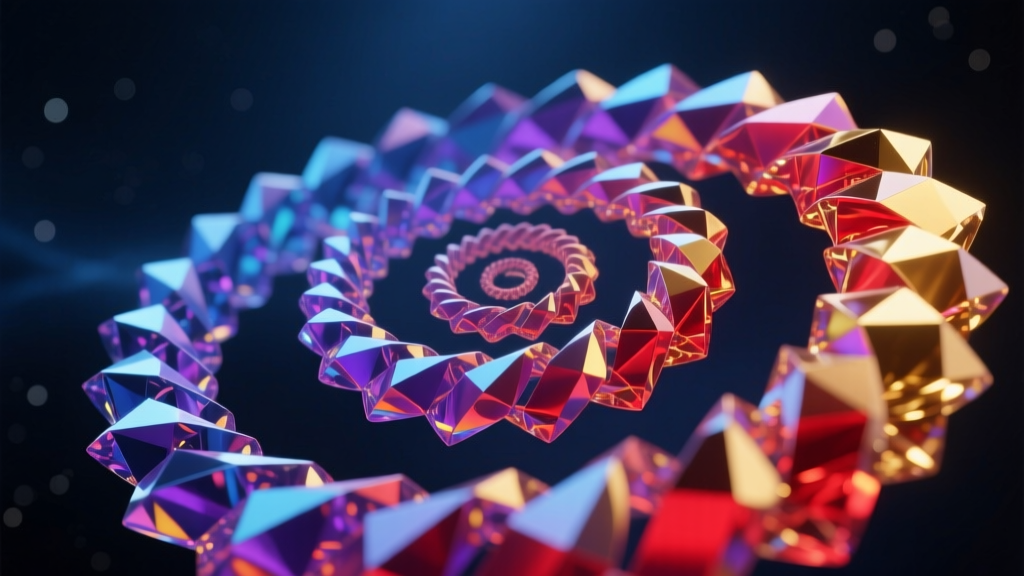
Material Comparison: Vintage Liquid Crystals vs. Modern Leuco Dyes
The jewelry market currently features two distinct types of thermochromic materials. Understanding the difference is crucial for collectors, buyers, and anyone curious about the longevity of their pendant.
Cholesteric Liquid Crystals (The Vintage Standard)
Original 1970s mood jewelry utilized cholesteric liquid crystals, which are derived from cholesterol-based compounds. These molecules arrange themselves in a helical (spiral) structure. The distance between the layers of this spiral is known as the 'pitch.' When light hits the liquid crystal layer, the pitch acts as a diffraction grating, selectively reflecting specific wavelengths of light while absorbing others.
As the temperature increases, the thermal energy causes the molecules to twist, changing the pitch of the helix. This continuous physical rotation is what creates the smooth, mesmerizing gradient shift from green to blue to violet. However, raw liquid crystals are highly susceptible to degradation from ultraviolet (UV) light and moisture. If the glass capsule seal fails, the crystals oxidize and the pendant permanently turns black.
Leuco Dyes and Polymer Encapsulation (Modern Alternatives)
To solve the fragility of liquid crystals, modern manufacturers (particularly those producing affordable fashion jewelry in the 2020s) have shifted toward thermochromic leuco dyes. As detailed in materials chemistry reports by Chemistry World, leuco dyes are carbon-based molecules that can exist in two distinct states: a colored form and a colorless form, dictated by temperature-induced changes in their molecular structure.
To protect these dyes, they are encapsulated within microscopic polymer shells, typically made of melamine-formaldehyde resin, measuring just 3 to 5 micrometers in diameter. These microcapsules are then suspended in a polyurethane or epoxy binder and painted onto the back of the cabochon. While leuco dyes offer vastly superior UV resistance and a longer shelf life, their color transition is often less continuous than liquid crystals. Instead of a smooth gradient, modern leuco dye pendants may exhibit more abrupt, binary color shifts (e.g., jumping directly from pink to blue without a smooth purple transition phase).
Why Your Mood Necklace Might Be Stuck on Black (Troubleshooting)
A common complaint among vintage jewelry collectors and modern buyers alike is the pendant becoming 'stuck' on black or a murky brown. From a materials engineering perspective, this indicates a failure of the thermochromic layer. Here are the primary failure modes:
- UV Degradation (Photobleaching): Prolonged exposure to direct sunlight breaks down the chemical bonds in both liquid crystals and leuco dyes. Once the molecular structure is compromised by UV radiation, the material loses its ability to refract light, defaulting to a light-absorbing black state.
- Moisture Breach: If the adhesive seal between the glass cabochon and the metal bezel fails, ambient humidity enters the capsule. Water molecules disrupt the helical alignment of liquid crystals and cause the microcapsules of leuco dyes to clump, resulting in a cloudy, unresponsive pendant.
- Thermal Shock: Exposing the necklace to extreme heat (such as leaving it on a car dashboard in summer) or extreme cold can permanently alter the crystallization point of the thermochromic pigment, effectively 'resetting' its baseline temperature beyond the range of human skin.
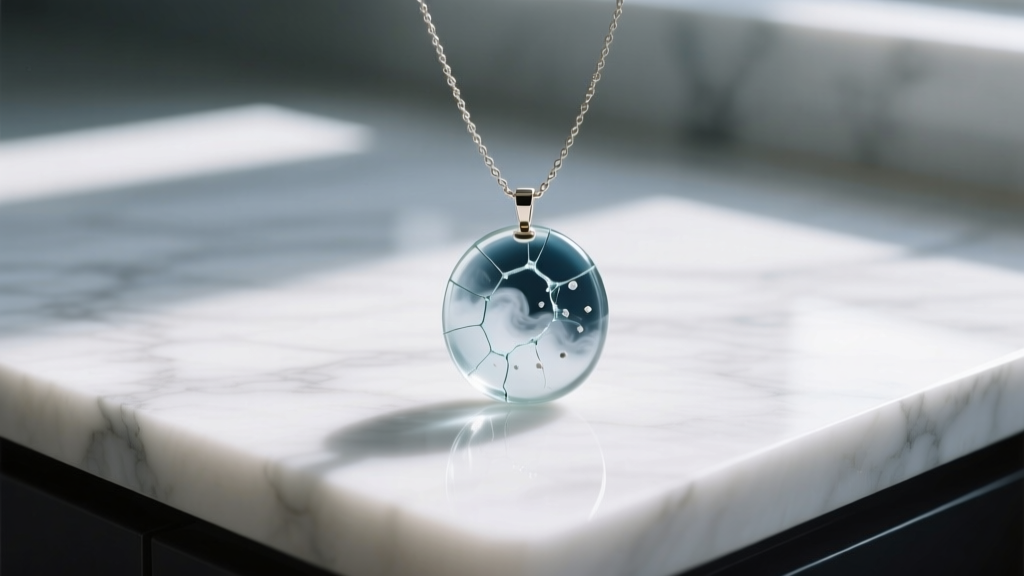
Care and Maintenance for Thermochromic Pendants
To preserve the thermochromic integrity of your mood necklace, you must treat it as a sensitive scientific instrument rather than standard metal jewelry. The organic compounds and polymer resins require specific care protocols to ensure the color-shifting properties remain active for years.
Expert Storage Tip: Never store your mood necklace in a jewelry box exposed to direct sunlight or near a heat source like a radiator. Keep it in a dark, temperature-controlled velvet pouch to prevent ambient UV degradation and thermal fatigue on the liquid crystal matrix.
Furthermore, you must avoid chemical solvents. Ultrasonic jewelry cleaners, harsh polishing cloths, and chemical dips (like silver tarnish removers) can easily dissolve the epoxy resin sealing the cabochon. If the metal setting requires polishing, use a dry, untreated microfiber cloth and carefully avoid the glass dome. When swimming or showering, always remove the pendant; the combination of chlorine, salt, and hot water will rapidly accelerate the breakdown of the polymer microcapsules.
Final Verdict: Wearing Science, Not Magic
Ultimately, exploring mood necklace colors and what they mean is an exercise in applied chemistry and human physiology. While the romantic notion of a gemstone reading your soul is a clever marketing invention, the actual material science—relying on the precise thermal expansion of cholesteric helices and polymer-encapsulated leuco dyes—is far more fascinating. By understanding the temperature thresholds and the chemical vulnerabilities of these thermochromic pigments, you can better appreciate, select, and care for these unique wearable barometers.


