What Are the Mood Colors for a Mood Necklace? Meaning & Trends
Discover what the mood colors for a mood necklace mean. Explore the science of thermochromic crystals, 2026 styling trends, and how to prevent water damage.

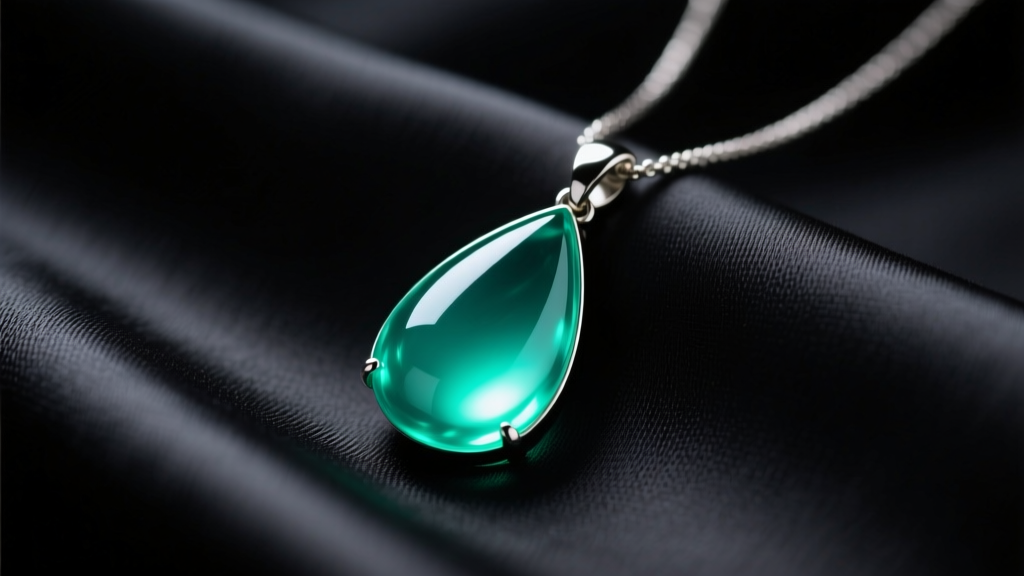
First introduced to the mass market in 1975 by inventor Marvin Wernick, mood jewelry has cycled through decades of pop-culture relevance. Today, driven by the massive Y2K nostalgia wave and the 2026 "Nostalgia Core" aesthetic, mood necklaces have graduated from cheap mall-kiosk novelties to highly sought-after pieces in curated indie jewelry collections. But beyond the retro appeal, how do these thermochromic pendants actually function, and what are the mood colors for a mood necklace supposed to tell us about our emotional state?
As a style guide tracking the intersection of material science and fashion trends, we are breaking down the exact color spectrum, the physiological realities behind the color shifts, and how modern jewelers are upgrading the classic mood stone for the contemporary wardrobe.
The Thermochromic Science: How Mood Stones Actually Work
To understand the color chart, you must first understand the material. The "stone" in a mood necklace is rarely a solid gemstone. According to material analyses cited by Scientific American, the centerpiece is typically a hollow glass or quartz cabochon filled with cholesteric liquid crystals.
These liquid crystals are highly sensitive to temperature fluctuations. As the temperature changes, the molecular structure of the crystals twists, altering the "pitch" of their helix. This physical twist changes the wavelength of light that is reflected back to the human eye. Therefore, a mood necklace does not measure emotions directly; it measures peripheral surface body temperature, which is influenced by blood flow and capillary constriction—both of which are secondary reactions to emotional and physiological states.
Decoding the Spectrum: What Are the Mood Colors for a Mood Necklace?
When consumers search for the definitive guide to these pendants, the most common question is: what are the mood colors for a mood necklace? While manufacturers occasionally tweak their specific chemical blends, the industry-standard thermochromic color scale follows a predictable temperature gradient. Below is the master chart correlating the pendant's color to surface temperature and the corresponding physiological state.
| Color Displayed | Surface Temperature | Purported Mood | Physiological Reality |
|---|---|---|---|
| Black / Gray | Below 20°C (68°F) | Stressed, Anxious, Cold | Poor peripheral circulation; blood drawn to core. |
| Amber / Brown | 20°C - 24°C (68°F - 75°F) | Nervous, Restless | Slightly constricted capillaries; mild stress response. |
| Green / Teal | 28°C (82°F) | Calm, Balanced, Normal | Standard resting surface temperature; optimal blood flow. |
| Blue / Cyan | 30°C (86°F) | Relaxed, Peaceful | Warm extremities; parasympathetic nervous system active. |
| Violet / Purple | 32°C+ (90°F+) | Passionate, Excited, Romantic | Flushed skin; elevated heart rate and increased blood flow. |
Note: Ambient room temperature heavily influences the pendant. A green stone in a warm room may turn blue simply due to environmental heat, not a sudden state of deep relaxation.
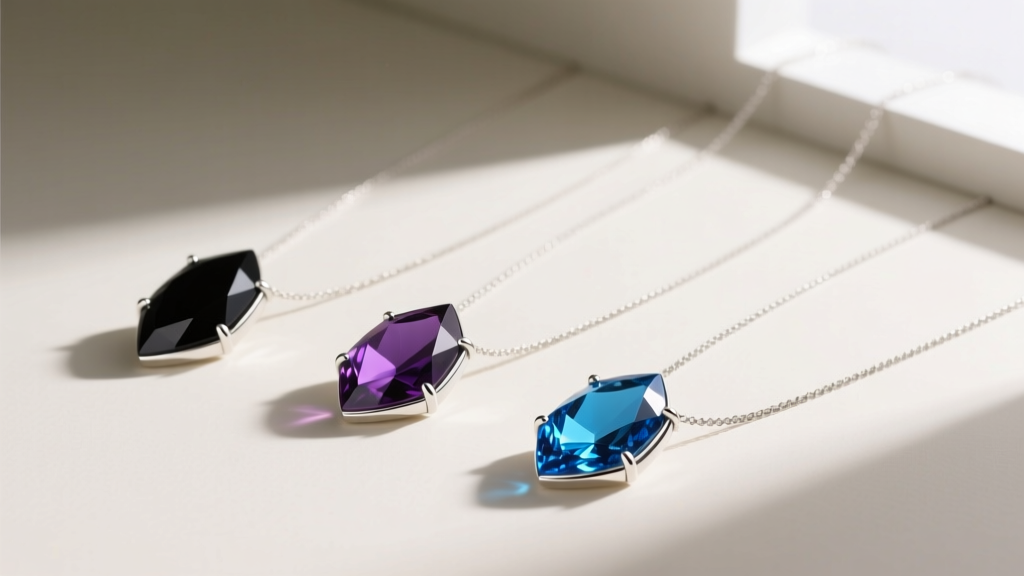
2026 Trend Analysis: The Elevated Mood Pendant
In 2026, the jewelry market has seen a distinct bifurcation in mood necklace manufacturing. The era of the pot-metal, nickel-heavy bezel is ending, replaced by a demand for hypoallergenic, fine-jewelry standards applied to novelty stones.
Material Upgrades and Pricing Tiers
Modern style influencers are layering mood pendants with high-quality chains, demanding that the pendant hardware match. Here is how the 2026 market is priced and structured:
- Fast Fashion / Kiosk Tier ($8 - $18): Features zinc-alloy or brass bezels with thin glass cabochons. Highly prone to tarnishing and skin irritation. The liquid crystal layer is often poorly sealed.
- Mid-Tier Indie Silversmiths ($45 - $85): The sweet spot for 2026 trends. These utilize 925 sterling silver or 14k gold-filled bezels. The stones are genuine hermetically sealed quartz, protecting the thermochromic sheet from moisture.
- Designer / Archival Tier ($120 - $250+): Vintage 1970s deadstock pieces restored with modern hardware, or avant-garde designers incorporating raw, uncut thermochromic polymers into brutalist metal settings.
Critical Failure Modes: Why Your Mood Necklace Turned Black
The most common complaint among collectors is the "Black Death"—a mood stone that turns black and refuses to change color, regardless of body heat. According to gemological sealing standards discussed by the Gemological Institute of America (GIA), the primary enemy of thermochromic jewelry is moisture intrusion.
The Mechanics of Water Damage
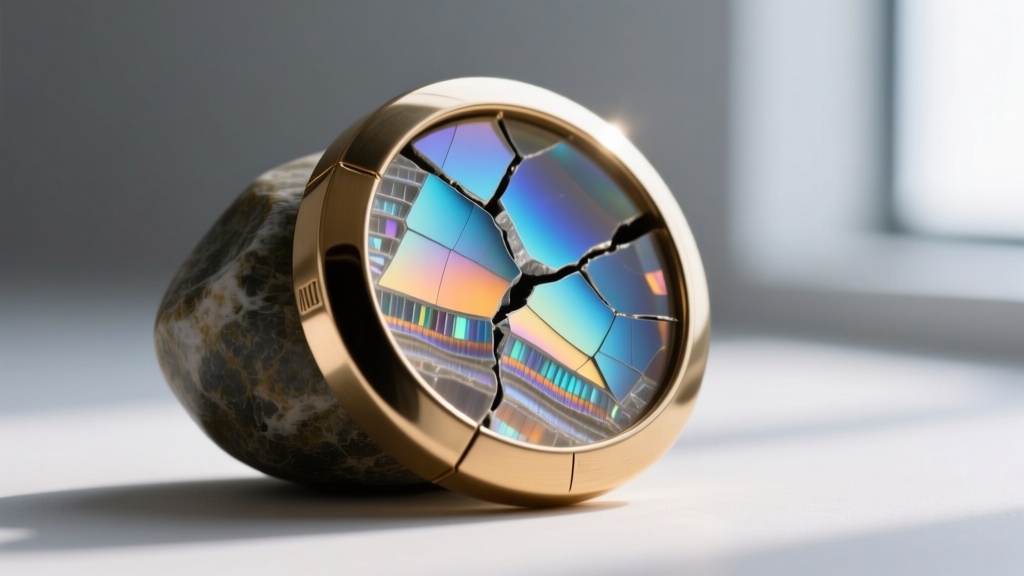
If a mood necklace is worn in the shower or caught in the rain, water can seep between the glass/quartz cabochon and the metal bezel via capillary action. Once water touches the liquid crystal sheet, it destroys the molecular alignment of the cholesteric helix. This damage is permanent. No amount of drying or heating will restore the color-changing properties.
UV Degradation
The secondary failure mode is ultraviolet light exposure. Prolonged, direct sunlight breaks down the organic leuco dyes mixed into the liquid crystal suspension. If you leave your necklace on a sunny dashboard, the stone will eventually bleach out, permanently displaying a pale, murky yellow or clear hue. To preserve a mood pendant, store it in a dark, dry jewelry box when not in use.
Styling the Mood Necklace in 2026
The modern approach to styling a mood necklace relies on juxtaposition. Because the stone itself is inherently playful and retro, the surrounding styling should be grounded and sophisticated to avoid looking like a costume piece.
The Layering Framework
- The Anchor (14-16 inches): Start with a simple, 1.5mm 14k gold-filled or sterling silver snake chain sitting at the collarbone. This frames the face without competing with the mood stone.
- The Focal Point (18-20 inches): Your mood pendant should rest here. Opt for a geometric cut—like a hexagon or an emerald-cut rectangle—rather than the traditional 1970s teardrop, which leans too heavily into costume territory.
- The Texture (24+ inches): Finish with a longer, matte-finished beaded chain or a dark oxidized silver link chain to draw the eye downward and elongate the neckline.
By treating the mood necklace as a legitimate piece of material science rather than a child's toy, you can seamlessly integrate thermochromic jewelry into a mature, trend-forward 2026 wardrobe. Understanding the exact temperature triggers and protecting the stone from moisture ensures your pendant remains a vibrant, reactive accessory for years to come.


