Mood Necklaces Stuck on One Color? Troubleshooting Guide
Is your mood necklace stuck on black or cloudy? Discover the science of thermochromic crystals, diagnostic charts, and expert resetting tricks.

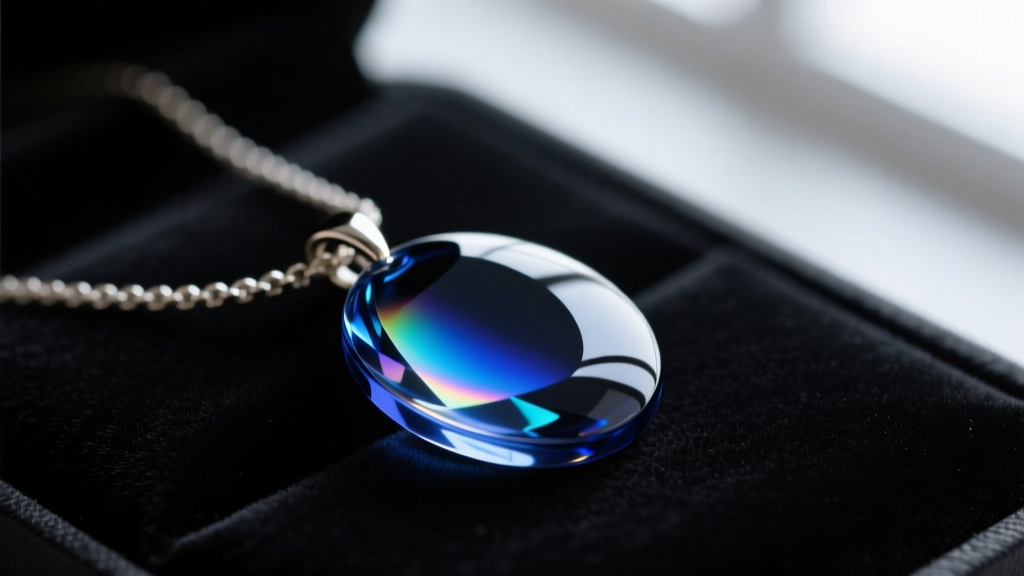
There is a distinct frustration that comes with wearing mood necklaces only to find them permanently frozen on a single, unyielding color. Whether your pendant is stuck on a gloomy black, a perpetual vibrant blue, or has developed an opaque, cloudy fog, the issue almost always traces back to the delicate chemistry of thermochromic liquid crystals. While modern 2026 manufacturing has improved the durability of these novelty staples, they remain highly sensitive to environmental stressors, physical impact, and improper maintenance.
In this comprehensive troubleshooting guide, we will bypass the generic 'mood charts' and dive deep into the materials science of thermochromic jewelry. You will learn how to diagnose micro-fractures, understand baseline skin temperature interference, and execute a safe thermal reset to revive a seemingly dead pendant.
The Micro-Encapsulation Science: Why Mood Necklaces Fail
To troubleshoot a malfunctioning pendant, you must first understand its internal architecture. The color-shifting magic in mood necklaces relies on cholesteric liquid crystals (a specific phase of thermochromic liquid crystals). According to materials chemistry breakdowns by Compound Interest, these crystals are twisted into microscopic helical structures. As temperature changes, the pitch of this helix expands or contracts, altering the wavelength of light it reflects.
Because these liquid crystals are highly volatile and degrade when exposed to UV light and moisture, they are suspended in microcapsules (typically 3 to 5 micrometers in diameter) and sealed within a glass or synthetic quartz dome. When a mood necklace stops working, it is rarely a 'mood' failure; it is a structural failure of this encapsulation.
- Glass Domes (Vintage & High-End): Offer superior UV protection but are prone to shattering from micro-impacts, leading to moisture ingress.
- Synthetic Resin (Modern Mass-Market): Highly shatter-resistant but porous over time, allowing skin oils and lotions to degrade the chemical dyes.
Diagnostic Chart: Decoding Your Pendant's Stuck State
Before attempting any fixes, identify the exact failure mode based on the color your necklace is stuck on. Use the diagnostic table below to pinpoint the physical or chemical breakdown.
| Stuck Color / State | Scientific Cause | Reversibility |
|---|---|---|
| Jet Black | Temperature below 24°C (75°F), or the liquid crystals have lost their chiral nematic phase structure due to extreme heat exposure (e.g., left in a hot car). | Often Reversible (Thermal Reset) |
| Permanent Blue/Green | UV Degradation. Prolonged sunlight exposure destroys the red/yellow spectrum leuco dyes, leaving only the base blue/green reflectors intact. | Irreversible (Chemical Death) |
| Cloudy / Foggy White | Moisture Ingress. A micro-fracture in the glass or resin casing has allowed humidity to mix with the liquid crystal suspension. | Irreversible (Structural Failure) |
| Stuck on Red/Amber | Trapped Heat. The pendant backing is insulated by thick clothing, or the wearer has a localized fever/elevated basal body temperature. | Reversible (Environmental Fix) |
The Thermal Reset Protocol: Reviving a 'Dead' Black Pendant
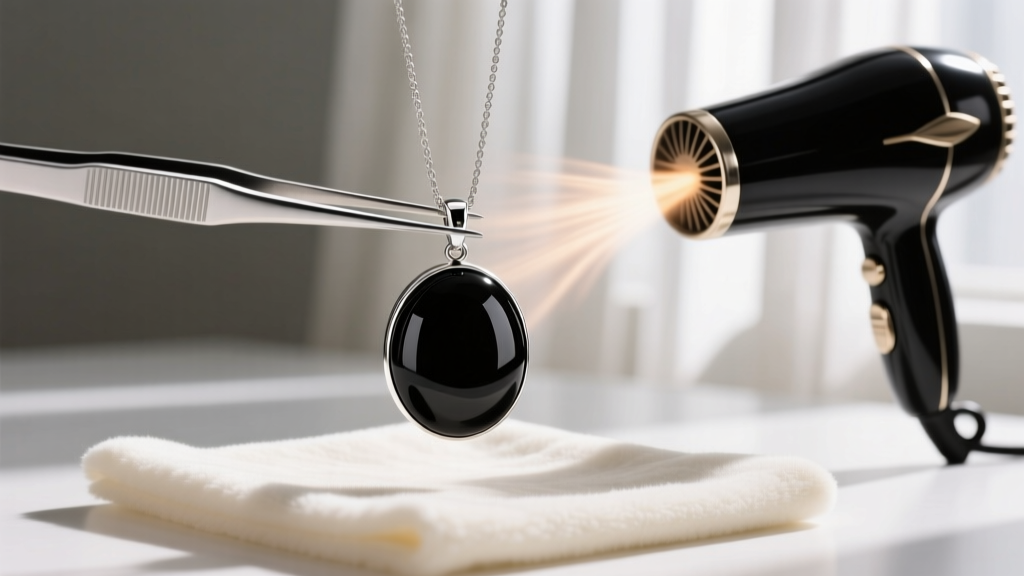
If your mood necklace is stuck on black and you suspect the crystals have 'frozen' or lost their alignment due to a cold snap or improper storage, you can attempt a thermal reset. Never use boiling water or a lighter. Sudden, extreme thermal shock will instantly shatter glass casings and melt resin backings, destroying the microcapsules.
- Preparation: Lay the pendant on a heat-safe, non-abrasive surface like a microfiber jewelry cloth.
- Apply Gentle Heat: Use a standard hairdryer on the lowest heat and lowest airflow setting. Hold it exactly 6 inches away from the pendant.
- Monitor the Shift: Sweep the hairdryer back and forth for 30 to 45 seconds. Watch for the black to shift into deep purple or blue.
- Cool Down: Once the color shifts, remove the heat and let the pendant cool to room temperature naturally. This realigns the liquid crystal helices.
If the pendant remains black after reaching roughly 32°C (90°F) via the hairdryer method, the chemical bonds inside the microcapsules have permanently degraded, and the pendant must be replaced.
Chain Weight, Gauge, and Sternum Contact
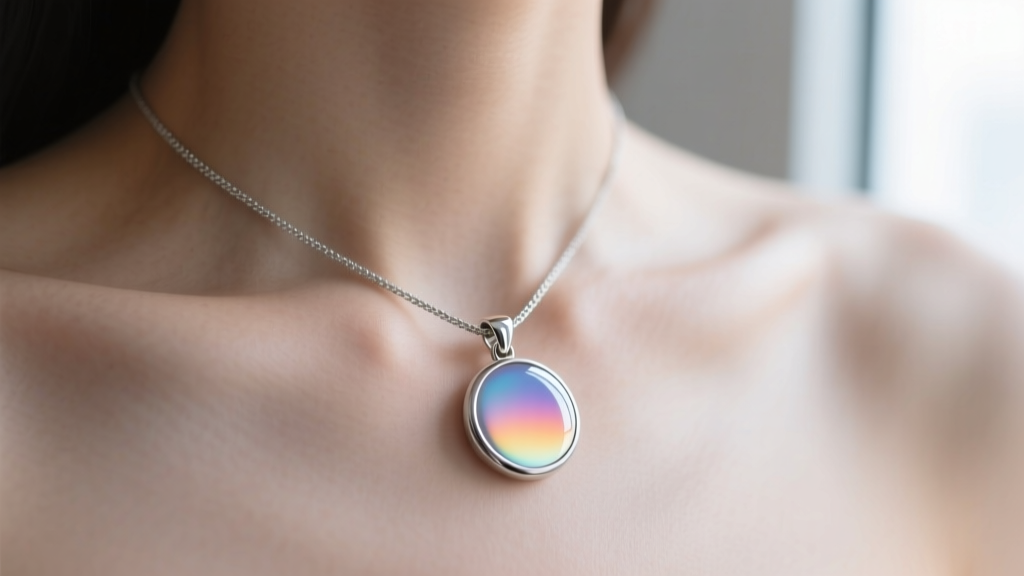
A frequently overlooked reason for inaccurate or 'stuck' color readings in mood necklaces is poor skin contact. Thermochromic crystals require a consistent baseline of body heat (usually around 32°C to 34°C at the skin's surface) to function within their intended color spectrum. If the pendant is hovering away from your skin, it is reading the ambient room temperature instead of your body heat.
This issue is almost always caused by pairing a lightweight mood pendant with an overly heavy chain. As noted in historical jewelry analyses by the Smithsonian Magazine, the physical housing of early mood jewelry was specifically weighted to lay flat against the pulse points. Modern troubleshooting requires paying attention to chain gauges:
- Avoid Heavy Chains (4.0mm+): Thick Cuban links or heavy rope chains pull the lightweight pendant outward, creating a gap between the stone and the sternum.
- Optimal Gauge (1.2mm - 2.0mm): Use delicate cable, rolo, or box chains. These provide enough structural support to hold the clasp but are light enough to allow gravity to pull the pendant flush against the hollow of the collarbone or sternum.
- Backing Materials: Pendants with a flat, exposed metal backing (like copper or sterling silver) conduct body heat to the crystals significantly faster than those with a thick, insulated plastic backing.
Daily Wear and Chemical Hazards
To prevent the dreaded 'cloudy' moisture ingress and UV degradation, you must adapt your jewelry care routine to accommodate the fragility of thermochromic materials. Standard jewelry cleaning methods are actively hostile to mood necklaces.
What to Avoid at All Costs
- Ultrasonic Cleaners: The high-frequency cavitation bubbles generated by ultrasonic jewelry cleaners will literally shake the microscopic liquid crystal capsules apart, resulting in a permanent cloudy appearance.
- Chemical Polishes: Silver dips and brass cleaners contain harsh acids that will eat through the adhesive seal binding the glass dome to the metal bezel, creating a pathway for moisture.
- Perfumes and Lotions: Applying body lotions or alcohol-based perfumes while wearing the necklace will degrade synthetic resin domes over time, causing them to yellow and block the color-shifting spectrum.
Proactive Storage for Longevity
When not in use, mood necklaces should be stored in a dark, climate-controlled environment. A closed jewelry box lined with anti-tarnish cloth is ideal. Leaving the necklace on a vanity table exposed to direct morning sunlight is the fastest way to induce UV degradation, permanently locking the liquid crystals into a single, unresponsive wavelength. By understanding the precise material limits of your pendant, you can extend the functional lifespan of your thermochromic jewelry from a few fleeting weeks to several years of accurate, colorful wear.


