Choosing a Mormon Necklace: Metals, Chain Gauges, and LDS Symbols
Discover the metallurgy, chain gauges, and clasp mechanics behind durable Mormon necklaces. Expert guide to LDS symbols, metals, and daily wear.

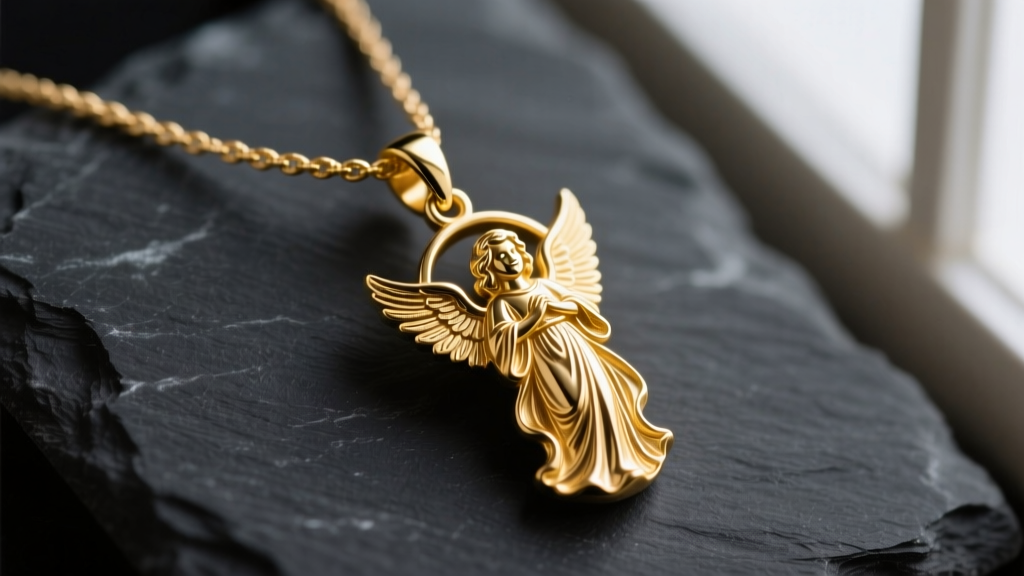
When selecting a mormon necklace, buyers often focus solely on the symbolic pendant—be it the Angel Moroni, the CTR shield, or a temple silhouette. However, as jewelry metallurgists and style experts, we evaluate these pieces through the lens of structural integrity, material science, and biomechanical wear. A faith-based pendant meant for daily, lifelong wear requires precise engineering to withstand friction, sweat, and the tension of constant use. This deep dive explores the technical specifications you must demand when investing in LDS jewelry, ensuring your sacred symbols endure a lifetime of daily wear.
The Material Science of Faith-Based Jewelry
The longevity of any necklace is dictated by its base alloy. For daily-wear religious jewelry, the metal must resist corrosion from human sweat (which has a slightly acidic pH of 4.5 to 7.0) and withstand the mechanical stress of snagging. Here is how the most common metals perform on the Vickers Hardness (HV) scale and in real-world environments:
- 316L Surgical Stainless Steel (150-190 HV): Unlike cheaper 304 steel, 316L contains 2-3% molybdenum, which drastically increases resistance to chloride corrosion. This is the premier choice for budget-friendly, high-durability pendants that will be worn against the skin in humid climates.
- 14k Yellow Gold (130-150 HV): Composed of 58.5% pure gold alloyed with copper and zinc, 14k gold offers the optimal balance of malleability for casting intricate LDS symbols and tensile strength for thin chain links. It is significantly more scratch-resistant than 18k gold.
- Grade 5 Titanium / Ti-6Al-4V (334 HV): Exceptionally lightweight and entirely hypoallergenic. Titanium is ideal for larger pendants (like detailed temple silhouettes) that would otherwise drag down a delicate chain. However, its extreme hardness makes resizing or repairing titanium chains nearly impossible without specialized laser welding equipment.
According to the Gemological Institute of America (GIA), nickel allergies affect up to 15% of the population. When purchasing white gold or steel LDS necklaces, always verify that the alloy is nickel-free or heavily rhodium-plated to prevent contact dermatitis.
Chain Gauge, Tensile Strength, and Clasp Mechanics
The pendant is only as secure as the chain holding it. A common failure mode in mass-produced religious jewelry is the use of sub-millimeter chains that snap under minor kinetic shock. For a mormon necklace worn daily under clothing, we recommend a chain gauge between 1.2mm and 1.5mm.
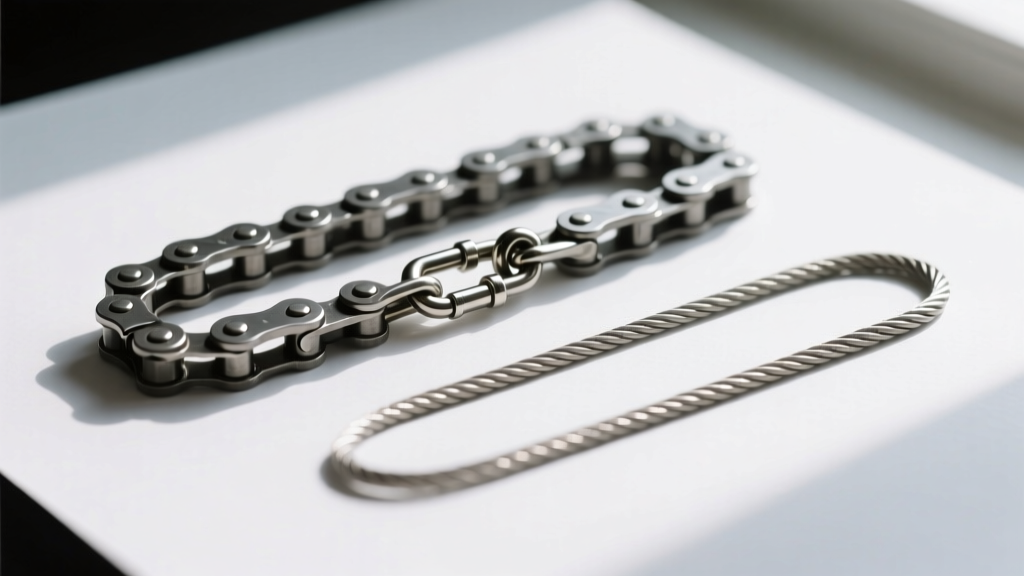
Chain Link Architecture
Box Chains: Constructed from interlocking square links, box chains offer superior tensile strength (a 1.2mm 316L box chain can withstand roughly 15 lbs of pull force before link deformation). They also lay perfectly flat, preventing them from twisting under collared shirts or temple garments.
Rope Chains: While they offer brilliant light refraction due to their twisted geometry, rope chains are prone to snagging on woven fabrics. If a rope chain snags, the torsional stress can warp the delicate twists, leading to permanent kinking.
Clasp Failure Rates
The clasp is the weakest mechanical point on any necklace. Standard spring-ring clasps contain a microscopic internal coil spring that typically fatigues and fails after 2,000 to 3,000 articulation cycles (roughly 1-2 years of daily removal). For lifelong wear, always upgrade to a cast lobster clasp, which utilizes a solid lever mechanism that is highly resistant to spring fatigue and accidental unhooking.
Decoding LDS Symbols: Dimensions and Engraving Depths
The manufacturing method used to create the pendant dictates the crispness of the symbolism over time. Laser engraving is cost-effective but shallow (typically 0.05mm deep), meaning the design will polish away after a few years of friction. For heirloom-quality pieces, look for CNC milling or lost-wax casting, which provides dimensional depth.
| LDS Symbol | Optimal Dimensions | Best Manufacturing Method | Recommended Metal |
|---|---|---|---|
| CTR Shield | 15mm x 12mm | CNC Deep Milling (0.2mm+ depth) | 14k Gold or 316L Steel |
| Angel Moroni | 20mm x 8mm | 3D Lost-Wax Casting | 10k or 14k Yellow Gold |
| Beehive | 12mm x 12mm | Die Striking (High Density) | 14k Rose Gold |
| Temple Silhouette | 25mm x 15mm | Cut-out Cast with Milgrain Edges | Sterling Silver or White Gold |
For deeper context on the historical and theological significance of these symbols, the Church of Jesus Christ Gospel Topics essays provide foundational insights into why motifs like the CTR shield remain central to LDS identity and personal remembrance.
Navigating Skin Sensitivities and Garment Friction
Wearing a necklace beneath formal garments or tight collars creates a high-friction microenvironment. This accelerates the wear of surface treatments. If you are purchasing a gold-toned steel necklace, avoid traditional electroplating. Electroplated gold layers are typically less than 0.1 microns thick and will rub off within months.
Expert Tip: Demand PVD (Physical Vapor Deposition) coating. PVD bonds gold to the steel substrate at a molecular level in a vacuum chamber. A PVD coating of 0.5 to 1.0 microns offers up to 10 times the wear resistance of standard electroplating, ensuring your gold-toned CTR pendant survives years of garment friction without exposing the base metal.
Furthermore, ensure the bail (the loop connecting the pendant to the chain) features a hardened steel or ruby-lined insert. Unlined soft gold bails will quickly wear thin grooves from the constant sawing motion of the chain, eventually leading to the pendant detaching and being lost.
Pricing Tiers and Authenticity Markers
Understanding the metallurgical reality of LDS jewelry helps you avoid overpaying for inferior craftsmanship. Here is a realistic pricing framework for authentic, well-constructed pieces in the current market:
- $25 - $60 (The Utility Tier): 316L stainless steel with PVD coating or laser engraving. Excellent for teenagers, missionaries, or active outdoor wear where loss or damage is a high risk.
- $150 - $350 (The Heirloom Tier): Solid 10k or 14k gold, lost-wax cast with hand-polished finishes. Includes secure lobster clasps and properly soldered jump rings. This is the sweet spot for adult daily wear.
- $500 - $1,200+ (The Masterwork Tier): 18k gold, custom CNC-milled temple silhouettes, potentially featuring pavé-set diamond accents (ensure stones are set with 4-prong micro-beads, not glued).
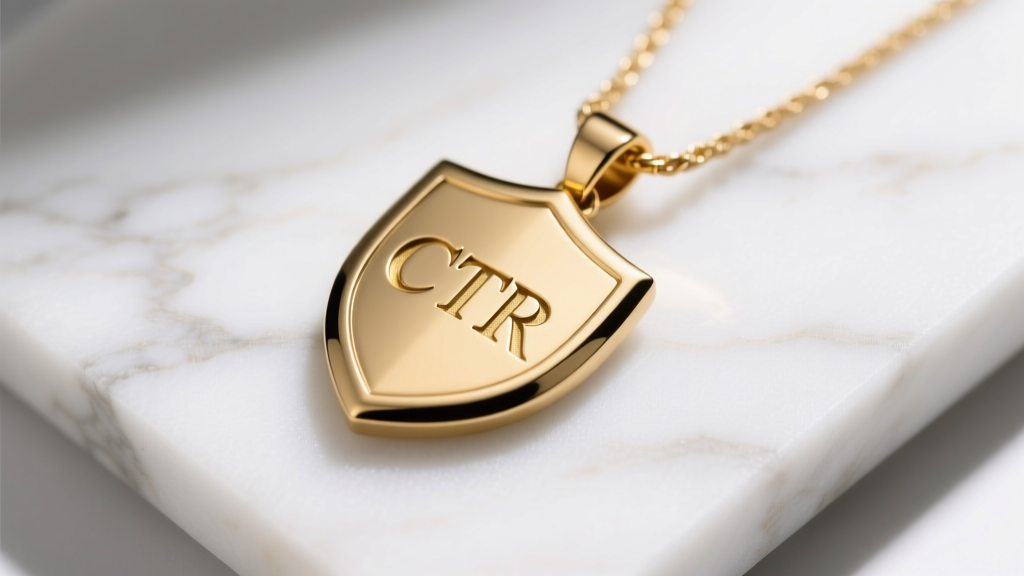
Always look for the maker's mark and the metal purity stamp (e.g., "14K" or "585") stamped on the back of the pendant or on the clasp tongue. According to the Rio Grande metals manufacturing guide, legitimate casters and fabricators are legally required to stamp precious metal alloys, and the absence of a stamp is a primary indicator of hollow or plated base metals.
Care and Maintenance Protocols
Even the most robust 14k gold mormon necklace requires specific maintenance to preserve its structural integrity and luster. Avoid using ultrasonic cleaners on pendants that feature oxidized (blackened) recesses, as the high-frequency cavitation will strip the intentional antiquing, leaving the piece looking flat and washed out.
Instead, clean your jewelry weekly using a soft-bristled baby toothbrush and a solution of warm water with a few drops of mild, phosphate-free dish soap. Rinse thoroughly and dry with a microfiber cloth. Never wear your necklace in chlorinated pools or hot tubs; chlorine gas aggressively attacks the copper and zinc alloys in karat gold, leading to microscopic stress corrosion cracking that will cause the chain to snap without warning.
By prioritizing metallurgical quality, precise chain gauges, and deep-cut symbolism, you ensure that your faith-based jewelry is not just a fleeting accessory, but a resilient, lifelong companion.


