The Ultimate Multi Gem Necklace Gold Buying Guide & Style Tips
Discover how to choose the perfect multi gem necklace gold. Learn about karat weights, gemstone durability, settings, and pricing in our expert guide.

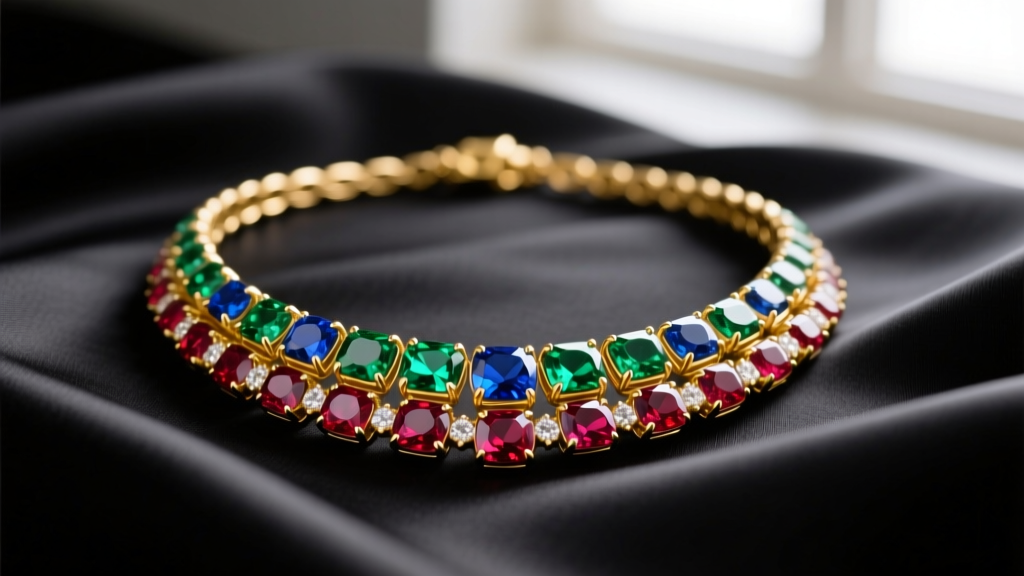
The Rise of the Multi Gem Necklace Gold Trend
A multi gem necklace gold design is more than just a collection of colorful stones; it is a masterclass in color theory, metallurgy, and structural engineering. Whether you are drawn to the vintage-inspired "Tutti Frutti" carved gemstone styles or modern, minimalist rainbow station necklaces, combining multiple gemstones in a single gold setting presents unique challenges and opportunities. As a buyer, you must look beyond the initial visual appeal and evaluate how these diverse materials interact over decades of wear. This comprehensive buying guide breaks down the exact specifications, material grades, and structural considerations you need to know before investing in a multi-stone gold necklace.
Decoding Gold Purity: 14K vs. 18K for Multi-Stone Pieces
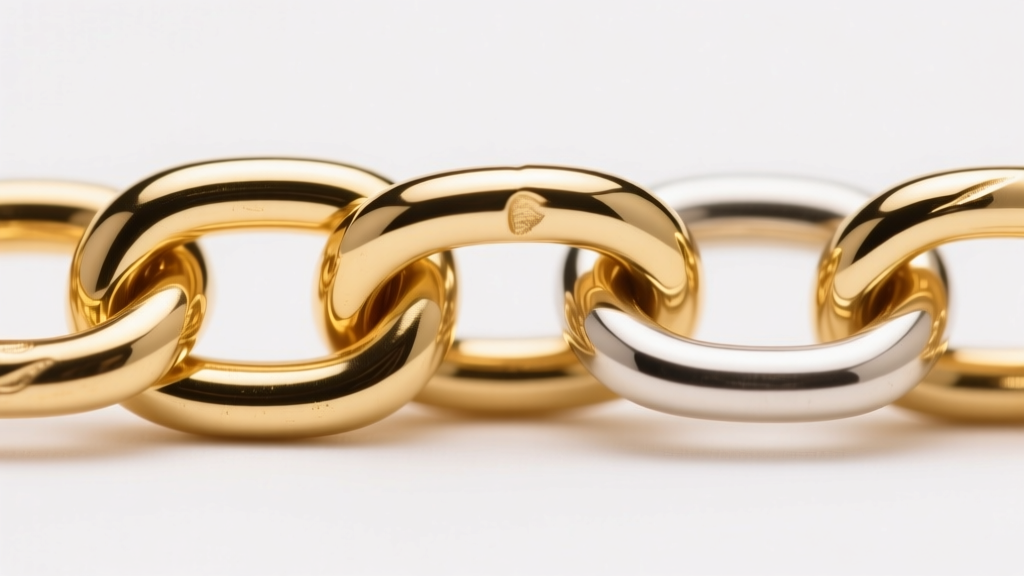
When selecting the foundation for your necklace, gold purity dictates both the aesthetic warmth and the structural integrity of the piece. According to the Jewelers of America, gold purity is measured in karats, with 24K being pure gold. However, pure gold is far too malleable for jewelry. For a multi gem necklace gold piece, the tension and weight of multiple stones require an alloy with high tensile strength.
14K Gold (58.3% Pure Gold): This is the industry standard for multi-stone necklaces, particularly those featuring prong or tension settings. The higher proportion of alloy metals (typically copper, silver, and zinc) gives 14K gold superior durability. If your necklace features heavy gemstones or delicate micro-prongs, 14K gold will resist bending and prong wear significantly better than higher-karat alternatives.
18K Gold (75% Pure Gold): Prized for its rich, buttery yellow hue and hypoallergenic properties, 18K gold is a favorite in high-end fine jewelry. However, it is inherently softer. If you choose an 18K multi gem necklace gold design, ensure the settings are robust—such as bezel or channel settings—rather than delicate micro-prongs, which can wear down and release stones over time.
Gemstone Selection: The Mohs Scale & Adjacent Stone Friction
The most critical mistake buyers make with multi-stone jewelry is ignoring gemstone hardness. The GIA Gem Encyclopedia utilizes the Mohs scale of mineral hardness to rank stones from 1 (talc) to 10 (diamond). In a multi gem necklace gold design, stones often rest near one another. If a harder stone repeatedly rubs against a softer one, the harder stone will act like sandpaper, gradually scratching and dulling the softer gem.
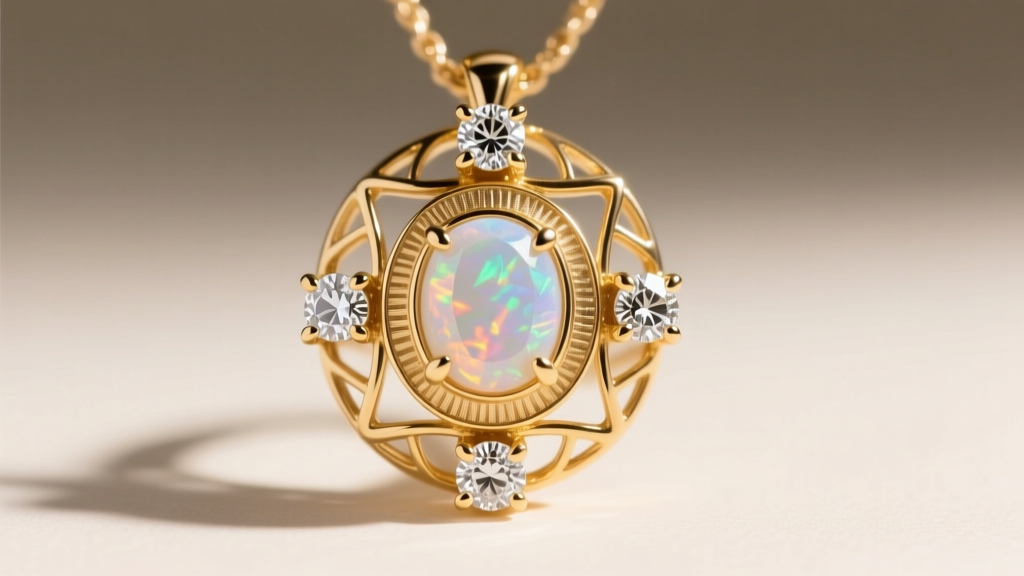
For example, pairing diamonds (Mohs 10) or sapphires (Mohs 9) directly adjacent to tanzanite (Mohs 6.5) or opal (Mohs 5.5-6.5) in a clustered pendant is a recipe for long-term damage. To mitigate this, expert jewelers use "station" designs, spacing softer gems apart with gold links, or employ protective bezel settings that prevent the stones' girdles from touching.
Durability & Placement Matrix
| Gemstone | Mohs Hardness | Cleavage Risk | Ideal Placement in Multi-Gem Design |
|---|---|---|---|
| Diamond | 10 | Good (1 direction) | Centerpiece or spaced stations; will scratch adjacent stones. |
| Sapphire / Ruby | 9 | Poor / None | Highly durable; excellent for clustered or channel settings. |
| Spinel / Topaz | 8 | Perfect (Topaz) | Topaz requires protective settings due to cleavage; Spinel is versatile. |
| Tanzanite / Garnet | 6.5 - 7.5 | Perfect (Tanzanite) | Use as spaced stations; avoid heavy impact or clustering with diamonds. |
| Opal / Pearl | 2.5 - 6.5 | N/A | Strictly bezel-set; keep away from harder stones and harsh chemicals. |
Setting Styles: Securing Your Investment
The setting style in a multi gem necklace gold piece must be tailored to the specific stones being used. A one-size-fits-all approach often leads to lost gems or damaged settings.
- Bezel Settings: A rim of gold completely encircles the gemstone's girdle. This is the absolute best choice for softer, fragile stones like opals, emeralds, and tanzanites. It prevents edge chipping and stops adjacent stones from making contact.
- Prong Settings: Metal claws grip the stone, allowing maximum light return. Ideal for hard, brilliant stones like diamonds, sapphires, and rubies. Ensure the prongs are at least 0.8mm thick if crafted in 14K gold to prevent snagging and bending.
- Channel Settings: Stones are set into a continuous groove in the gold. Excellent for uniform, calibrated melee stones (like baguette sapphires or round diamonds) in a linear necklace bar. However, resizing or repairing channel-set multi-gem bars is notoriously difficult.
Pricing Framework: What Should You Expect to Pay?
Pricing for a multi gem necklace gold design varies wildly based on the origin, treatment, and carat weight of the stones, as well as the gold weight. Here is a realistic 2026 pricing framework to help you benchmark your purchase:
1. Fashion & Semi-Precious Tier ($400 – $1,200): Typically features 14K gold chains with small, calibrated semi-precious stones (amethyst, citrine, peridot, garnet). Stones are often lab-created or heavily included natural melee. The gold weight is usually light (2-4 grams).
2. Fine Jewelry Tier ($1,500 – $4,500): Features solid 14K or 18K gold with higher-quality, naturally mined semi-precious stones or lab-grown diamonds/sapphires. Expect better color saturation, eye-clean clarity, and precise custom cutting. Gold weight ranges from 5 to 12 grams.
3. High Jewelry & Precious Tier ($6,000 – $25,000+): Reserved for unheated rubies, sapphires, emeralds, and natural diamonds set in heavy 18K or 22K gold. These pieces often feature complex "Tutti Frutti" carved gems or graduated rainbow designs. Certificates from top-tier labs (GIA, Gübelin, SSEF) are mandatory at this price point.
Authenticity, Treatments, and Sourcing
When buying a multi-stone necklace, the likelihood of encountering treated gemstones is exceptionally high. It is standard industry practice to heat-treat rubies and sapphires to improve color and clarity. However, you must be wary of lattice diffusion (where color is artificially introduced into the stone's surface) and fracture filling (where glass or resin is used to hide cracks in emeralds and rubies).
Always ask the jeweler for a detailed disclosure of treatments. For multi gem necklace gold pieces priced above $2,000, insist on an independent gemological report. Furthermore, inquire about the gold sourcing. Reputable brands now utilize 100% recycled gold or Fairmined gold, ensuring that the environmental footprint of your multi-stone piece is minimized without sacrificing structural integrity or aesthetic brilliance.
Final Verdict: Building Your Collection
A multi gem necklace gold piece is a vibrant, dynamic addition to any jewelry wardrobe. By prioritizing 14K gold for structural durability, respecting the Mohs scale when evaluating stone placement, and demanding full transparency regarding gemstone treatments, you can secure a piece that is not only visually stunning but engineered to last generations. Focus on quality of cut over sheer carat weight, and always ensure the setting style matches the specific vulnerability of the gems it holds.


