Name Brand Necklaces: A Material & Alloy Property Comparison
Analyze the metallurgical value of name brand necklaces. We compare luxury alloy grades, plating thickness, and material properties for smart buyers.

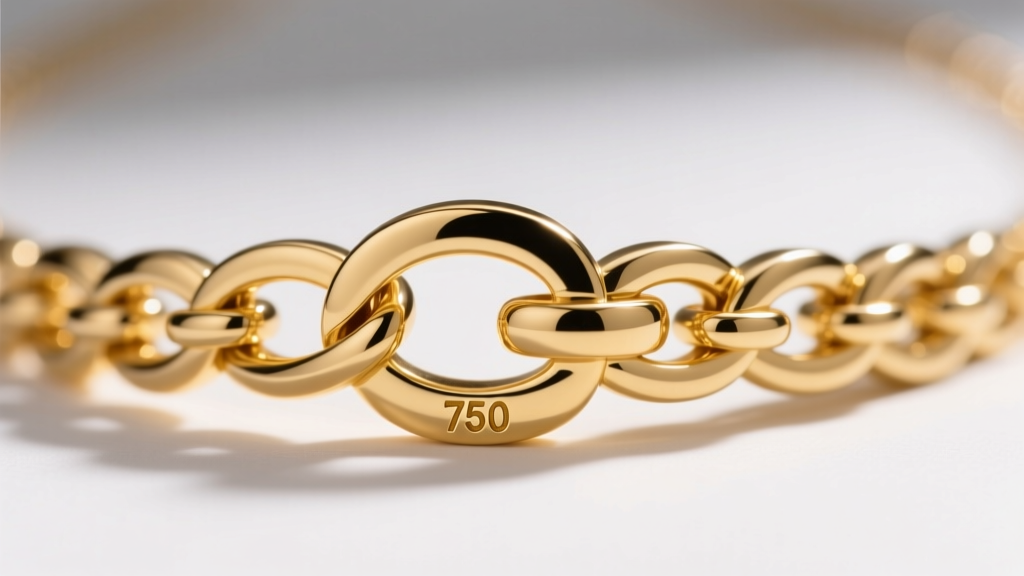
The Metallurgy of Luxury: What Are You Actually Buying?
When consumers invest in name brand necklaces from heritage houses like Cartier, Tiffany & Co., or Van Cleef & Arpels, the premium paid is often attributed to brand equity, design heritage, and the iconic packaging. However, from a metallurgical and materials science perspective, luxury jewelry brands also utilize specific alloy formulations, advanced casting techniques, and rigorous quality control standards that differentiate their pieces from mass-market alternatives. Understanding the exact material properties of these necklaces allows buyers to evaluate longevity, wear resistance, and intrinsic value.
Unlike fast-fashion jewelry, which frequently relies on brass or zinc-alloy bases with microscopic flash plating, premium name brand necklaces predominantly utilize 18-karat gold (75% pure gold), 950 platinum, or high-grade sterling silver. According to the World Gold Council, the specific 25% alloy mix in 18k gold is carefully calibrated by luxury houses not just for color, but for tensile strength and workability. The material science behind these choices dictates how a necklace will drape, resist scratching, and hold gemstone settings over decades of wear.
Decoding the Alloys: Signature Brand Compositions
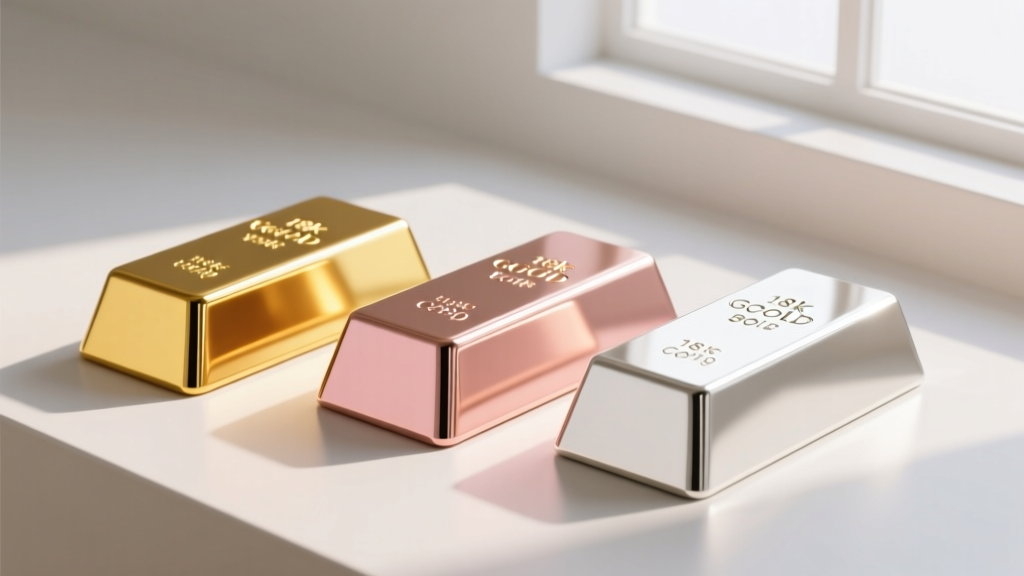
While the legal standard for 18k gold requires exactly 750 parts per thousand of pure gold, the remaining 250 parts are where luxury brands exercise proprietary control. The alloying metals—typically copper, silver, zinc, and palladium—determine the necklace's final hue, Vickers Hardness (HV), and oxidation resistance.
Cartier and the Rose Gold Copper Ratio
Cartier’s signature rose gold, prominently featured in their LOVE and Juste un Clou necklace collections, relies on a higher copper-to-silver ratio than standard industry recipes. While a generic 18k rose gold might use 20% copper and 5% silver, luxury formulations often push copper content toward 22.5% to achieve a deeper, more saturated pink hue. However, this material choice comes with a specific wear property: higher copper content increases the alloy's Vickers Hardness slightly (making it more resistant to denting) but decreases its resistance to surface oxidation, meaning the necklace may develop a subtle patina if exposed to harsh chemicals or high-salinity environments over time.
Tiffany & Co. and Sterling Silver Anti-Tarnish Protocols
Sterling silver (92.5% silver, 7.5% copper) is inherently prone to tarnishing due to the copper content reacting with sulfur in the atmosphere. Name brand necklaces in this category, such as Tiffany’s Return to Tiffany line, often employ advanced material treatments. This includes specialized rhodium flash-plating over the silver or the use of proprietary anti-tarnish coatings during the final polishing stage, significantly delaying the oxidation process compared to untreated boutique silver chains.
Luxury Alloy Comparison: Hardness and Wear Profiles
To understand the physical durability of name brand necklaces, we must look at the Vickers Hardness (HV) scale, which measures a material's resistance to indentation and scratching. Below is a comparative breakdown of the primary materials used in high-end designer pendants and chains.
| Material Grade | Typical Composition | Vickers Hardness (HV) | Wear Profile & Failure Mode |
|---|---|---|---|
| 18k Yellow Gold | 75% Au, 12.5% Cu, 12.5% Ag | 130 - 150 HV | Prone to micro-scratching; excellent for intricate link soldering. |
| 18k White Gold | 75% Au, 10-15% Pd/Ni, Ag | 140 - 170 HV | Harder than yellow gold; requires rhodium plating to mask yellowish undertones. |
| 950 Platinum | 95% Pt, 5% Ruthenium/Cobalt | 135 - 160 HV | High density; displaces rather than loses metal when scratched (patinas). |
| 925 Sterling Silver | 92.5% Ag, 7.5% Cu | 60 - 80 HV | Softest luxury metal; highly susceptible to chain elongation under heavy pendants. |
As noted by the Gemological Institute of America (GIA), platinum’s unique material property is its malleability and density. When a platinum name brand necklace chain is scratched, the metal is merely displaced, not lost. This makes it the superior material for securing high-value diamond pendants, as the prongs will bend rather than snap under sudden impact.
The Plating Reality: Vermeil vs. Flash Plating in Designer Lines
Not all name brand necklaces are solid precious metal. Many luxury fashion houses and entry-level designer lines utilize gold-plated brass or gold vermeil. It is critical for buyers to understand the material thickness of these layers, as it dictates the necklace's lifespan.
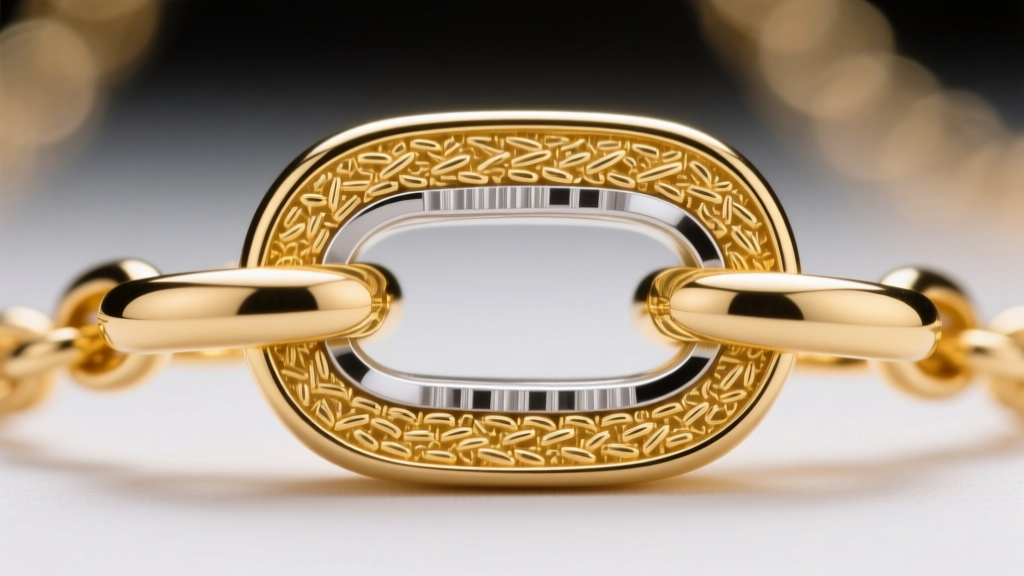
The Federal Trade Commission (FTC) strictly defines 'vermeil' as a sterling silver base coated with gold of at least 10-karat fineness, with a minimum thickness of 2.5 microns. High-end designer vermeil necklaces adhere to this standard, often utilizing electrolytic plating to ensure the gold layer bonds evenly to the silver substrate. In contrast, 'flash-plated' designer fashion jewelry may feature a gold layer of only 0.1 to 0.5 microns. At this microscopic thickness, the friction from daily wear against the collarbone and clothing will wear through the gold layer down to the base metal within months, leading to irreversible tarnishing and skin discoloration.
'A 2.5-micron vermeil layer on a well-crafted sterling silver chain will yield years of wear if protected from friction and cosmetics, whereas a 0.5-micron flash plate on a brass designer pendant is essentially a temporary aesthetic finish.' — Master Bench Jeweler
Structural Failure Modes: Chain Elongation and Clasp Fatigue
Evaluating the material properties of name brand necklaces also requires examining how those materials behave under mechanical stress. Two primary failure modes plague even the most expensive designer chains:
- Link Ovalization (Chain Stretch): Because 18k gold and sterling silver are relatively soft metals, suspending a heavy gemstone pendant on a thin cable or box chain will cause continuous friction at the link joints. Over time, the circular links elongate into ovals. Luxury brands mitigate this by engineering specific link geometries—such as the interlocking, flat-surfaced links of a Cuban or curb chain—which distribute the pendant's weight across a wider surface area, reducing localized friction.
- Clasp Spring Fatigue: A common misconception is that the internal spring mechanism of an 18k gold lobster clasp is also made of 18k gold. In reality, 18k gold lacks the 'elastic memory' required to repeatedly compress and expand without permanently deforming. Therefore, the internal spring and pin of high-end clasps are almost universally crafted from surgical-grade stainless steel or beryllium copper. When inspecting a luxury necklace, a slightly different color tone inside the clasp lever is not a defect; it is a necessary material compromise for mechanical functionality.
How to Evaluate Name Brand Necklaces Beyond the Logo
To ensure you are acquiring a piece with superior metallurgical integrity, follow this actionable inspection checklist when evaluating designer necklaces:
- Verify the Hallmark and Maker's Mark: Authentic luxury pieces will feature both a material hallmark (e.g., '750', '950 Pt') and a registered maker's mark or serial number. These should be laser-engraved or deeply stamped, not merely etched onto a superficial soldered tag.
- Inspect Link Soldering: Use a 10x jeweler's loupe to examine the solder joints on the chain links. High-end name brand necklaces utilize laser welding or precise induction soldering, leaving smooth, uniform joints without excess solder blobs that can catch on fabrics.
- Assess the Bail Construction: The bail (the loop connecting the pendant to the chain) experiences the highest friction. Ensure the bail is constructed from the same or a harder metal grade than the chain, and that it features a smooth, polished interior to prevent acting like a saw against the chain links.
- Check for Rhodium Wear on White Gold: If purchasing a pre-owned 18k white gold designer necklace, inspect the back of the pendant and the clasp area. Yellowing in these high-friction zones indicates the rhodium plating has worn off, requiring a material re-dip by a professional jeweler to restore the brilliant white finish.
Ultimately, the true value of name brand necklaces lies at the intersection of iconic design and rigorous material science. By understanding the specific alloys, plating thicknesses, and mechanical properties inherent in luxury jewelry, collectors and everyday wearers can make highly informed decisions that ensure their pieces endure for generations.


