Necklace Bail Gift Guide: Matching Pendants in 2026
Discover the perfect necklace bail for every pendant gift in 2026. Learn bail types, loop sizes, and metal grades to match any occasion and chain.

The Unsung Hero of Pendant Gifting: Why the Necklace Bail Matters
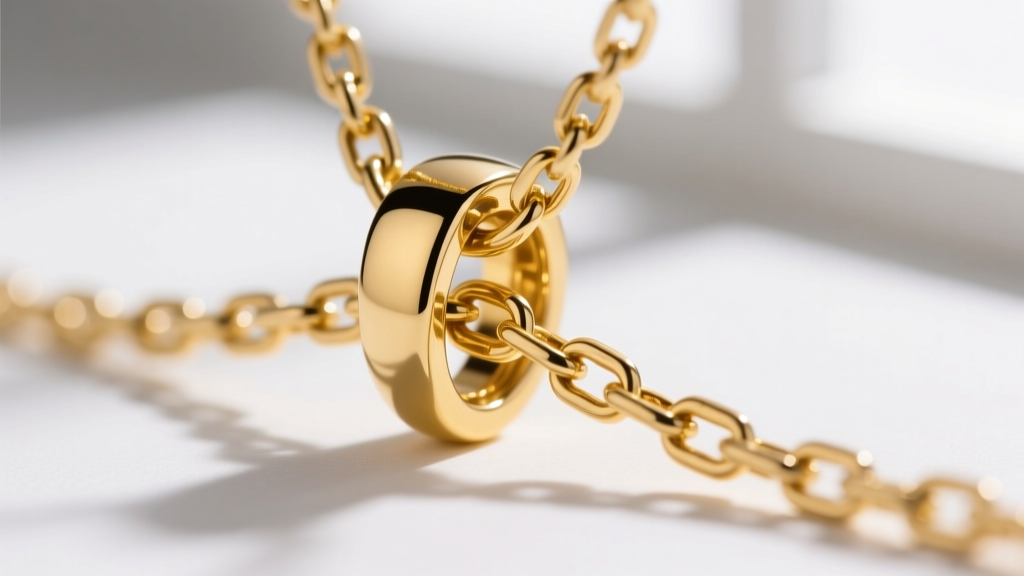
When selecting a fine jewelry gift, buyers obsess over the center gemstone, the precious metal of the chain, and the overall carat weight. Yet, the tiny component that actually bridges the pendant to the chain—the necklace bail—is frequently treated as an afterthought. In 2026, as modular and customizable jewelry continues to dominate the luxury market, gifting a high-quality, purpose-built bail or upgrading an heirloom's connector has become a profoundly thoughtful gesture.
The bail bears the brunt of kinetic stress. Every time the wearer moves, the chain acts like a microscopic saw against the bail's inner loop. A poorly matched or low-grade bail will wear through, leading to a devastating loss of a cherished pendant. Whether you are gifting a standalone gemstone drop, a personalized charm, or a complete necklace set, understanding the mechanics, sizing, and metallurgy of bails ensures your gift is both beautiful and structurally sound for decades to come.
Decoding Bail Types: Which Style Fits the Occasion?
Not all pendants are created equal, and neither are their connectors. The right bail depends entirely on the stone's cut, the pendant's weight, and the desired aesthetic. Here is a breakdown of the primary bail types to consider when curating a gift.
Standard Loop Bails (The Versatile Classic)
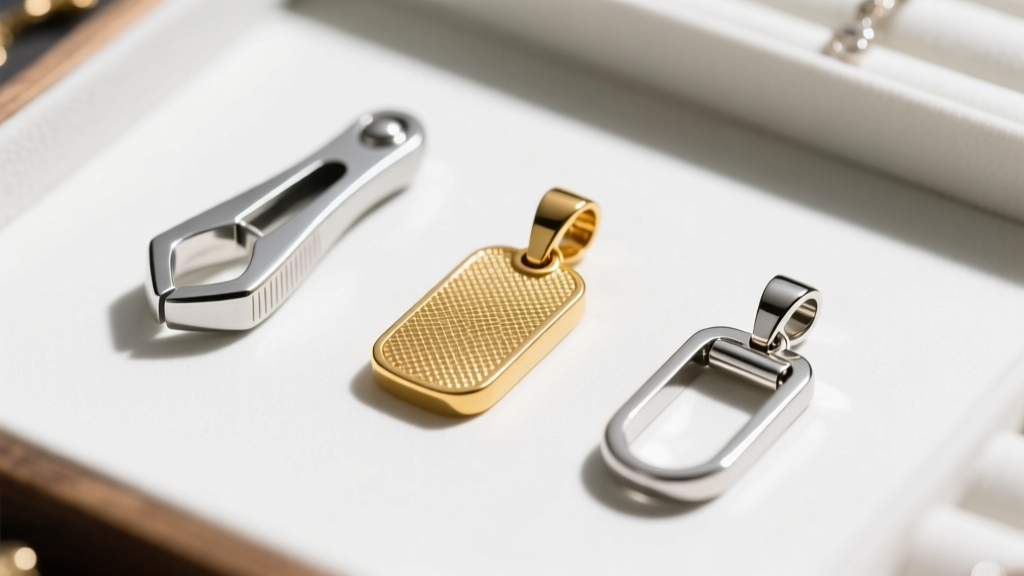
The standard loop bail features a simple cylindrical or oval ring, often attached to a jump ring or soldered directly to a decorative cap. This is the most common choice for lightweight charms, lockets, and die-struck medals. For gifting, standard bails offer maximum versatility, allowing the recipient to easily swap the pendant across multiple chains. Look for soldered loops rather than open jump rings to prevent the pendant from slipping off during wear.
Pinch Bails (For Gemstone Drops)
Designed specifically for top-drilled gemstones like teardrop briolettes, pinch bails feature two tiny metal prongs that push into the stone's drill hole. According to GIA's research on metal durability, the prongs must possess high tensile strength to maintain grip without snapping. Pinch bails are ideal for gifting loose, high-end gemstone drops (like aquamarine or amethyst) where the recipient wants a custom, bezel-free look.
Glue-On and Snap-On Bails (For Cabochons and Drilled Stones)
Glue-on bails feature a flat pad that adheres to the back of a cabochon or flat-backed stone using jeweler's epoxy. Snap-on bails, conversely, clip over the top edge of a stone. These are fantastic gifts for lapidary hobbyists or those who collect loose cabochons. When gifting a glue-on bail, consider including a tube of professional-grade, two-part jeweler's adhesive like Devcon 5-Minute Epoxy, as standard craft glues will fail under body heat and moisture.
Hidden and Euro Bails (For a Modern, Seamless Look)
For the minimalist or the lover of contemporary design, the hidden bail (often called a Euro bail) is the ultimate luxury upgrade. The bail is soldered directly to the back or top bezel of the pendant, and the chain threads entirely through the pendant's body. This creates the illusion that the chain is passing seamlessly through the gemstone itself. Euro bails are heavily favored in high-end diamond and sapphire drops.
The Sizing Matrix: Matching Bail Loops to Chain Widths
The most common gifting mistake is purchasing a pendant with a bail loop that is too small for the recipient's favorite chain, or too large, causing the pendant to slide awkwardly and flip upside down. The inner diameter (ID) of the bail must perfectly correlate with the chain's width and profile. Below is a definitive sizing matrix for 2026 jewelry pairings.
| Bail Inner Diameter (ID) | Max Chain Width | Best Chain Styles | Ideal Pendant Weight |
|---|---|---|---|
| 2.0mm - 3.0mm | 1.0mm - 2.0mm | Box, Delicate Rope, Cable | Under 5 grams |
| 4.0mm - 5.0mm | 2.5mm - 4.0mm | Wheat, Curb, Standard Rope | 5 to 15 grams |
| 6.0mm - 8.0mm | 4.5mm - 6.0mm | Cuban, Figaro, Mariner | 15 to 30 grams |
| 10.0mm+ | 7.0mm+ | Heavy Miami Cuban, Large Rope | 30+ grams (Statement pieces) |
Pro-Tip: Always measure the chain's clasp as well. A 4mm chain might easily pass through a 5mm bail, but if the lobster clasp is 8mm wide, the pendant cannot be removed without detaching the bail.
Metal Grades and Durability: A Buyer's Cheat Sheet
The metallurgy of the necklace bail dictates its lifespan. Because the bail experiences constant friction, softer metals will degrade rapidly. When sourcing bails from suppliers like Rio Grande's findings catalog, pay close attention to the alloy composition.
- Sterling Silver (925): Excellent for lightweight, budget-friendly gifts. However, silver is relatively soft. A silver bail on a heavy steel or silver Cuban chain will wear through via friction within a few years of daily wear. Best reserved for pendants under 10 grams.
- 14k Gold (58.5% Purity): The gold standard for pinch bails and standard loops. The alloying metals (like copper and zinc) provide the necessary tensile strength to keep prongs tight and loops resistant to friction wear. Highly recommended for everyday-wear gifts.
- 18k Gold (75% Purity): Richer in color but softer than 14k. Ideal for hidden Euro bails where the chain passes through a polished tube, as the softer metal is less likely to scratch a delicate 18k chain.
- Platinum (95% Purity): The ultimate choice for heavy, high-value diamond drops. Platinum does not wear away; it merely displaces. A platinum bail will outlast the chain it hangs from, making it the premier choice for milestone anniversary gifts.

Occasion Matching: Gifting Bails and Pendants by Milestone
Matching the bail style to the gifting occasion elevates the present from a simple accessory to a curated experience.
Milestone Anniversaries (10th, 20th, 25th)
For major anniversaries, opt for a Platinum Hidden Bail paired with a significant gemstone drop. The hidden bail represents a seamless, unbroken bond. Because the bail is integrated into the pendant's architecture, it feels substantial and custom-made, reflecting the weight of the milestone.
Graduations and Career Milestones
Consider gifting a Standard Loop Bail with an Engraved Cap. Many jewelers can laser-engrave a date, initials, or a short mantra onto the flat surface of the bail's cap. It is a discreet, deeply personal detail that sits right at the collarbone, hidden from the world but known to the wearer.
Everyday Wear and 'Just Because'
For a versatile, everyday gift, present a Collection of Interchangeable Snap-On Bails. If the recipient loves swapping stones, gifting a set of snap-on bails in mixed metals (rose gold, yellow gold, and oxidized silver) allows them to adapt a single favorite cabochon to match any outfit or mood.
Expert Troubleshooting: Common Bail Failures and How to Avoid Them
Even the most beautiful pendant gift can become a source of frustration if the hardware fails. Here is how to troubleshoot and prevent the most common bail-related issues.
The 'Flipping' Pendant: If a pendant constantly flips upside down, the bail is likely too light relative to the stone, or the loop is too large, allowing the center of gravity to shift. Solution: Gift a 'counterweighted' bail, which features a small metal bead on the back of the loop to keep the stone facing forward.
Pinch Bail Prong Fatigue: If a top-drilled briolette falls out of its pinch bail, it is usually because the prongs were bent back and forth during setting, causing work-hardening and eventual snapping. Solution: Always have a professional jeweler set pinch bails using a specialized prong-pushing tool, and never use pure 24k gold for this application.
Jeweler's Insight: Never attach a heavy pendant to a chain using a standard, unsoldered jump ring as a makeshift bail. The microscopic gap in the jump ring will eventually catch on the chain links, pulling the ring open and dropping the pendant. Always insist on a fully soldered loop or a solid cast bail for any stone exceeding 5 grams.
By paying attention to the necklace bail, you transform a standard jewelry purchase into a masterclass in thoughtful gifting. In 2026, the true mark of luxury is not just the size of the stone, but the engineering of the details that hold it close to the heart.


