The Necklace Banana Link: A Beginner's Chain Explainer
Discover the necklace banana link chain style. Learn about solid vs. hollow construction, gold purity, width sizing, and how to prevent link denting.

Decoding the 'Necklace Banana' Search Term
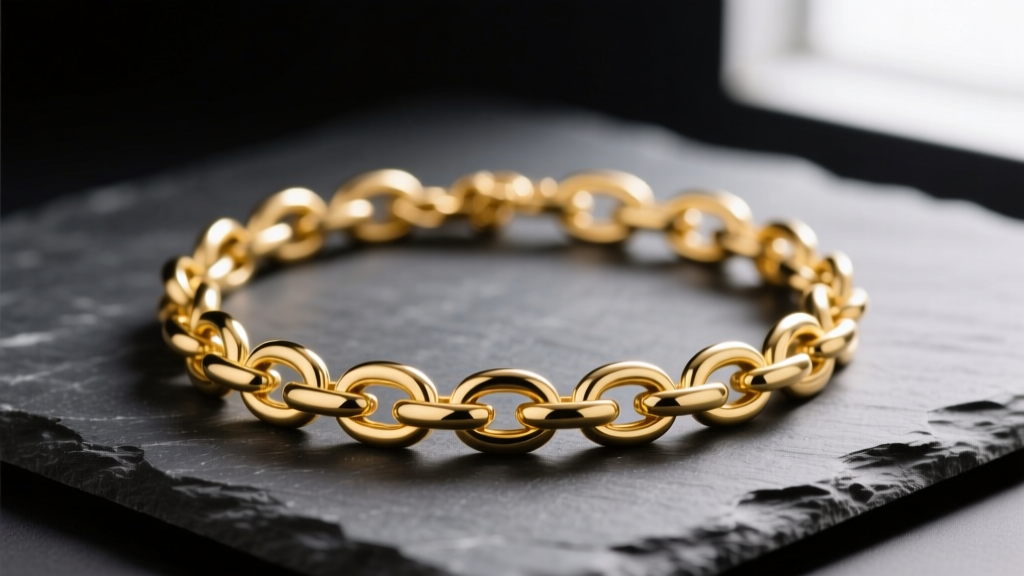
When jewelry enthusiasts and beginners alike search for a necklace banana style, they are almost always referring to the highly distinctive 'banana link' chain. Sometimes confused with bamboo chains or elongated barrel chains, the true banana link is characterized by its slightly curved, tubular, and elongated geometry. This unique shape catches the light beautifully, offering a liquid-metal aesthetic that has made it a staple in both vintage Italian gold jewelry and modern 2026 layering trends. Whether you are looking at a delicate 2mm iteration or a chunky 8mm statement piece, understanding the structural nuances of this chain is critical before making a purchase.
In this comprehensive guide, we will break down the metallurgy, construction methods, and mechanical vulnerabilities of the banana link chain, ensuring you know exactly what to look for when shopping for your next neckpiece.
Anatomy of the Banana Link: Geometry and Terminology
The defining feature of the banana link is its aspect ratio and curvature. Unlike a standard barrel link, which is perfectly straight and cylindrical, the banana link features a subtle, organic arc. This curvature allows the links to articulate smoothly against the collarbone, creating a draped, fluid effect rather than a rigid, geometric one.
Banana Link vs. Bamboo Chain
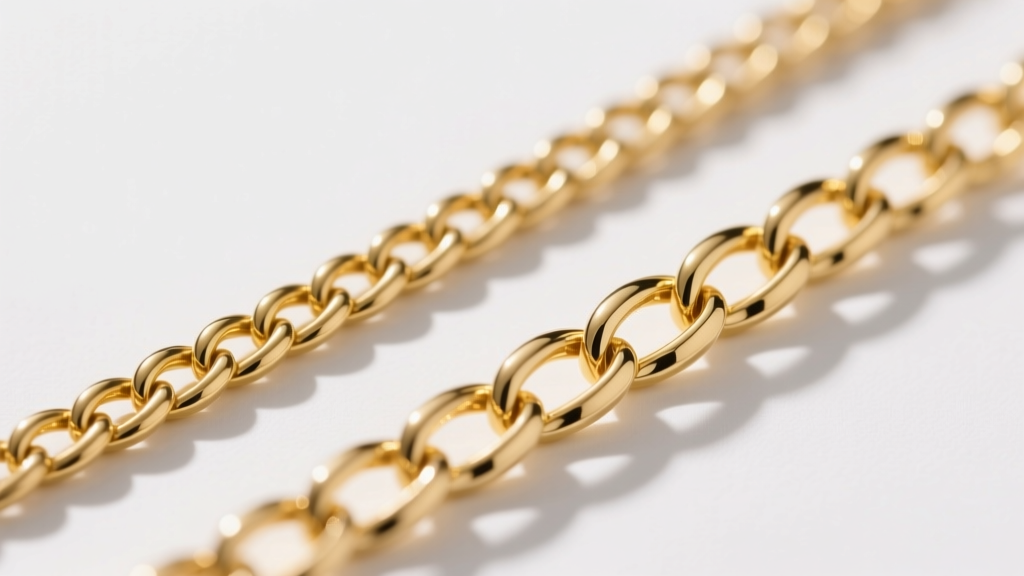
While often used interchangeably in casual retail settings, jewelers distinguish between the two. A bamboo chain typically features distinct, etched 'nodes' or ridges along the link to mimic the joints of a bamboo stalk. A true banana link is smooth, highly polished, and relies entirely on its elongated, curved silhouette for its visual appeal. When shopping, always inspect the product macro-photography to ensure you are getting the smooth, reflective surface of a banana link rather than the textured ridges of bamboo.
Construction Methods: Solid Cast vs. Electroformed Hollow
The most critical decision you will make when purchasing a banana link necklace is choosing between solid and hollow construction. Because of their elongated, tubular shape, banana links require a significant volume of metal if cast solidly. To make larger widths affordable, manufacturers often use electroforming.
The Electroforming Process
Electroforming involves depositing gold onto a wax or resin mandrel using an electrical current. Once the gold shell reaches the desired thickness (usually between 0.15mm and 0.3mm), the core is melted or dissolved away, leaving a hollow, lightweight link. According to jewelry manufacturing experts at Rio Grande, electroforming allows for massive, visually impressive chains that weigh a fraction of their solid counterparts. However, this comes with distinct trade-offs in durability.
| Feature | Solid Banana Link | Hollow (Electroformed) Link |
|---|---|---|
| Weight | Heavy, substantial drape | Extremely lightweight, airy |
| Durability | Highly durable, resists crushing | Prone to denting if squeezed |
| Repairability | Easy to solder if a link snaps | Nearly impossible to repair invisibly |
| Price Point | Premium (priced by gram weight) | Accessible (priced by volume/labor) |
If you are buying a chain wider than 5mm for daily wear, a solid link is highly recommended. Hollow links of this size will easily dent if you lean against a hard surface or sleep in them, and the thin walls make traditional torch soldering virtually impossible without melting the surrounding link.
Metallurgy: Choosing the Right Gold Karatage
The curvature and length of the banana link make it an excellent canvas for showcasing gold color. However, the karatage you choose affects both the hue and the structural integrity of the chain.
- 10k and 14k Gold: These alloys contain higher percentages of zinc, copper, and silver. This makes the metal significantly harder and more resistant to scratching and denting. For hollow electroformed banana chains, 14k is the industry standard because the added hardness helps the thin metal walls resist deformation. The Gemological Institute of America (GIA) notes that 14k gold offers an optimal balance of durability and rich color for everyday chains.
- 18k Gold: With 75% pure gold, 18k offers a deeply saturated, buttery yellow hue that is highly prized in vintage Italian banana link chains. However, pure gold is soft. An 18k solid banana chain will scratch more easily and, if hollow, is at a much higher risk of crushing under pressure.
- Sterling Silver & Vermeil: For those on a budget, sterling silver banana links offer a striking, modern, liquid-chrome aesthetic. Ensure that if you are buying vermeil (gold-plated silver), the plating is at least 2.5 microns thick to withstand the friction of the interlocking links.
Sizing Guide: Widths and Neckline Pairings
The visual impact of a banana link chain changes drastically depending on its millimeter width. Here is a practical framework for selecting the right size for your wardrobe:
2mm to 3mm: The Delicate Layer
At this width, the banana link functions as a subtle, textured alternative to a standard cable or rope chain. It is perfect for holding small solitaire pendants or for layering three-deep with varying lengths of chokers and princess-length chains. It pairs beautifully with V-necklines and open-collared silk blouses.
4mm to 5mm: The Everyday Standard
This is the most versatile width. A 4mm solid banana link chain has enough visual weight to be worn solo as a minimalist statement piece, yet it remains refined enough for professional environments. It rests perfectly against the clavicle and complements crew necks and boat necks.
7mm and Above: The Statement Piece
Chunky banana links are a hallmark of 1980s and 1990s vintage Italian gold jewelry, and they have seen a massive resurgence in 2026 streetwear and high-fashion styling. Due to the sheer volume of gold required, chains in this category are almost exclusively hollow unless you are commissioning a bespoke, high-jewelry piece. Wear these over turtlenecks or as a standalone focal point with a minimalist slip dress.

Clasp Mechanics and the Jump Ring Vulnerability
The most common point of failure on any chain necklace is the jump ring that connects the chain to the clasp. Because banana links are elongated and relatively heavy (especially in solid constructions), they generate significant kinetic momentum when the wearer moves. This momentum places sheer stress on the clasp connection.
When inspecting a banana link necklace, pay close attention to the jump ring. It should be soldered shut or made of a thick gauge (16-gauge or 18-gauge wire). A flimsy, unsoldered 20-gauge jump ring will eventually pull apart under the weight of a 5mm+ banana chain. For chains wider than 6mm, bypass the standard spring-ring or lobster clasp entirely and opt for a weighted toggle clasp or a specialized box clasp with a figure-eight safety latch, which distributes the tension more evenly across the terminal links.
Care, Cleaning, and Maintenance
Maintaining the high-polish finish of a banana link requires specific care protocols, particularly regarding how you clean them. The Jewelers of America organization advises caution when using mechanical cleaners on textured or hollow jewelry.
The Ultrasonic Cleaner Warning
Never place a hollow electroformed banana link chain in an ultrasonic cleaner. The high-frequency vibrations can cause the thin metal walls to fatigue, and water can become trapped inside the hollow links if there are microscopic pinholes from the manufacturing process. Furthermore, the vibrations can shake loose the delicate solder joints connecting the links.
The Safe Cleaning Method
To restore the mirror-like shine of your banana links, use a solution of warm water and a few drops of mild, phosphate-free dish soap. Submerge the chain for five minutes, then gently agitate it. Use an extra-soft baby toothbrush to lightly sweep the interior curves of the links where skin oils and lotions accumulate. Rinse thoroughly with distilled water to prevent hard water spotting, and lay flat on a microfiber cloth to dry. Never pull or stretch the chain while drying, as this can distort the curved geometry of the links over time.
Final Thoughts on the Banana Link
The necklace banana link remains one of the most elegant and light-catching chain styles available on the market. By prioritizing solid construction for daily-wear widths, selecting the appropriate karatage for your lifestyle, and ensuring the clasp hardware is proportionate to the chain's weight, you can secure a piece of jewelry that offers a lifetime of fluid, liquid-metal luxury.


