The 'Necklace Black' Trend: 2026 Dark Jewelry Guide
Discover the 2026 'necklace black' trend. We analyze dark jewelry materials like blackened silver, onyx, and enamel, plus styling and buying tips.

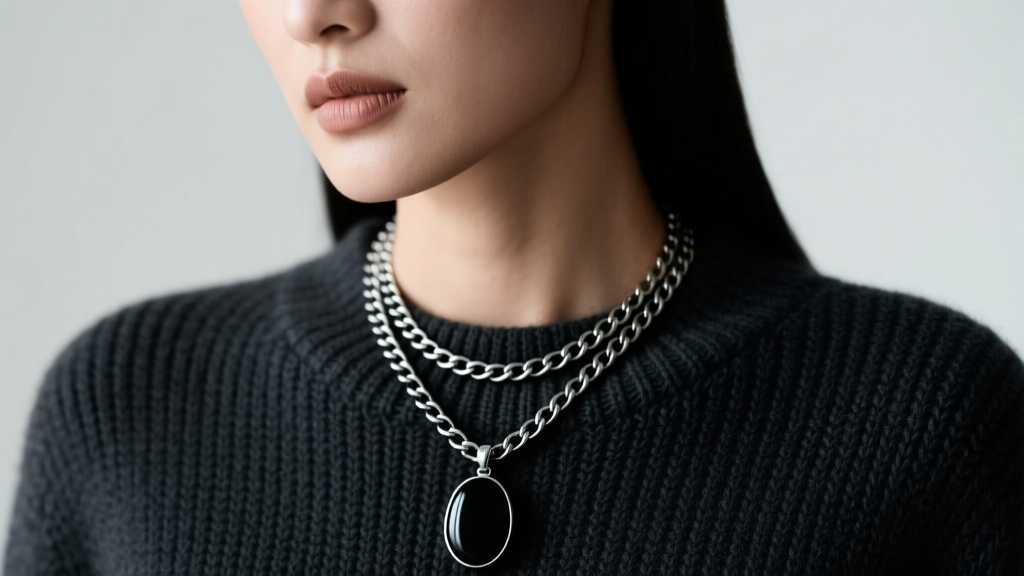
The Rise of the 'Necklace Black' Aesthetic in 2026
As the fashion cycle pivots away from the understated neutrality of 'quiet luxury,' a moodier, more expressive movement has taken over the fine jewelry sector. Dubbed the 'necklace black' trend by industry insiders, this aesthetic champions dark metals, opaque gemstones, and avant-garde silhouettes. In 2026, black necklaces are no longer relegated to alternative subcultures or evening-only wear; they are foundational elements of modern, high-contrast daytime styling. From the runways of Paris to the curated feeds of digital stylists, dark jewelry is being celebrated for its architectural weight and grounding visual presence.
The shift toward black neckwear represents a broader cultural desire for jewelry that feels protective, bold, and deeply personal. However, navigating the 'necklace black' market requires a sharp eye for material integrity. Not all dark jewelry is created equal, and the difference between a heritage-quality blackened silver chain and a poorly plated base metal alternative is vast. This comprehensive guide breaks down the metallurgy, gemology, and styling frameworks you need to master the dark jewelry trend in 2026.
Material Breakdown: What Makes a True Black Necklace?
When investing in dark jewelry, understanding the underlying materials is critical. The market is flooded with imitations, and knowing the exact manufacturing processes will save you from premature tarnishing, chipping, and fading.
Blackened Sterling Silver & Oxidized Metals
True blackened silver is achieved through a chemical process using liver of sulfur (potassium sulfide), which reacts with the copper alloy in sterling silver to create a dark, oxidized patina. However, raw oxidation is fragile and will rub off against the skin and clothing over time. In 2026, high-end jewelers seal this patina using an e-coat (electro-coating) or a layer of black rhodium plating, typically applied at a thickness of 0.75 to 1.5 microns. If a brand cannot confirm their sealing method, expect the black finish to degrade into a muddy gray within months of daily wear.
Black Enamel vs. PVD Coating
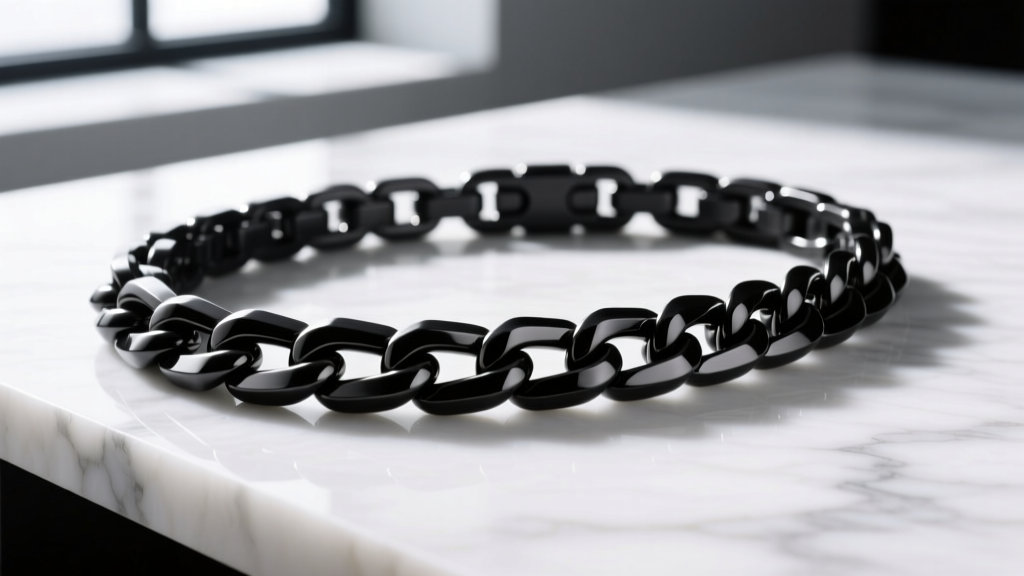
Enamel adds a glass-like, opaque black finish to gold and silver pendants. Traditional vitreous enamel is made from powdered glass fired at over 1400°F, fusing it permanently to the metal. It is highly scratch-resistant but can shatter if dropped on a hard surface. Conversely, 'cold enamel' is merely an epoxy resin. While cheaper, cold enamel yellows, chips, and degrades when exposed to UV light and perfumes. For modern, ultra-durable black chains, jewelers are increasingly turning to PVD (Physical Vapor Deposition). PVD coats titanium or stainless steel with black titanium nitride (TiN) in a vacuum chamber. This creates a finish that is hypoallergenic and boasts a Vickers hardness of over 2000 HV, making it virtually scratch-proof.
Gemstones: Onyx, Black Diamonds, and Black Spinel
The cornerstone of the necklace black aesthetic is the dark gemstone, but buyer beware: the market is rife with misrepresentations. According to the GIA Gem Encyclopedia, natural, untreated black onyx is exceptionally rare. Over 90% of the 'black onyx' sold commercially is actually gray chalcedony or agate that has been boiled in sugar and treated with sulfuric acid to turn it black. For a natural, untreated alternative, black spinel is the superior choice. It offers a high refractive index, exceptional luster, and a Mohs hardness of 8, all without requiring chemical dyes. Black diamonds (carbonado) are another option, though their opaque, heavily included nature means they are often irradiated to achieve a uniform, glossy black color.
2026 Pricing & Material Comparison Chart
To help you navigate the market, we have compiled a data-driven comparison of the most popular materials used in the 2026 black necklace trend. This chart reflects current market pricing for fine jewelry (excluding high-end designer markups) and outlines the maintenance required for each material.
| Material / Stone | Durability (Mohs / HV) | Avg. Price Range (Pendants/Chains) | Maintenance Level | Primary Failure Mode |
|---|---|---|---|---|
| Blackened Silver (E-Coated) | 2.5 - 3 (Mohs) | $150 - $450 | Medium | Coating wears off at friction points |
| Vitreous Black Enamel | 5 - 6 (Mohs) | $300 - $800 | Low | Shattering from blunt impact |
| PVD Black Titanium | 2000+ (Vickers) | $120 - $350 | Very Low | None (highly permanent) |
| Dyed Black Onyx | 6.5 - 7 (Mohs) | $50 - $200 | Low | Color fading from UV/chemicals |
| Natural Black Spinel | 8 (Mohs) | $400 - $1,200+ | Very Low | Chipping if struck at a girdle |
| Irradiated Black Diamond | 10 (Mohs) | $600 - $2,500+ | Low | Fracture along heavy inclusions |
Styling Frameworks: How to Wear Dark Neckwear
The key to pulling off the necklace black trend in 2026 is intentionality. Dark jewelry commands attention, and styling it requires a balance of texture, length, and contrast. Here are two expert-approved frameworks for integrating black necklaces into your wardrobe.
1. The Avant-Garde Layering Technique
Layering black necklaces is not about simply piling on chains; it is about mixing finishes to create depth. Start with a 16-inch blackened silver choker featuring a matte texture. Add an 18-inch princess-length chain in high-shine black PVD titanium, and finish with a 22-inch matinee strand featuring a singular, rose-cut black spinel pendant. The contrast between the matte oxidation, the metallic PVD shine, and the glassy luster of the spinel creates a rich, multi-dimensional look that prevents the dark jewelry from looking flat or costume-like. This technique works exceptionally well over monochromatic charcoal, deep plum, or forest green knitwear.
2. High-Contrast Minimalism
If layering feels too heavy, the high-contrast approach leverages the stark visual difference between black jewelry and light textiles. A single, bold black enamel pendant suspended on a fine 18-inch black rhodium chain creates a striking focal point when worn over a crisp white poplin shirt, an ivory silk blouse, or a pale beige cashmere turtleneck. This styling method aligns with the 'dark academia' and 'gothic minimalism' micro-trends that continue to dominate 2026 style forecasts, as noted by trend analysts at JCK Online. The sharp contrast elevates the jewelry, making it look like a deliberate piece of wearable art rather than an afterthought.
Care and Maintenance for Dark Jewelry
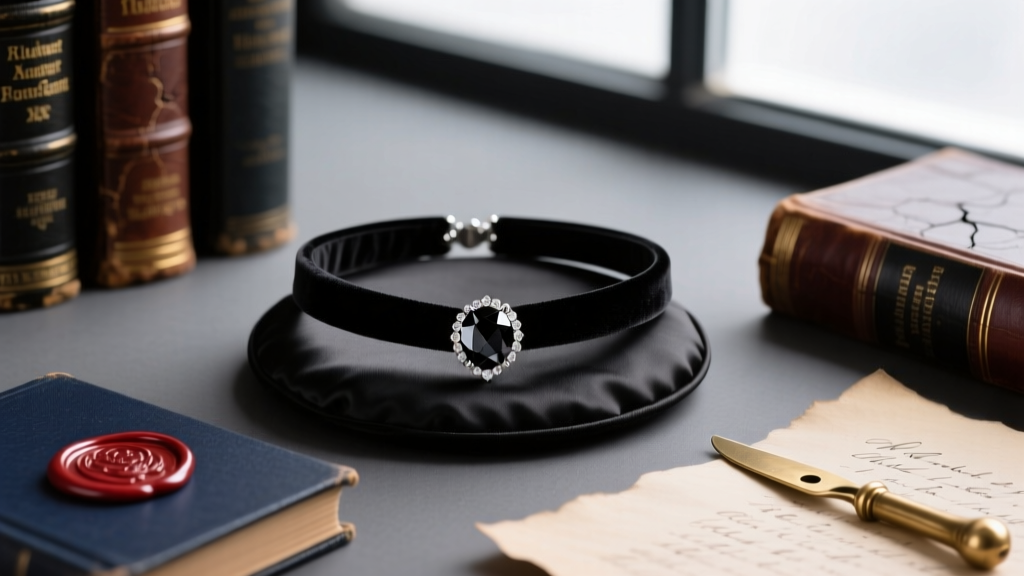
Dark jewelry requires specific care protocols to maintain its moody aesthetic. The most common mistake consumers make is treating blackened silver like traditional bright silver. Never use commercial silver dip or liquid tarnish removers on oxidized or blackened silver. These chemicals are designed to strip sulfur compounds, meaning they will instantly remove the intentional black patina, leaving you with a patchy, grayish chain.
For cleaning blackened silver and PVD metals, use only a soft microfiber cloth and a mild solution of warm water and phosphate-free dish soap. Gently wipe the surface and dry immediately to prevent water spots. When it comes to gemstones, avoid ultrasonic cleaners for black onyx and black diamonds. Because dyed onyx is porous, the high-frequency vibrations and chemical baths can leach the dye out, while the heavy inclusions in black diamonds can cause the stone to fracture under ultrasonic stress. Vitreous enamel should also be kept out of ultrasonic cleaners, as the vibrations can cause the glass to micro-fracture and detach from the metal backing.
Final Verdict: Is the Dark Jewelry Trend Here to Stay?
The 'necklace black' movement of 2026 is not a fleeting seasonal fad; it is a permanent expansion of the fine jewelry lexicon. As consumers continue to seek out pieces that offer a sense of armor, individuality, and grounded elegance, dark metals and opaque gemstones will remain at the forefront of design. By prioritizing superior materials—such as e-coated oxidized silver, vitreous enamel, PVD titanium, and natural black spinel—you can build a collection of black necklaces that will endure both physically and stylistically for decades to come. Embrace the shadows, and let your jewelry do the talking.


