Best Necklace Bracelet Holder Buying Guide for 2026
Discover the ultimate necklace bracelet holder buying guide. Learn about anti-tarnish materials, hook weight capacities, and spatial layouts.

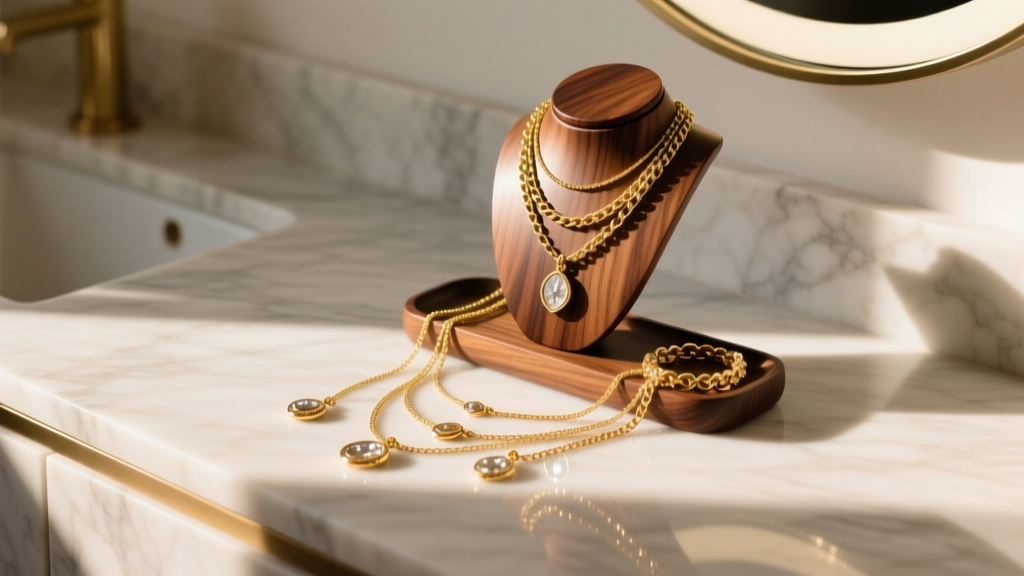
For jewelry enthusiasts and collectors, the way you store your pieces is just as critical as how you wear them. Delicate pendant chains, layered chokers, and heavy statement necklaces are notoriously prone to tangling, kinking, and environmental degradation when tossed into a drawer. In 2026, the market for organizational jewelry furniture has evolved significantly, moving beyond simple velvet rolls to highly engineered display and storage systems. This comprehensive necklace bracelet holder buying guide will help you navigate material grades, structural weight limits, and spatial geometry to find the perfect storage solution that protects your investment and elevates your vanity aesthetics.
The Hidden Cost of Poor Storage
The 'knot of death'—that frustrating, seemingly impossible tangle that occurs when multiple chains are stored together—is more than just a morning annoyance. Forcing a knot out of a delicate 1mm snake chain or a fragile herringbone necklace can cause permanent micro-fractures in the metal links. According to the Jewelers of America, improper storage is a leading cause of premature clasp failure and chain kinking. Furthermore, exposing sterling silver and porous gemstones to open-air humidity and sulfur compounds accelerates tarnishing. A high-quality necklace bracelet holder is not merely an organizational tool; it is a vital piece of preservation equipment for your jewelry wardrobe.
Material Grades: Wood, Acrylic, and Anti-Tarnish Fabrics
The base material of your holder dictates both its aesthetic footprint and its chemical interaction with your jewelry. When shopping, you will generally encounter three primary material categories, each with distinct pros and cons.
Solid Hardwoods vs. MDF
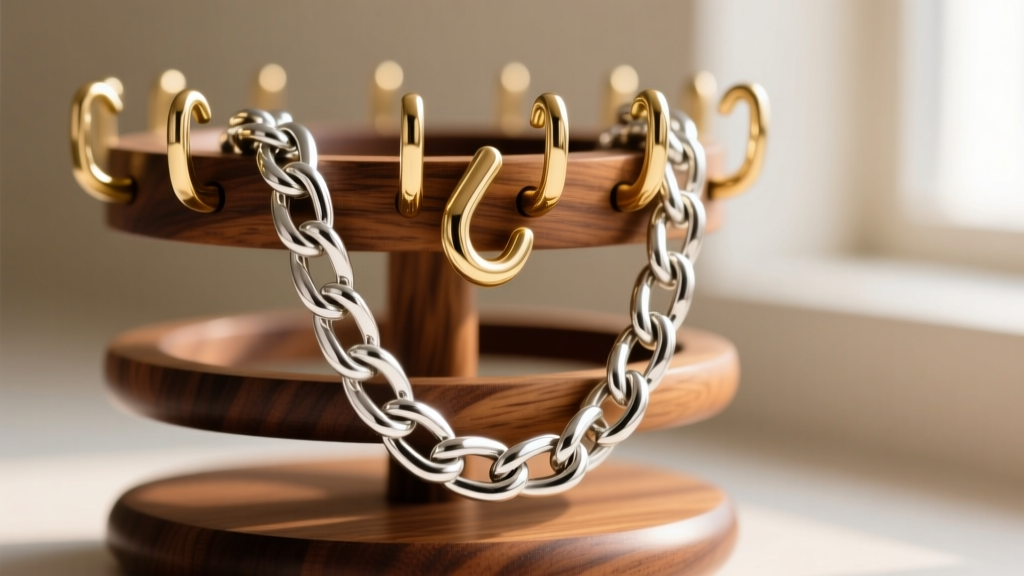
Solid hardwoods like American walnut, white oak, and maple are the gold standard for freestanding jewelry trees and tiered stands. They offer the density required to support heavy gold chains without bowing. Conversely, Medium-Density Fiberboard (MDF) is frequently used in budget-friendly options. While MDF can be finished with attractive veneers, it is highly susceptible to warping in humid environments (like bathrooms) and lacks the structural integrity to hold heavy statement pieces over time. Always check the product specifications for 'solid wood' or 'hardwood' rather than 'wood finish.'
Acrylic and Glass Enclosures
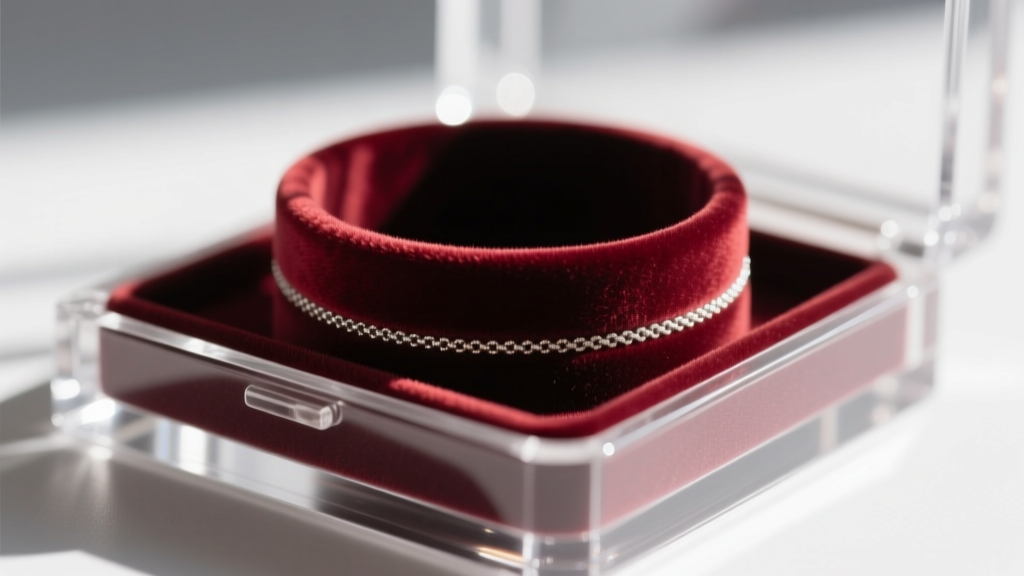
Acrylic dust-boxes have surged in popularity for their modern, minimalist appeal and their ability to keep dust and airborne sulfur away from your metals. The Library of Congress notes that limiting exposure to atmospheric pollutants is the most effective way to prevent silver sulfide (tarnish) formation. However, acrylic scratches easily. If you opt for an acrylic necklace bracelet holder, ensure the interior hooks are lined with a protective, anti-tarnish fabric like Pacific Silvercloth or treated flannel to prevent hard plastic from scratching soft gold or silver finishes.
Hook Engineering and Weight Capacities
The hook is the primary point of contact between your jewelry and the holder. A poorly designed hook can scratch delicate links or snap under the weight of a heavy chain. When evaluating a necklace bracelet holder, pay close attention to the hook material, gauge, and finishing.
| Hook Material | Best Use Case | Potential Risks |
|---|---|---|
| Polished Brass | Everyday gold and silver chains | Can tarnish over time if unlacquered |
| Stainless Steel | Heavy statement pieces, thick Cuban links | Rigid; may scratch soft metals if unpolished |
| Silicone-Dipped | Delicate pendants, gemstone bead strands | Can degrade or become sticky after 3-5 years |
| Acrylic/Plastic | Lightweight fashion jewelry | High risk of snapping under heavy loads |
For heavy chains, such as a 5mm solid gold rope chain that can weigh upwards of 150 grams, you need steel-reinforced hooks with a thickness of at least 3mm. For delicate opera-length pearl strands, opt for silicone-dipped or velvet-wrapped hooks to prevent surface abrasion on the nacre.
Spatial Geometry: Accommodating Necklace Lengths
A common mistake buyers make is purchasing a holder that is visually striking but functionally inadequate for their specific collection. Necklace lengths vary dramatically, and your holder must provide adequate vertical 'drop space' to prevent the bottom of the pendants from resting on the base or tangling with the row below.
- Chokers (14-16 inches): Require a minimum drop space of 8 inches.
- Princess Length (18 inches): The most common length; requires at least a 10-inch drop.
- Matinee (20-24 inches): Requires 12 to 14 inches of vertical clearance.
- Opera Length (28-36 inches): Requires specialized tall stands (20+ inches) or a dual-hook draping system to fold the chain safely.
Horizontal spacing is equally critical. Look for a necklace bracelet holder that offers at least 1.5 inches of lateral space between hooks. This prevents the clasps and pendants of adjacent necklaces from overlapping and interlocking, which is the primary cause of multi-chain tangling.
2026 Buyer’s Comparison Matrix
To help you narrow down your options, we have categorized the top styles of necklace bracelet holders available on the market this year, comparing their price points, ideal user profiles, and longevity.
| Holder Style | Price Range | Best For | Lifespan & Care |
|---|---|---|---|
| Tiered Solid Wood Tower | $65 - $140 | Large collections, heavy chains, vanity display | Decades; requires occasional wood oiling |
| Enclosed Acrylic Dust-Box | $45 - $95 | Sterling silver, dusty environments, modern decor | 5-10 years; replace anti-tarnish strips bi-annually |
| Wall-Mounted Branch | $30 - $75 | Small spaces, boho-chic aesthetics, chokers | Indefinite; ensure wall anchors support dynamic weight |
| Valet Valet Leather Roll | $80 - $200 | Travel, minimalists, high-end luxury pieces | Lifetime; condition leather annually |
Expert Tips for Maximizing Your Holder's Lifespan
Investing in a premium necklace bracelet holder is only the first step. To maintain a pristine environment for your jewelry, incorporate these expert maintenance habits into your routine. First, if your holder features an enclosed design with anti-tarnish strips or treated fabric, remember that these materials have an active lifespan. Replace anti-tarnish strips every six months, or when the indicator tabs change color. Second, never store your jewelry in the bathroom. The extreme fluctuations in humidity and temperature from showers will compromise the structural integrity of wooden holders and accelerate the oxidation of your metals, regardless of how well-ventilated the room seems. Finally, when hanging delicate chains, always fasten the clasp. Leaving a chain unclasped on a hook increases the risk of it slipping off and tangling with the pieces below.
Final Thoughts
Choosing the right necklace bracelet holder is an exercise in balancing aesthetic preferences with the physical and chemical needs of your jewelry collection. By prioritizing solid materials, appropriately engineered hooks, and sufficient spatial geometry, you will protect your chains from irreversible damage while creating a stunning, functional display. Whether you opt for a towering walnut statement piece or a sleek, enclosed acrylic box, proper storage is the hallmark of a true jewelry connoisseur.


