Necklace Breast Cancer Guide: Solving Skin and Port Sensitivities
Discover how to choose a comfortable necklace breast cancer patients can wear safely during chemo, radiation, and recovery without skin irritation.

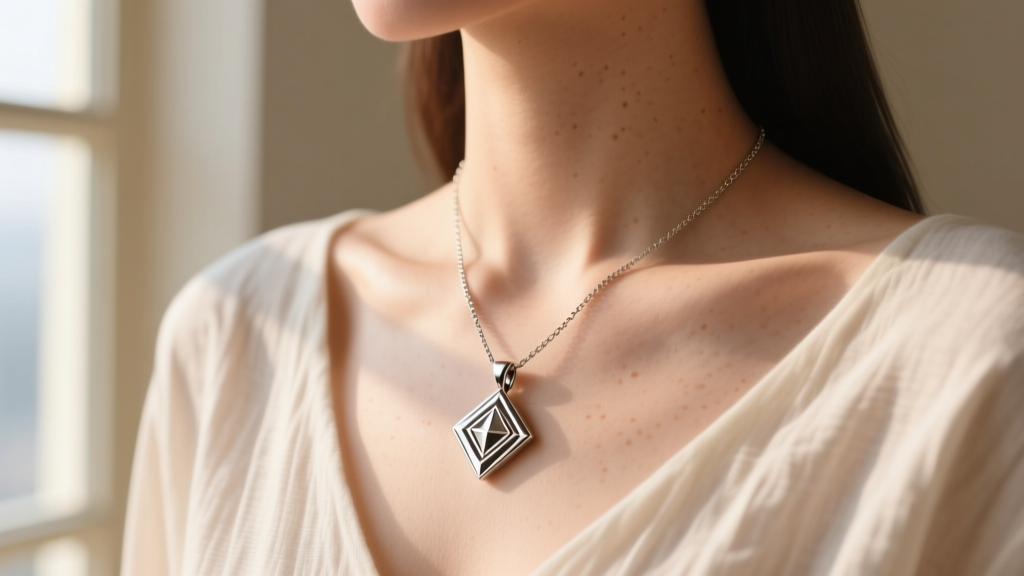
Jewelry is a powerful tool for reclaiming your identity and expressing personal style, especially during the physically and emotionally taxing journey of oncology treatment. However, finding a comfortable necklace breast cancer patients can wear safely requires navigating a minefield of physical sensitivities. From chemotherapy-induced skin changes and radiation dermatitis to the physical presence of venous access ports and surgical scars, standard jewelry choices often become sources of pain, irritation, or infection.
This comprehensive troubleshooting guide is designed to help you, or your loved one, solve the specific physical barriers to wearing necklaces during and after treatment. By understanding material grades, chain mechanics, and anatomical clearance, you can curate a collection that is both beautiful and biologically safe.
The Hidden Dangers of Standard Jewelry During Treatment
During active treatment, the skin's barrier function is frequently compromised. Chemotherapy drugs target rapidly dividing cells, which includes the epidermis, leading to thinning, dryness, and heightened reactivity. Radiation therapy further damages the localized skin barrier, often resulting in radiation dermatitis—a condition where the skin becomes red, blistered, and exceptionally fragile.
The "Surgical Steel" Myth and Nickel Leaching
One of the most pervasive myths in the jewelry industry is that "surgical steel" or 316L stainless steel is universally hypoallergenic. In reality, 316L stainless steel contains between 8% and 12% nickel. While the nickel is usually bound within the alloy, the altered pH levels of your sweat during chemotherapy, combined with a compromised skin barrier, can cause nickel ions to leach out. This triggers allergic contact dermatitis, resulting in severe itching and weeping rashes precisely where the skin is already vulnerable. According to dermatological guidelines referenced by the American Cancer Society, avoiding known contact allergens like nickel and cobalt is critical during active treatment phases.
Micro-Trauma from Textured Chains
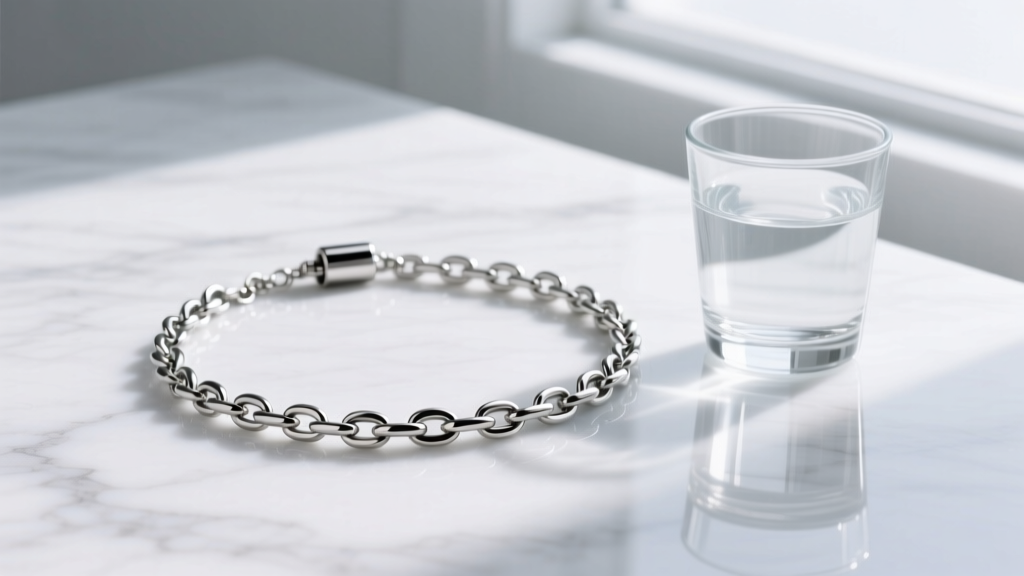
Chains with intricate textures—such as rope, wheat, or snake chains—possess microscopic crevices that can harbor bacteria and dead skin cells. More importantly, their textured surfaces act like fine sandpaper against irradiated or thinned skin. Opting for smooth, highly polished chains is non-negotiable for preventing micro-abrasions that could lead to secondary infections.
Navigating Chemo Ports and Surgical Scars
For many patients, a totally implantable venous access device (TIVAD), commonly known as a chemo port or Mediport, is a lifeline. These ports are typically surgically placed in the upper right or left chest, roughly 2 to 3 centimeters below the clavicle. The scar tissue surrounding the port, as well as mastectomy or lumpectomy incisions, remains highly sensitive to pressure and friction for months, sometimes years, post-surgery.
Clearing the Mediport Zone
A standard 16-inch choker or collar necklace will sit directly on or immediately adjacent to the clavicle, risking constant friction against the port incision site. To solve this, you must calculate the drop length of the necklace to ensure it clears the port entirely. Furthermore, heavy pendants can swing and strike the chest wall, causing deep tissue bruising over the port site.
| Chain Length | Style Name | Drop Location | Port/Scar Safety Rating |
|---|---|---|---|
| 14 - 16 Inches | Choker / Collar | Base of neck / Clavicle | Poor (High friction risk on port scars) |
| 18 Inches | Princess | Upper chest (Collarbone drop) | Moderate (May graze high-placed ports) |
| 20 - 22 Inches | Matinee | Mid-chest / Below ports | Excellent (Safely clears most Mediports) |
| 24 - 30 Inches | Opera / Rope | Lower chest / Sternum | Excellent (Zero upper chest interference) |
Lymphedema Precautions for the Neck and Chest
If your treatment involved the removal of axillary (armpit) lymph nodes or radiation to the lymph node basins, you are at an elevated risk for developing lymphedema—a chronic swelling caused by the accumulation of lymph fluid. The National Lymphedema Network strongly advises against wearing tight garments or restrictive jewelry on the affected side or the adjacent neck and chest areas.
A tight choker or a heavy necklace can compress the superficial lymphatic vessels located just millimeters beneath the skin's surface in the neck and upper chest. This compression acts as a tourniquet, impeding the already compromised lymphatic drainage from the arms and chest wall. The Solution: Strictly avoid any necklace that rests heavily on the lower neck. Choose lightweight chains (under 20 grams total) with a minimum length of 18 inches to ensure the jewelry rests on the sternum rather than compressing the cervical and clavicular lymph nodes.

Neuropathy and the Clasp Conundrum
Chemotherapy-Induced Peripheral Neuropathy (CIPN) is a common side effect of taxane and platinum-based chemotherapies. CIPN causes numbness, tingling, and a severe loss of fine motor skills in the fingers and hands. For patients experiencing CIPN, manipulating a tiny 5mm lobster clasp or threading a delicate hook-and-eye closure behind the neck is not just frustrating; it is physically impossible and can lead to dropped, lost, or broken jewelry.
Accessible Closure Solutions
- Neodymium Magnetic Clasps: These clasps use powerful rare-earth magnets that snap together effortlessly. Ensure the magnetic housing is made of coated titanium or high-karat gold to prevent skin contact with base metals.
- Lariat and Y-Necklaces: These styles require no clasps at all. They simply slip over the head and are adjusted by pulling the tail through a smooth, polished ring or silicone O-ring.
- Endless (Continuous) Hoops and Long Chains: Chains that are 24 inches or longer can typically slip over the head without needing a clasp mechanism, entirely bypassing the fine motor skill requirement.
Expert Styling Tip: If you already own a beloved necklace but struggle with the clasp due to neuropathy, a jeweler can easily retrofit the chain with a custom magnetic breakaway clasp. This not only solves the accessibility issue but adds a safety feature in case the chain gets caught on medical equipment or clothing.
The Ultimate Material Safe-List for Compromised Skin
When your skin's immune response is altered, you must rely on metallurgically inert materials. Here are the only materials recommended for active treatment and acute recovery phases, as supported by dermatological best practices outlined by Breastcancer.org for managing skin toxicities:
- ASTM F136 Implant-Grade Titanium: The gold standard for medical implants. It contains zero nickel and is completely biocompatible. It is lightweight, highly polished, and will not react with acidic sweat or topical radiation creams.
- Niobium: A highly unreactive transition metal that is naturally hypoallergenic. It is slightly heavier than titanium but can be anodized to create beautiful, safe colors without the use of toxic dyes or platings.
- Solid 18k or 24k Gold: High-karat gold is exceptionally inert. However, avoid white gold, as it is almost always alloyed with nickel or palladium and plated with rhodium. Once the rhodium wears off, the nickel alloy will contact the skin.
- Platinum (950Pt): Dense, heavy, and completely hypoallergenic. While expensive and heavier than titanium, it is entirely safe for sensitive skin, provided the pendant weight does not cause physical strain on the neck.
Final Troubleshooting Checklist Before You Buy
Before adding any new piece to your collection during or after treatment, run it through this rapid safety audit:
- Weight Check: Is the total weight under 30 grams to prevent lymphatic compression and micro-trauma?
- Length Verification: Does the drop length clear your specific port placement or mastectomy scar line by at least two inches?
- Clasp Accessibility: Can you open and close the clasp with one hand, or while wearing compression gloves?
- Material Purity: Is the piece solid ASTM F136 titanium, niobium, or high-karat gold, rather than plated brass or "surgical" steel?
- Surface Finish: Is the chain entirely smooth, lacking any textured links that could harbor bacteria or abrade fragile skin?
By treating jewelry selection with the same analytical care as your medical regimen, you can safely enjoy the emotional uplift and personal expression that beautiful necklaces provide, without compromising your physical recovery.


