How to Style a Necklace in Italian Gold: 2026 Trend Analysis
Discover how to style a necklace in Italian gold. Explore 2026 chain trends, 750 hallmarks, layering techniques, and authentic Arezzo craftsmanship.

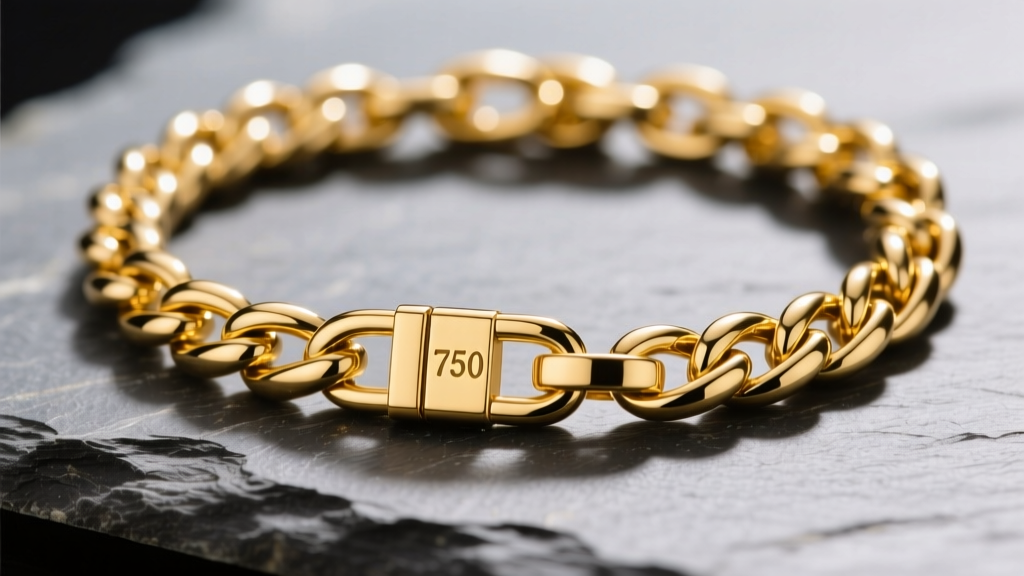
The Linguistics and Legacy: What is a Necklace in Italian?
When navigating the upper echelons of fine jewelry, few origins carry the weight and prestige of Italy. If you are literally looking for the translation, a necklace in Italian is a collana, while a choker is a girocollo and a pendant is a ciondolo. However, in the context of high-end style and trend analysis, seeking a "necklace in Italian gold" refers to a specific pedigree of craftsmanship rooted in the historic goldsmithing hubs of Arezzo, Vicenza, and Valenza.
As we move through 2026, the global jewelry market has seen a massive pivot toward heritage manufacturing. According to the Italian Trade Agency, Italian goldsmithing accounts for a significant portion of the world's premium jewelry exports, driven by a demand for pieces that balance historical weight with modern, gender-fluid styling. Understanding the anatomy, hallmarking, and current styling trends of Italian chains is essential for any serious collector or style enthusiast.
Decoding the 750 Stamp: Authenticity and Italian Hallmarks
Before analyzing the aesthetic trends of 2026, one must understand how to authenticate Italian gold. Unlike the United States, where 14k (585) is standard, the Italian domestic market and premium export lines heavily favor 18k gold, which is 75% pure gold and 25% alloy. This is stamped as 750 (parts per thousand).
But the millesimal stamp is only half the story. Italian law mandates a strict hallmarking system that serves as a traceability framework:
- The Rhombus (Losanga): The official state stamp containing a star on the left side.
- The Fineness: The 750 or 585 number in the center.
- The Maker's Mark: A unique alphanumeric code denoting the specific manufacturer and province. For example, 123 AR indicates the 123rd registered goldsmith in Arezzo, while 456 VI points to Vicenza.
When purchasing an Italian chain, always inspect the clasp or the final jump ring for this rhombus stamp. Its absence in a purportedly authentic piece is an immediate red flag.

2026 Trend Forecast: The Big Four Italian Chain Weaves
The Vicenza Oro jewelry fair has long been the bellwether for global gold trends. For 2026, the overarching theme is tactile luxury—chains that feature complex, light-catching weaves and substantial physical weight. Here is the breakdown of the dominant Italian chain styles this year.
| Chain Style (Italian Name) | Link Structure | Average Weight (18") | 2026 Trend Status |
|---|---|---|---|
| Figaro | 3 small, 1 long oval | 8g - 15g | High (Two-tone variations) |
| Mariner (Marinara) | Oval with center bar | 12g - 30g | Dominant (Gender-fluid staple) |
| Rope (Corda) | Twisted helix weave | 5g - 12g | Steady (Layering essential) |
| Curb (Gourmette) | Flat, interlocking | 15g - 40g | Niche (Oversized statement) |
The Rise of the Two-Tone Figaro
The classic Figaro is experiencing a renaissance in 2026 through two-tone execution. Italian manufacturers are seamlessly weaving 18k yellow gold with 18k white or rose gold links. This technique requires advanced soldering and polishing to ensure the different alloys wear evenly without discoloration. A two-tone Figaro offers incredible versatility, allowing it to bridge the gap between silver and gold accessories in a single wardrobe.
Marinara: The Nautical Heavyweight
The Mariner chain, characterized by its nautical anchor-inspired links with a reinforcing center bar, has become the definitive statement piece. In 2026, the trend is leaning toward medium-to-heavy weights (15g to 25g) in 18k yellow gold. The structural integrity of the center bar allows these chains to support heavy Italian horn (cornicello) or medallion pendants without warping the links over time.
The Art of Sprezzatura: Layering Italian Chains
Italian style is often defined by sprezzatura—a studied carelessness that makes complex styling look effortless. Layering multiple Italian gold chains requires a strict adherence to proportion, length, and hardware compatibility to avoid tangling and visual clutter.
The 2026 Layering Formula:
- The Base (16" - 18"): Start with a delicate 2mm to 3mm Corda (Rope) chain. This sits close to the collarbone and catches the light without dominating the visual space.
- The Anchor (20" - 22"): Add a medium-weight Figaro or Marinara chain (5mm to 7mm width). This provides the structural core of the stack.
- The Statement (24"+): Finish with a long, heavy chain featuring a substantial ciondolo (pendant), such as a vintage coin mount or an onyx-inlaid cross.
Hardware Note: Authentic heavy Italian chains rarely use standard spring-ring clasps, which are prone to failure under high gram weights. Look for Italian-made lobster clasps with a secondary safety figure-8 catch, or the increasingly popular T-bar toggle clasps that integrate seamlessly into the chain's front design.

Pricing and Investment: Navigating the 2026 Gold Market
Understanding how to price a necklace in Italian gold requires looking beyond the daily spot price. The World Gold Council tracks the raw commodity value, but Italian jewelry pricing is bifurcated into two distinct metrics: Weight (Grammo) and Craftsmanship (Manifattura).
- Machine-Made Chains (Arezzo specialty): Priced closer to the spot gold price with a lower manifattura premium. Ideal for heavy, everyday rope and curb chains.
- Hand-Finished/Complex Weaves (Vicenza/Valenza specialty): Command a high manifattura premium. Intricate weaves like the Byzantine or hand-soldered Mariner links require extensive bench time, meaning you are paying for the artisan's labor as much as the 750 gold.
In 2026, with gold prices remaining historically robust, investing in 18k Italian chains is viewed not just as a sartorial choice, but as a tangible asset retention strategy. A well-maintained 20-gram 18k Figaro chain retains immense intrinsic value while offering a lifetime of wearability that plated or lower-karat alternatives simply cannot match.
Final Styling Verdict
Choosing the right necklace in Italian gold is an exercise in appreciating heritage engineering. Whether you opt for the nautical weight of a Marinara link or the rhythmic elegance of a two-tone Figaro, insisting on the 750 hallmark and the maker's rhombus stamp ensures you are acquiring a genuine artifact of Italy's goldsmithing legacy. In 2026, let the chain be the focal point—pair it with unstructured linens, open-collar tailoring, and an appreciation for the centuries of craft woven into every link.


