The Ultimate Necklace Knots Gift Guide and Symbolism
Discover the perfect meaningful necklace knots for every occasion. Our gift guide covers love knots, Celtic knots, and infinity styles with styling tips.

The Enduring Allure of Necklace Knots
In the lexicon of jewelry symbolism, few motifs carry the profound emotional weight of the knot. Representing eternity, unbreakable bonds, and the intertwining of two lives, necklace knots have transcended fleeting trends to become a cornerstone of meaningful gifting. As we navigate the gifting landscape of 2026, consumers are increasingly prioritizing narrative and symbolism over sheer carat weight, making the knot pendant a top-tier choice for milestones ranging from anniversaries to graduations.
However, selecting the right knot involves much more than picking a pretty shape. From understanding the metallurgical challenges of casting interwoven metals to matching specific knot styles with their historical occasions, this comprehensive guide will ensure your gift is both structurally sound and deeply significant.
The Anatomy of a Knot: Why Construction Matters
Before diving into styles, a discerning gifter must understand how necklace knots are manufactured. Knots are notoriously difficult to produce via traditional lost-wax casting. The interwoven loops create "undercuts"—areas where the mold cannot be cleanly removed without breaking, or where molten metal struggles to flow without trapping air bubbles (porosity).
Expert Insight: Mass-market, budget-friendly knot pendants are often cast as a single, solid piece with faux-undercuts, resulting in brittle joints and hidden porosity. High-end, heirloom-quality knots are either hand-fabricated (soldered from precious metal wire) or cast in multiple interlocking pieces and meticulously assembled by a master jeweler.
When gifting, always inspect the joints where the metal loops cross. They should be seamless, with no visible pitting or discoloration. Hand-fabricated knots offer superior structural integrity, ensuring the pendant won't snap at a stress point during daily wear.
A Taxonomy of Necklace Knots and Their Meanings
Not all knots are created equal. The specific style of the knot dictates its symbolic message, making it crucial to align the design with the recipient's milestone.
The True Lover’s Knot
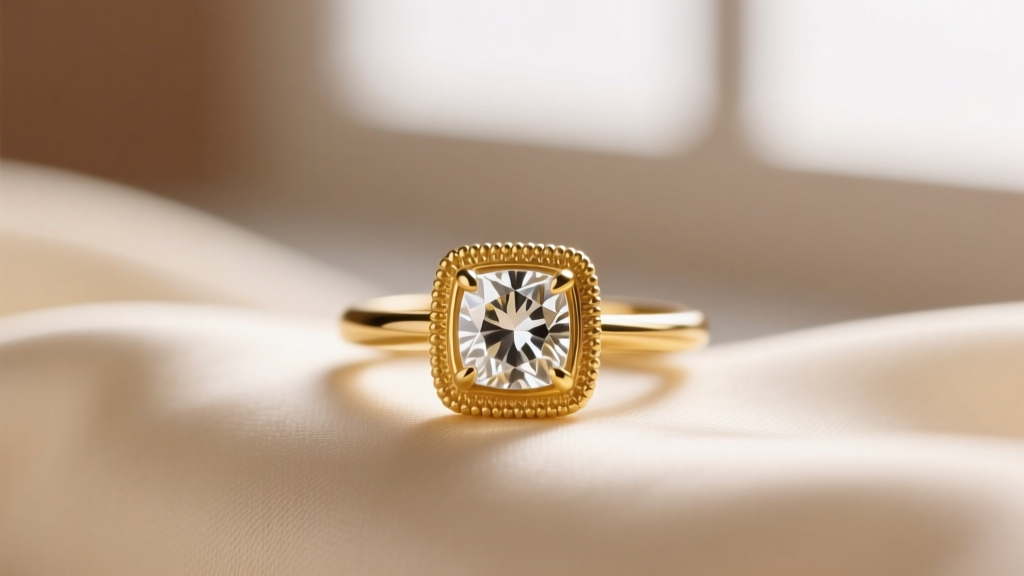
Historically documented by the Victoria and Albert Museum, the True Lover’s Knot (or Love Knot) features a central interwoven design that often cradles a gemstone or diamond. Unlike a simple loop, the metal continuously weaves over and under itself without a discernible beginning or end. It is the ultimate symbol of romantic devotion and is traditionally gifted for engagements, weddings, or significant wedding anniversaries (such as the 10th or 25th).
Celtic Knots (Dara and Trinity)
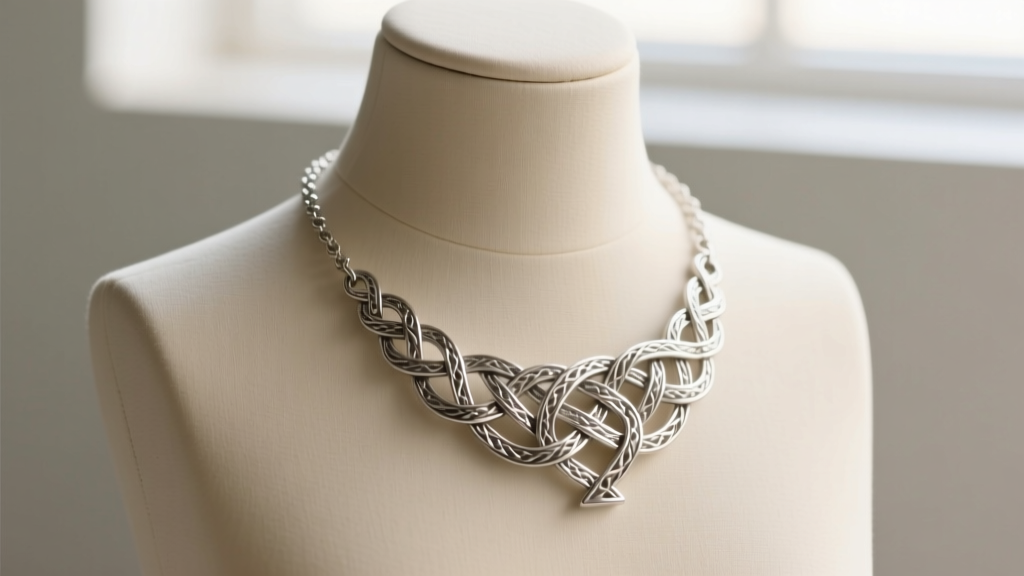
Rooted in ancient Insular art, Celtic knots are continuous, looping lines that symbolize the interconnectedness of life and eternity. According to Encyclopædia Britannica, the Dara knot (inspired by the root system of the oak tree) represents inner strength and resilience, making it an exceptional gift for graduations, career milestones, or someone overcoming adversity. The Trinity knot (Triquetra) often symbolizes the tripartite nature of existence or spiritual unity, ideal for religious confirmations or family heirlooms.
The Sailor’s Knot
Characterized by a robust, interlocking double-loop design, the Sailor’s Knot was historically tied by mariners to remember their loved ones while at sea. It represents an unbreakable bond despite physical distance. This is the perfect necklace knot for long-distance partners, military deployments, or a child leaving home for university.
Occasion Matching Matrix
Use this decision framework to match the recipient’s milestone with the optimal knot style, metal, and chain pairing.
| Occasion | Recommended Knot Style | Ideal Metal Grade | Chain Pairing |
|---|---|---|---|
| Engagement / Wedding | True Lover’s Knot (with diamond) | 18k Yellow or Rose Gold | 1.2mm Cable Chain |
| Graduation / New Career | Celtic Dara Knot | 14k White Gold or Platinum | 1.5mm Box Chain |
| Long-Distance / Deployment | Sailor’s Knot | Sterling Silver or 14k Gold | 2.0mm Rope Chain |
| Friendship / Sisterhood | Bowen (Infinity) Knot | 14k Rose Gold | 1.0mm Snake Chain |
Metallurgy and Material Grades for Gifting
The durability of a knot pendant is heavily dictated by its metal composition. Because knots feature high-relief edges that are prone to friction against clothing and skin, choosing the right alloy is critical. The Gemological Institute of America (GIA) provides extensive data on precious metal durability, which we can apply directly to knot jewelry:
- 14k Gold (58.5% pure gold): With a higher Vickers hardness (approx. 150-170 HV), 14k gold is highly resistant to scratching and bending. It is the best choice for intricate, delicate knots with thin wire profiles or micro-prong settings.
- 18k Gold (75% pure gold): Softer (approx. 120-130 HV) but possessing a richer, warmer hue. Best suited for chunky, solid-cast love knots where the metal mass is high enough to resist deformation.
- Platinum (95% pure): While platinum has a lower initial hardness, it is highly malleable and dense. When a platinum knot scratches, the metal is displaced rather than lost. Over time, it develops a desirable patina that highlights the woven texture of Celtic or Sailor knots, making it the ultimate heirloom metal.
- Sterling Silver (92.5% pure): An excellent budget-friendly option, but ensure the knot is rhodium-plated to prevent tarnish from accumulating in the deep crevices of the weave, which can be difficult to polish out.
Chain Pairings and Length Guidelines
A common gifting mistake is pairing a heavy, intricate knot pendant with an inadequate chain. The pendant's weight and bail size dictate the chain's gauge and style.
Weight Distribution: A solid 18k gold Celtic knot can easily weigh between 8 to 15 grams. Suspending this on a delicate 0.9mm chain will cause premature stretching and eventual snapping. For pendants over 5 grams, opt for a 2.0mm to 3.0mm Box or Rope chain. Box chains offer excellent tensile strength, while Rope chains provide a fluid drape that complements the nautical theme of a Sailor's knot.
Length and Neckline: For a modern, layered look popular in 2026, a 16-inch choker length works beautifully with minimalist Bowen knots. For traditional, standalone pendants like the True Lover’s Knot, an 18-inch chain is the universal standard, allowing the knot to rest perfectly at the collarbone and catch the light.
Presentation and Gifting Etiquette
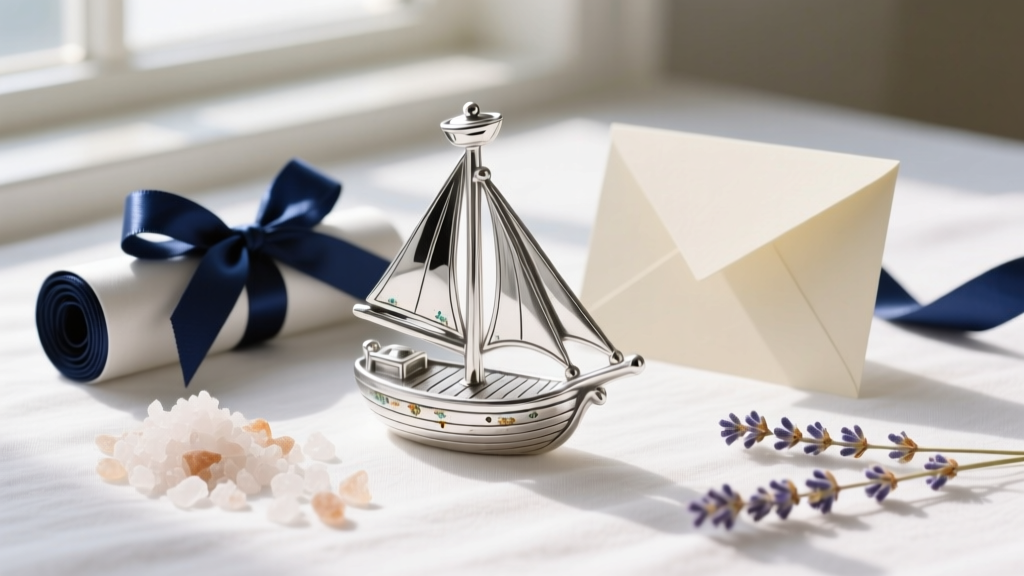
The presentation of a knot necklace should echo its symbolism of continuity and care. Avoid flimsy cardboard boxes. Instead, present the necklace in a hinged wooden or leather-lined jewelry box that allows the chain to be secured through side slits, preventing the knot pendant from sliding and scratching during transit.
Include a handwritten card detailing the specific history of the knot you have chosen. Explaining that the Dara knot represents the strength of the oak tree, or that the Sailor's knot was a talisman for safe return, transforms a beautiful piece of metal into a profound emotional artifact. When you gift a necklace knot, you are not just giving jewelry; you are giving a tangible promise of an unbreakable bond.


