Finding the Perfect Necklace Length for Kids: 2026 Sizing & Trends
Discover the ideal necklace length for kids by age, explore 2026 layering trends for tweens, and learn essential safety standards for children's jewelry.

The Evolution of Kids' Jewelry: Why Length and Safety Matter in 2026
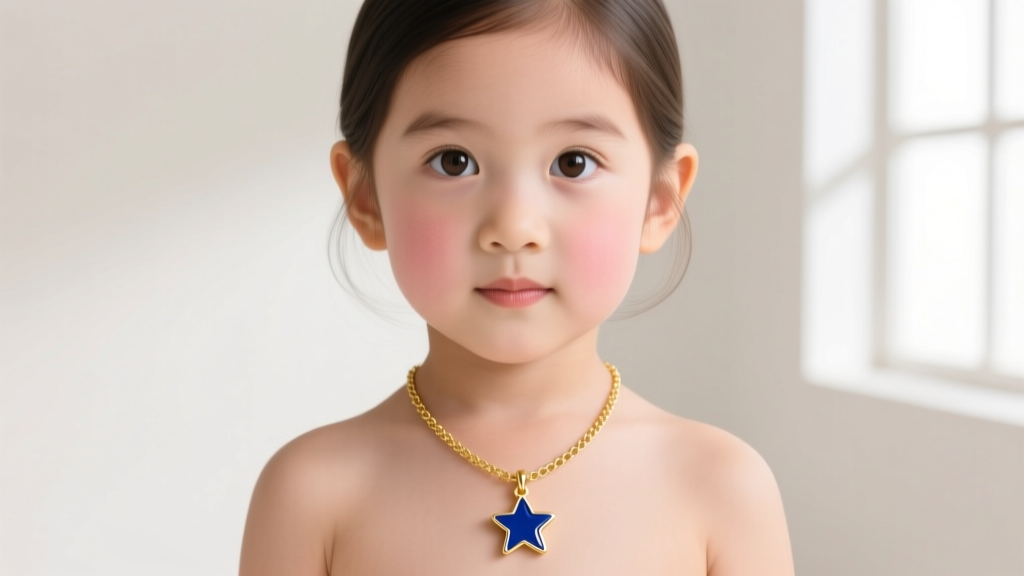
The landscape of children's jewelry has undergone a massive transformation. Gone are the days when kids' necklaces were limited to cheap plastic beads or easily tangled novelty cords. In 2026, the 'mini-me' fine jewelry movement and the rise of tween-centric layering trends have pushed the market toward high-quality, scaled-down versions of adult pieces. However, determining the correct necklace length for kids is no longer just about aesthetics; it is a critical intersection of anatomy, comfort, and stringent safety protocols.
Choosing the right length dictates how a pendant sits on a child's developing chest, whether the chain is prone to catching on playground equipment, and how the hardware interacts with sensitive skin. As a style and trend radar, we have analyzed the latest market data, pediatric safety guidelines, and 2026 styling trends to bring you the ultimate, expert-level guide to sizing and selecting necklaces for children and tweens.
The Definitive Necklace Length for Kids Chart (By Age & Size)
Children grow at unpredictable rates, but standard jewelry sizing relies on statistical neck circumference averages. The chart below provides a precise framework for selecting the ideal necklace length for kids, factoring in both physical comfort and current styling trends.
| Age Group | Avg. Neck Size | Recommended Length | 2026 Style Trend & Usage |
|---|---|---|---|
| Toddlers (1-3 yrs) | 8' - 10' | 10' - 12' | Single, lightweight birthstone pendants; strictly supervised wear. |
| Little Kids (4-7 yrs) | 10' - 12' | 12' - 14' | Enamel charm necklaces, personalized nameplates sitting at the collarbone. |
| Older Kids (8-12 yrs) | 12' - 14' | 14' - 16' | The 'tween choker' look (14') or standard pendant drop (16'). |
| Teens (13+ yrs) | 14' - 16' | 16' - 18' | Layering configurations, permanent jewelry alternatives, heavy chains. |
Pro-Tip for Gifting: If you are buying a gift and lack exact measurements, a 14-inch chain with a 2-inch extender is the most versatile option for the 5-to-10 age bracket. It allows the necklace to grow with the child, transitioning from a standard drop to a trendy choker over a few years.
Tweens & Teens: The 2026 Layering Trend and Extended Lengths
The most dominant trend in the 2026 junior market is 'curated neck stacking,' mirroring the curated ear trend of the early 2020s. Tweens are no longer wearing a single strand; they are layering multiple chains of varying lengths, weights, and textures. However, layering for kids requires strict adherence to weight limits to prevent cervical strain and skin irritation.
Safe Layering Configurations for Tweens
When stacking necklaces for the 10-14 demographic, the geometry of the layering must prevent the chains from tangling and pulling on each other. Here is the optimal 2026 layering formula:
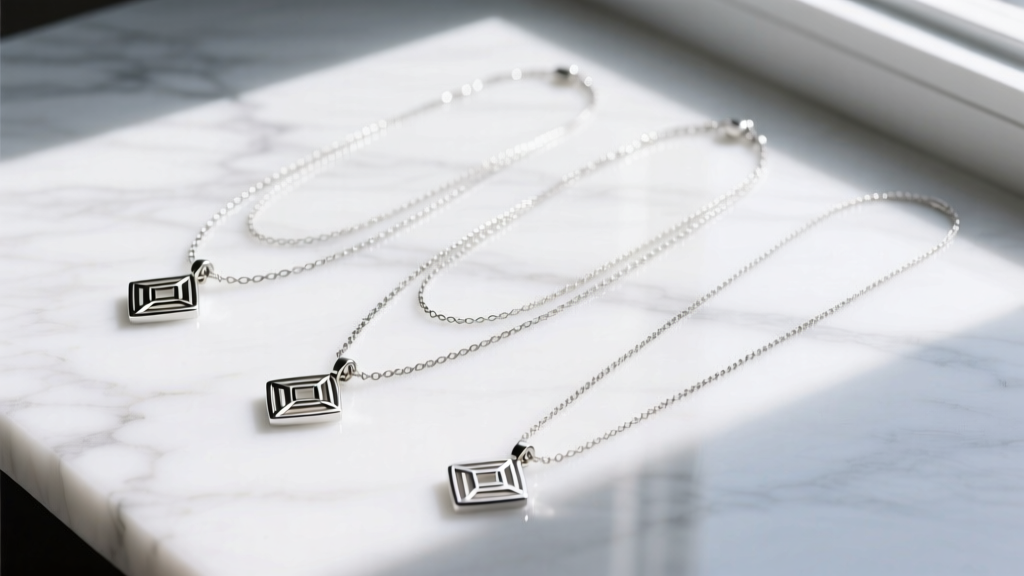
- Layer 1 (The Anchor): 14-inch, 1.5mm cable chain in 316L surgical steel. Sits snugly near the collarbone.
- Layer 2 (The Focal Point): 16-inch, 2mm rolo chain featuring a lightweight titanium or enamel pendant. This creates a precise 2-inch visual gap.
- Layer 3 (The Texture): 18-inch, 1mm box chain with a minimalist bar or initial charm. Adds vertical elongation without bulk.
Weight Warning: The total combined weight of a tween's layered stack should never exceed 15 grams. Heavy brass or thick sterling silver chains can cause contact dermatitis and posture fatigue in younger wearers. Opt for hollow-cored chains or ultra-lightweight titanium (Grade 23 / Ti-6Al-4V ELI), which offers the strength of steel at nearly half the weight.
Material & Hardware Safety: Beyond Just the Length
While finding the right necklace length for kids is crucial, the hardware and metallurgy are where true expertise is required. According to the U.S. Consumer Product Safety Commission (CPSC), children's jewelry must adhere to strict limits on heavy metals and structural hazards.
The ASTM F2923 Standard and Breakaway Clasps
Any necklace designed for a child under 12 must comply with ASTM F2923-20, the standard consumer safety specification for children's jewelry. This standard mandates strict limits on cadmium, lead, and nickel migration. But the most critical design element for kids' necklaces is the breakaway mechanism.
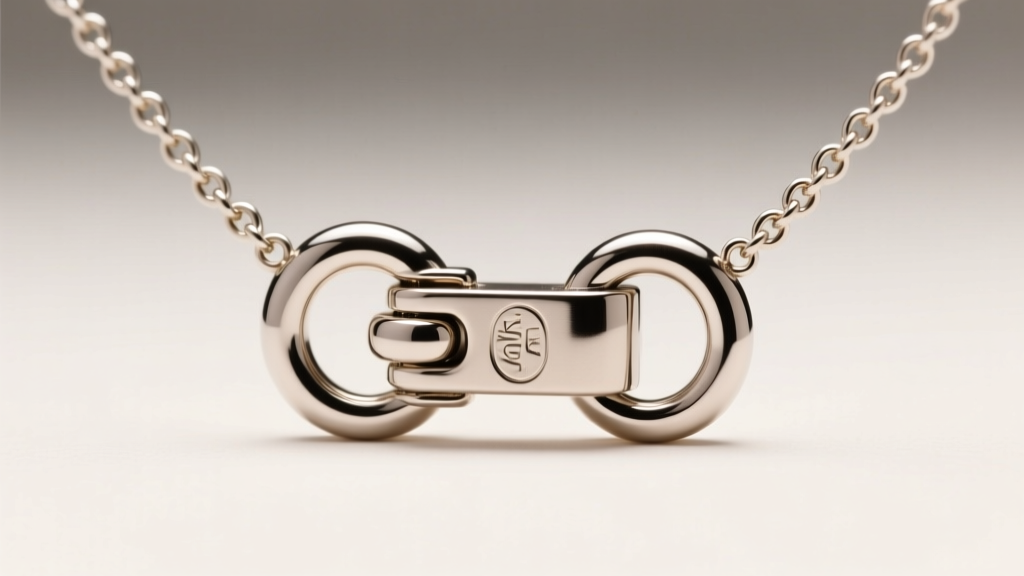
A standard lobster clasp is a choking and strangulation hazard for children under 12. In 2026, top-tier kids' jewelers utilize magnetic breakaway clasps or tension-snap barrels engineered to release at exactly 5 to 7 pounds of lateral pressure.
If a child's necklace catches on a backpack strap or playground fence, a standard chain will either snap violently (risking eye injury from whipping metal) or choke the wearer. A magnetic breakaway clasp safely detaches, preserving both the child's safety and the chain's integrity. When shopping, always test the clasp's tensile release by giving it a firm, sharp tug.
Hypoallergenic Metal Grades
Children's skin is highly reactive to the copper and nickel alloys found in cheap fashion jewelry. Avoid 'gold-plated brass' or 'nickel-free white gold' (which often still contains trace nickel). Instead, specify these exact materials:
- 14k or 18k Solid Gold: The safest, most durable option for heirloom pieces. Yellow gold is generally more hypoallergenic than white gold.
- 316L Surgical Stainless Steel: Contains virtually no free nickel and is highly resistant to tarnish and sweat. Ideal for active kids and sports.
- Grade 23 Titanium: The ultimate biocompatible metal. Used in medical implants, it will never cause a contact allergy, making it perfect for tweens with severe metal sensitivities.
Troubleshooting Fit: Adjustability and Growth Spurts
One of the most common frustrations parents face is a necklace becoming too tight after a sudden growth spurt. To future-proof your investment, look for chains featuring integrated extender loops. A high-quality extender consists of a 2-inch segment of chain with large, open jump rings at the end, allowing the child to easily hook the clasp at different lengths without requiring fine motor skills.
If you already own a necklace that is slightly too short, avoid using cheap, base-metal extender chains from craft stores, as they will introduce allergens to the chain. Instead, take the piece to a local bench jeweler and ask them to solder a 2-inch segment of matching 14k gold or 316L steel chain. This typically costs between $15 and $30 and ensures the metallurgical integrity of the piece remains uniform.
Expert Sourcing: Where to Buy Safe, Trend-Forward Pieces
Sourcing the perfect necklace requires balancing trend-forward aesthetics with uncompromising safety standards. Here is a breakdown of where to shop in 2026 based on age and style needs:
- For Toddlers & Little Kids (Safety First): Look for specialized pediatric jewelers on platforms like Etsy who explicitly advertise 'ASTM-compliant magnetic breakaway clasps' and solid 14k gold. Expect to pay $80 - $150 for a quality, safe piece.
- For Tweens (Trend & Layering): Brands like Mejuri and Gorjana offer excellent 14-inch and 16-inch options in gold vermeil and solid gold. Their chains are lightweight, modern, and perfect for the curated stacking trend. Pricing ranges from $45 (vermeil) to $250 (solid gold).
- For Teens (Durability & Edge): For the 16-inch to 18-inch market, look into brands specializing in 316L stainless steel and PVD (Physical Vapor Deposition) coating. PVD-coated steel will not tarnish, even when worn in the shower or swimming pool, making it the ultimate low-maintenance option for active teens.
Final Thoughts on Sizing and Style
Mastering the ideal necklace length for kids is about respecting their physical development while allowing them to participate in modern style trends. By prioritizing precise sizing, utilizing ASTM-compliant breakaway hardware, and selecting biocompatible metals like 316L steel or solid 14k gold, you can provide children with jewelry that is both exceptionally stylish and fundamentally safe. As the 2026 trends continue to blur the line between adult and junior fine jewelry, these foundational rules will ensure their favorite pieces are worn comfortably for years to come.


