Choosing Necklace Length Men: Material Weight & Drape Guide
Discover how metal density and drape affect the ideal necklace length men should wear. Compare titanium, gold, and tungsten chain properties.

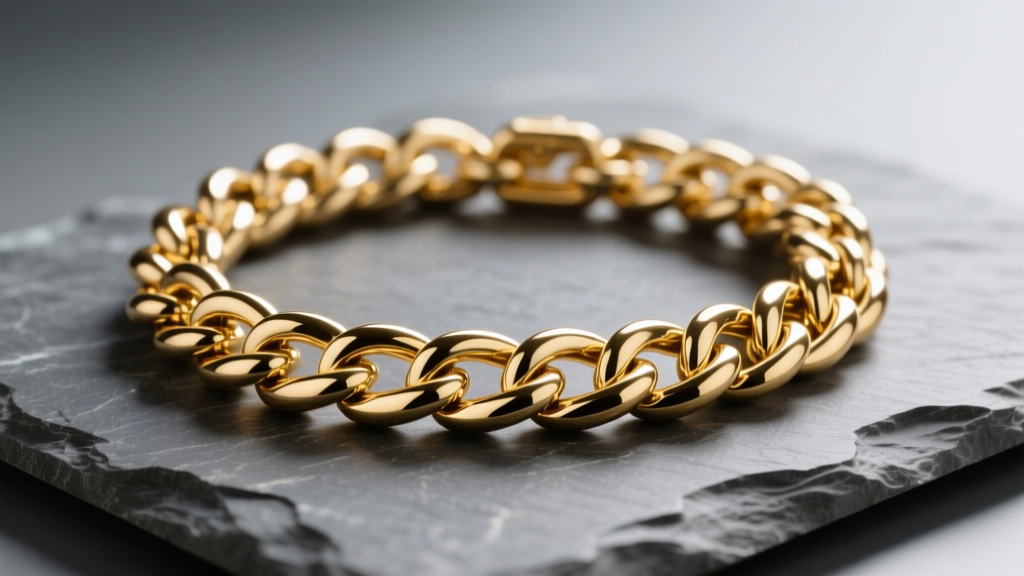
The Physics of Men's Chains: Why Material Dictates Length
When most style guides discuss the ideal necklace length men should wear, they focus almost entirely on height, neck circumference, and collar size. However, as a senior metallurgist and jewelry designer, I can tell you that ignoring material density is the fastest way to ruin a piece of jewelry or suffer from physical discomfort. In 2026, with the continued resurgence of oversized streetwear and heavy statement pieces, understanding the physical properties of your chain is no longer optional. A 24-inch solid tungsten chain behaves entirely differently than a 24-inch titanium rope chain. The drape, the tensile stress on the clasp, and the cervical strain on your neck are all dictated by the specific gravity of the metal.
The fundamental error most buyers make is assuming that a 22-inch chain will sit the same way on the chest regardless of what it is made from. In reality, the volumetric mass of the chain links creates a pendulum effect. Heavier materials pull the chain taut, stretching the links and dragging the pendant down into an unnatural, harsh V-shape, while lighter materials allow for a relaxed, natural drape. To truly master your style, you must align the material properties with the physical length.
Material Density vs. Chain Length: The Core Framework
To understand how different metals behave at various lengths, we must look at their specific gravity (density). The higher the density, the more mass is packed into each individual link. When you multiply this by the volume of a 24-inch or 30-inch chain, the weight differences become staggering. According to metallurgical data from tungsten carbide and alloy specifications, the density disparities between popular men's jewelry metals are vast.
| Material | Density (g/cm³) | Max Recommended Length (Men) | Ideal Chain Style |
|---|---|---|---|
| Grade 5 Titanium | 4.43 | 28 - 32 inches (Opera) | Bead, Box, Rope |
| Carbon Fiber | 1.5 - 1.8 | 30+ inches | Woven Cord, Tube |
| 316L Stainless Steel | 8.00 | 24 - 26 inches (Matinee) | Cuban, Figaro |
| 14k Yellow Gold | 12.90 | 22 - 24 inches (Princess/Matinee) | Cable, Curb |
| 18k Yellow Gold | 15.20 | 20 - 22 inches (Princess) | Rope, Miami Cuban |
| Tungsten Carbide | 15.60 | 18 - 20 inches (Choker/Princess) | Flat Curb, Square Link |
Heavy Metals: Tungsten & Stainless Steel Constraints
Tungsten carbide and 316L marine-grade stainless steel are incredibly popular for men's jewelry due to their scratch resistance and modern, industrial aesthetic. However, their high density makes them problematic at longer lengths. A 6mm solid tungsten Cuban link chain at 24 inches can easily exceed 350 grams. This extreme weight causes several critical failure modes.
Failure Modes of Heavy Chains
- Cervical Strain: A 350g+ chain resting on the C7 vertebra at the base of the neck can cause muscle fatigue and tension headaches over an 8-hour wear period.
- Link Elongation: The sheer weight of a long tungsten or thick steel chain causes micro-stretching in the jump rings and connecting links, eventually leading to permanent deformation.
- The Garrote Effect: If a heavy pendant is attached to a long, dense steel chain, the weight pulls the back of the chain tight against the neck, acting like a wire and causing severe skin irritation.
Expert Recommendation: If you are buying tungsten or thick stainless steel, cap your necklace length men should wear at 22 inches. This keeps the chain sitting on the collarbone (Princess length), distributing the weight across the upper chest and shoulders rather than focusing it entirely on the cervical spine.
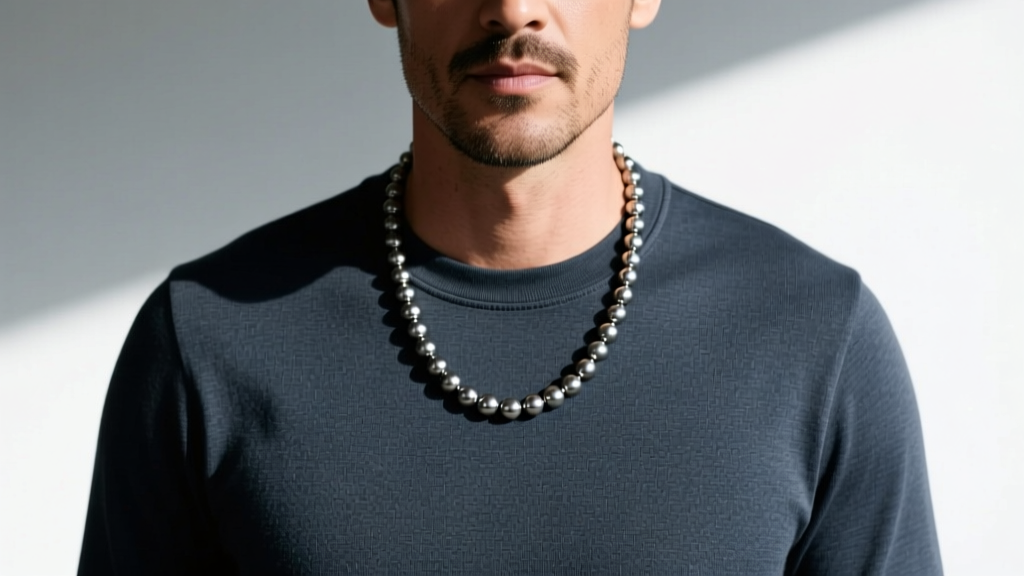
Mid-Weight Versatility: Gold, Silver, and Platinum
Precious metals occupy the mid-to-high density spectrum, but their malleability changes the rules of length and drape. When evaluating gold properties and karatages, it is vital to understand that pure gold is incredibly soft. Therefore, the alloy mix drastically alters how a chain behaves over time.
Karat Differences in Drape and Creep Deformation
A 14k gold chain (58.5% pure gold, alloyed with copper, silver, and zinc) is significantly harder and more rigid than an 18k or 22k chain. Because 14k is more rigid, it can support longer lengths (up to 24 inches) without the links suffering from "creep deformation"—the gradual, permanent stretching of metal under constant stress. Conversely, an 18k gold chain is denser and softer. If you wear a 24-inch, 5mm 18k Miami Cuban chain, the weight of the gold itself will slowly pull the links into an oval shape over a period of 12 to 18 months. For high-karat gold, stick to shorter 20-inch lengths to minimize the gravitational pull on the individual links.
Sterling silver (92.5% silver, 7.5% copper) is relatively light but highly prone to tarnishing and work-hardening. Long silver chains that are frequently tangled and pulled can become brittle at the solder points. For silver, a 22-inch to 24-inch length is optimal, provided the chain is at least 3mm thick to prevent kinking.
Ultra-Light & Flexible: Titanium, Leather, and Carbon Fiber
If your goal is to wear an Opera-length chain (28 to 32 inches) that drops well below the sternum, you must abandon heavy metals entirely. Grade 5 Titanium (Ti-6Al-4V) offers an incredible strength-to-weight ratio. A 30-inch titanium box chain weighs less than a 20-inch silver cable chain, allowing for dramatic, layered streetwear looks without any physical fatigue. Carbon fiber and braided leather cords are equally exceptional for long pendants. Because these materials possess high tensile strength but near-zero density, they drape fluidly and do not create the destructive pendulum swing that plagues heavy metal chains.
Clasp Tensile Strength: The Hidden Length Limiter
The most overlooked component in determining the maximum necklace length men can safely wear is the clasp. The clasp is the weakest structural point of any chain. As the length and weight of the chain increase, the dynamic force applied to the clasp during normal movement (walking, bending, sitting) multiplies exponentially.
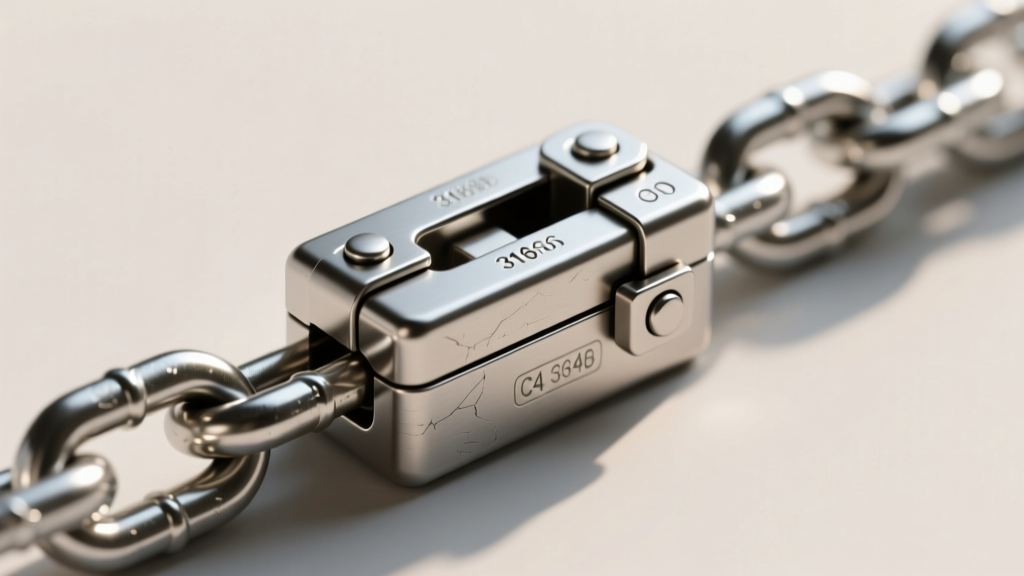
A standard 12mm lobster clasp has a tensile failure point of roughly 15 to 20 pounds of dynamic force. A heavy 24-inch steel chain swinging forward can easily generate 25 pounds of dynamic force at the apex of the swing, snapping the clasp's internal spring mechanism. For any chain exceeding 22 inches in a dense metal, or any chain holding a pendant over 30 grams, you must upgrade your hardware.
- Box Clasps with Safety Latches: The gold standard for heavy chains. The primary box mechanism bears the static load, while the secondary wire latches prevent total loss if the box fails.
- Magnetic Clasps with Secondary Locks: Excellent for ease of use, but must feature a mechanical twist-lock or sliding sleeve to handle dynamic shear forces.
- Hidden Clasps: Common in high-end 18k gold chains, these integrate seamlessly into the chain pattern but require regular professional ultrasonic cleaning to prevent debris from jamming the internal spring.
Final Sizing Matrix for Men's Necklaces
To synthesize this metallurgical and structural data into a practical buying framework, use this final matrix to determine your ideal chain length based on your preferred material and style profile.
- The 18-Inch Choker: Best for ultra-heavy materials like Tungsten Carbide or thick 14k Gold. Sits tight on the collarbone. Ideal for minimalists wearing industrial metals.
- The 20 to 22-Inch Princess: The universal sweet spot. Accommodates 18k Gold, 316L Steel, and Silver. Sits just below the collarbone, allowing for small to medium pendants without excessive link stretching.
- The 24 to 26-Inch Matinee: Reserved for mid-weight and lightweight materials. Perfect for 14k gold, sterling silver, and titanium. Sits on the upper chest, ideal for layering over t-shirts or button-downs.
- The 28 to 32-Inch Opera: Strictly for ultra-light materials like Grade 5 Titanium, Carbon Fiber, or braided leather. Drops to the sternum or solar plexus. Essential for oversized streetwear aesthetics and heavy statement pendants.
By respecting the physical properties of your jewelry materials, you ensure that your chains not only look exceptional but also maintain their structural integrity for decades. Sourcing from reputable fabricators like those found through the Rio Grande jewelry supply network ensures you are getting accurate alloy compositions and properly tested clasps, giving you peace of mind regardless of the length you choose.


