Necklace NBA Tunnel Walk Trends: A Budget & Value Guide 2026
Discover how to achieve the coveted necklace NBA tunnel walk look on a budget. We compare moissanite, lab diamonds, and PVD plating for true value.


The Anatomy of an NBA Tunnel Walk Chain
The pre-game arena arrival has evolved into a high-stakes fashion runway. When fans and jewelry enthusiasts type necklace nba into search engines, they are not just looking for sports memorabilia; they are hunting for the exact specifications of the heavy, iced-out chains worn by stars like Shai Gilgeous-Alexander and LeBron James. But replicating this look requires navigating a minefield of overpriced hype and deceptive marketing. To truly assess value, we must deconstruct the anatomy of these statement pieces and understand where your money is actually going.
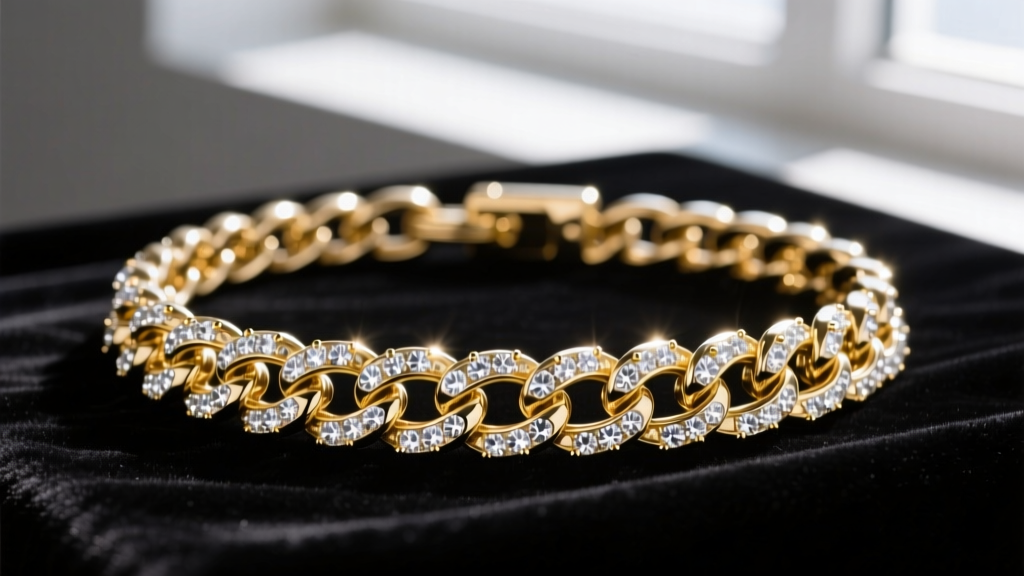
True NBA-style chains are defined by their width, weight, and link structure. The undisputed king is the Miami Cuban link, characterized by its tight, interlocking, flat-surfaced oval links. While a standard men's chain might be 4mm to 6mm wide, tunnel-walk chains typically start at 12mm and can exceed 20mm. In solid 14k gold, a 14mm Miami Cuban at 22 inches weighs approximately 150 grams, pushing the raw material value alone well past $7,000. For the budget-conscious buyer, understanding this baseline is the first step in assessing alternative value propositions.
Link Variations: Cuban vs. Prizm vs. Franco
While the Miami Cuban dominates, the Prizm chain offers a diamond-cut faceted surface that reflects light aggressively, mimicking the sparkle of pavé diamonds without the stone cost. The Franco chain, with its V-shaped interlocking links, offers superior structural integrity and a fluid drape, making it the ideal candidate for holding heavy custom pendants like oversized team logos or diamond-encrusted mascots.
The Importance of the Clasp Mechanism
A heavy chain is only as secure as its clasp. The NBA standard is the box clasp with double safety latches. This mechanism distributes the weight of the chain evenly and prevents catastrophic loss if the primary latch snags on clothing. Budget chains often use oversized lobster clasps, which, while secure, ruin the seamless visual flow of a thick Cuban link and create an uncomfortable pressure point on the back of the neck. When assessing value, a well-machined box clasp on a budget chain is a hallmark of a manufacturer who understands the structural demands of heavy jewelry.
Metallurgy on a Budget: PVD vs. Electroplating vs. Vermeil
The base metal is the foundation of your chain's longevity. The jewelry industry is rife with misleading terms, so knowing the exact manufacturing process is critical for value assessment.
- Gold Vermeil: By FTC guidelines, vermeil must be a sterling silver base plated with at least 2.5 microns of 10k+ gold. While it feels premium and holds resale value as scrap silver, the soft gold layer will wear off within months if exposed to the acidic sweat and friction of daily wear.
- Standard Electroplating (Brass Base): The cheapest option. Brass is porous and reacts with skin oils, turning your neck green within weeks. The gold flash plating is often less than 0.5 microns thick. Avoid this entirely if you want the NBA aesthetic without the embarrassment of tarnishing.
- PVD (Physical Vapor Deposition) on 316L Stainless Steel: This is the undisputed champion of budget value. PVD coating bonds gold at a molecular level in a vacuum chamber. A 316L surgical steel base is hypoallergenic, rust-proof, and sweat-proof. A PVD-coated 14mm Cuban link will retain its color for 3 to 5 years of heavy wear, offering a 10x better ROI than vermeil for a fraction of the cost.
The Stone Matrix: Moissanite, Lab-Grown, and CZ
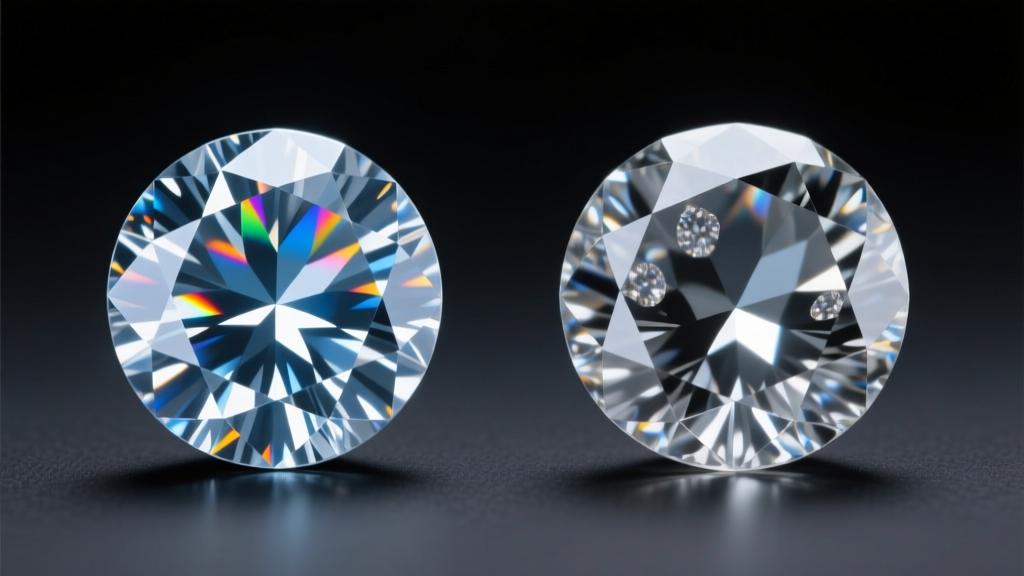
If the metal is the canvas, the stones are the paint. NBA players wear VVS-clarity natural diamonds, but the budget market offers three distinct alternatives with vastly different value curves.
Cubic Zirconia (CZ): With a Mohs hardness of 8-8.5, CZ is soft. It absorbs oils, lotions, and sweat, causing it to turn cloudy and dull within six months. It is strictly for costume wear and holds zero long-term value.
Moissanite: According to the Gemological Institute of America (GIA), moissanite (silicon carbide) has a Mohs hardness of 9.25, making it incredibly durable. More importantly, its refractive index (2.65) is higher than a diamond's (2.42), giving it a superior "fire" or rainbow dispersion. High-quality DEF color, VVS1 clarity moissanite will pass standard thermal diamond testers and maintain its brilliance for a lifetime. It is the ultimate value hack for the iced-out tunnel walk look.
Lab-Grown Diamonds: Chemically and optically identical to mined diamonds. However, as noted by JCK Online industry reports, the wholesale pricing for lab-grown diamonds has plummeted. While they offer the prestige of the word "diamond," their resale value is currently abysmal. You are paying a premium for the material, but getting very little equity back.
The Value Matrix: Budget Tiers for NBA-Style Necklaces
Use this framework to align your budget with realistic expectations for materials and longevity.
| Budget Tier | Base Metal | Stone Type | Price Range | Longevity & ROI |
|---|---|---|---|---|
| Rookie Scale | 316L Steel (PVD) | Cubic Zirconia | $80 - $180 | Low (6-12 months before clouding) |
| Mid-Level Exception | 316L Steel (PVD) | DEF Moissanite | $350 - $850 | High (Lifetime brilliance, sweat-proof) |
| Starter Max Contract | Solid 10k/14k Gold | Lab-Grown VVS | $1,500 - $3,500 | Medium (High intrinsic metal value, low stone resale) |
| Franchise Player | Solid 14k/18k Gold | Natural VVS Diamonds | $15,000+ | High (Retains equity, heirloom quality) |
Red Flags: How to Avoid Overpaying
When shopping in the mid-tier market, deceptive marketing is rampant. Protect your wallet by watching for these critical red flags:
- The "VVS" Stamp on Metal: VVS (Very Very Slightly Included) is a diamond clarity grade, not a metal purity stamp. If a chain is stamped "14k VVS," it is likely a cheap alloy with CZ stones masquerading as high-end jewelry.
- Hollow Link Construction: Many budget solid-gold chains are hollow to save weight. While they look thick, they dent easily if dropped and are nearly impossible for a jeweler to repair. Always demand the gram weight and ask if the links are solid or semi-solid.
- Lifetime Warranties on Plated CZ: Brands offering lifetime warranties on $100 CZ chains often have restrictive clauses that void the warranty if the jewelry is exposed to water or sweat—essentially making the guarantee useless for daily wear.
- Glue-Set vs. Prong-Set Stones: In high-end jewelry, stones are held in place by metal prongs or bezels. Many budget "iced out" chains use industrial adhesive to glue CZ stones directly onto a flat metal base. This glue degrades rapidly when exposed to heat, sweat, and UV light, leading to missing stones within weeks. Always inspect the setting under magnification; if you cannot see metal prongs wrapping over the girdle of the stone, walk away.
Final Verdict: Maximizing Your Jewelry ROI
Achieving the NBA tunnel walk aesthetic does not require taking out a second mortgage. The smartest value proposition in 2026 lies in the Mid-Level Exception tier: a 12mm to 14mm Miami Cuban or Tennis chain crafted from 316L stainless steel with PVD gold coating, set with DEF/VVS moissanite. This combination provides the exact visual weight, drape, and blinding brilliance of a $40,000 natural diamond chain, while remaining completely impervious to sweat, gym sessions, and daily friction. By prioritizing advanced metallurgy and optical stone alternatives over traditional brand markups, you secure a piece of jewelry that commands respect the moment you step out of the tunnel.


