The Complete Necklace Pearl Buying Guide: Types and Grades
Discover how to evaluate luster, nacre, and types in our expert necklace pearl buying guide. Find the perfect strand for your collection.

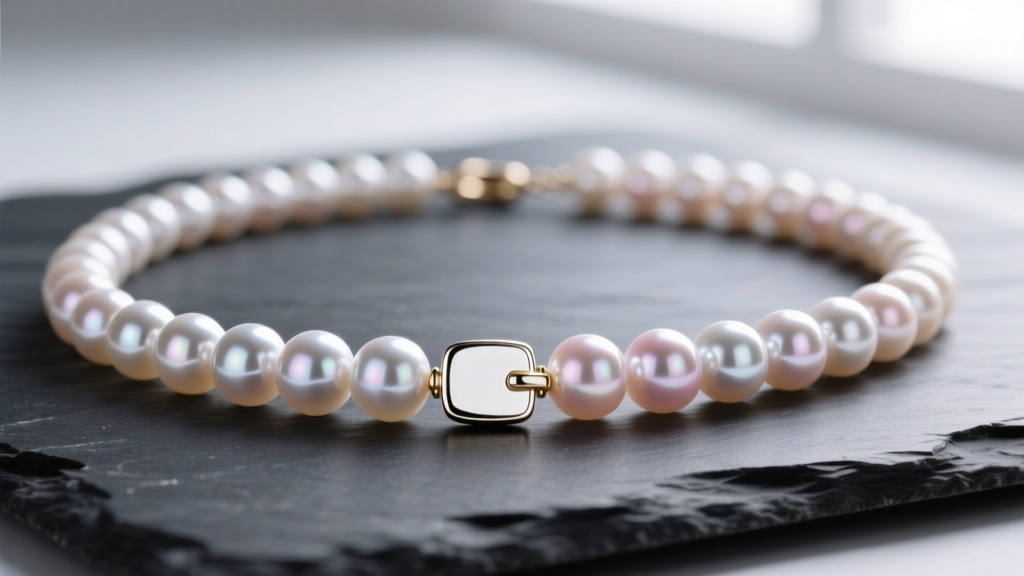
Investing in a fine strand of pearls is a timeless decision, but navigating the vast array of options can be overwhelming. Unlike diamonds, which are graded on a universally standardized scale, pearls are evaluated on a more nuanced set of characteristics dictated by their organic origins. Whether you are seeking a classic strand or a modern, baroque statement piece, understanding the biology and craftsmanship behind these gems is essential.
In this comprehensive guide, we will break down exactly what to look for when inspecting a necklace pearl by pearl, ensuring you make an informed, high-value purchase that will last for generations.
Decoding Pearl Types: The Big Four
The foundation of any pearl purchase begins with understanding the four primary types of cultured pearls available on the market. Each type is produced by a different species of oyster or mussel, resulting in distinct sizes, colors, and price points.
- Akoya Pearls: Cultivated primarily in Japan and China, Akoya pearls are the classic choice. They are renowned for their perfectly round shapes and sharp, mirror-like luster. They typically range from 6mm to 9mm.
- Freshwater Pearls: Grown in mussels in lakes and rivers, mostly in China. They offer the widest variety of shapes and natural pastel colors. While historically known for baroque (irregular) shapes, modern cultivation techniques now produce near-perfect rounds that rival Akoya pearls at a fraction of the cost.
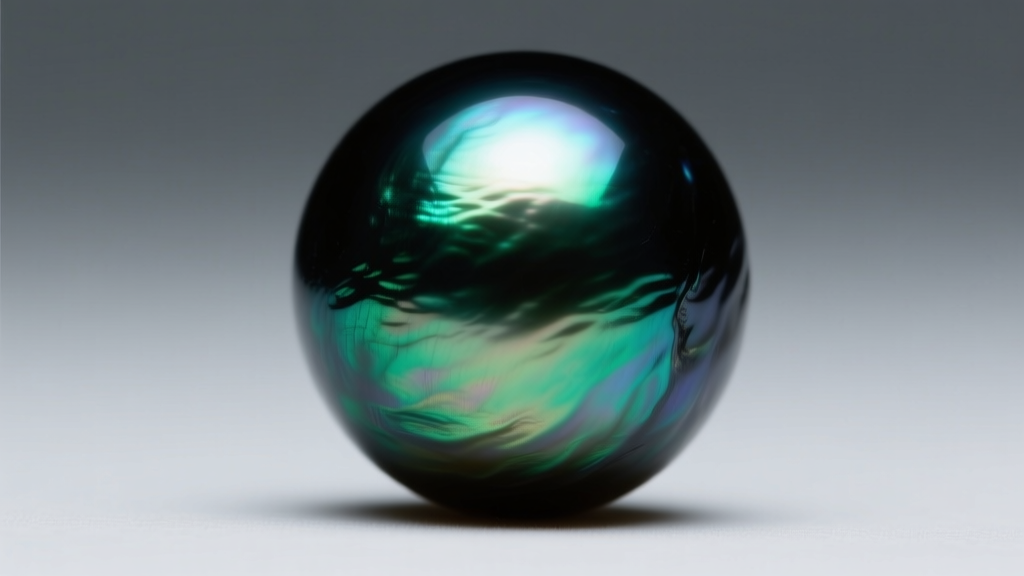
- Tahitian Pearls: Often called 'black pearls,' these are produced by the Pinctada margaritifera oyster. They are famous for their dark body colors and vibrant overtones, such as peacock green, aubergine, and pistachio. Sizes usually range from 8mm to 16mm.
- South Sea Pearls: The undisputed luxury tier. Produced by the massive Pinctada maxima oyster in Australia, Indonesia, and the Philippines, these pearls boast a thick nacre and a soft, satiny luster. They come in white and golden hues and range from 9mm to over 20mm.
Quick Reference Comparison Table
| Pearl Type | Typical Size | Nacre Type | Average Price Range (18-inch Strand) |
|---|---|---|---|
| Akoya | 6.0 - 9.0mm | Bead-nucleated (Thin to Medium) | $300 - $3,500 |
| Freshwater | 5.0 - 12.0mm | Tissue-nucleated (Solid Nacre) | $50 - $1,500 |
| Tahitian | 8.0 - 16.0mm | Bead-nucleated (Thick) | $500 - $10,000+ |
| South Sea | 9.0 - 20.0mm | Bead-nucleated (Very Thick) | $1,000 - $50,000+ |
The 5 Value Factors: How to Grade a Pearl Necklace
When evaluating quality, jewelers and gemologists rely on specific value factors. The Gemological Institute of America (GIA) outlines seven primary factors, but for necklace strands, five are critically important.
1. Luster: The Ultimate Dealbreaker
Luster is the most critical factor in determining a pearl's value. It refers to the sharpness and intensity of light reflecting off the surface and from within the nacre layers. High-quality Akoya pearls should exhibit 'mirror' luster, meaning you can clearly see your reflection on the surface. South Sea pearls, due to their thicker nacre and larger aragonite platelets, exhibit a softer, 'satiny' glow. If a pearl looks chalky, dull, or cloudy, walk away—no amount of cleaning will restore poor luster.
2. Nacre Thickness and Quality
Nacre is the crystalline substance the oyster secretes to form the pearl. For bead-nucleated pearls like Akoya and Tahitian, nacre thickness dictates both durability and beauty. An Akoya pearl should have a minimum nacre thickness of 0.4mm; anything less risks peeling or chipping over time. Tahitian pearls legally require a minimum of 0.8mm for export, while South Sea pearls often boast 2.0mm to 4.0mm of nacre. Freshwater pearls are typically solid nacre throughout, making them incredibly durable.
3. Surface Quality
Because pearls are organic, perfectly flawless surfaces are exceedingly rare. Gemologists grade surface quality based on the visibility, size, and number of blemishes (spots, bumps, or wrinkles). For a necklace strand, look for 'eye-clean' pearls, meaning no obvious blemishes from a conversational distance of about 18 inches. Minor surface variations are acceptable and actually prove the pearl is natural, not plastic.
4. Shape and Matching
While perfectly round pearls command the highest premiums, symmetrical shapes like drops and ovals are also highly valued. In a strand, 'matching' is paramount. The pearls should be uniform in size, shape, color, and luster. A poorly matched strand will look disjointed and significantly lower in value.
5. Overtone and Bodycolor
Bodycolor is the dominant overall color of the pearl, while overtone is the translucent secondary color that appears to float over the surface. For example, a Tahitian pearl might have a dark grey bodycolor with a vibrant peacock green overtone. The GIA notes that the presence of strong, desirable overtones significantly increases a pearl's market value.
Sizing and Length: Choosing the Right Strand
The length of the necklace drastically changes how it sits on the neckline and the occasions it suits best. Standard industry lengths include:
- Collar (10-13 inches): Sits tightly against the throat. Best worn with V-necks or open-collared shirts.
- Choker (14-16 inches): Rests at the base of the neck. A versatile, classic choice for both casual and formal wear.
- Princess (17-19 inches): The most popular length, falling just below the collarbone. Ideal for framing the face and pairing with almost any neckline.
- Matinee (20-24 inches): Falls at the top of the bust. Excellent for business attire and adding a touch of elegance to daytime outfits.
- Opera (28-36 inches): Falls below the bust. Can be worn long or doubled over for a layered choker effect.
- Rope (Over 36 inches): The longest strand, often knotted or wrapped multiple times.
Clasp Hardware and Stringing Techniques
A high-end necklace pearl strand is only as strong as its stringing. Never buy a fine pearl necklace strung on synthetic wire or cheap cotton. Authentic strands are hand-knotted on pure silk thread, typically using Size E or F Griffin silk cord. The knots serve two purposes: they prevent the pearls from rubbing against each other (which damages the nacre), and they ensure that if the strand breaks, you only lose one pearl.
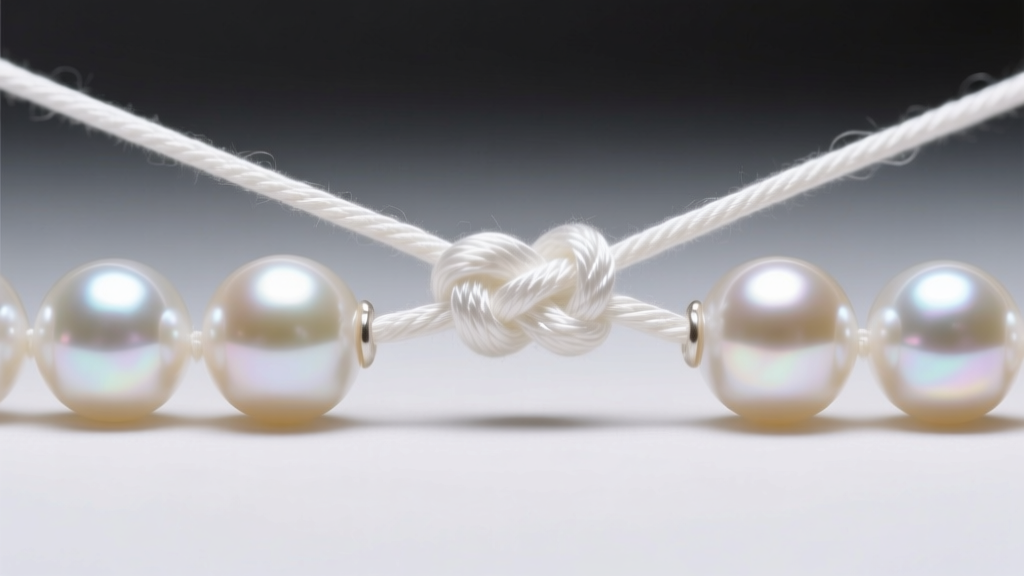
Additionally, examine the clasp. Fine pearls should be finished with solid 14k or 18k gold clasps, preferably with a safety catch (a secondary wire loop) to prevent loss if the primary latch fails. The silk thread should be protected from the metal clasp by 'French wire' (also known as gimp)—a tiny coil of fine metal wire that wraps around the silk where it passes through the clasp ring to prevent fraying.
Real vs. Fake: The Tooth Test and Beyond
While advanced gemological testing is the only 100% foolproof method, the traditional 'tooth test' remains a reliable quick check. Gently rub the pearl against the biting edge of your front tooth. A real pearl will feel distinctly gritty or sandy due to its microscopic crystalline nacre structure. A fake pearl (made of glass, plastic, or coated shell) will feel perfectly smooth and slippery. Be cautious with heavily treated or polished pearls, as they may feel slightly smoother, but the grit should still be detectable.
Pricing Expectations and Market Realities in 2026
As of 2026, the global pearl market has seen notable shifts. Environmental challenges and warming ocean temperatures have impacted Akoya and South Sea oyster yields, driving up the baseline prices for high-quality, perfectly round strands with thick nacre. Conversely, advancements in Chinese freshwater cultivation have flooded the market with near-round, high-luster freshwater pearls that offer incredible value for budget-conscious buyers.
When shopping, be wary of 'too good to be true' pricing. An 18-inch strand of 8mm AAA-grade Akoya pearls with 14k gold hardware will rarely dip below $800 in the current market. If you see it for $99, you are likely looking at heavily processed, thin-nacre pearls or advanced synthetic imitations. Always request a detailed receipt specifying the pearl type, size range, and metal purity, and buy from reputable dealers who offer transparent grading scales.


