How to Choose the Perfect Necklace Pill Holder for Daily Wear
Discover how to choose a stylish, waterproof necklace pill holder. Learn about materials, chain pairings, and capacity for daily medications.

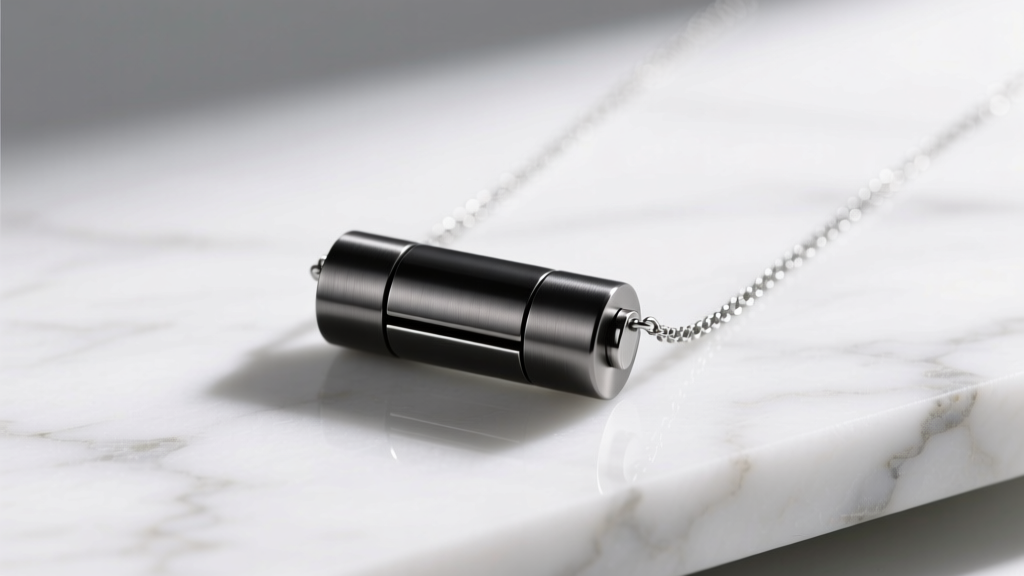
The Evolution of Functional Jewelry
Jewelry has always been a form of self-expression, but the modern consumer demands more than just aesthetics. Enter the necklace pill holder: a masterclass in functional design that seamlessly blends daily medical necessity with high-end fashion. Whether you are managing a daily vitamin regimen, carrying emergency antihistamines, or simply want a discreet way to keep your supplements close, a pendant pill holder is an indispensable accessory. However, not all holders are created equal. A poorly designed piece can compromise your medication through moisture exposure or break under the weight of daily wear. This beginner-friendly guide will walk you through the exact specifications, material grades, and mechanical details you need to choose a reliable, stylish necklace pill holder.
Decoding Materials: Titanium vs. Stainless Steel vs. Silver
The material of your pendant dictates its weight, durability, and how it reacts to your skin and the environment. Because a necklace pill holder rests directly against your chest and is exposed to sweat and humidity, choosing the right metal is critical.
- Grade 5 Titanium (Ti-6Al-4V): The gold standard for functional jewelry. Titanium is incredibly lightweight, highly resistant to corrosion, and 100% hypoallergenic. According to research published in the National Institutes of Health, titanium is the safest metal for prolonged skin contact, eliminating the risk of nickel-induced contact dermatitis.
- 316L Surgical Stainless Steel: A popular, budget-friendly alternative. It is heavier than titanium and highly durable, but it can contain trace amounts of nickel, which may irritate highly sensitive skin over time.
- 925 Sterling Silver: While beautiful, silver is generally a poor choice for pill holders. It is soft, meaning the threads can strip easily, and it is prone to tarnishing when exposed to the chemicals in certain medications or everyday sweat.
| Material | Weight | Hypoallergenic | Thread Durability | Average Price Range |
|---|---|---|---|---|
| Grade 5 Titanium | Ultra-Light | Yes (100%) | Exceptional | $45 - $120 |
| 316L Stainless Steel | Heavy | Mostly | Very Good | $15 - $40 |
| 925 Sterling Silver | Medium | No | Poor (Soft metal) | $30 - $80 |
Internal Dimensions and Capsule Sizing
The most common mistake beginners make is purchasing a necklace pill holder without checking the internal chamber dimensions against their specific medication. Pill holders are typically cylindrical, and you must account for both the length and the width of your capsules.
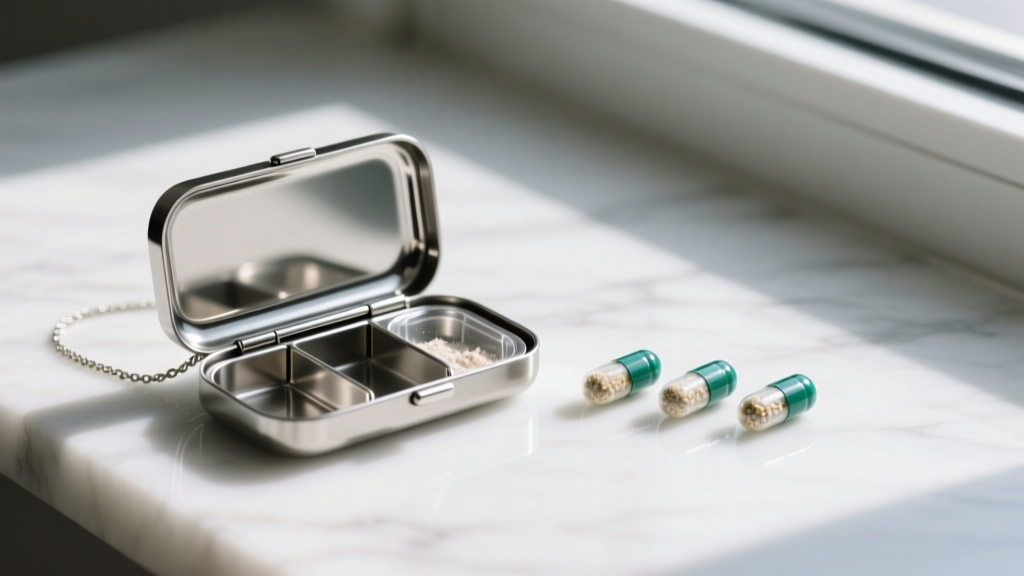
Standard supplement and medication capsules come in universally recognized sizes. A Size #00 capsule measures approximately 23mm in length and 8mm in diameter. A Size #0 capsule is slightly smaller at 21mm long and 7mm wide. To comfortably fit a Size #00 capsule without crushing it or pinching the waterproof seal, the internal chamber of your pendant must be at least 25mm long and 10mm wide. Always measure your largest daily pill with a digital caliper before purchasing a holder. If you take multiple small tablets, look for a wider, shorter chamber design rather than a long, narrow tube.
The Science of the Seal: O-Rings and Waterproofing
Medications degrade rapidly when exposed to moisture and excessive heat. The FDA guidelines on medication storage explicitly warn against keeping pills in humid environments like bathrooms. When wearing a pendant against your skin, body heat and sweat create a micro-humid environment. Therefore, a waterproof seal is not optional; it is a medical necessity.
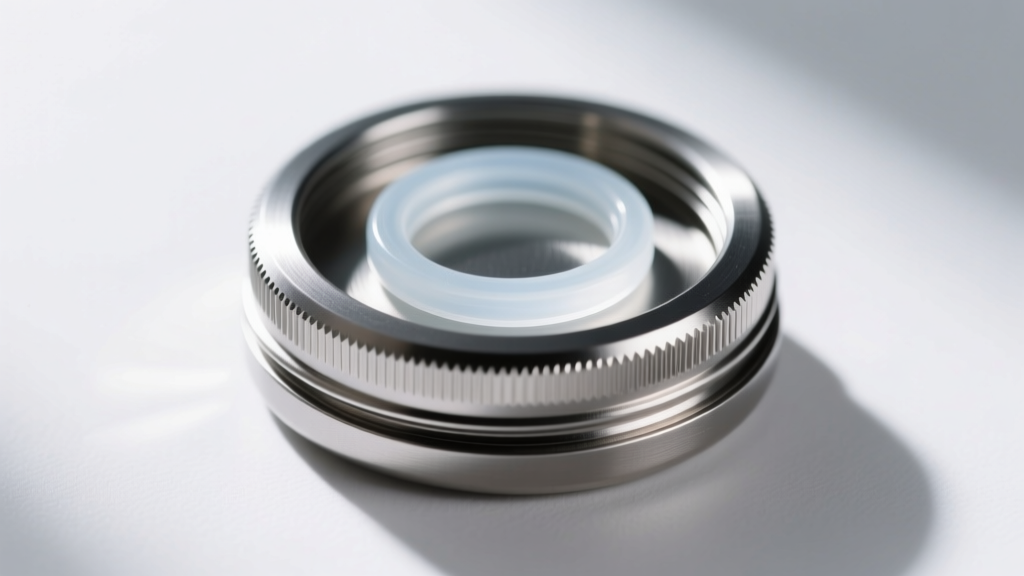
High-quality necklace pill holders utilize a Silicone O-ring seated in a precision-machined groove on the lid or the base. For the best seal, look for O-rings with a Shore A durometer rating of 70. This specific hardness provides enough flexibility to compress and create an airtight vacuum when the lid is tightened, while being rigid enough to resist tearing from friction.
Understanding Failure Modes
The number one cause of water damage in pill pendants is cross-threading. Because the threads on these small cylinders are fine, forcing the lid on at an angle will strip the metal and slice the O-ring. Always start threading the lid counter-clockwise until you feel a subtle "click" (the threads aligning), then screw it on clockwise. If your holder lacks an O-ring and relies on metal-on-metal friction, you can improve the seal by wrapping the threads with a single layer of PTFE (plumber's) tape.
Selecting the Right Chain for Heavy Pendants
A solid metal pill holder is surprisingly heavy, often weighing between 15 and 35 grams depending on the material and size. Pairing a heavy pendant with a flimsy chain is a recipe for disaster. The clasp will eventually snap, or the links will pull apart under the dynamic stress of walking and moving.
To ensure longevity, follow these chain-pairing rules:
- Gauge Thickness: Never use a chain thinner than 1.5mm. For steel or large titanium holders, opt for a 2.0mm to 3.0mm gauge.
- Chain Style: Box chains and Wheat chains offer the highest tensile strength because of their interlocking, multi-directional links. Avoid delicate cable chains or snake chains, which kink and snap easily under point-load stress.
- The Clasp: Discard any chain that comes with a spring-ring clasp. Upgrade to a lobster clasp with a sturdy soldered jump ring. Lobster clasps feature a solid internal spring mechanism that can withstand the pendulum-like swinging of a heavy pill pendant.
Maintenance and Troubleshooting
Even the best functional jewelry requires basic upkeep to ensure your medication remains safe and the hardware functions smoothly.
Quick Fixes for Common Issues
- Stuck Lid: If you overtighten the lid or if sweat dries in the threads, the cap can seize. Do not use pliers, which will mar the finish. Instead, put on a pair of textured rubber dishwashing gloves. The rubber provides immense grip, allowing you to break the vacuum seal without damaging the metal.
- Rattling Pills: If your chamber is slightly too long for your capsule, the pill will rattle loudly against the metal interior. Drop a tiny piece of medical-grade cotton or a small foam earplug into the bottom of the chamber to cushion the pill and silence the noise.
- O-Ring Maintenance: Once a year, remove the silicone O-ring using a plastic toothpick (never a metal needle, which can cause micro-scratches). Wash it with mild soap, dry it, and apply a microscopic dab of food-grade silicone grease to keep the rubber supple and prevent dry-rot.
Choosing the right necklace pill holder is an exercise in balancing form, function, and material science. By prioritizing Grade 5 titanium or 316L steel, verifying internal dimensions against your specific capsule sizes, and ensuring a proper Shore A 70 O-ring seal, you can carry your daily health regimen with absolute confidence and undeniable style.


