Necklace Shortener Cost vs Value: Is It Worth Buying?
Discover if a necklace shortener is worth the cost. We compare DIY clasps, silicone sleeves, and professional resizing to help you maximize jewelry value.

The True Cost of Ill-Fitting Necklaces
We have all experienced the frustration of purchasing a beautiful pendant, only to find the standard 18-inch or 20-inch chain hangs awkwardly low against a specific neckline. When a necklace fails to sit at the optimal collarbone or sternum placement, it often gets relegated to the back of the jewelry box. This is where the search for a necklace shortener begins. However, as consumers become more financially conscious in 2026, the question shifts from "How do I shorten this?" to "Is the method I am choosing actually worth the financial and structural cost?"
Evaluating the budget and value of necklace adjustments requires looking beyond the initial price tag. A cheap fix might ruin a valuable chain, while an expensive permanent alteration might not make sense for fashion jewelry. According to industry repair data from Quick Jewelry Repairs, improper shortening techniques are a leading cause of premature chain snapping and clasp failure. In this comprehensive value assessment, we break down the exact costs, material risks, and return on investment (ROI) for every type of necklace shortener on the market.
Types of Necklace Shorteners: A Price & Value Breakdown
The market offers three primary tiers of necklace shortening solutions, each catering to different budgets and jewelry valuations. Understanding the metallurgy and mechanics of each is crucial for making a sound financial decision.
1. Silicone & Polyurethane Coil Sleeves (The Budget Option)
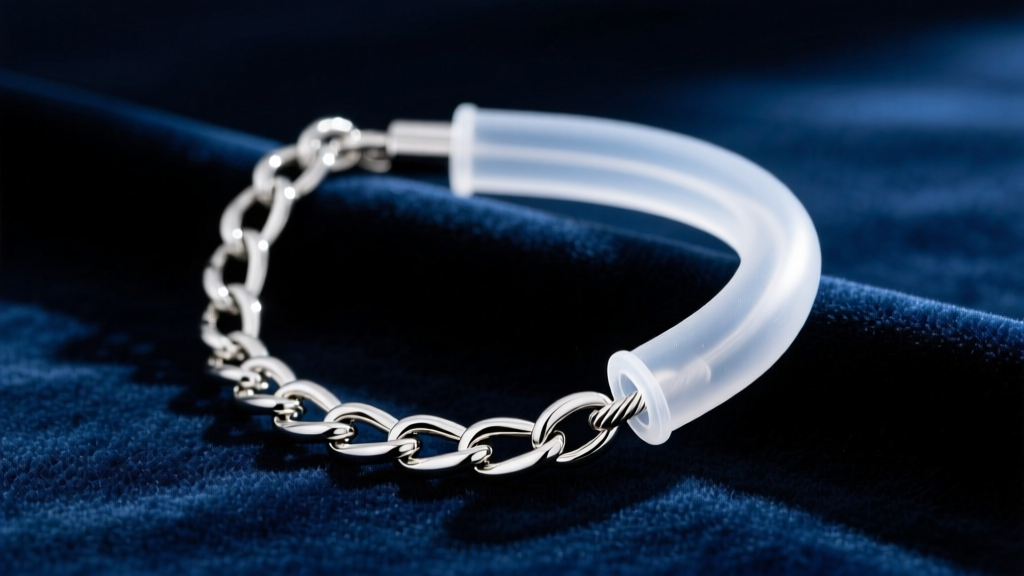
Typically priced between $4 and $10 for a multi-pack, silicone coil sleeves are the most accessible DIY necklace shortener. They work by threading both ends of the chain through a flexible, transparent tube that grips the links via friction.
Value Assessment: While incredibly cheap, these sleeves offer poor long-term value for fine jewelry. Polyurethane and silicone degrade when exposed to human sebum, lotions, and UV light, often turning yellow or brittle within 6 to 12 months. Furthermore, the friction required to hold the chain in place can cause micro-abrasions on soft metals like high-karat gold or polished silver. These are strictly recommended for bead strands, lightweight fashion jewelry, or temporary event wear.
2. Magnetic & Clip-On Converter Clasps (The Mid-Tier)
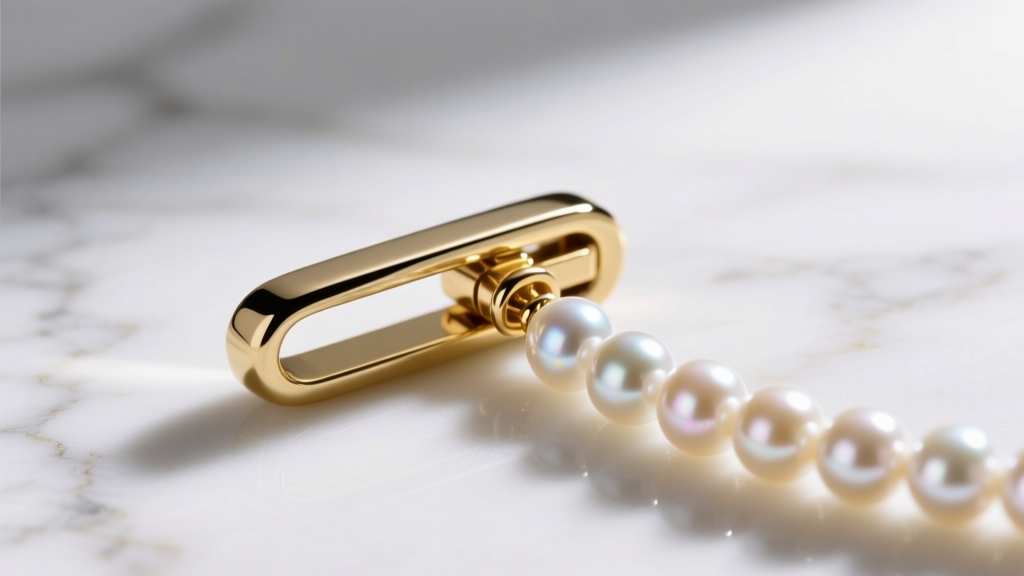
Ranging from $15 to $55, converter clasps replace your existing lobster claw or spring ring. You attach the chain to the converter, which features a secondary loop or a folding mechanism to halve the chain's length. Magnetic variants use neodymium cores to snap the chain back onto itself.
Value Assessment: This is the sweet spot for mid-range silver and gold-filled chains. However, value heavily depends on the magnet's Gauss rating. A weak magnet will fail if your pendant weighs more than 8 grams. When shopping, look for converters specifying N42 or N52 grade neodymium magnets. As noted by jewelry valuation experts at Worthy, adding third-party clasps to vintage or designer pieces can also diminish their resale provenance, so reserve these for everyday, non-investment pieces.
3. Professional Jeweler Resizing (The Permanent Investment)
Having a jeweler physically remove links and re-solder or laser-weld the chain is the most expensive option, typically costing between $35 and $120 depending on the metal and chain complexity. As of 2026, laser welding a platinum or diamond-cut rope chain commands a premium due to the specialized equipment required to preserve the metal's reflective facets without melting surrounding links.
Value Assessment: This is the only option that preserves or enhances the intrinsic value of fine jewelry. If you own a solid 14k or 18k gold chain, spending $60 on a professional resize yields a 100% positive ROI because it ensures the piece is actually worn, rather than sitting unworn in a safe.
Comparative Cost-Benefit Matrix
To help you make a data-driven decision, we have compiled a matrix comparing the three primary necklace shortener methods based on current market averages and structural limitations.
| Shortener Method | Avg. Cost (2026) | Durability Score | Max Weight Tolerance | Best Use Case |
|---|---|---|---|---|
| Silicone Coil Sleeve | $4 - $10 | 3 / 10 | 15 grams | Pearl strands, bead necklaces, temporary fixes |
| Magnetic Converter | $15 - $55 | 7 / 10 | 12 grams (N52 magnet) | Sterling silver, gold-filled, medium pendants |
| Professional Solder/Weld | $35 - $120+ | 10 / 10 | Chain's native limit | Solid gold, platinum, heirloom, heavy pendants |
Material Considerations: When NOT to Use a Shortener
A critical aspect of budget assessment is factoring in the risk of catastrophic failure. Applying the wrong shortener to a specific chain type can result in total loss of the jewelry, turning a $20 shortcut into a $500 mistake.
The Hollow-Core Chain Hazard
Hollow-core rope and tube chains are notoriously lightweight but visually substantial. If you attempt to use a clip-on or crimp-style mechanical necklace shortener on a hollow chain, the localized pressure will crush the thin outer metal shell. Once a hollow chain is kinked or crushed, it cannot be repaired; it must be melted down for scrap value. Always use a professional laser welder for hollow chains, as the jeweler can reinforce the cut point with a solid jump ring.
Oxidized and Patinated Silver
Silicone sleeves and tight magnetic converters create occluded zones where moisture and skin acids become trapped against the metal. For oxidized sterling silver (where the dark patina is intentional), this trapped moisture will cause uneven, splotchy corrosion that strips the antique finish. If you must shorten an oxidized piece temporarily, use a loose-fitting silicone sleeve and remove it immediately after wear.

Chain Gauge and Weight Tolerances
The physical thickness of your chain, measured in millimeters (mm), dictates which shortener is physically capable of gripping it.
- Micro-Chains (0.8mm - 1.2mm): Too delicate for most magnetic converters, as the jump rings on the converter will outweigh and pull the chain out of shape. Professional resizing is highly recommended to maintain the drape.
- Standard Chains (1.5mm - 3.0mm): The ideal candidates for magnetic converters and silicone sleeves. The links are robust enough to handle the friction and magnetic pull without warping.
- Heavy Chains (4.0mm+): Cuban links and thick Figaro chains often exceed the physical opening width of standard converter clasps. Attempting to force a thick link into a shortener's clasp will bend the clasp's hinge pin, rendering it useless.
The Verdict: Calculating Your ROI on Necklace Adjustments
So, is a necklace shortener worth the cost? The answer relies on a simple value formula: If the replacement cost of the chain is more than five times the cost of the shortener, the shortener is a financially sound investment.
If you are dealing with a $40 fashion chain, spending $45 on a premium magnetic converter makes zero financial sense; buy a new chain in the correct length instead. Conversely, if you inherit a $2,000 solid 18k gold pendant and chain, spending $80 on a professional jeweler to permanently laser-weld it to your exact collarbone measurement is an exceptional allocation of capital. It transforms an unwearable heirloom into a daily staple, maximizing both your cost-per-wear and the aesthetic value of the piece. Stop settling for ill-fitting jewelry and choose the shortening method that respects both your budget and your metals.


