The Ultimate Necklace Silver Balls Buying Guide & Fit Tips
Discover what to look for when buying a necklace silver balls design. Learn about solid vs. hollow beads, silver grades, and sizing in our expert guide.

Decoding the Silver Ball Necklace Trend
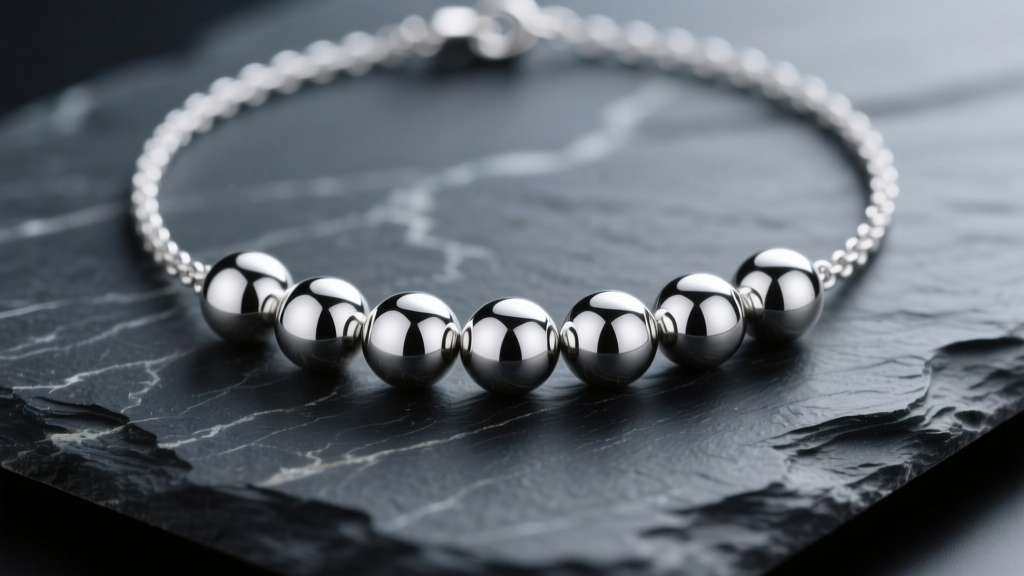
When evaluating a necklace silver balls design, buyers are often drawn to the sleek, modern, and highly reflective nature of spherical metal beads. Unlike traditional gemstone strands or link chains, a strand of silver spheres offers a fluid, liquid-metal drape that catches the light from every angle. However, the market is flooded with vastly different quality tiers, ranging from exquisite solid sterling silver to fragile, hollow-plated imitations.
As we move through 2026, the demand for minimalist, geometric jewelry continues to rise, making silver ball necklaces a staple in both everyday layering and high-end statement pieces. This comprehensive buying guide will equip you with the metallurgical knowledge, structural red flags, and sizing frameworks necessary to make an informed investment.
Solid vs. Hollow: The Most Critical Buying Decision
The single most important factor when purchasing a silver ball necklace is determining whether the beads are solid or hollow. This distinction dictates the necklace's longevity, weight, and repairability.
How Hollow Beads Are Made (And Why to Avoid Them)
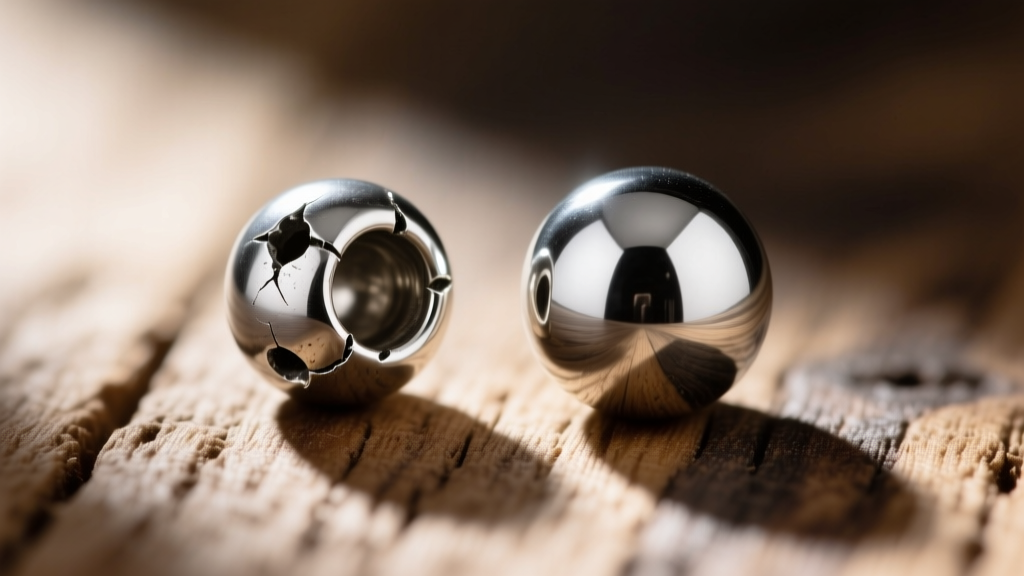
Hollow silver beads are manufactured by stamping two thin hemispheres from a sheet of silver and soldering them together at the equator. While this technique saves on precious metal costs, it creates a structural vulnerability. Spheres are highly prone to rolling off tables, bumping against doors, or being crushed in a jewelry box. Once a hollow silver bead dents, it is virtually impossible to repair without cutting the bead open, reshaping it, and re-soldering it—a process that often costs more than the bead itself.
The Superiority of Solid Silver Spheres
Solid beads are either cast from a mold or machined from a solid rod of silver. They possess a satisfying, substantial heft and can withstand daily impacts. If a solid bead becomes scratched or scuffed over years of wear, a jeweler can easily buff and polish it back to a mirror finish.
| Feature | Solid Silver Balls | Hollow Silver Balls |
|---|---|---|
| Weight & Drape | Heavy, substantial, drapes elegantly | Lightweight, airy, can feel cheap |
| Impact Resistance | High; resists denting | Very Low; dents upon minor impact |
| Repairability | Can be polished, buffed, and re-tipped | Cannot be un-dented; must be replaced |
| Visual Clues | Seamless surface | Faint solder line around the equator |
| Typical Price (18-inch) | $120 - $450+ | $35 - $85 |
Expert Tip: Perform the "Sound Test." Gently tap two beads together. Solid silver produces a dull, dense thud, while hollow silver emits a high-pitched, metallic clink.
Sizing Guide: Millimeter Diameters and Neck Proportions
Silver ball necklaces are categorized by the diameter of the spheres, measured in millimeters (mm). Choosing the right size is crucial for achieving your desired aesthetic and ensuring the necklace sits correctly on your neckline.
- 2mm to 3mm (Delicate/Layering): These micro-beads offer a subtle shimmer. They are perfect for layering with longer pendant chains or wearing in multiples. Because the beads are small, the necklace behaves almost like a fluid chain.
- 4mm to 6mm (The Everyday Standard): This is the most versatile size. A 5mm solid silver ball necklace provides enough visual weight to stand alone as a primary piece but remains understated enough for office wear. It drapes beautifully over crew necks and V-necks.
- 8mm to 10mm (Statement/Bold): These larger spheres make a definitive statement. The weight of solid 10mm silver beads is significant, requiring a robust clasp and thick stringing wire. Best worn over solid-colored garments where the metallic reflection can take center stage.
- 12mm and Above (Avant-Garde): Rarely strung as a full continuous necklace due to extreme weight and stiffness, these are usually interspersed with smaller beads or used as a central focal cluster.
Silver Purity: 925 Sterling vs. 999 Fine Silver
According to the Gemological Institute of America (GIA), pure silver (999 fine silver) is inherently too soft for most jewelry applications. When fashioned into spherical beads that constantly rub and collide against one another, 999 silver will quickly scratch, deform, and lose its perfect roundness.
Therefore, 925 Sterling Silver (92.5% pure silver alloyed with 7.5% copper or other metals) is the industry standard for silver ball necklaces. The copper alloy provides the necessary tensile strength and hardness to maintain the bead's spherical integrity over decades of wear. When shopping, always look for the "925" stamp, usually located on the clasp tag or a small metal bead integrated near the closure.
The Rhodium Plating Factor
Many premium silver ball necklaces are plated with rhodium, a precious metal from the platinum family. Rhodium plating (typically 0.1 to 0.5 microns thick) provides a brilliant, mirror-like finish that mimics white gold and significantly slows down tarnishing. However, be aware that once the rhodium wears off after a few years of friction, the underlying sterling silver will require periodic polishing.

Stringing Mechanics and Clasp Integrity
A heavy strand of solid silver balls puts immense stress on its stringing material and clasp. The Jewelers of America emphasizes that proper structural engineering is just as important as the metal quality in strand necklaces.
What to Look For in Stringing Material
Avoid necklaces strung on cheap elastic, cotton thread, or basic nylon. The drilled holes of silver beads can have microscopic sharp edges that will eventually saw through organic fibers. The gold standard for heavy silver bead necklaces is 49-strand nylon-coated stainless steel beading wire (such as SoftFlex), typically in a 0.018-inch or 0.024-inch thickness. This material offers the drape of silk with the tensile strength of steel.
Clasp Selection
- Lobster Claw: The most common and secure option, provided it is cast in solid 925 silver and not hollow-stamped.
- Barrel Clasp (Screw): Traditional for pearl and bead necklaces, but can slowly unscrew itself due to the rotational friction of rolling beads.
- Magnetic Clasp: Highly recommended for heavy 8mm+ silver ball necklaces. Modern neodymium magnetic clasps encased in sterling silver offer incredible holding power and make putting on a heavy necklace effortless.
Buyer Beware: If a listing advertises a heavy-gauge silver ball necklace but uses a tiny, flimsy spring-ring clasp, it is a major red flag. The clasp should always be proportionate to the weight and thickness of the bead strand.
Pricing Expectations and Market Red Flags
Understanding the spot price of silver is crucial when evaluating a necklace silver balls collection. Because solid silver beads require significant raw material, their price is directly tethered to the commodities market, plus the labor cost of drilling and polishing.
As of 2026, a genuine 18-inch solid 925 sterling silver ball necklace (5mm beads) should retail between $140 and $280, depending on the brand and whether it features rhodium plating. If you find a "solid" 6mm silver ball necklace selling for $45, you are almost certainly looking at a hollow bead, a silver-plated brass core, or an alloy like alpaca/nickel silver (which contains zero actual silver).
Always request the exact gram weight from the seller before purchasing. A solid 5mm 18-inch silver ball necklace should weigh approximately 45 to 55 grams. If the seller cannot provide the gram weight, or if the listed weight is suspiciously low (e.g., 12 grams), walk away from the transaction.
Final Thoughts on Sourcing
A high-quality silver ball necklace is a masterclass in minimalist design. By prioritizing solid 925 sterling silver construction, verifying the stringing wire gauge, and selecting a millimeter size that complements your wardrobe, you will secure a versatile piece of jewelry that retains its structural integrity and brilliant luster for a lifetime.


